







































What Is a Balanced Diet? Complete Guide to Healthy Nutrition

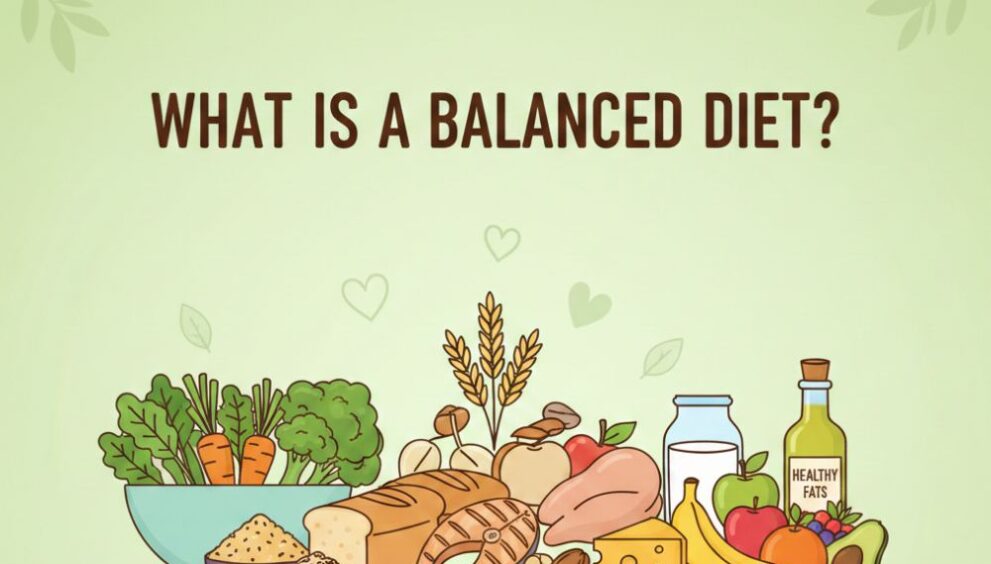
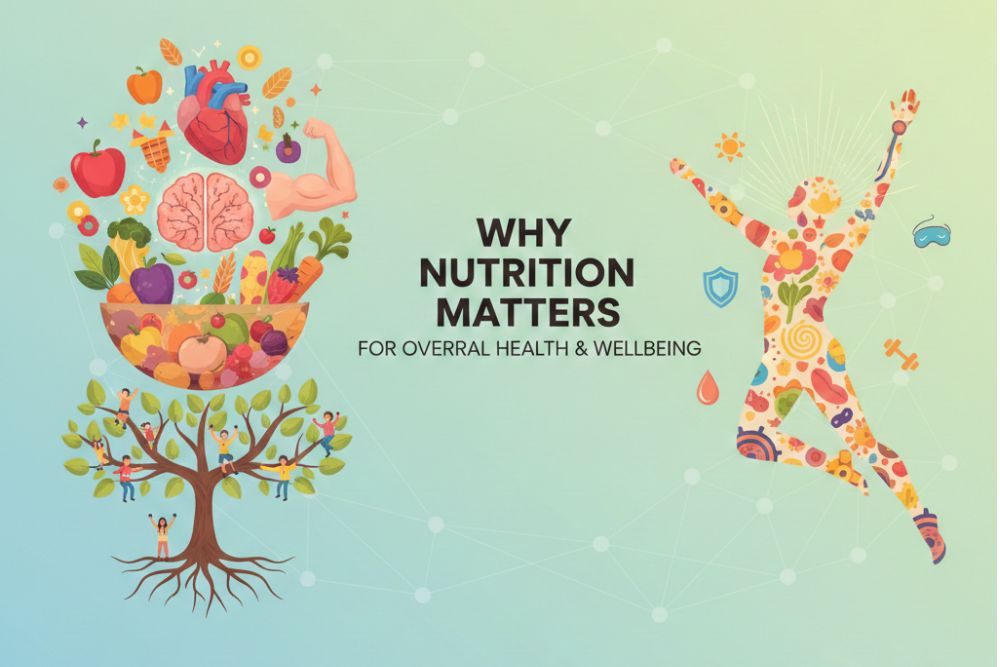
A balanced diet is the foundation of good health, energy, and long-term wellbeing. It provides your body with the right nutrients in the right proportions to function efficiently, prevent disease, and support physical and mental performance.
In this complete guide, you’ll learn what a balanced diet is, why it matters, and how to create a healthy nutrition plan that works in everyday life.
What Is a Balanced Diet?
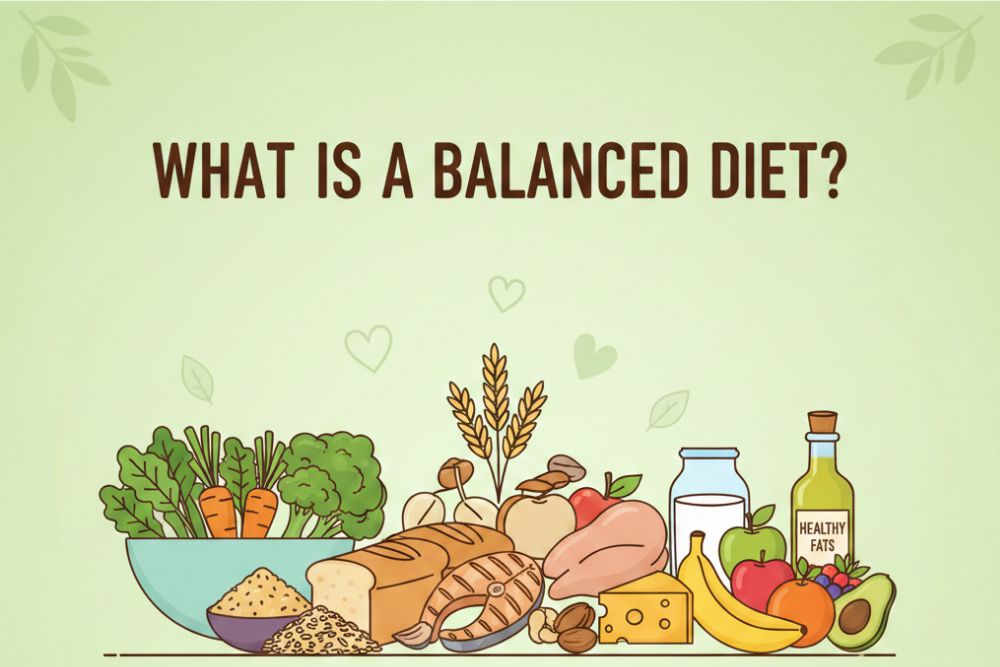
A balanced diet is a way of eating that includes all essential nutrients—carbohydrates, proteins, fats, vitamins, minerals, fiber, and water—in appropriate amounts to meet your body’s daily needs.
Instead of focusing on one food group or trend, a balanced diet emphasizes variety, moderation, and nutrient density.
In simple terms:
A balanced diet fuels your body, protects your health, and helps maintain a healthy weight.
Why Is a Balanced Diet Important?
Eating a balanced diet supports nearly every function in the body.
Key benefits of a balanced diet:
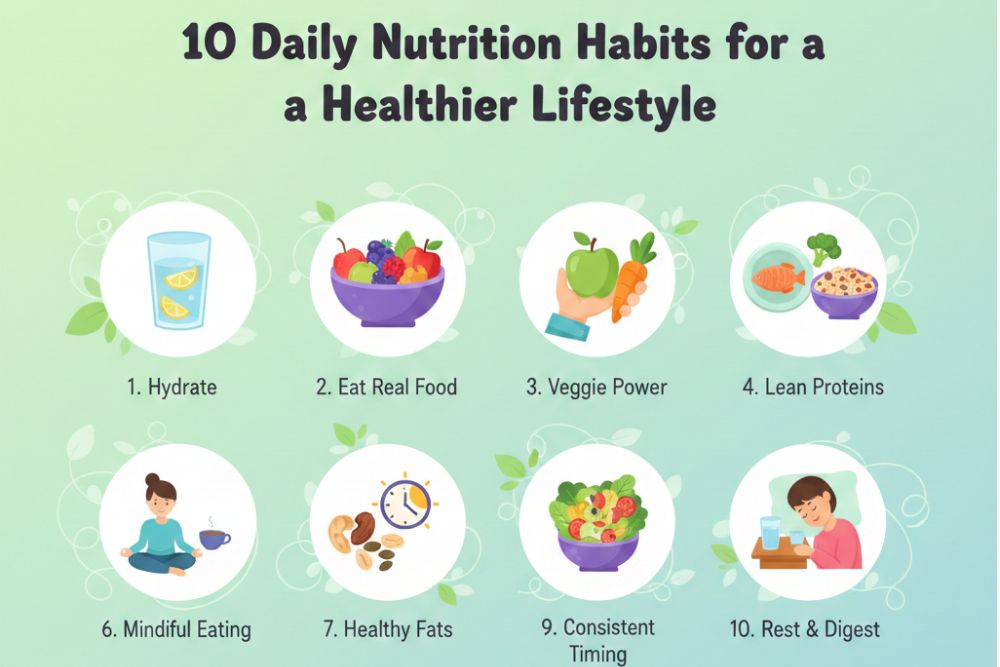
- Provides sustained energy throughout the day
- Strengthens the immune system
- Supports healthy weight management
- Improves digestion and gut health
- Enhances brain function and mental wellbeing
- Reduces the risk of lifestyle diseases such as diabetes and heart disease
Over time, poor nutrition can lead to fatigue, frequent illness, nutrient deficiencies, and chronic health problems.
The Main Components of a Balanced Diet
To understand healthy nutrition, it’s important to know the role of each nutrient.
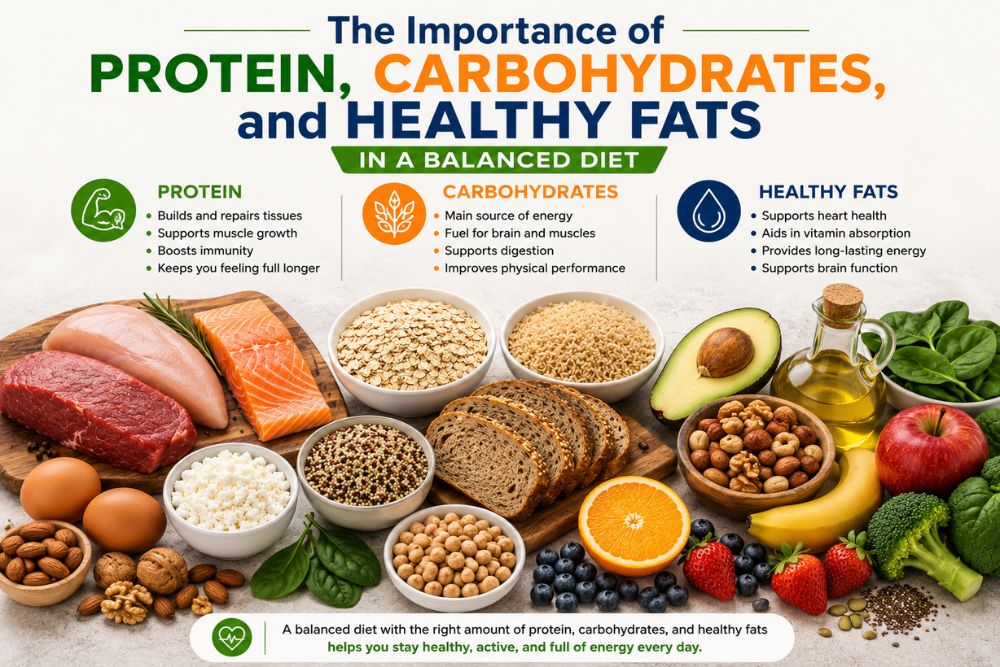
1. Carbohydrates – The Body’s Primary Energy Source
Carbohydrates provide energy for the brain, muscles, and organs.
Healthy carbohydrate sources:
- Whole grains (brown rice, oats, whole wheat)
- Fruits
- Vegetables
- Legumes
Tip: Choose complex carbohydrates over refined sugars for steady energy levels.
2. Proteins – Building and Repairing the Body
Proteins are essential for muscle repair, immune function, and hormone production.
Good protein sources:
- Pulses and lentils
- Eggs
- Fish
- Lean meat
- Dairy products
- Nuts and seeds
Why protein matters:
Adequate protein helps maintain muscle mass and keeps you feeling full for longer.
3. Healthy Fats – Essential for Brain & Hormone Health
Not all fats are harmful. Healthy fats are vital for nutrient absorption and brain function.
Include more:
- Nuts and seeds
- Avocados
- Olive oil
- Fatty fish
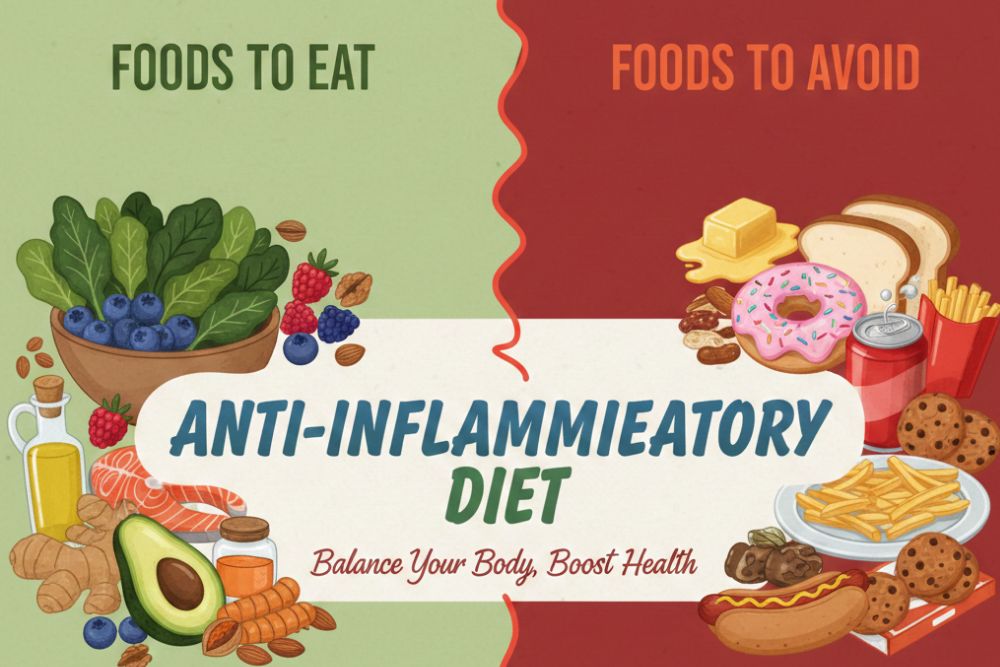
Limit: Trans fats and excessive saturated fats found in processed foods.
4. Vitamins & Minerals – Supporting Body Functions
Micronutrients regulate metabolism, immunity, bone health, and nerve function.
Best sources:
- Fruits and vegetables
- Whole foods
- Dairy and fortified foods
Tip: Eating colorful foods ensures a wide range of vitamins and minerals.
5. Fiber – For Digestion and Gut Health
Dietary fiber supports digestion, blood sugar control, and heart health.
High-fiber foods:
- Whole grains
- Fruits
- Vegetables
- Legumes
6. Water – The Most Overlooked Nutrient
Water is essential for digestion, circulation, temperature control, and detoxification.
Healthy habit:
Drink water consistently throughout the day, not only when you feel thirsty.
How to Build a Balanced Diet Plate
A simple way to follow a balanced diet is by visual portioning:
- ½ plate: Vegetables and fruits
- ¼ plate: Whole grains
- ¼ plate: Protein-rich foods
- Small portion: Healthy fats
This method supports portion control and balanced nutrition without complicated calculations.
Balanced Diet for Different Lifestyles
Balanced Diet for Busy Professionals
- Focus on meal planning
- Include quick protein options
- Limit processed snacks
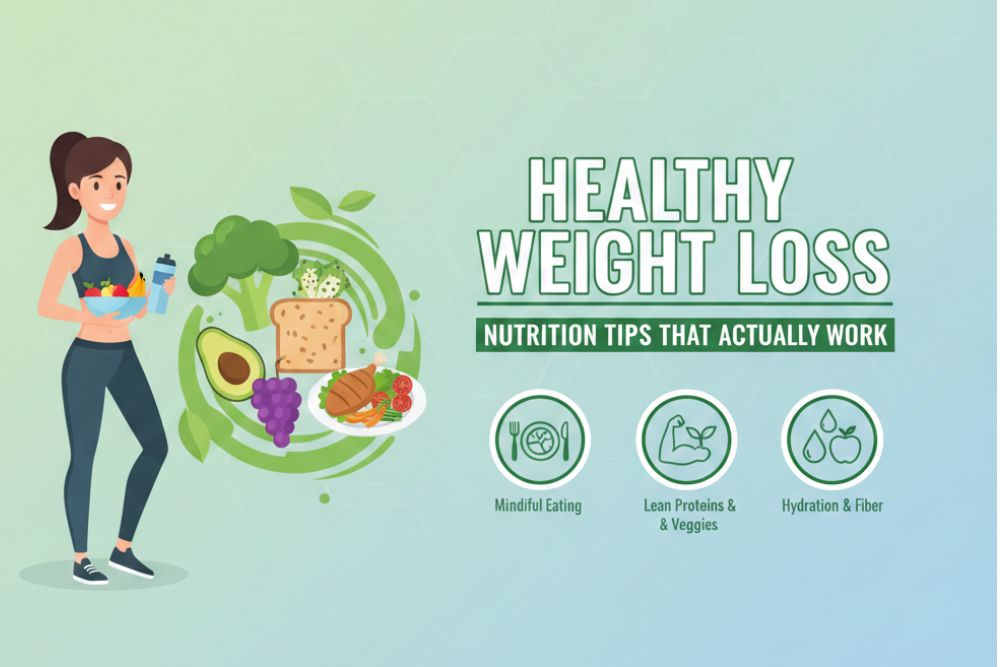
Balanced Diet for Weight Management
- Prioritize fiber and protein
- Reduce sugary foods
- Eat mindfully
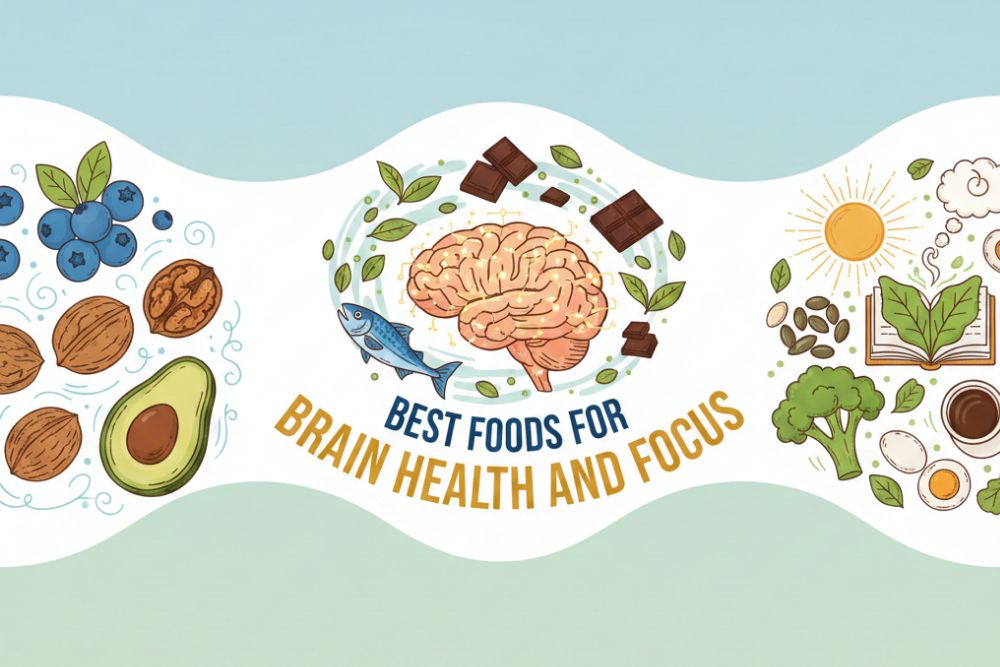
Balanced Diet for Mental Wellbeing
- Include omega-3 fats
- Eat regular meals
- Avoid extreme dieting
Common Myths About a Balanced Diet
Myth 1: A balanced diet is expensive
Fact: Simple whole foods are often more affordable than processed foods.
Myth 2: Carbohydrates should be avoided
Fact: Healthy carbs are essential for energy and brain function.
Myth 3: One diet works for everyone
Fact: A balanced diet should be adapted to age, activity level, and health needs.
How Long Does It Take to See Results?
With consistent healthy eating, many people notice:
- Improved energy in 1–2 weeks
- Better digestion within days
- Long-term health improvements over months
Consistency matters more than perfection.
When to Consult a Nutrition Expert
You should consider professional guidance if you:
- Have a medical condition
- Experience frequent fatigue or nutrient deficiencies
- Need personalized dietary planning
Expert advice ensures your diet meets your specific nutritional needs.
Final Thoughts
A balanced diet is not about restriction or perfection. It’s about nourishing your body with the right foods in the right balance. By focusing on variety, whole foods, and moderation, you create a sustainable approach to healthy nutrition that supports lifelong wellbeing.