
















Plant-Based Diet: Benefits, Risks & Nutrition Tips

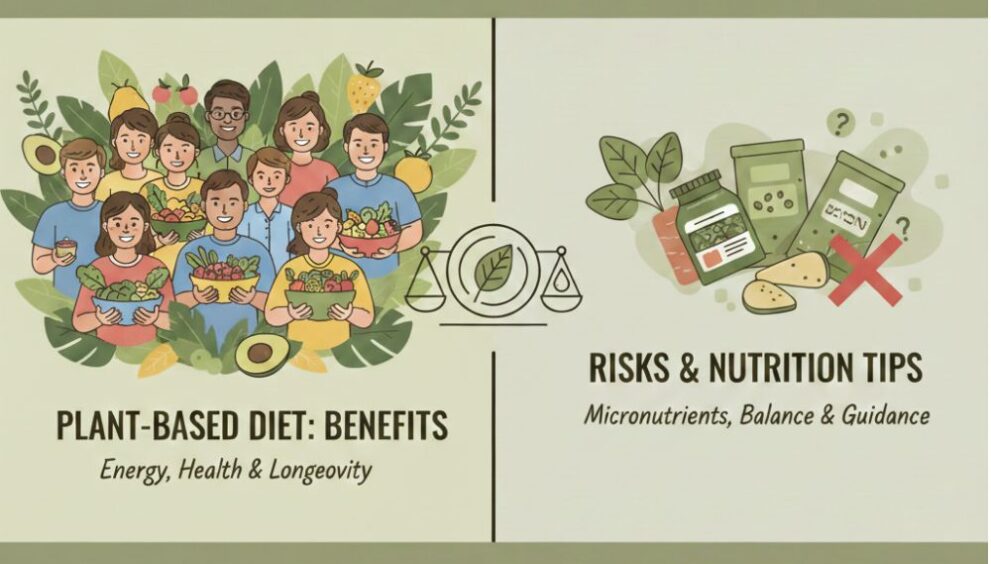
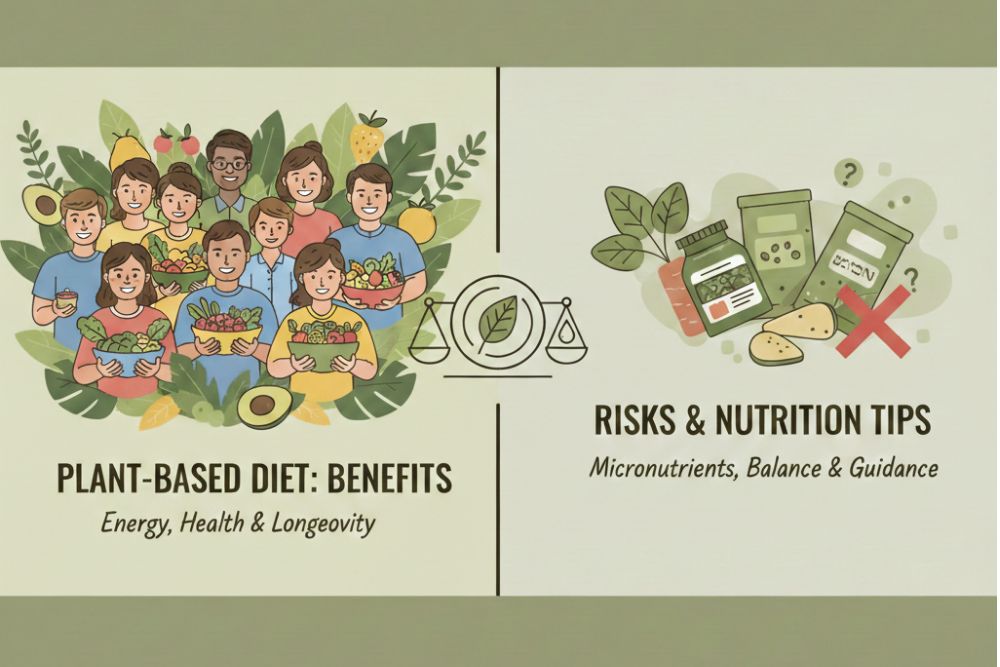
A plant-based diet has gained widespread attention for its potential health, environmental, and ethical benefits. However, while it offers many advantages, it also requires careful planning. Understanding plant-based diet benefits, risks, and nutrition tips helps ensure you enjoy its benefits without compromising essential nutrients.
In this guide, we explore what a plant-based diet is, its health impact, possible risks, and practical nutrition tips for balanced living.
What Is a Plant-Based Diet?
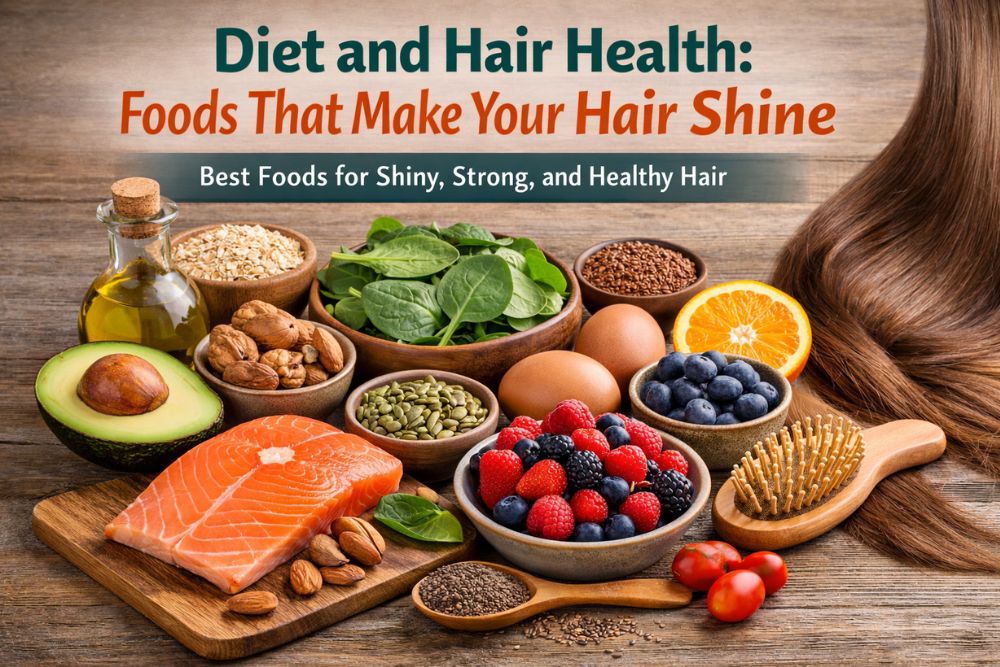
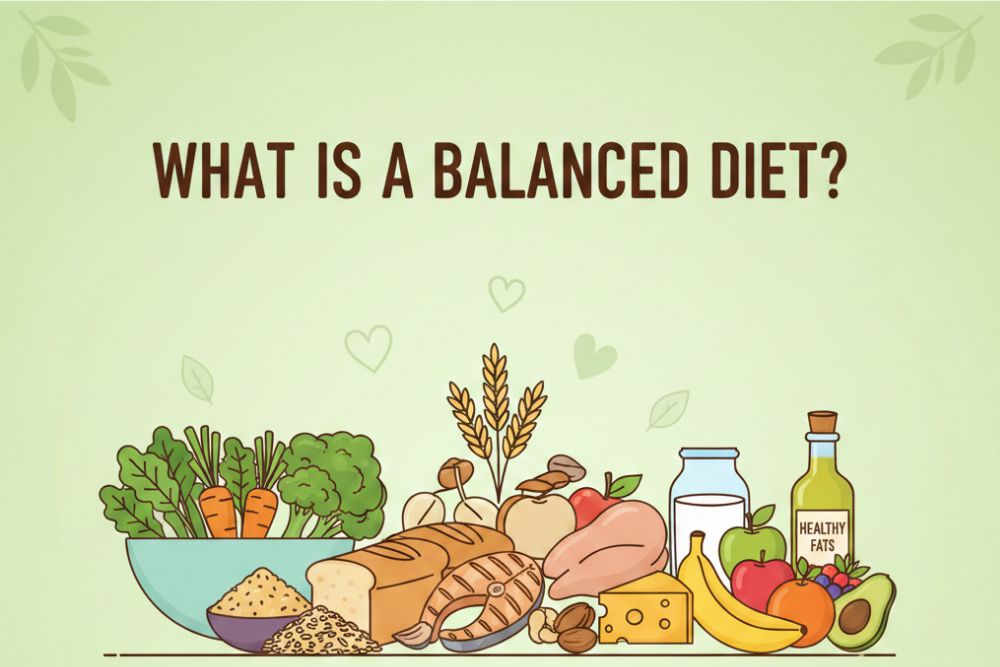
A plant-based diet focuses primarily on foods derived from plants, including:
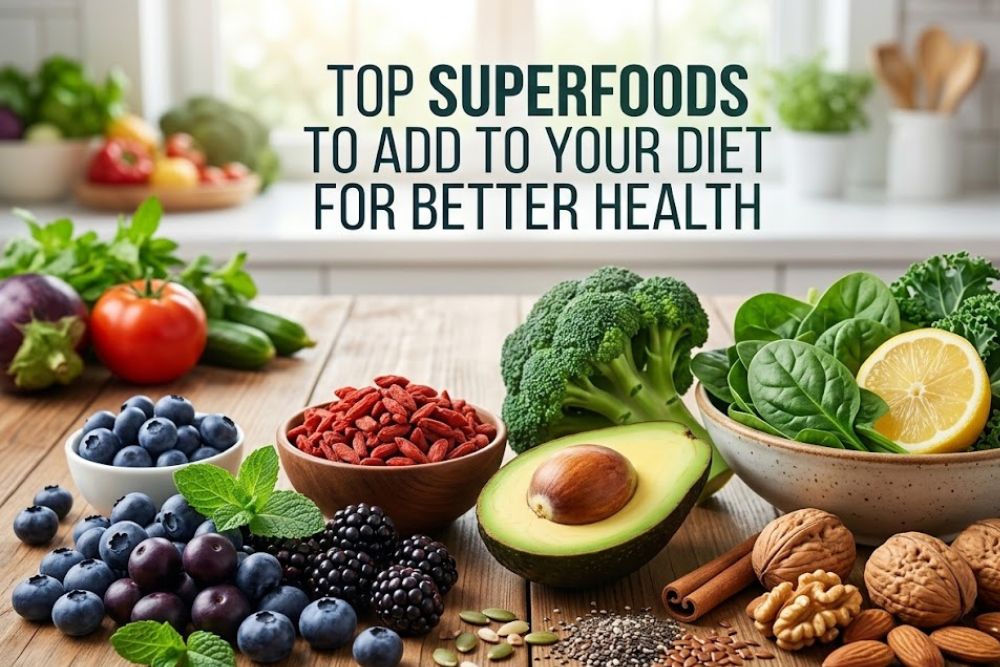
- Fruits and vegetables
- Whole grains
- Legumes and pulses
- Nuts and seeds
While some plant-based diets exclude all animal products, others allow limited amounts of dairy, eggs, or fish. Regardless of the variation, plants remain the foundation of the diet.
Benefits of a Plant-Based Diet
-
Supports Heart Health
First and foremost, plant-based diets are naturally low in saturated fat and high in fibre. As a result, they help reduce cholesterol levels and improve blood circulation.
Consequently, the risk of heart disease and high blood pressure may decrease.
-
Aids Healthy Weight Management
Plant-based foods are generally lower in calories and higher in fibre. Therefore, they promote fullness and reduce overeating.
Over time, this can support sustainable weight management.
-
Improves Digestive Health
Because plant foods are rich in fibre, they support a healthy gut microbiome. Moreover, better digestion leads to improved nutrient absorption and reduced bloating.
-
Lowers Risk of Chronic Diseases
Research suggests that plant-based diets may reduce the risk of:
- Type 2 diabetes
- Certain cancers
- Obesity
This is largely due to their anti-inflammatory and antioxidant-rich nature.
-
Boosts Overall Energy and Wellbeing
When balanced correctly, plant-based diets provide steady energy, improved skin health, and better metabolic function.
Risks of a Plant-Based Diet
Despite its benefits, a plant-based diet can lead to nutrient deficiencies if not planned properly.
-
Protein Deficiency
Although plants contain protein, relying on limited food variety may reduce protein intake.
Therefore, including legumes, tofu, tempeh, and nuts is essential.
-
Vitamin B12 Deficiency
Vitamin B12 is mainly found in animal products. As a result, people following strict plant-based diets may become deficient.
Supplementation or fortified foods are often necessary.
-
Iron and Zinc Absorption Issues
Plant-based iron (non-heme iron) is less easily absorbed. Similarly, zinc absorption may be lower.
However, pairing iron-rich foods with vitamin C can significantly improve absorption.
-
Omega-3 Fatty Acid Deficiency
Omega-3s are vital for brain and heart health. Without fish, intake may be insufficient.
Therefore, include flaxseeds, chia seeds, walnuts, or algae-based supplements.
-
Calcium and Vitamin D Gaps
Avoiding dairy can reduce calcium intake. Moreover, vitamin D deficiency may occur without adequate sunlight or fortified foods.
Nutrition Tips for a Balanced Plant-Based Diet
Eat a Variety of Plant Foods
Firstly, diversity ensures a wider range of nutrients and prevents deficiencies.
Combine Protein Sources
Pair legumes with whole grains to create complete protein profiles.
Choose Fortified Foods
Select plant milks and cereals fortified with calcium, vitamin B12, and vitamin D.
Include Healthy Fats
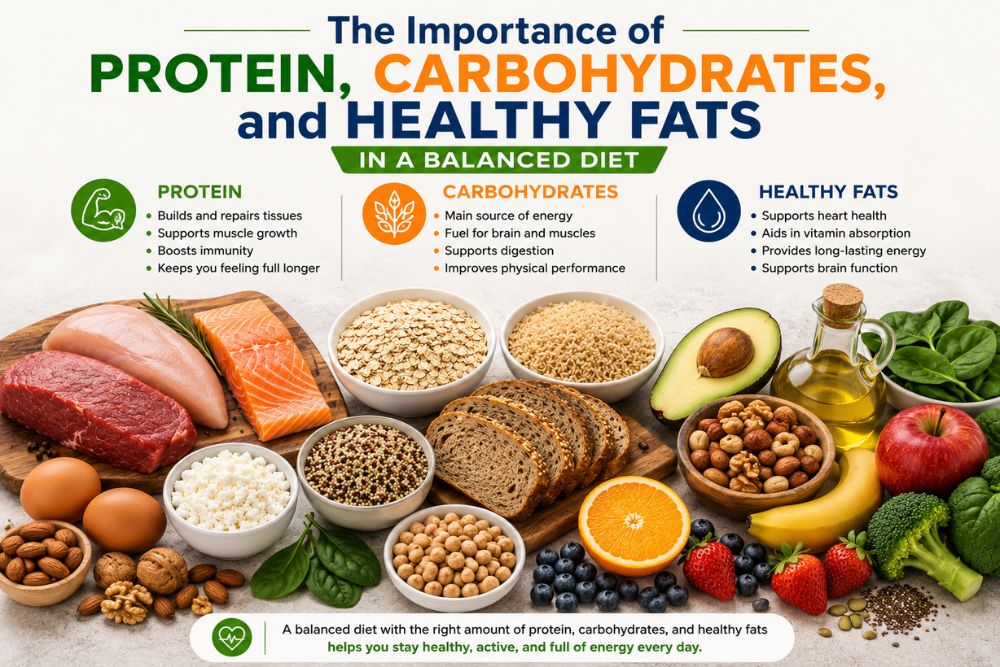
Add nuts, seeds, olive oil, and avocados for hormone balance and nutrient absorption.
Monitor Key Nutrients
Pay special attention to protein, B12, iron, calcium, zinc, and omega-3 levels.
Who Should Be Cautious with a Plant-Based Diet?
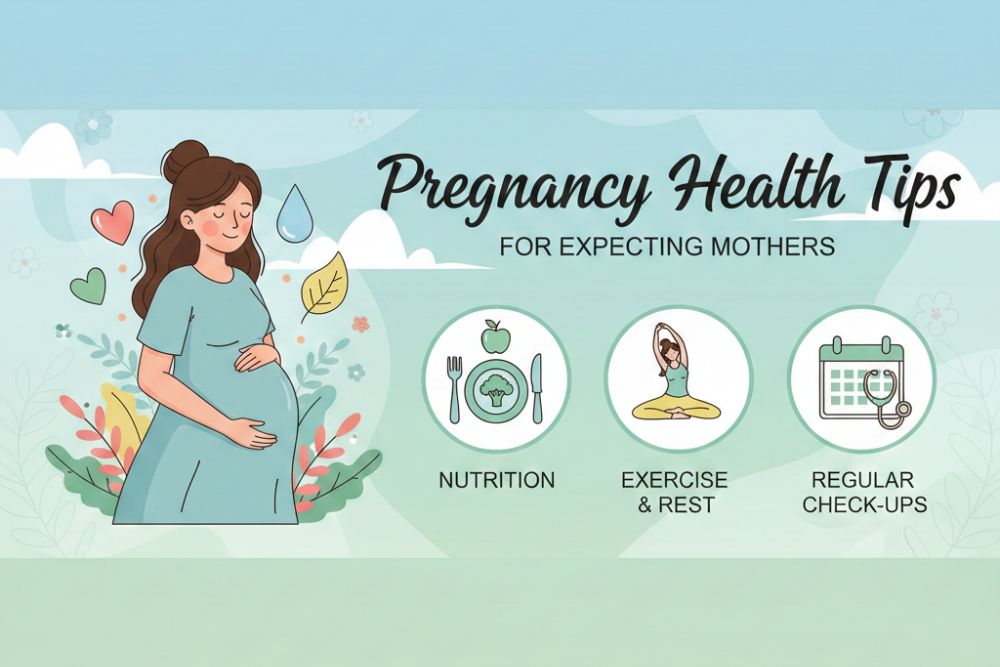
- Pregnant or breastfeeding women
- Growing children and teenagers
- Older adults
- Individuals with existing nutritional deficiencies
In such cases, professional dietary guidance is strongly recommended.
FAQs
Q1. Is a plant-based diet healthy?
Yes, when properly planned, a plant-based diet can support heart health, weight management, and overall wellbeing.
Q2. Can you get enough protein on a plant-based diet?
Yes. Legumes, soy products, nuts, seeds, and whole grains provide sufficient protein when consumed in variety.
Q3. Do you need supplements on a plant-based diet?
Vitamin B12 is usually required, while iron, omega-3, calcium, and vitamin D may need monitoring.
In conclusion, understanding plant-based diet benefits, risks, and nutrition tips is essential for making informed dietary choices. When balanced and well-planned, a plant-based diet can support long-term health, sustainability, and overall wellbeing.
The key is not elimination—but thoughtful nutrition.