





































Nutrition for Children: Building Healthy Eating Habits Early

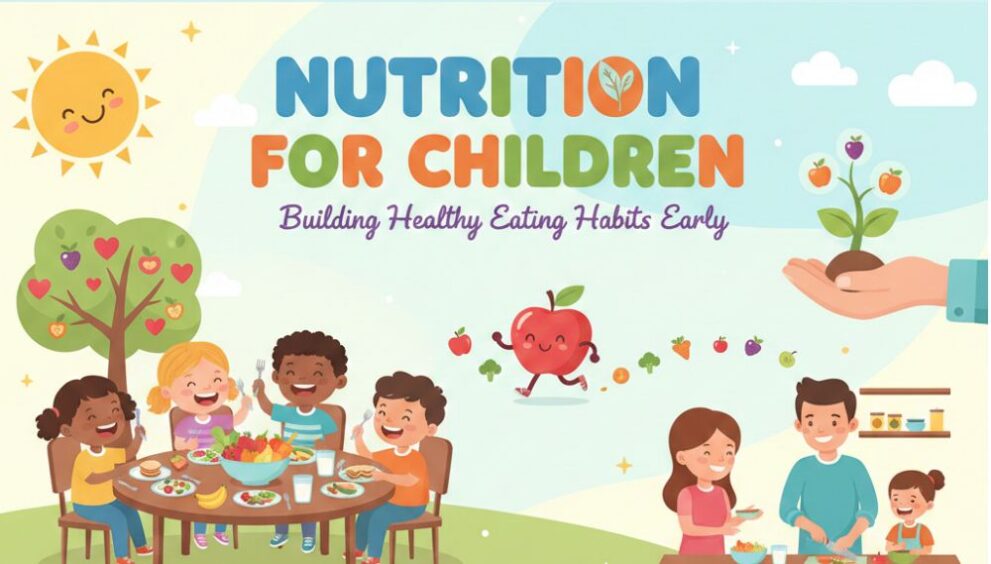
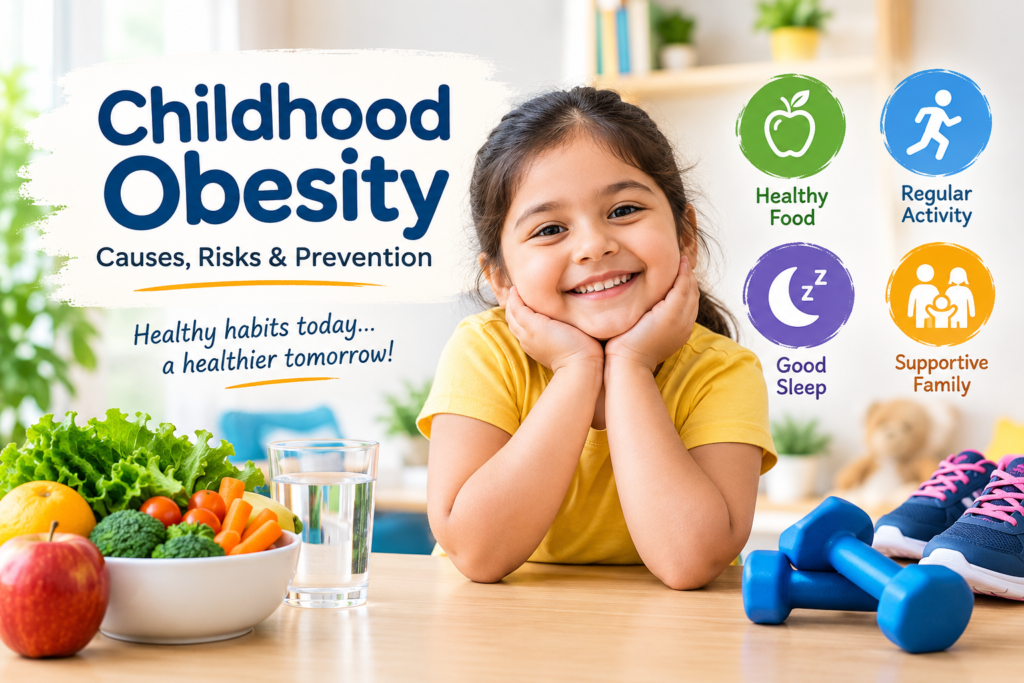
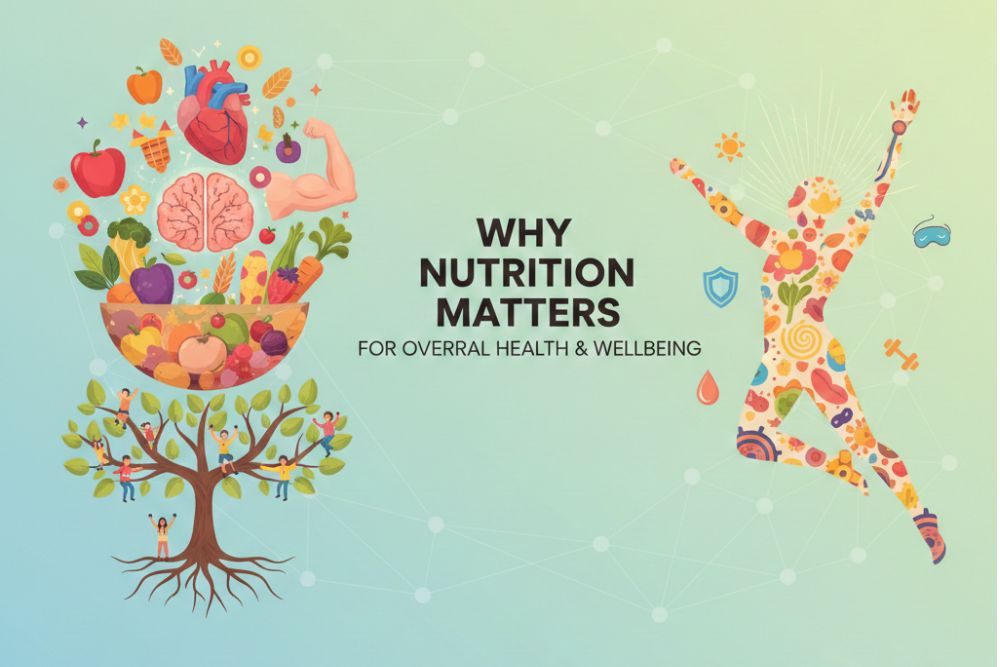
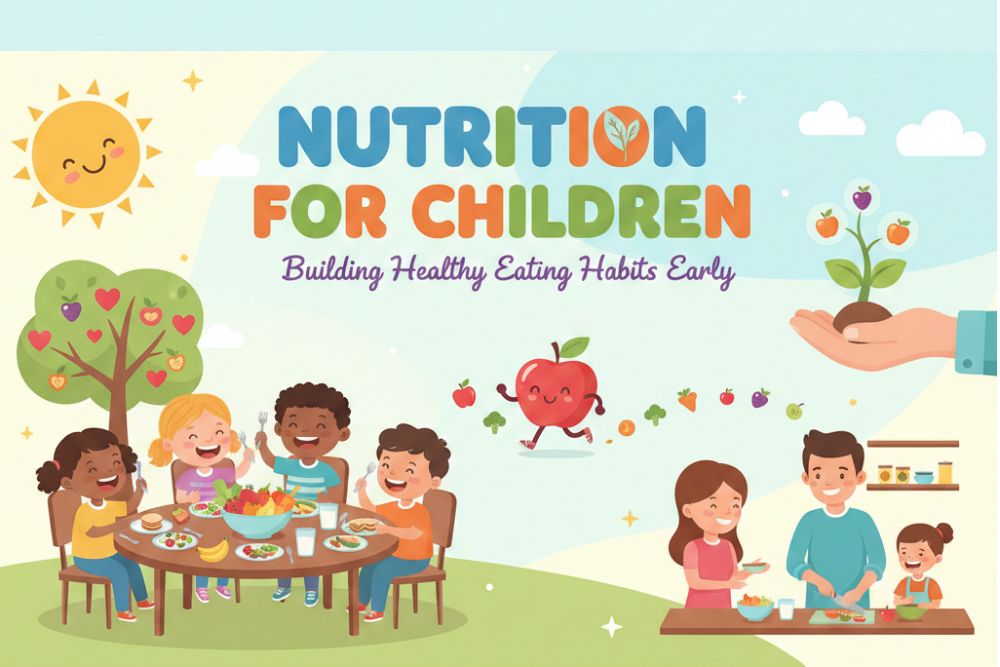
Healthy eating habits developed in childhood lay the foundation for lifelong health. Proper nutrition for children supports physical growth, brain development, immunity, and emotional wellbeing. Therefore, introducing balanced nutrition early is one of the most valuable investments parents and caregivers can make.
In this article, we explore why nutrition matters for children, essential nutrients for growth, and practical tips to build healthy eating habits from an early age.
Why Nutrition Is Important for Children
First and foremost, children are in a critical stage of growth and development. Their bodies and brains require a wide range of nutrients to function optimally.
Good nutrition helps:
- Support height and muscle growth
- Strengthen bones and teeth
- Improve concentration and learning ability
- Boost immunity and disease resistance
As a result, well-nourished children are more active, focused, and resilient.
Key Nutrients Essential for Children’s Growth
-
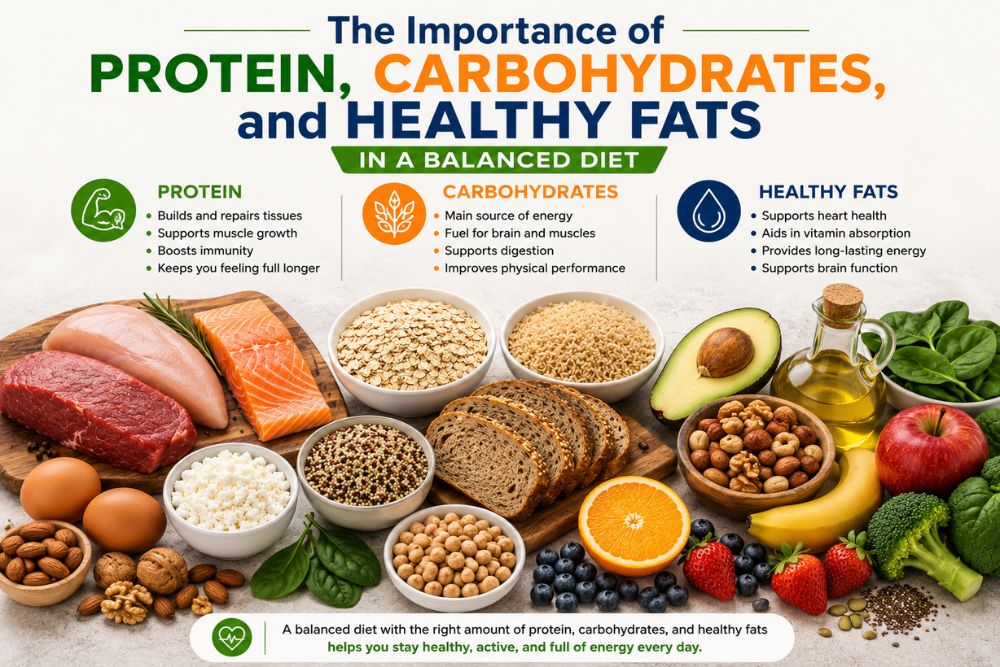
Protein for Growth and Repair
Protein is essential for building muscles, tissues, and organs. Children need adequate protein to support rapid growth.
Healthy sources include:
- Milk, curd, and paneer
- Eggs
- Lentils and beans
- Nuts and seeds
-
Calcium and Vitamin D for Strong Bones
Calcium builds strong bones and teeth, while vitamin D helps with calcium absorption.
Therefore, include dairy products, fortified foods, and safe sunlight exposure.
-
Iron for Brain Development
Iron supports oxygen transport and brain development. Iron deficiency may lead to fatigue and poor concentration.
Good sources include leafy greens, lentils, dates, and iron-fortified cereals.
-
Healthy Fats for Brain Health
Healthy fats are crucial for brain development and hormone balance.
Include nuts, seeds, avocados, and healthy oils in a child’s diet.
-
Vitamins and Minerals for Immunity
Fruits and vegetables provide essential vitamins, antioxidants, and minerals that strengthen immunity and support overall health.
Building Healthy Eating Habits Early
Encourage a Balanced Plate
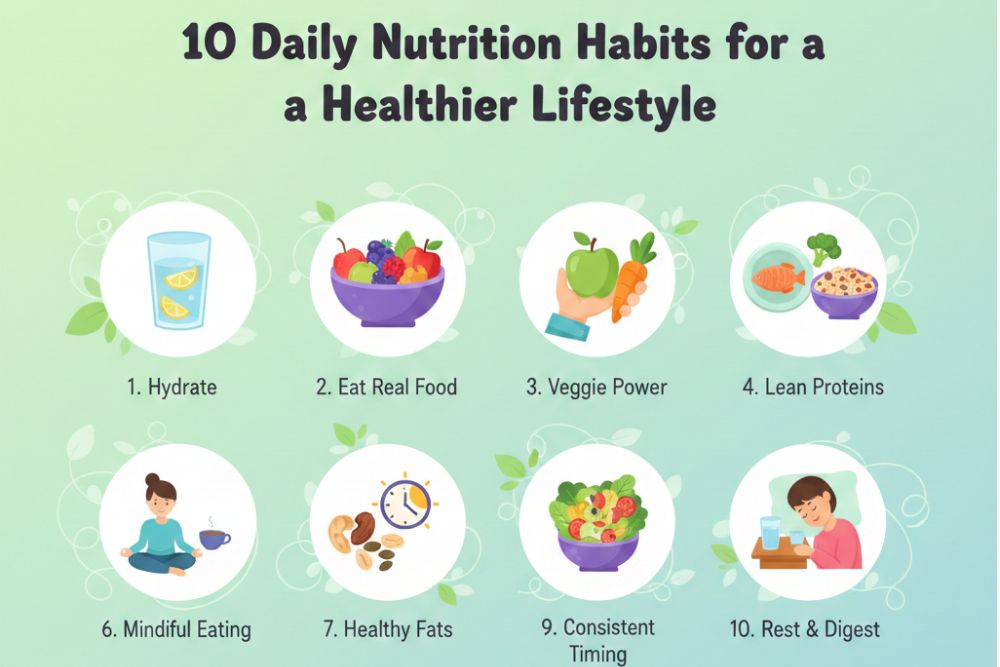
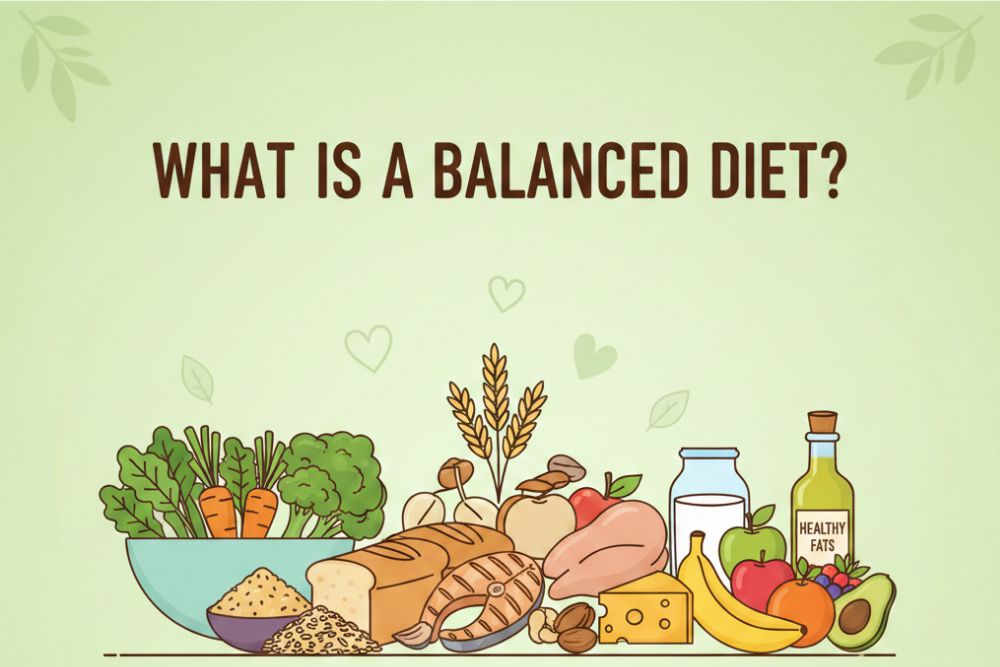
A balanced plate should include:
- Fruits and vegetables
- Whole grains
- Protein-rich foods
- Healthy fats
This approach ensures children receive a wide range of nutrients daily.
Make Mealtimes Positive
Children develop food habits by observation. Therefore, creating a relaxed and positive mealtime environment encourages healthy choices.
Avoid forcing or pressuring children to eat.
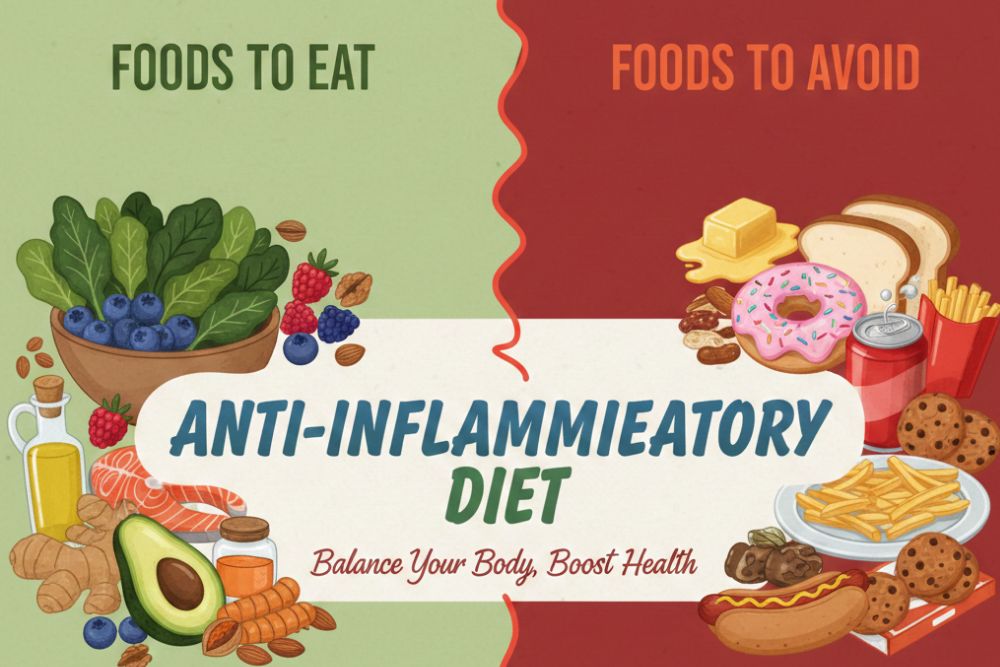
Limit Processed and Sugary Foods
Although occasional treats are acceptable, excessive sugar and processed foods can lead to poor nutrition and unhealthy habits.
Instead, offer healthier alternatives such as fruits, nuts, and homemade snacks.
Involve Children in Food Choices
When children help with grocery shopping or meal preparation, they are more likely to try and enjoy nutritious foods.
This also builds awareness and responsibility toward healthy eating.
Set Consistent Meal and Snack Times
Regular meal timings help regulate appetite and prevent excessive snacking on unhealthy foods.
As a result, children develop better hunger and fullness cues.
Common Nutrition Challenges in Children
- Picky eating
- Excessive junk food consumption
- Skipping meals
- Low intake of fruits and vegetables
Addressing these challenges with patience, variety, and consistency is more effective than strict rules.
FAQs
Q1. Why is nutrition important for children?
Nutrition supports growth, brain development, immunity, and learning ability in children.
Q2. What are healthy eating habits for children?
Healthy habits include balanced meals, regular meal times, limited junk food, and adequate hydration.
Q3. How can parents encourage healthy eating?
Parents can lead by example, involve children in meals, and create positive eating environments.
In conclusion, nutrition for children and healthy eating habits formed early play a crucial role in shaping lifelong health. By offering balanced meals, limiting processed foods, and creating positive food experiences, parents can help children grow into healthy, confident adults.
Healthy habits today build stronger futures tomorrow.