






































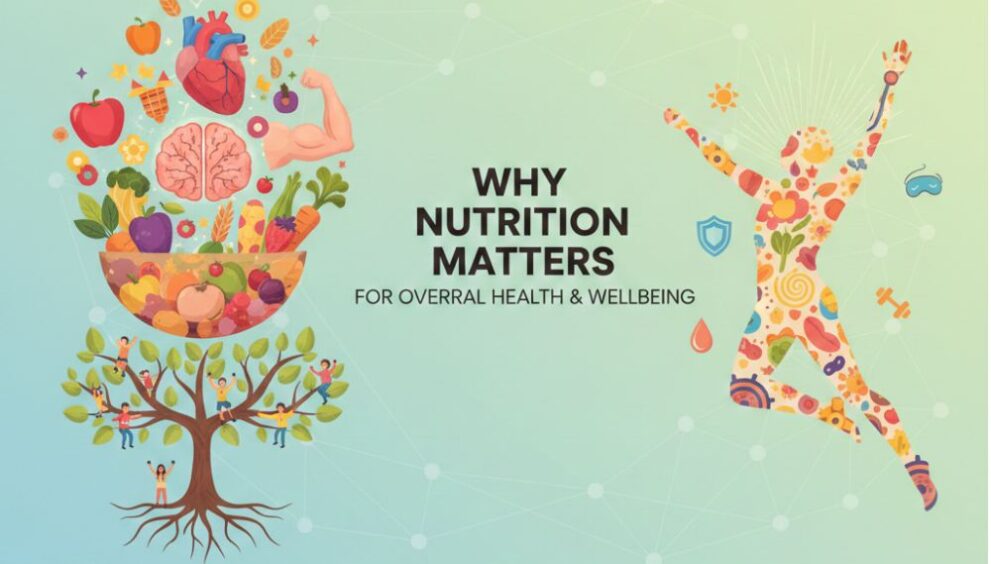
Why Nutrition Matters for Overall Health & Wellbeing

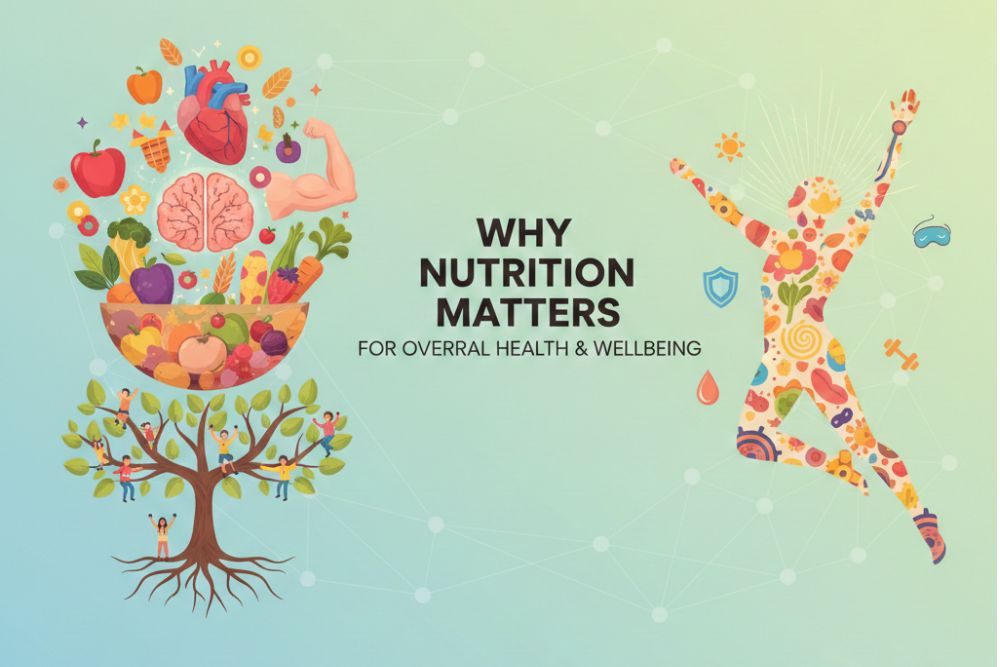
Nutrition plays a foundational role in shaping overall health and wellbeing. What we eat directly influences our energy levels, immunity, mental clarity, physical strength, and long-term disease prevention. In today’s fast-paced lifestyle, understanding why nutrition matters is more important than ever.
This article explains how proper nutrition impacts the body and mind, why it is essential at every stage of life, and how making small dietary improvements can lead to lasting health benefits.
What Is Nutrition and Why Is It Important?
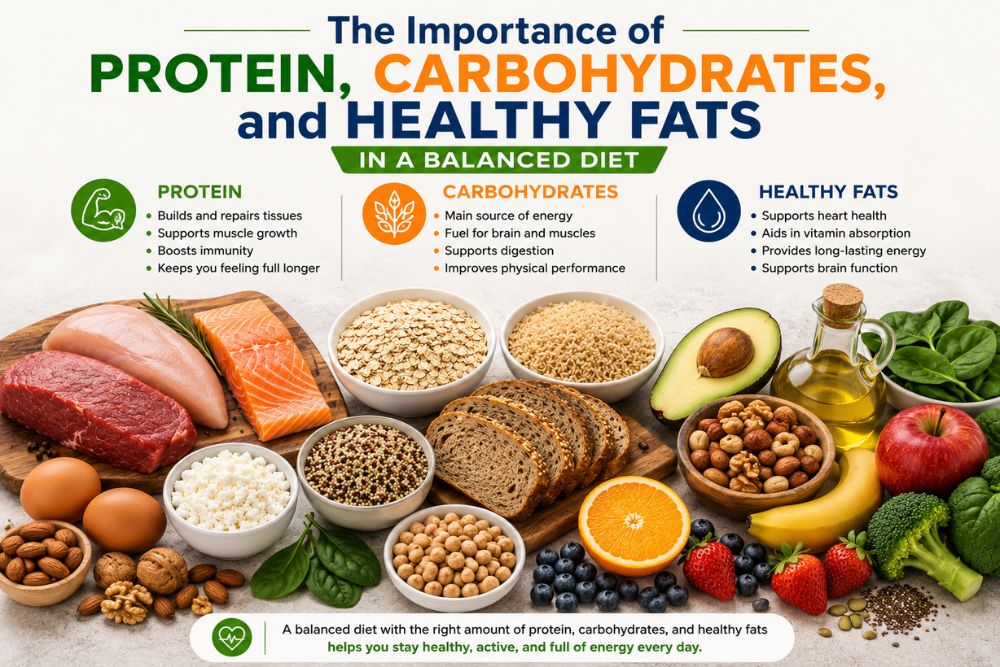
Nutrition refers to the intake of food and how the body uses nutrients such as carbohydrates, proteins, fats, vitamins, minerals, and water. These nutrients are essential for:
- Growth and tissue repair
- Energy production
- Hormone regulation
- Immune system support
- Brain and organ function
Without balanced nutrition, the body struggles to function efficiently, increasing the risk of fatigue, illness, and chronic conditions.
How Nutrition Affects Overall Health
-
Nutrition Supports Physical Health
Good nutrition fuels the body with the energy it needs to perform daily activities. A balanced diet helps:
- Maintain a healthy weight
- Strengthen muscles and bones
- Improve digestion and gut health
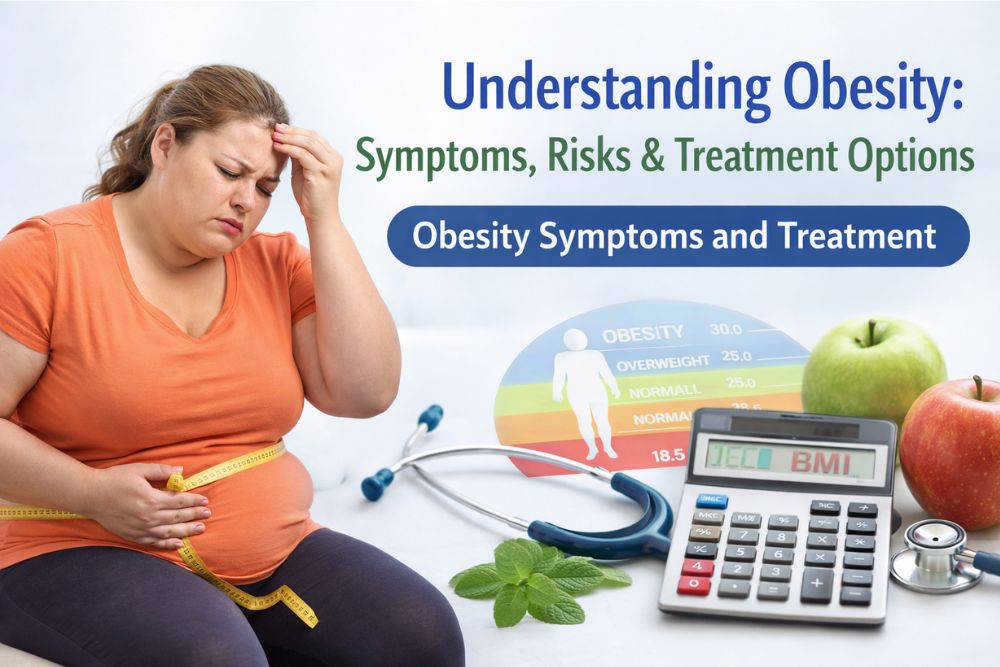
- Reduce the risk of heart disease, diabetes, and obesity
Additionally, adequate intake of protein, calcium, iron, and essential vitamins ensures proper body maintenance and repair.
-
Nutrition Strengthens the Immune System
The immune system relies heavily on nutrients like vitamin C, vitamin D, zinc, and antioxidants. When the body receives these nutrients consistently:
- It fights infections more effectively
- Recovery time from illness is reduced
- Inflammation is better controlled
As a result, people with good nutritional habits tend to fall sick less often and heal faster.
-
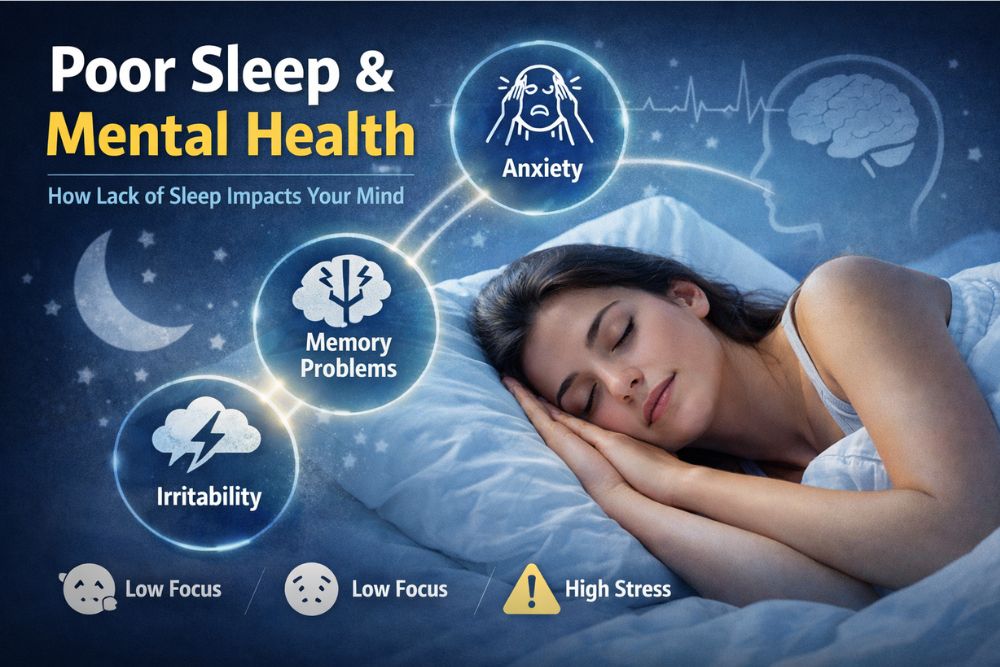
Nutrition Improves Mental Health and Brain Function
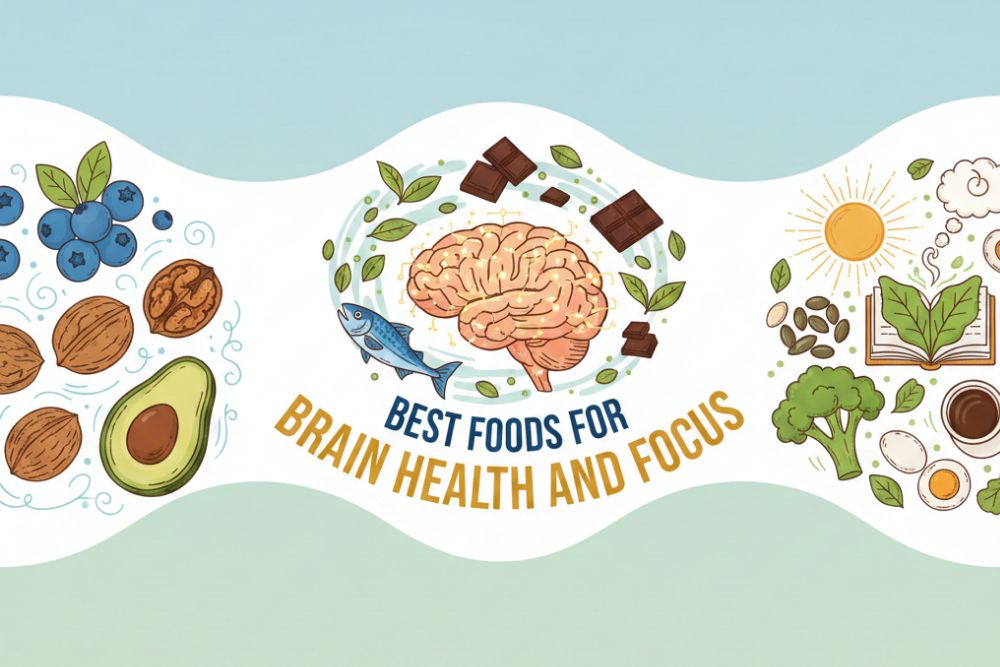
Nutrition is closely linked to mental wellbeing. The brain requires glucose, healthy fats, amino acids, and micronutrients to function optimally. A nutrient-rich diet can:
- Improve concentration and memory
- Support emotional balance
- Reduce stress, anxiety, and mood swings
- Lower the risk of depression
In contrast, diets high in processed foods and sugar may negatively impact mental clarity and emotional stability.
-
Nutrition Boosts Energy and Productivity
One of the most noticeable benefits of good nutrition is sustained energy throughout the day. Complex carbohydrates, lean proteins, and healthy fats provide steady fuel, preventing sudden energy crashes.
Therefore, individuals who follow balanced eating habits often experience:
- Better focus at work or school
- Improved physical stamina
- Reduced fatigue and burnout
Nutrition and Long-Term Wellbeing
Preventing Chronic Diseases
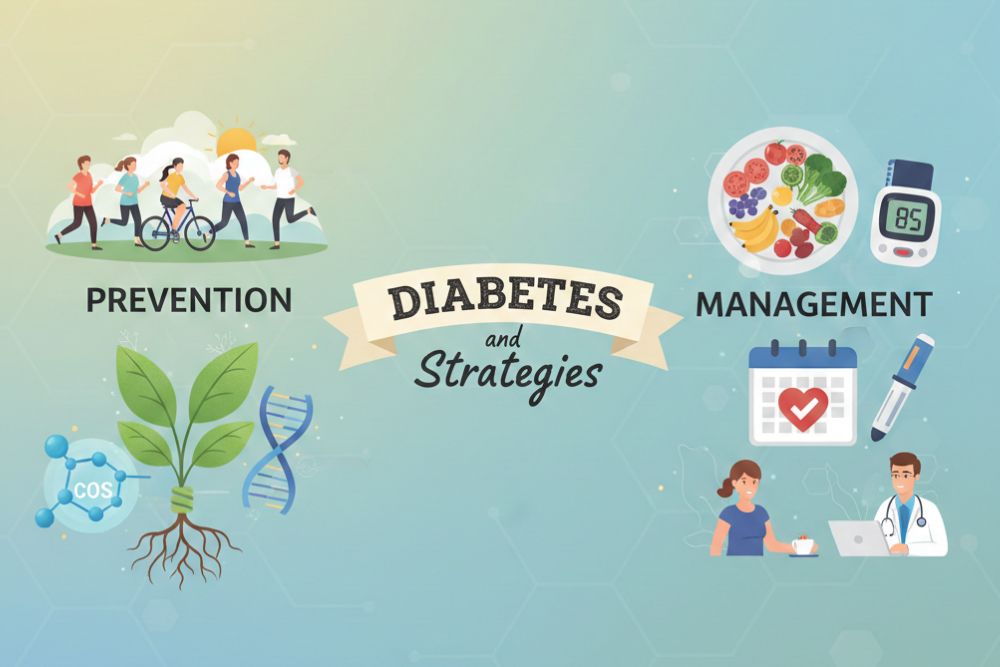
Healthy nutrition is a key preventive tool against lifestyle-related diseases such as:
- Heart disease
- Type 2 diabetes
- High blood pressure
- Certain cancers
By reducing excess sugar, unhealthy fats, and sodium while increasing whole foods, fruits, vegetables, and fiber, long-term health outcomes significantly improve.
Supporting Healthy Aging
As the body ages, nutritional needs change. Adequate intake of protein, calcium, vitamin B12, and antioxidants helps:
- Preserve muscle mass
- Maintain bone density
- Support cognitive function
- Enhance overall quality of life
Good nutrition, therefore, plays a critical role in healthy and active aging.
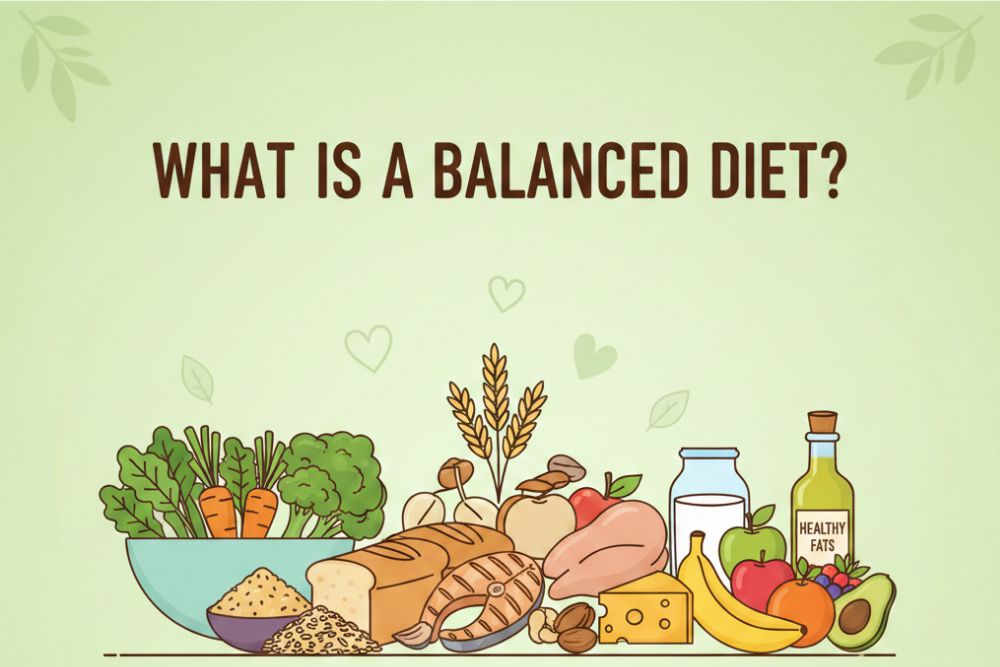
Key Components of a Balanced Diet
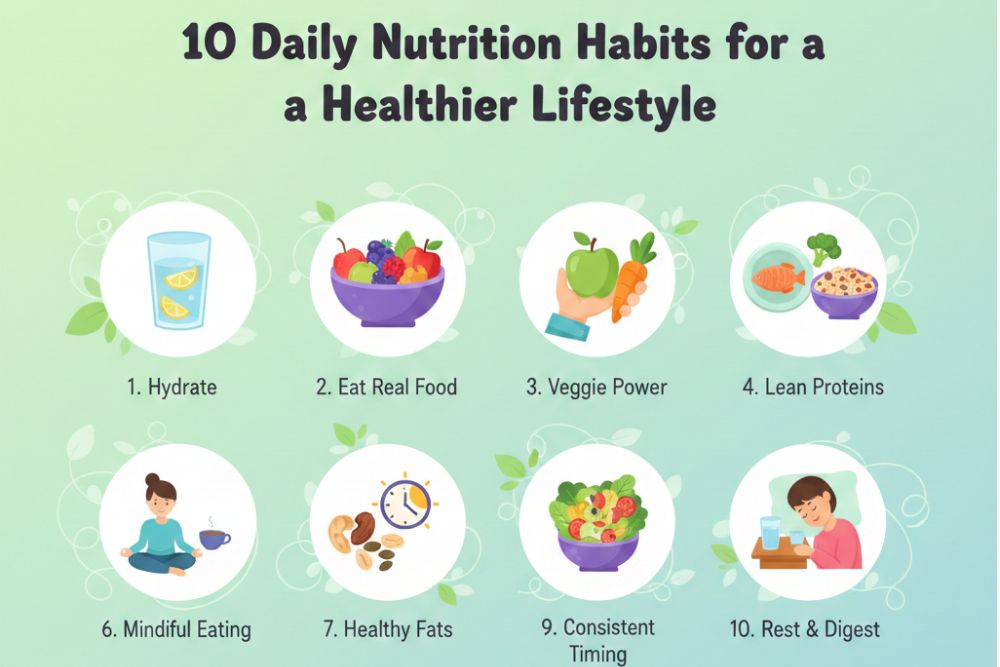
A nutritious diet should include:
- Fruits and vegetables: Rich in vitamins, minerals, and antioxidants
- Whole grains: Provide sustained energy and fiber
- Lean proteins: Support muscle repair and immunity
- Healthy fats: Essential for brain and heart health
- Water: Vital for digestion, circulation, and detoxification
Consistency matters more than perfection. Even small, mindful improvements can deliver noticeable benefits over time.
Why Nutrition Matters More Than Ever Today
In modern lifestyles marked by stress, sedentary habits, and processed foods, nutrition acts as a protective foundation. It supports not only physical survival but also mental resilience, emotional balance, and long-term wellbeing.
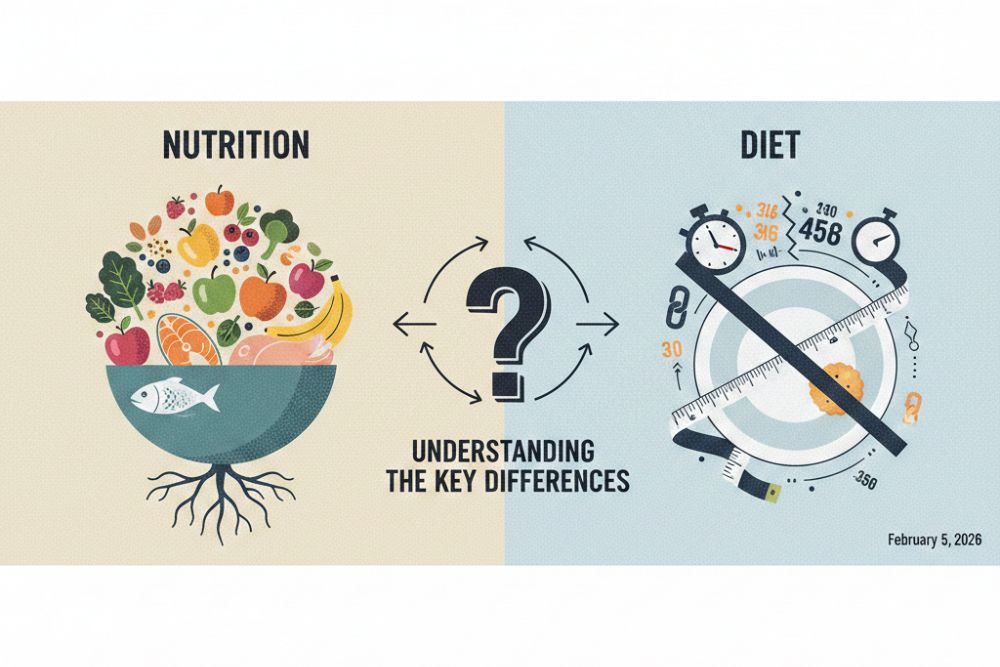
Simply put, good nutrition is not about restriction—it is about nourishment.
Frequently Asked Questions
Q1. Why is nutrition important for overall wellbeing?
Nutrition provides essential nutrients that support physical health, mental clarity, immunity, and disease prevention, making it vital for overall wellbeing.
Q2. Can poor nutrition affect mental health?
Yes. Poor nutrition can contribute to fatigue, stress, mood disorders, and reduced cognitive performance.
Q3. How does nutrition help prevent diseases?
A balanced diet helps regulate blood sugar, cholesterol, inflammation, and body weight, reducing the risk of chronic diseases.
Nutrition is the cornerstone of a healthy life. When the body receives the right nutrients in the right balance, it functions better, heals faster, and performs at its best. Prioritising nutrition today lays the foundation for a healthier, stronger, and more fulfilling tomorrow.