

































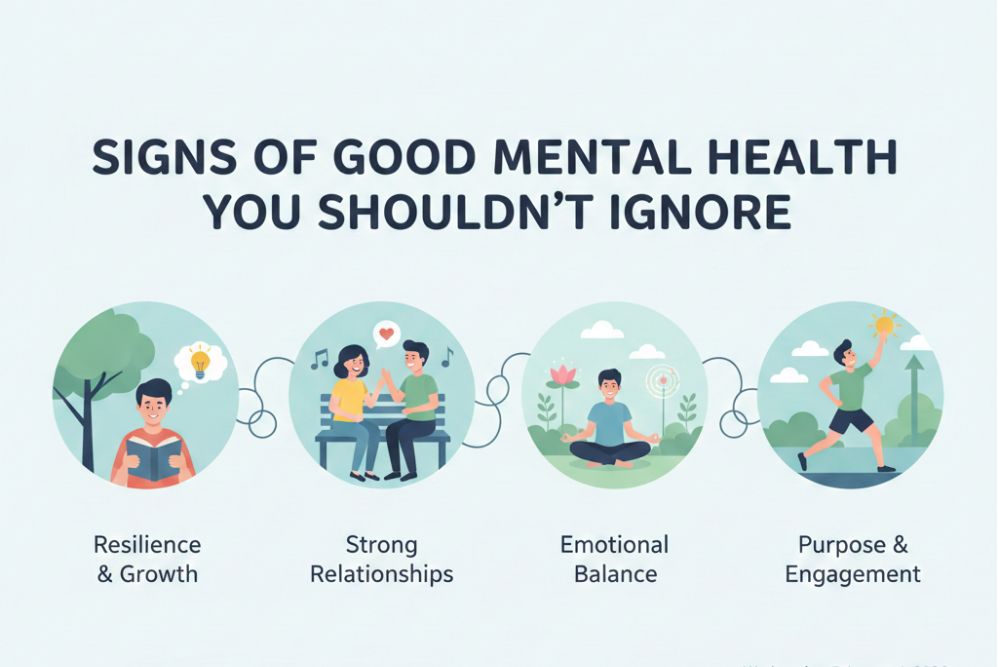










Signs of Good Mental Health You Shouldn’t Ignore

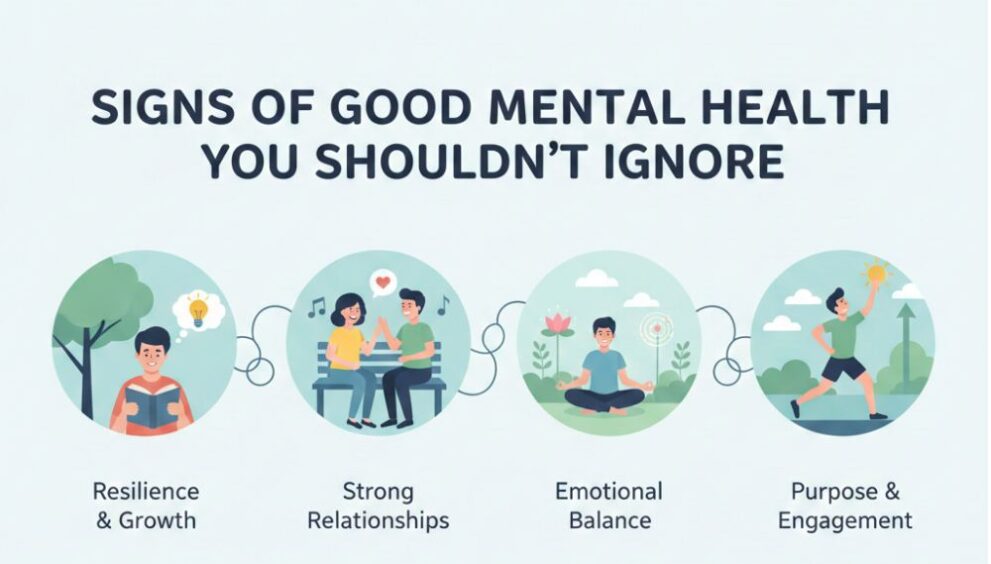
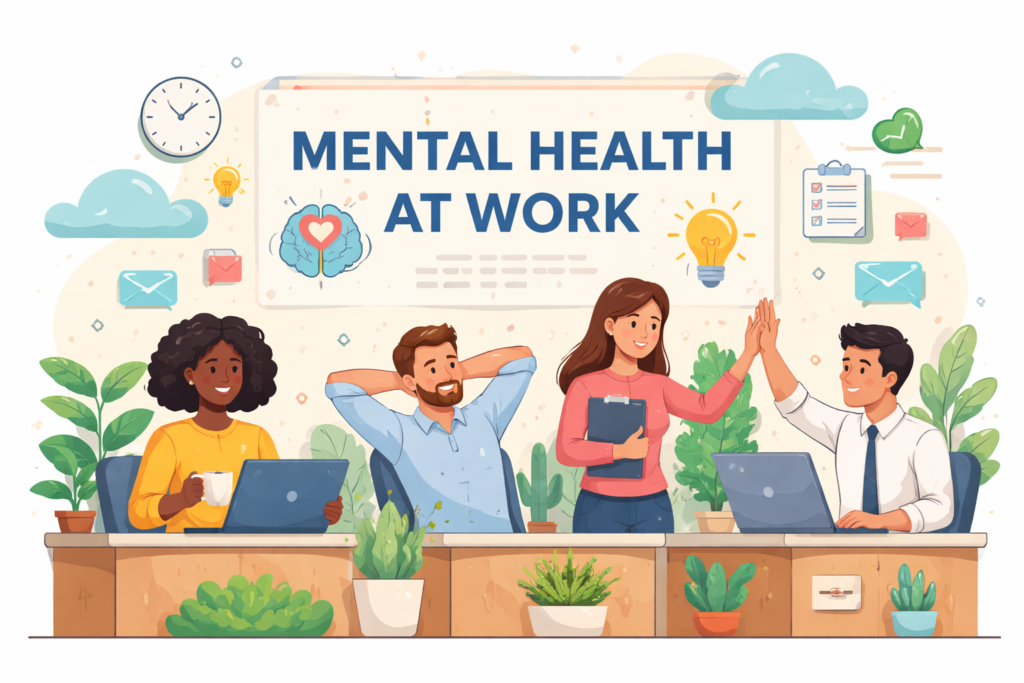
Mental health is more than the absence of mental illness—it reflects emotional, psychological, and social wellbeing. Recognising signs of good mental health helps you maintain balance, build resilience, and improve overall quality of life.
In this article, we explore key indicators of strong mental health, how to cultivate them, and why they matter in daily life.
What Is Good Mental Health?
Good mental health allows individuals to:
- Cope with daily stressors
- Build and maintain healthy relationships
- Make informed decisions
- Maintain emotional balance
It is a continuous state rather than a one-time achievement. Paying attention to positive signs can help reinforce healthy habits and prevent mental decline.
Key Signs of Good Mental Health
-
Emotional Resilience
Emotionally resilient people adapt well to stress, setbacks, and challenges. They process negative emotions constructively rather than suppressing them.
Why it matters: Resilience helps maintain focus, confidence, and motivation during difficult times.
-
Positive Relationships
Having supportive, meaningful relationships is a strong sign of good mental health. People with strong social connections experience less stress and higher life satisfaction.
Why it matters: Healthy relationships provide emotional support and reduce the risk of isolation and anxiety.
-
Ability to Manage Stress
Those with good mental health can manage stress effectively through coping strategies like mindfulness, deep breathing, or exercise.
Why it matters: Effective stress management reduces physical and emotional strain, supporting long-term wellbeing.
-
Self-Awareness and Reflection
Self-awareness allows individuals to understand their thoughts, emotions, and behaviors. Reflective practices, like journaling or mindfulness, indicate good mental health.
Why it matters: Awareness helps make conscious choices, improving emotional regulation and decision-making.
-
Optimism and Positive Thinking
A generally optimistic outlook is a sign of mental wellness. People who focus on solutions rather than problems handle challenges more effectively.
Why it matters: Positive thinking reduces stress, enhances resilience, and improves overall life satisfaction.
-
Adaptability and Flexibility
Life is unpredictable, and the ability to adapt without feeling overwhelmed is a key indicator of mental health.
Why it matters: Flexibility promotes problem-solving, reduces frustration, and supports personal growth.
-
Healthy Lifestyle Habits
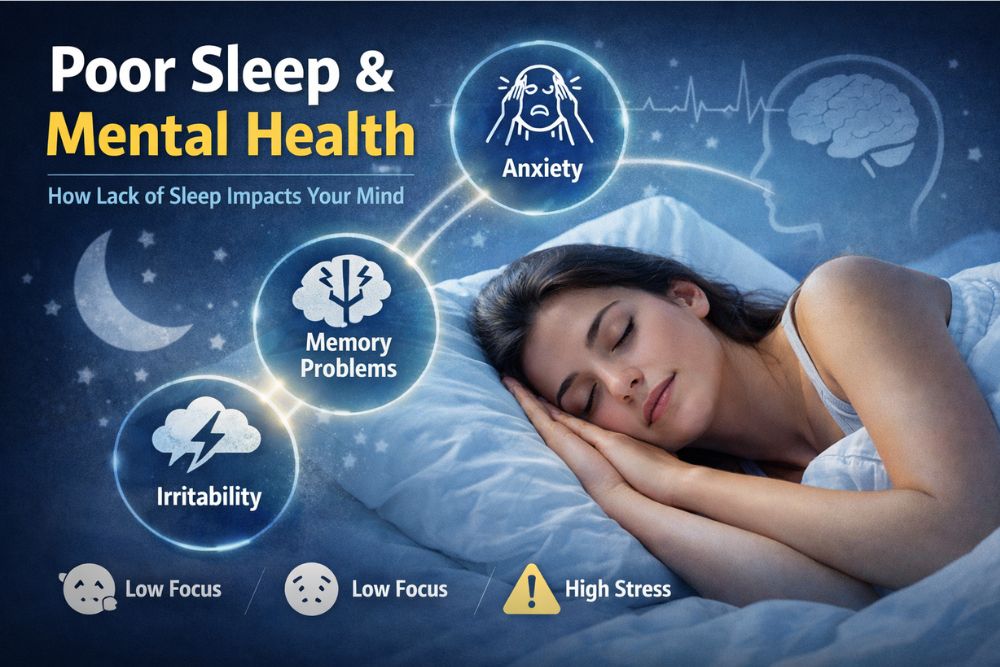
Good mental health often correlates with physical wellbeing. Regular exercise, balanced nutrition, quality sleep, and social engagement are key markers.
Why it matters: Lifestyle habits reinforce emotional balance, energy, and overall resilience.
-
Ability to Enjoy Life
Experiencing joy, satisfaction, and a sense of purpose is a sign of positive mental health. Hobbies, laughter, and meaningful activities contribute to wellbeing.
Why it matters: Enjoying life enhances motivation, creativity, and overall happiness.
Why Recognising These Signs Matters
Awareness of these signs of good mental health helps you:
- Identify areas for improvement
- Maintain balance during stressful periods
- Prevent burnout, anxiety, or depression
- Encourage supportive habits in yourself and others
In other words, recognising positive signs is just as important as addressing challenges.
Tips to Maintain Good Mental Health
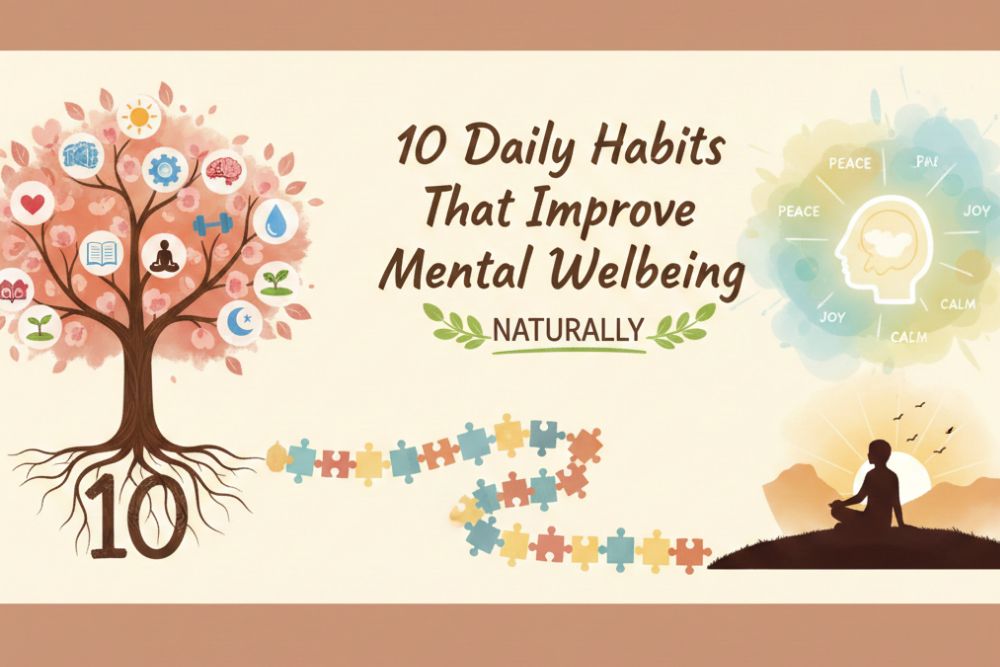
- Practice mindfulness or meditation daily
- Maintain social connections and open communication
- Exercise regularly and eat a balanced diet
- Take breaks and prioritise self-care
- Seek help when needed, without stigma
Consistency in these habits strengthens mental resilience and emotional wellbeing.
FAQs
Q1. What are the signs of good mental health?
Signs include emotional resilience, positive relationships, stress management, self-awareness, optimism, adaptability, and enjoying life.
Q2. How can I improve my mental health daily?
Practice mindfulness, maintain social connections, exercise, eat well, sleep properly, and reflect regularly.
Q3. Can good mental health prevent mental illness?
While it doesn’t guarantee immunity, strong mental health reduces stress, improves coping, and supports overall resilience.
Good mental health is more than feeling happy—it is a combination of resilience, emotional balance, positive relationships, and lifestyle habits. By recognising these signs of good mental health, you can reinforce habits that support long-term wellbeing and a fulfilling life.
Your mental wellbeing is a journey—nurture it every day.