


























































Simple Morning Routines for Better Mental Wellbeing


Starting your day intentionally can set the tone for mental clarity, emotional balance, and overall wellbeing. Adopting simple morning routines for better mental wellbeing helps reduce stress, boost energy, and cultivate a positive mindset for the rest of the day.
In this article, we explore practical morning habits that can enhance mental health and build lasting resilience.
Why Morning Routines Matter for Mental Wellbeing
The first few hours after waking are crucial. How you spend them influences:
- Mood and stress levels
- Focus and productivity
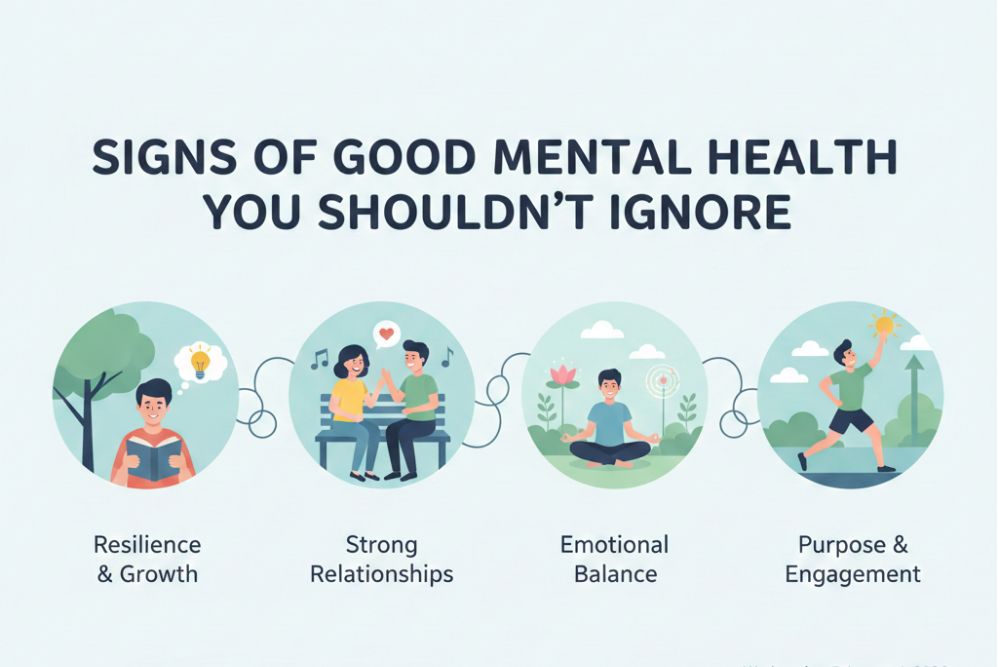
- Emotional balance
- Overall resilience
Establishing healthy morning routines creates a stable foundation for both mental and physical wellbeing.
Effective Morning Routines for Mental Wellbeing
-
Wake Up at a Consistent Time
Consistency regulates your body’s internal clock, improving sleep quality, energy levels, and mood.
Tip: Try to wake up at the same time every day, even on weekends.
-
Practice Mindfulness or Meditation
Spending even 5–10 minutes in meditation, deep breathing, or mindful reflection calms the mind and reduces stress.
Benefit: Mindfulness helps improve focus, emotional regulation, and resilience to daily stressors.
-
Hydrate Immediately
Drinking water after waking kickstarts metabolism, improves brain function, and enhances alertness.
Tip: Add a slice of lemon for a refreshing boost.
-
Engage in Light Physical Activity
Gentle exercises like stretching, yoga, or a short walk release endorphins and improve circulation.
Benefit: Physical movement in the morning supports mental clarity, energy, and positivity.
-
Journaling or Gratitude Practice
Writing down thoughts or things you are grateful for can boost optimism and reduce negative thinking patterns.
Tip: Note 3 things you are thankful for or set intentions for the day.
-
Eat a Balanced Breakfast
A nutritious breakfast fuels both brain and body. Include protein, healthy fats, and complex carbohydrates for sustained energy.
Examples: Oatmeal with nuts, eggs with vegetables, or smoothie with fruits and seeds.
-
Limit Screen Time Early
Avoid diving into emails or social media immediately after waking. Start your day mindfully to reduce stress and information overload.
Tip: Dedicate the first 30–60 minutes to self-care routines before screens.
-
Plan Your Day
Take a few minutes to prioritise tasks and set realistic goals. Organising your day reduces anxiety and improves focus.
Tip: Use a planner or digital tool to outline your main priorities.
Benefits of a Consistent Morning Routine
When practiced daily, these simple habits:
- Improve mood and reduce anxiety
- Enhance focus and productivity
- Support emotional resilience
- Promote better sleep and energy
- Reduce stress before it accumulates
In short, a mindful morning routine is a cornerstone of mental wellbeing.
FAQs
Q1. How long should a morning routine?
Even 15–30 minutes of consistent routines can significantly improve mental wellbeing.
Q2. Can morning routines reduce stress?
Yes. Mindfulness, light exercise, and intentional planning help lower stress and promote emotional balance.
Q3. Are these routines suitable for everyone?
Absolutely. These routines are simple, flexible, and can be adapted for children, teens, adults, or older adults.
Adopting simple morning routines for better mental wellbeing doesn’t require drastic lifestyle changes. By focusing on hydration, mindfulness, light movement, nutrition, and intentional planning, you can start each day with clarity, calm, and positivity.
Remember, consistency matters more than perfection—small daily habits lead to long-term mental health benefits.