





































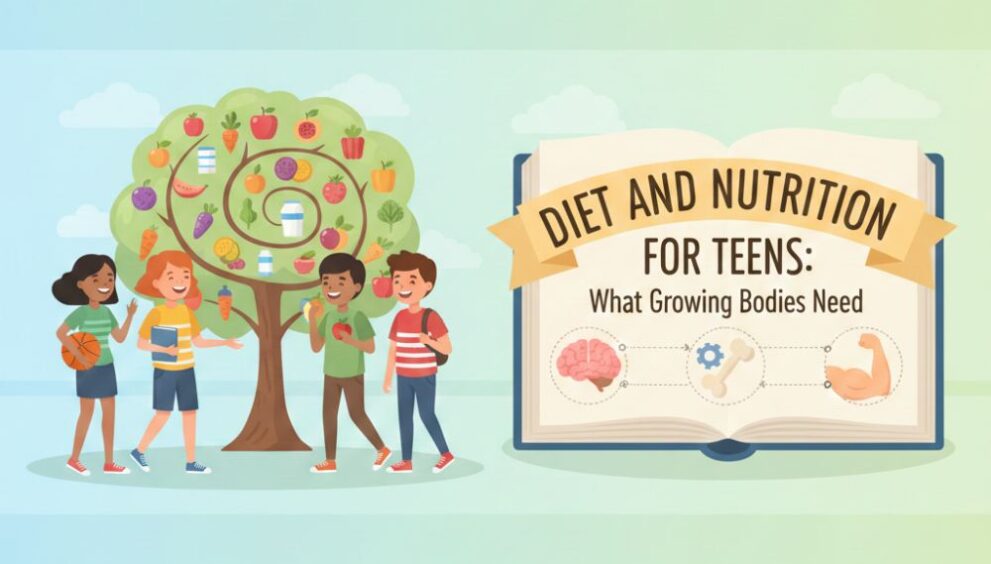
Diet and Nutrition for Teens: What Growing Bodies Need

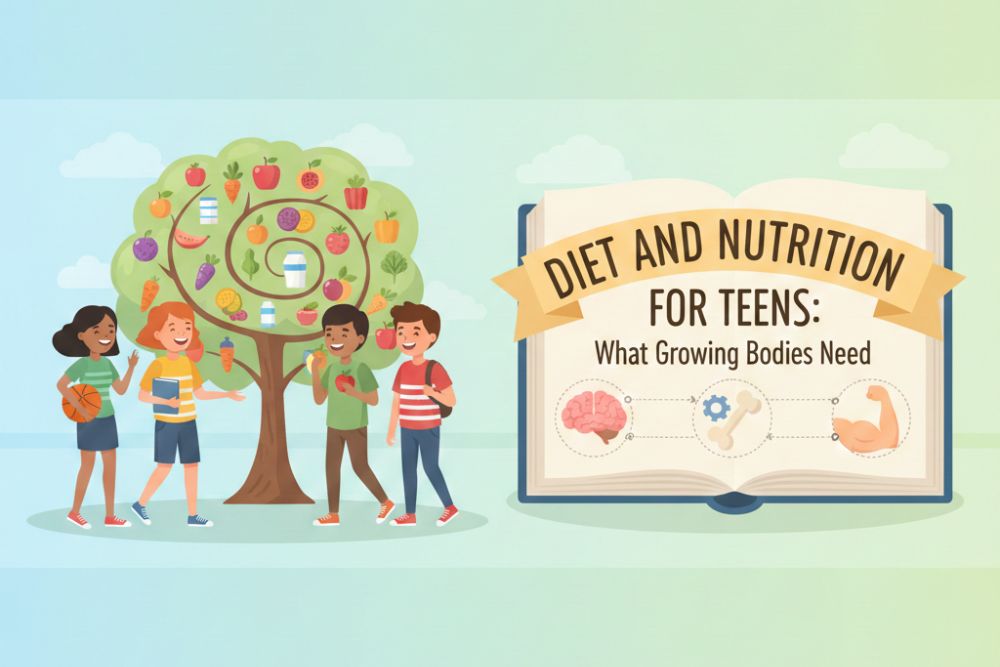
The teenage years are a period of rapid growth and development that places unique demands on the body. Between navigating school, sports, social activities, and increasing independence, teens face nutritional challenges that can significantly impact their current health and future wellbeing. Understanding what growing bodies need during adolescence is essential for establishing lifelong healthy eating habits.
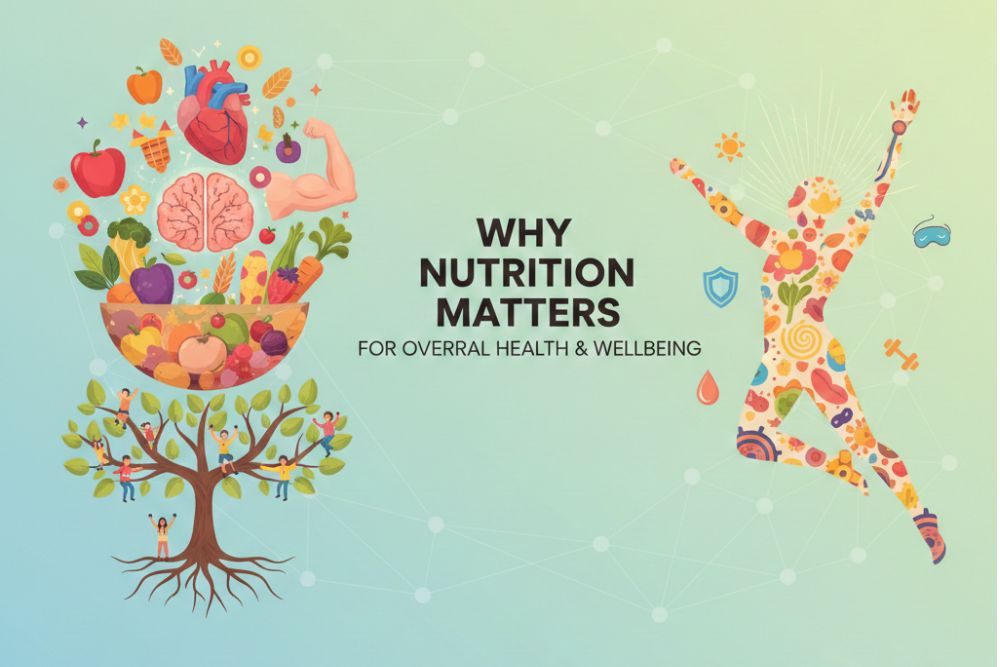
Why Teen Nutrition Matters
Adolescence brings dramatic physical changes. Teenagers experience growth spurts, hormonal shifts, increased muscle mass, and bone development that require specific nutritional support. During the teen years, up to 45 percent of adult bone mass is formed, making adequate calcium and vitamin D intake critical. Similarly, rapid growth increases the need for protein, iron, and other essential nutrients.
Poor nutrition during these formative years can lead to immediate consequences like fatigue, poor concentration, weakened immunity, and delayed growth. Long-term effects may include increased risk of osteoporosis, obesity, eating disorders, and chronic diseases later in life. Conversely, good nutrition supports academic performance, athletic ability, healthy skin, strong immunity, and emotional wellbeing.
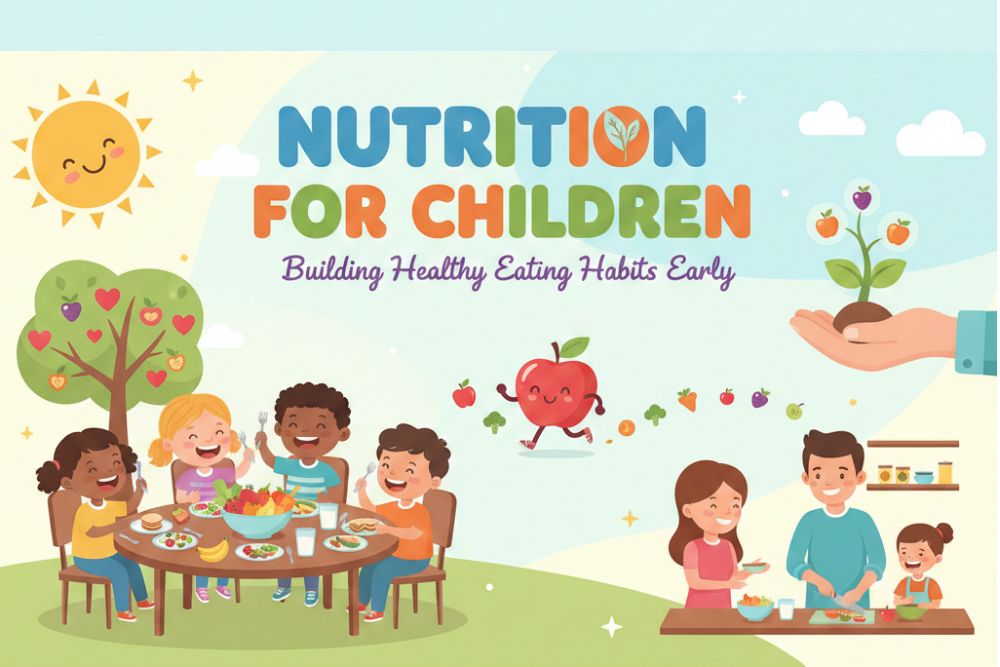
Beyond physical health, the teen years are when individuals begin making their own food choices. The habits formed now often persist into adulthood, making this a crucial window for nutrition education and building a positive relationship with food.
Essential Nutrients for Growing Teens
Protein for Growth and Development
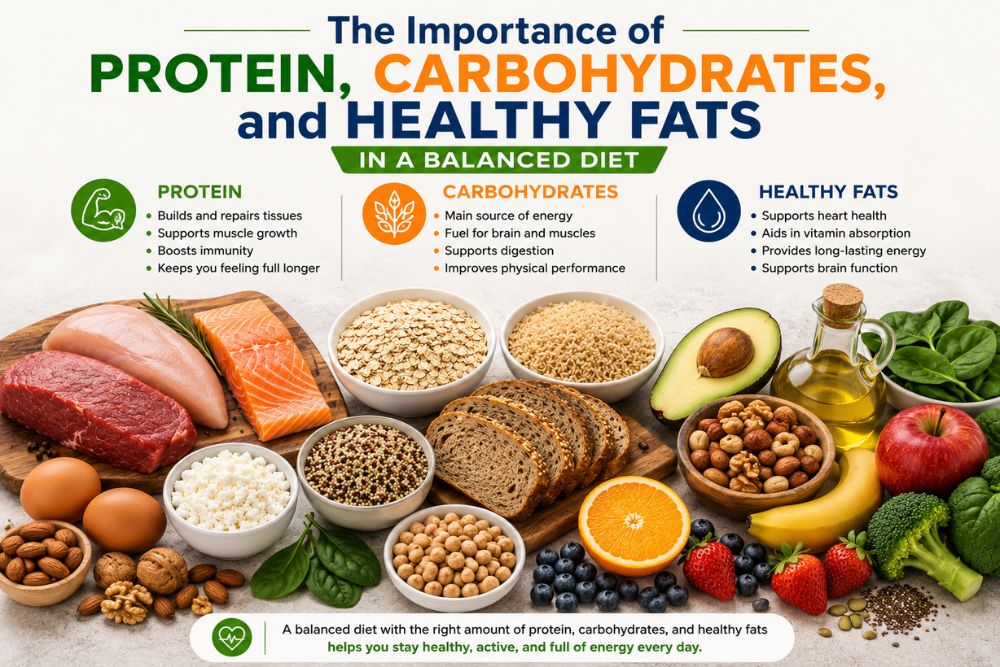
Protein is fundamental for building and repairing tissues during the rapid growth phases of adolescence. Teenage boys need approximately 52 grams of protein daily, while teenage girls need about 46 grams. These needs increase for teens who are very active or participate in sports.
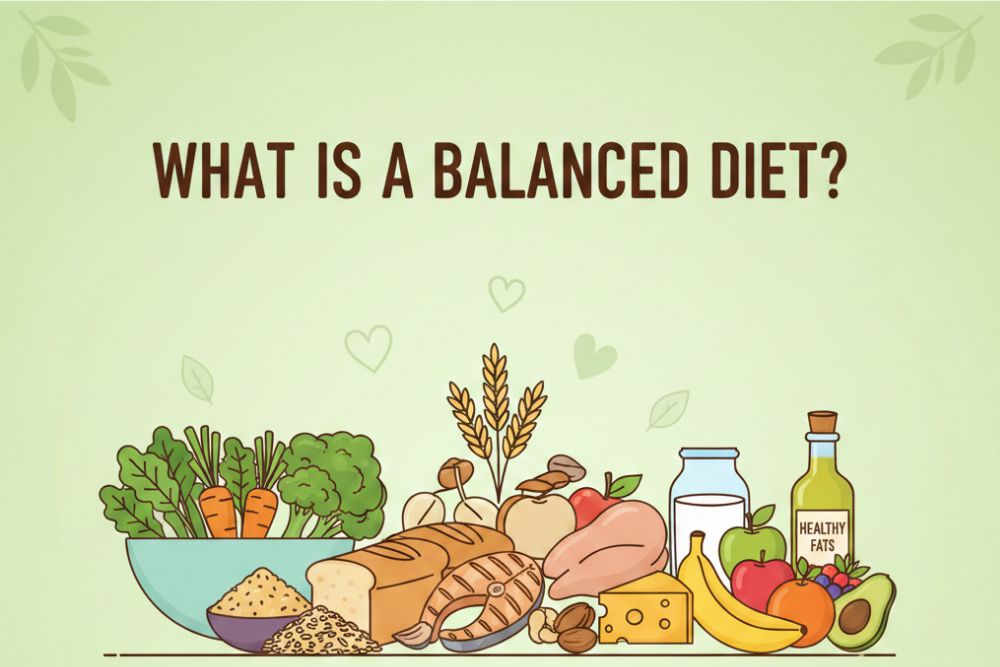
Quality protein sources include lean meats like chicken and turkey, fish and seafood, eggs, dairy products like milk and yogurt, legumes including beans and lentils, nuts and seeds, and soy products like tofu and tempeh. Spreading protein intake throughout the day supports consistent energy levels and muscle recovery.
Encourage variety in protein sources rather than relying on just one or two options. This ensures a broader range of amino acids and other nutrients. For vegetarian or vegan teens, combining different plant proteins throughout the day helps obtain all essential amino acids.
Calcium and Vitamin D for Strong Bones
The teen years represent the last major opportunity to build strong bones before peak bone mass is reached in early adulthood. Teens need 1,300 milligrams of calcium daily, significantly more than adults require.
Excellent calcium sources include milk, yogurt, and cheese, fortified plant-based milks, leafy greens like kale and collard greens, calcium-set tofu, sardines and canned salmon with bones, and fortified orange juice. For teens who don’t consume dairy, focusing on multiple fortified foods throughout the day helps meet calcium needs.
Vitamin D works alongside calcium to support bone health and calcium absorption. Many teens are deficient in vitamin D, particularly those with darker skin, limited sun exposure, or who live in northern climates. Sources include fatty fish like salmon and mackerel, fortified milk and plant milks, fortified cereals, and egg yolks. Many teens benefit from a vitamin D supplement, especially during winter months.
Iron for Energy and Development
Iron requirements increase dramatically during adolescence, particularly for girls who begin menstruating. Teenage boys need 11 milligrams of iron daily, while teenage girls need 15 milligrams due to monthly blood loss.
Iron deficiency is one of the most common nutritional deficiencies among teens and can cause fatigue, difficulty concentrating, weakened immunity, and poor athletic performance. Include iron-rich foods like lean red meat, poultry and pork, fish and shellfish, beans and lentils, iron-fortified cereals, and dark leafy greens.
Plant-based iron sources are less readily absorbed than animal sources. Enhance absorption by pairing iron-rich foods with vitamin C sources like citrus fruits, tomatoes, bell peppers, or strawberries. Avoid drinking tea or coffee with meals, as these can inhibit iron absorption.
Complex Carbohydrates for Sustained Energy
Despite popular diet trends that demonize carbohydrates, growing teens need carbs as their primary energy source. The key is choosing complex carbohydrates that provide sustained energy and essential nutrients rather than simple sugars that cause energy crashes.
Focus on whole grain bread and pasta, brown rice and quinoa, oats and whole grain cereals, sweet potatoes and other starchy vegetables, fruits like bananas and berries, and legumes. These foods provide not only energy but also fiber, B vitamins, and minerals that support metabolism and digestive health.
Active teens, especially student athletes, need adequate carbohydrates to fuel their activities and support recovery. Carbohydrate needs vary based on activity level, but most teens should aim for about half their daily calories from carbohydrate sources.
Healthy Fats for Brain Development
The adolescent brain continues developing well into the twenties, and healthy fats play a crucial role in this process. Omega-3 fatty acids are particularly important for cognitive function, mood regulation, and reducing inflammation.
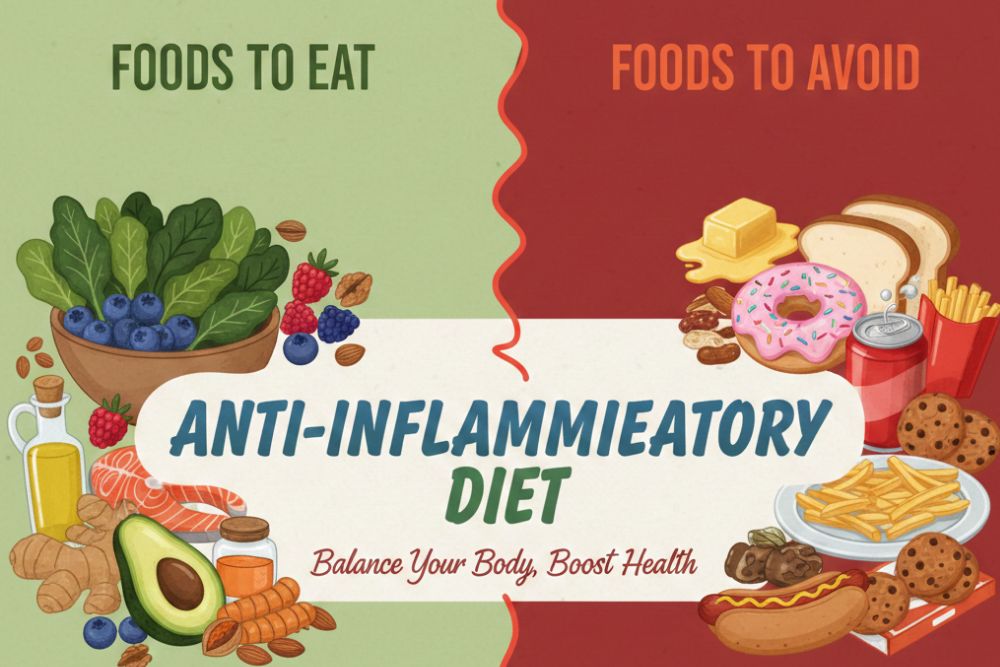
Include sources like fatty fish such as salmon, mackerel, and sardines, walnuts and flaxseeds, chia seeds and hemp hearts, avocados, olive oil and canola oil, and nut butters. Limit saturated fats from fried foods, processed snacks, and excessive red meat, while avoiding trans fats found in many packaged baked goods and fast foods.
Teens should understand that dietary fat doesn’t make you fat—excess calories from any source do. Healthy fats support hormone production, nutrient absorption, and satiety, helping teens feel satisfied after meals.
Practical Nutrition Tips for Teenagers
Don’t Skip Breakfast
Despite busy schedules and morning rushes, breakfast remains important for teen nutrition. Eating breakfast improves concentration, academic performance, and provides essential nutrients that might otherwise be missed. It also helps regulate appetite throughout the day, reducing the likelihood of overeating later.
Quick, nutritious breakfast options include Greek yogurt with granola and fruit, whole grain toast with peanut butter and banana, overnight oats prepared the night before, smoothies with fruit, yogurt, and greens, hard-boiled eggs with whole grain crackers, or whole grain cereal with milk and berries.
For teens who truly aren’t hungry in the morning, a smaller snack-like breakfast is better than nothing. They can save a more substantial meal for mid-morning when appetite increases.
Stay Hydrated Throughout the Day
Proper hydration supports physical performance, cognitive function, healthy skin, and digestion. Teens need about 8 to 11 cups of fluids daily, with needs increasing during hot weather or intense physical activity.
Water should be the primary beverage choice. Sports drinks are only necessary for intense exercise lasting longer than an hour. Limit sugary sodas, energy drinks, and sweetened coffee beverages that provide empty calories without nutritional value. Many teens consume excessive caffeine through energy drinks, which can interfere with sleep and cause jitteriness and anxiety.
Encourage carrying a reusable water bottle to school and activities as a reminder to drink regularly. If plain water seems boring, try infusing it with fruit, cucumber, or mint for natural flavor.
Balance Treats With Nutritious Choices
Restrictive dieting rarely works for teenagers and can contribute to unhealthy relationships with food or eating disorders. Instead, encourage a balanced approach where nutritious foods form the foundation of the diet, with room for occasional treats.
The 80/20 approach works well for many teens—focus on nutrient-dense whole foods about 80 percent of the time, while allowing flexibility for less nutritious favorites 20 percent of the time. This prevents feelings of deprivation while still prioritizing health.
Help teens understand that no single food will make or break their health. What matters is the overall pattern of eating over days and weeks, not perfection at every meal.
Plan for Healthy Snacking
Most teens need snacks between meals to meet their energy and nutrient needs. The key is choosing snacks that provide nutrition rather than just empty calories.
Keep nutritious options readily available like fresh fruit, cut vegetables with hummus, nuts and trail mix, cheese and whole grain crackers, yogurt, hard-boiled eggs, smoothies, or whole grain toast with avocado. When healthy options are convenient and visible, teens are more likely to choose them.
Prepare snacks in advance on weekends or evenings when time allows. Pre-portioned containers of nuts, cut vegetables, or fruit make grabbing healthy snacks as easy as reaching for chips.
Addressing Common Teen Nutrition Challenges
Managing Fast Food and Eating Out
Complete avoidance of fast food isn’t realistic for most teens. Instead, teach smarter choices when eating out. Look for grilled instead of fried options, choose water or milk over soda, add vegetables whenever possible through salads or vegetable sides, watch portion sizes by ordering smaller sizes or sharing large portions, and skip extras like mayo-based sauces, cheese, and bacon when possible.
Many fast food restaurants now offer healthier alternatives like salads, grilled chicken, fruit sides, and yogurt parfaits. Learning to navigate these menus prepares teens for making good choices independently.
Fueling Athletic Performance
Student athletes have increased nutritional needs based on their training volume and intensity. They require more calories, carbohydrates for energy, protein for muscle recovery, fluids for hydration, and electrolytes during prolonged activity.
Pre-workout meals should emphasize easily digestible carbohydrates eaten 2 to 3 hours before activity. Post-workout nutrition should include both carbohydrates to replenish energy stores and protein to support muscle recovery, ideally consumed within 30 to 60 minutes after exercise.
Sports nutrition doesn’t require expensive supplements or protein powders. Whole foods like chocolate milk, peanut butter sandwiches, fruit smoothies, or yogurt with granola effectively support athletic performance and recovery.
Dealing With Peer Pressure and Body Image
Social pressures around food and appearance intensify during adolescence. Teens may adopt restrictive diets, skip meals, or develop unhealthy eating patterns in response to peer influence or unrealistic body standards promoted through social media.
Encourage critical thinking about diet culture and help teens recognize that bodies naturally come in different shapes and sizes. Emphasize health and energy rather than appearance or weight. Focus conversations on how food makes them feel—their energy levels, athletic performance, concentration, and overall wellbeing—rather than how it affects their appearance.
Watch for warning signs of disordered eating including severe food restriction, excessive exercise, obsessive calorie counting, secretive eating, or significant weight changes. Early intervention is crucial if eating disorders develop.
Navigating Vegetarian or Vegan Diets
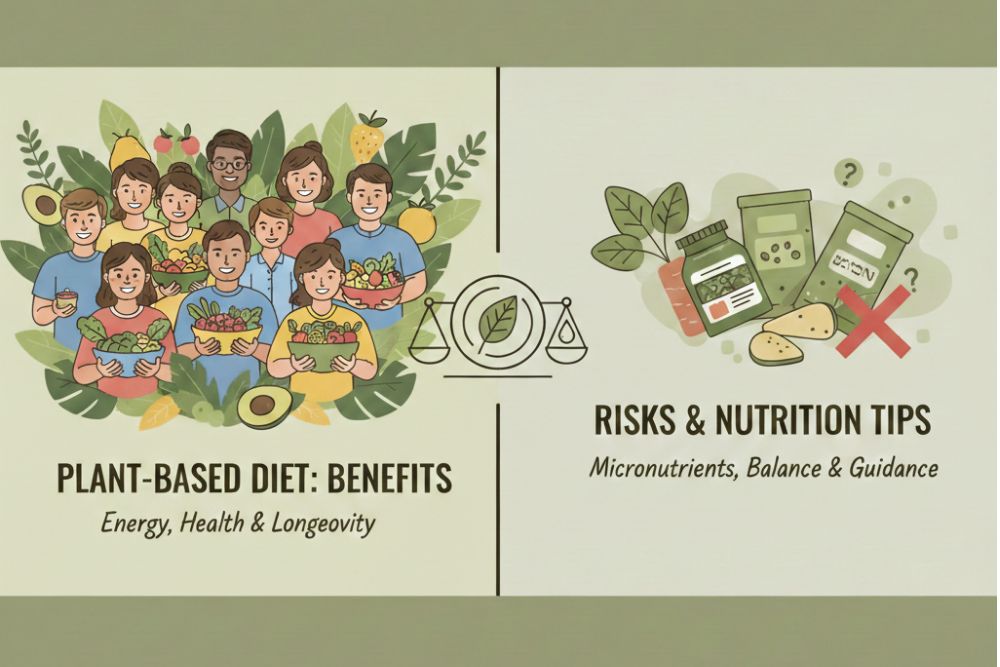
Many teens choose vegetarian or vegan diets for ethical, environmental, or health reasons. These diets can be nutritionally adequate with careful planning but require attention to specific nutrients.
Vegetarian and vegan teens need to ensure adequate intake of protein from varied plant sources, iron from fortified foods and legumes paired with vitamin C, vitamin B12 from fortified foods or supplements, calcium from fortified plant milks and leafy greens, omega-3 fatty acids from walnuts, flaxseeds, and chia seeds, and zinc from whole grains, nuts, and legumes.
A well-planned plant-based diet can meet all teen nutritional needs, but haphazard elimination of animal products without replacement can lead to deficiencies. Consider consulting a registered dietitian who can help create a balanced vegetarian or vegan eating plan.
Creating a Supportive Food Environment
Parents and caregivers play a crucial role in teen nutrition even as teenagers gain independence. Stock the kitchen with healthy options and keep nutritious foods visible and accessible. Model healthy eating habits rather than just talking about them, since teens learn more from actions than words.
Involve teens in meal planning, grocery shopping, and cooking to build skills they’ll use throughout life. Make family meals a priority when possible, as teens who regularly eat with family tend to have better nutritional intake and fewer eating problems.
Avoid food-related power struggles, restrictive rules, or using food as punishment or reward. These approaches often backfire and can create unhealthy relationships with eating. Instead, provide education, offer healthy choices, and trust teens to make increasingly independent decisions as they mature.
Moving Forward With Healthy Habits
Diet and nutrition for teens isn’t about perfection or following rigid rules. It’s about providing growing bodies with the fuel they need while developing sustainable habits and a positive relationship with food. The nutritional foundation built during these years influences health for decades to come.
By focusing on variety, balance, and adequacy rather than restriction or diet culture, teens can meet their unique nutritional needs while enjoying food and developing autonomy around eating. With support, education, and access to nutritious options, teenagers can establish patterns that serve them well into adulthood.
Remember that every teen is different, with individual nutritional needs based on growth patterns, activity levels, and health status. When concerns arise about nutrition, growth, or eating behaviors, consulting with a pediatrician or registered dietitian can provide personalized guidance for your teen’s specific situation.