






















Anti-Inflammatory Diet: Foods to Eat and Avoid

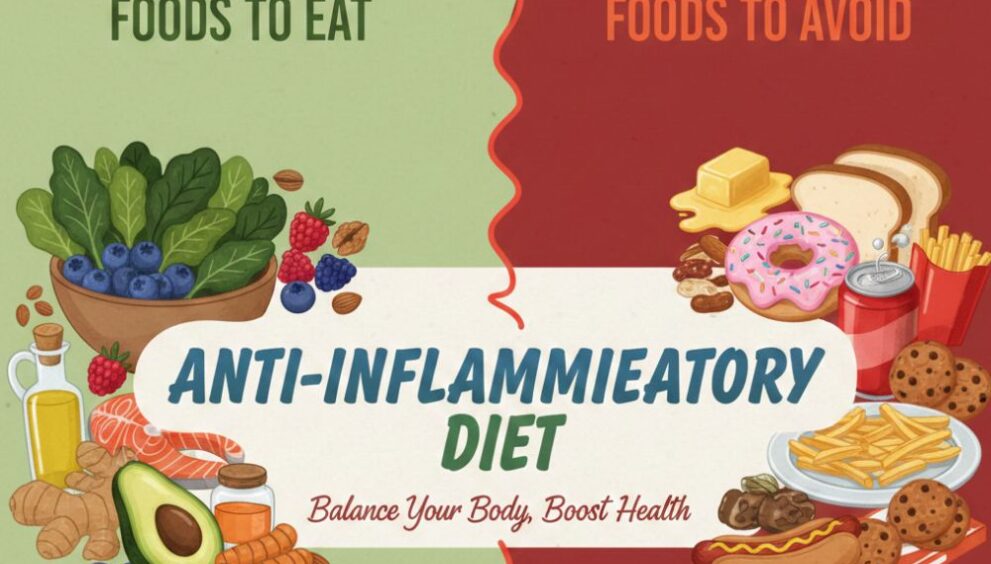
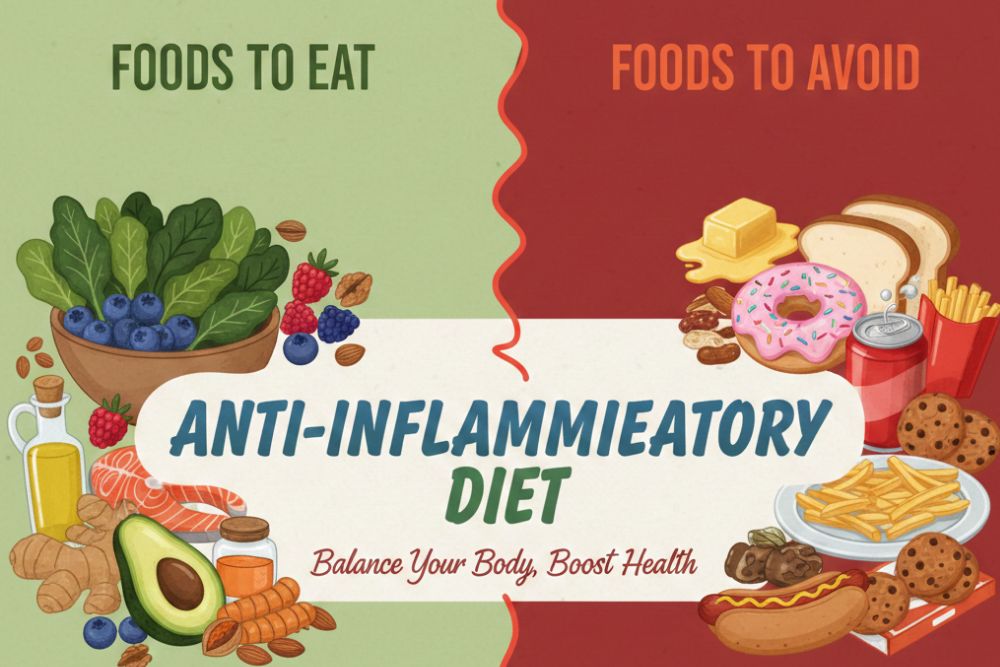
Chronic inflammation is linked to many health conditions, including heart disease, diabetes, arthritis, and autoimmune disorders. Fortunately, the right diet can help manage inflammation naturally. Understanding an anti-inflammatory diet and the foods to eat and avoid allows you to support healing, reduce pain, and improve overall wellbeing.
This guide explains how an anti-inflammatory diet works, which foods help fight inflammation, and which ones may worsen it.
What Is an Anti-Inflammatory Diet?
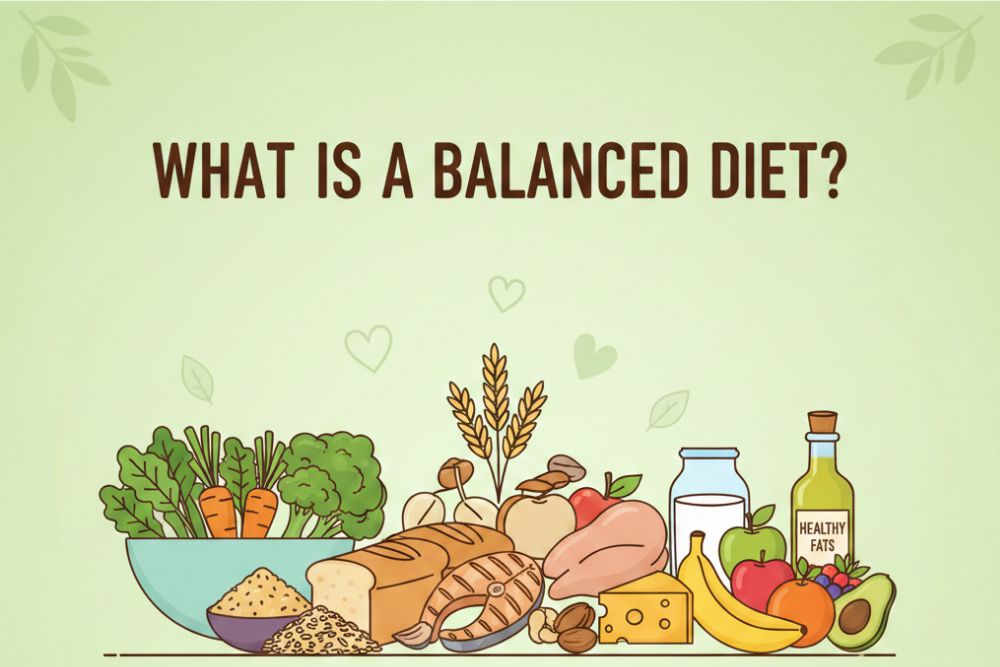
An anti-inflammatory diet focuses on whole, nutrient-rich foods that reduce inflammation in the body. At the same time, it limits foods known to trigger inflammatory responses.
Rather than being a strict diet, it is a long-term eating pattern that supports overall health and disease prevention.
Benefits of an Anti-Inflammatory Diet
First and foremost, reducing inflammation supports better overall health. Additionally, an anti-inflammatory diet may:
- Reduce joint pain and stiffness
- Improve digestion and gut health
- Support heart and brain health
- Improve energy levels
- Lower the risk of chronic diseases
As a result, many people experience both physical and mental improvements.
Foods to Eat on an Anti-Inflammatory Diet
-
Fruits and Vegetables
Colourful fruits and vegetables are rich in antioxidants and phytochemicals that fight inflammation.
Best choices include:
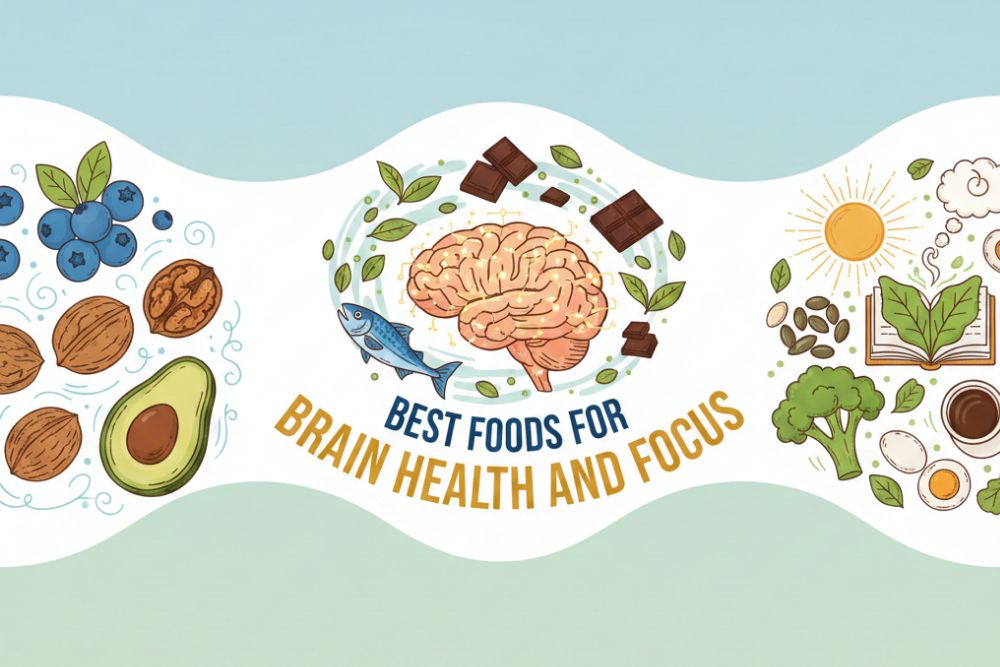
- Berries
- Leafy greens
- Tomatoes
- Broccoli
- Bell peppers
-
Healthy Fats
Healthy fats help reduce inflammatory markers and support heart health.
Include:
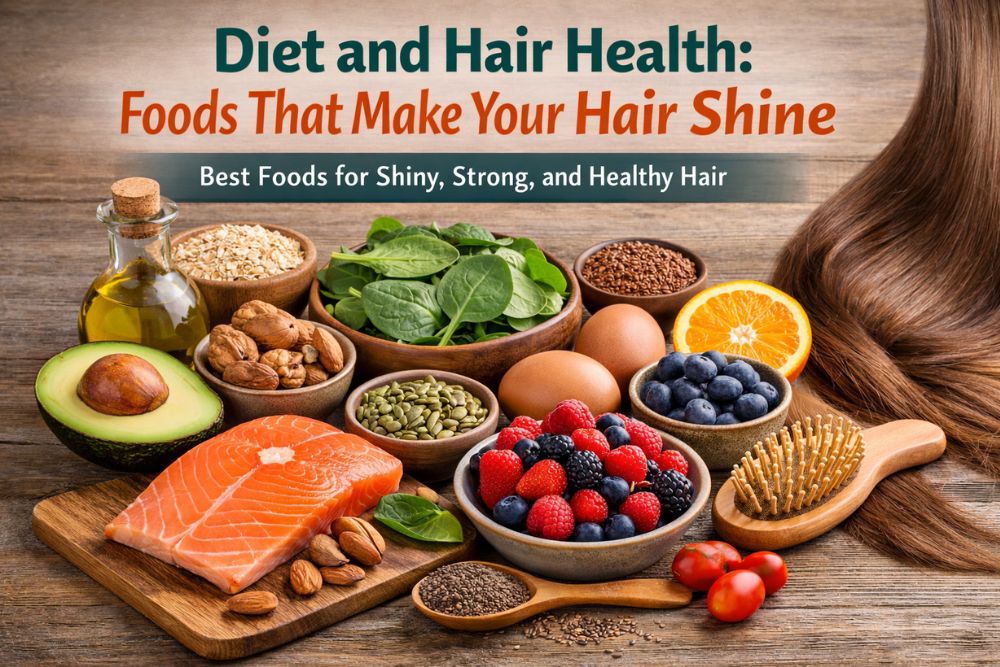
- Olive oil
- Avocados
- Nuts and seeds
- Fatty fish such as salmon and sardines
-
Whole Grains
Whole grains provide fibre that supports gut health and reduces inflammation.
Choose:
- Brown rice
- Oats
- Quinoa
- Whole wheat
-
Lean Protein Sources
Protein is essential for tissue repair and immune function.
Good options include:
- Fish
- Eggs
- Legumes and lentils
- Tofu and tempeh
-
Herbs, Spices, and Functional Foods
Certain spices have powerful anti-inflammatory properties.
Add:
- Turmeric
- Ginger
- Garlic
- Cinnamon
- Green tea
Foods to Avoid or Limit
-
Processed and Packaged Foods
Highly processed foods often contain unhealthy fats, preservatives, and additives that promote inflammation.
Examples include packaged snacks, instant foods, and processed meats.
-
Refined Sugar and Sweets
Excess sugar triggers inflammatory responses and disrupts blood sugar balance.
Limit sweets, sugary drinks, and desserts.
-
Refined Carbohydrates
White bread, white rice, and refined flour products lack fibre and can increase inflammation.
-
Unhealthy Fats
Trans fats and excessive saturated fats promote inflammation.
Avoid fried foods, margarine, and hydrogenated oils.
-
Excess Alcohol
While moderate alcohol may be acceptable for some, excessive intake increases inflammation and damages tissues.
How to Follow an Anti-Inflammatory Diet Daily
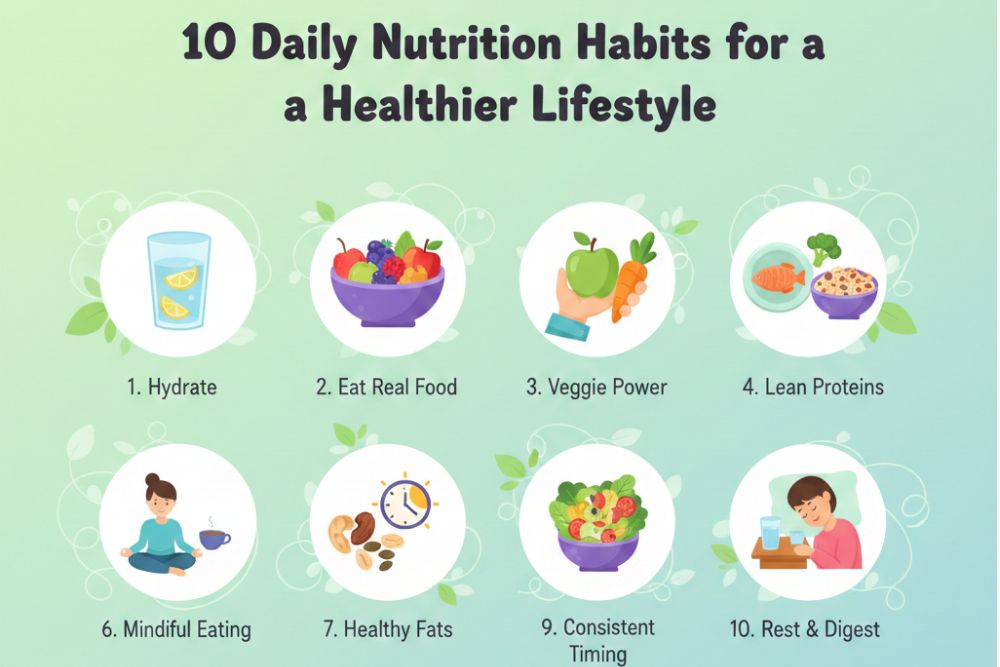
- Fill half your plate with vegetables
- Use olive oil instead of refined oils
- Include fatty fish twice a week
- Replace sugary snacks with fruits or nuts
- Stay hydrated and eat mindfully
Small changes, when practiced consistently, lead to significant results.
FAQs
Q1. What foods reduce inflammation naturally?
Fruits, vegetables, fatty fish, nuts, seeds, olive oil, and spices like turmeric help reduce inflammation naturally.
Q2. How long does an anti-inflammatory diet take to work?
Some people notice reduced symptoms within weeks, while long-term benefits develop with consistency.
Q3. Can an anti-inflammatory diet help with chronic pain?
Yes. By reducing inflammation, this diet may help manage joint pain, arthritis, and muscle stiffness.
In conclusion, following an anti-inflammatory diet with the right foods to eat and avoid is a powerful way to support long-term health. By choosing whole, nutrient-rich foods and limiting inflammatory triggers, you allow your body to heal naturally and function at its best.
Nutrition can be one of the most effective tools for reducing inflammation—one meal at a time.