















Breast Cancer Awareness: Early Detection and Prevention

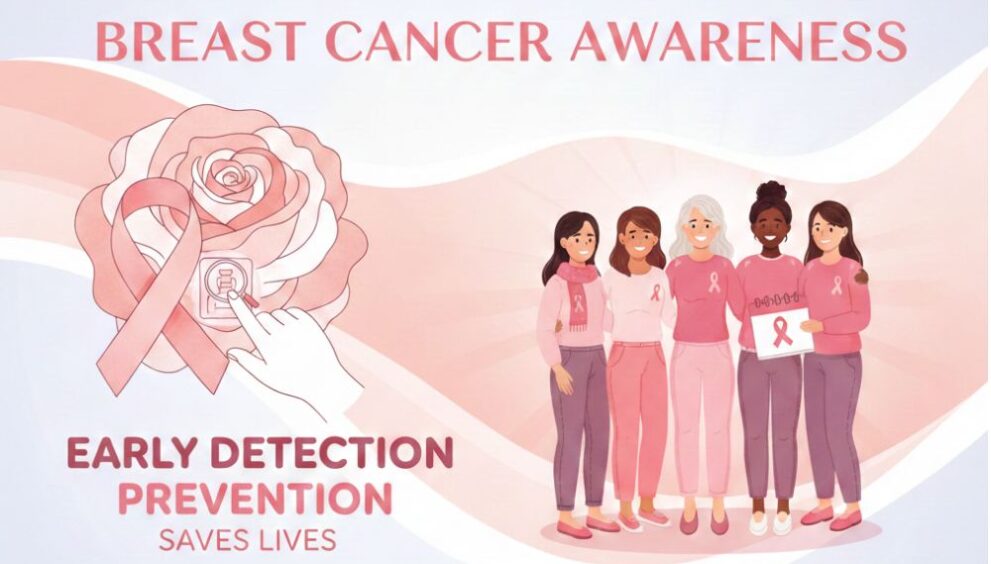
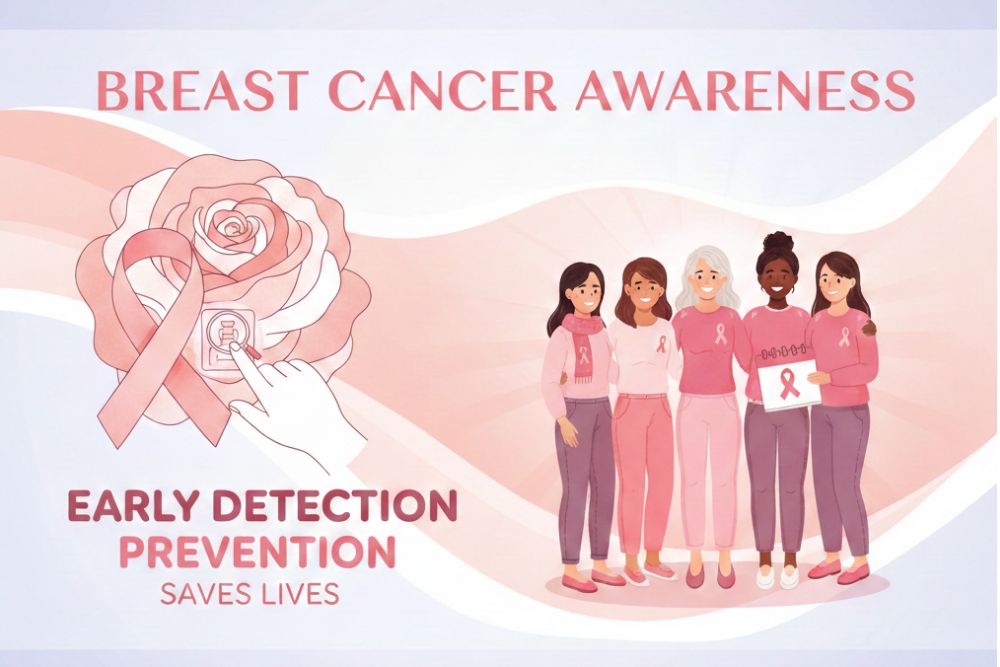
Breast cancer is one of the most common cancers among women worldwide. Awareness, early detection, and preventive measures can dramatically improve survival rates. Understanding breast cancer awareness, early detection, and prevention empowers women to take proactive steps toward their health.
This guide covers risk factors, warning signs, screening methods, and lifestyle strategies to reduce breast cancer risk.
Why Breast Cancer Awareness Matters
Awareness is the first line of defense. Educating women about symptoms, risk factors, and screening options can lead to earlier diagnosis, better treatment outcomes, and higher survival rates.
Key statistics:
- Breast cancer accounts for a significant portion of cancer cases in women globally.
- Early detection improves 5-year survival rates dramatically.
Risk Factors for Breast Cancer
Understanding risk factors helps women take preventive action:
- Age: Risk increases after 40.
- Family History: First-degree relatives with breast cancer raise risk.
- Genetic Mutations: BRCA1 and BRCA2 gene mutations.
- Hormonal Factors: Early menstruation, late menopause, or hormone therapy.
- Lifestyle Factors: Sedentary lifestyle, obesity, alcohol consumption, and poor diet.
Early Signs and Symptoms
Recognising warning signs allows for early intervention:
- Lump or thickening in the breast or underarm
- Change in breast size or shape
- Skin dimpling or redness
- Nipple discharge or inversion
- Persistent pain in the breast
If any signs are detected, consult a healthcare professional immediately.
Methods for Early Detection
1. Self-Breast Examination
Monthly self-checks help women become familiar with their breast tissue and identify changes early.
Tip: Perform self-exams a few days after your period ends, when breasts are less tender.
2. Clinical Breast Examination
Regular examinations by healthcare professionals detect abnormalities that may be missed during self-checks.
3. Mammography
Recommended annually or biennially for women aged 40 and above, mammograms can detect cancer before symptoms appear.
Tip: Follow your doctor’s recommendations for frequency based on personal risk.
4. Genetic Testing
For women with a strong family history, genetic tests (e.g., BRCA testing) help assess inherited risk.
Preventive Measures
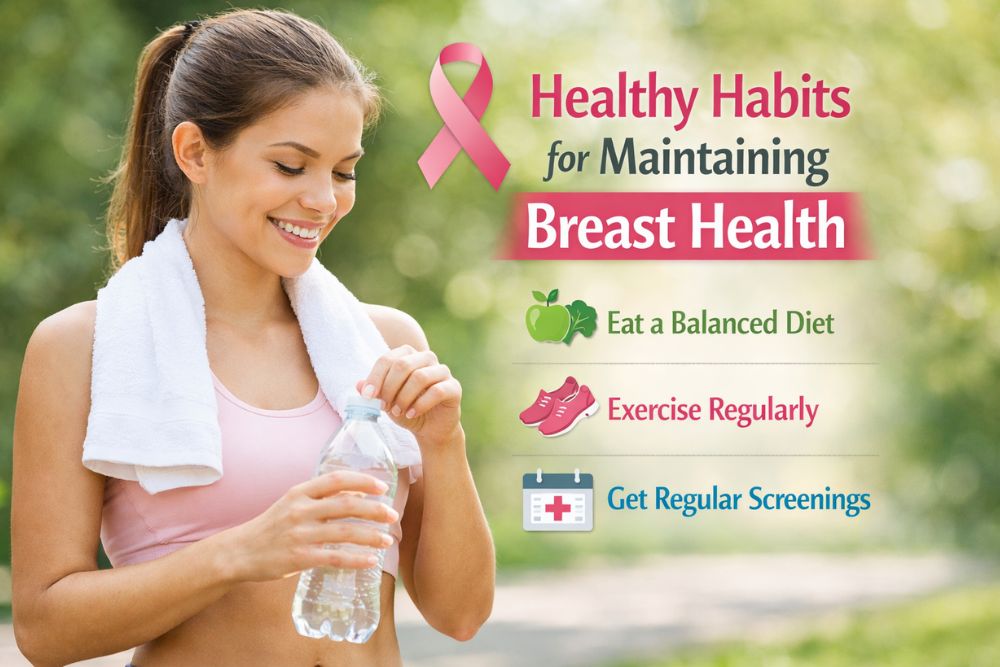
1. Maintain a Healthy Weight
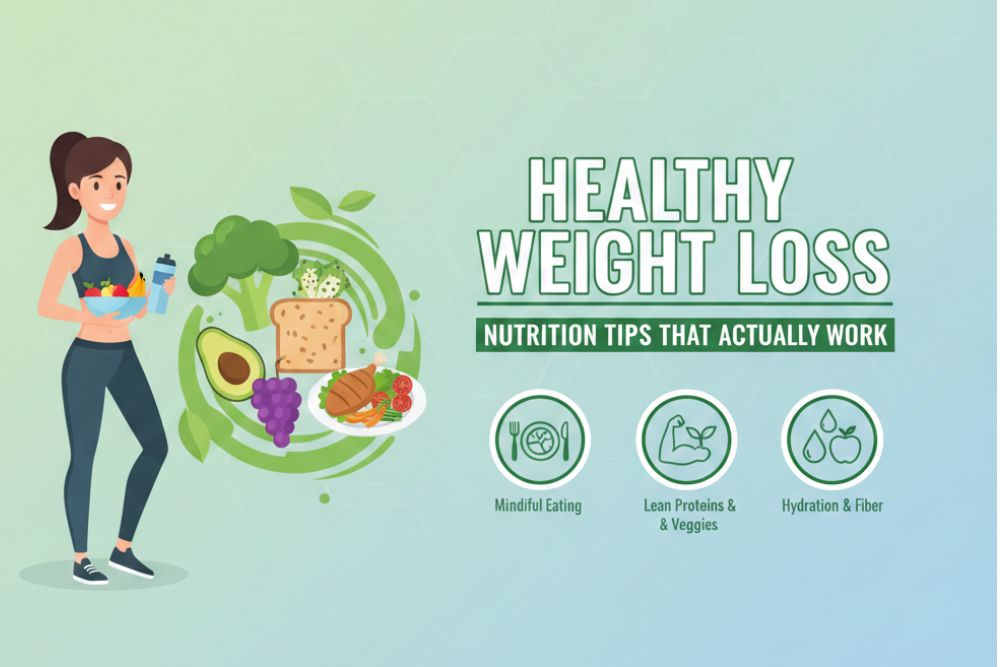
Excess body fat can increase estrogen levels, raising breast cancer risk.
2. Exercise Regularly
Moderate to vigorous exercise for at least 150 minutes per week reduces risk and improves overall health.
3. Balanced Diet
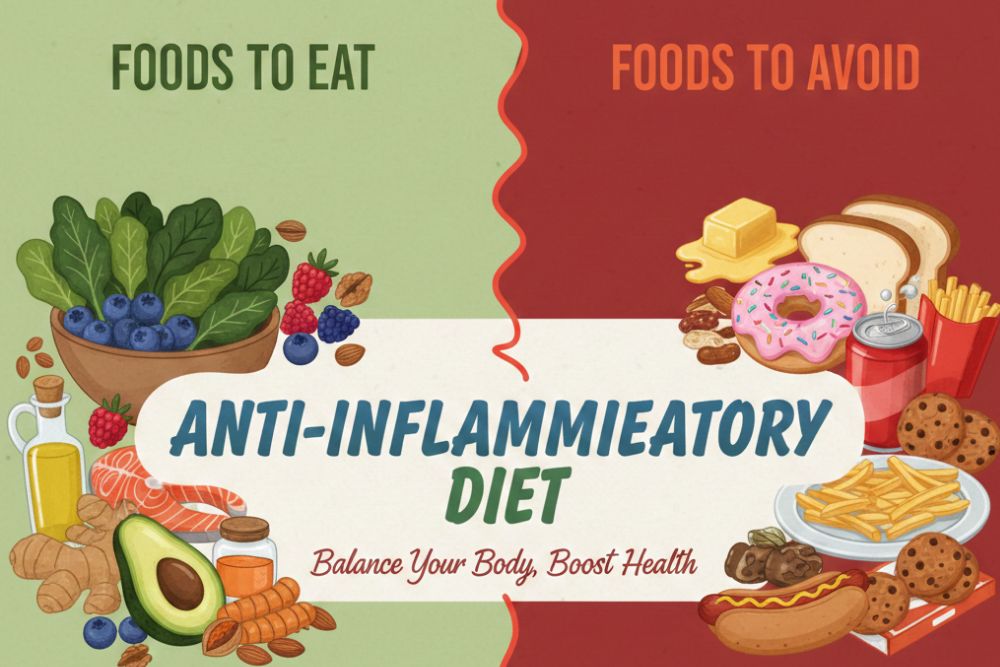
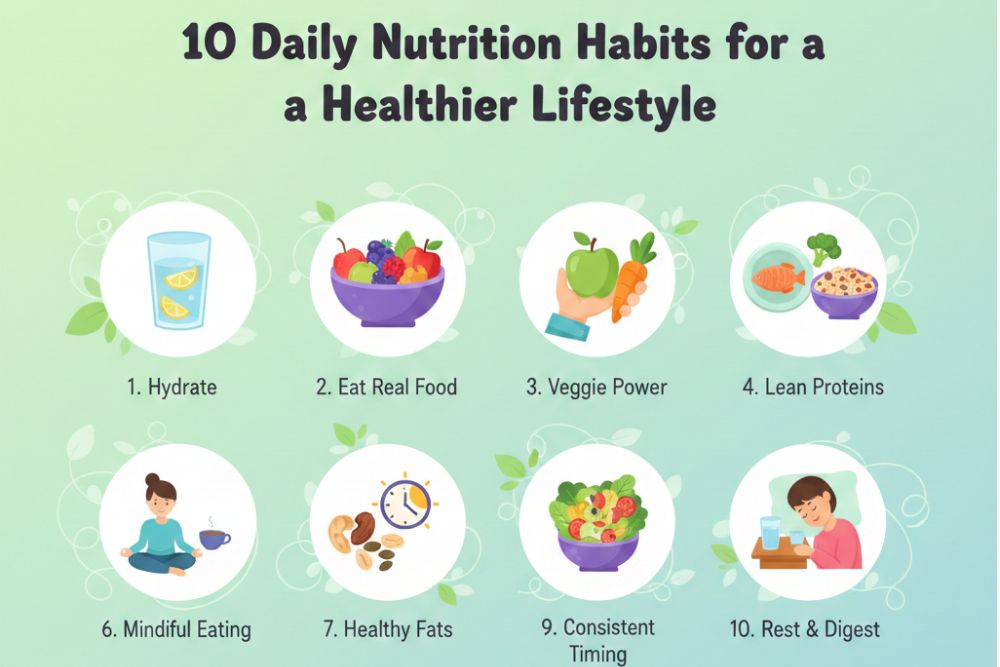
Include fruits, vegetables, whole grains, lean proteins, and limit processed foods and alcohol.
4. Limit Alcohol and Avoid Smoking
Both are linked to higher breast cancer risk.
5. Breastfeeding
Breastfeeding may offer protective effects against breast cancer.
6. Hormonal Management
Discuss hormone replacement therapy with your doctor, as prolonged use can increase risk.
FAQs
Q1. What is the best way to detect breast cancer early?
Self-exams, clinical exams, mammograms, and genetic testing (if at high risk) are key for early detection.
Q2. Who should get screened for breast cancer?
Women aged 40+ should have regular mammograms; younger women with high-risk factors should consult their doctor.
Q3. Can lifestyle changes prevent breast cancer?
Yes, a healthy diet, regular exercise, maintaining a healthy weight, limiting alcohol, and avoiding smoking reduce risk.
Breast cancer awareness, early detection, and prevention are essential steps in protecting women’s health. By practising regular self-exams, attending screenings, and adopting a healthy lifestyle, women can detect breast cancer early and reduce their risk.
Awareness is power—early action saves lives.