








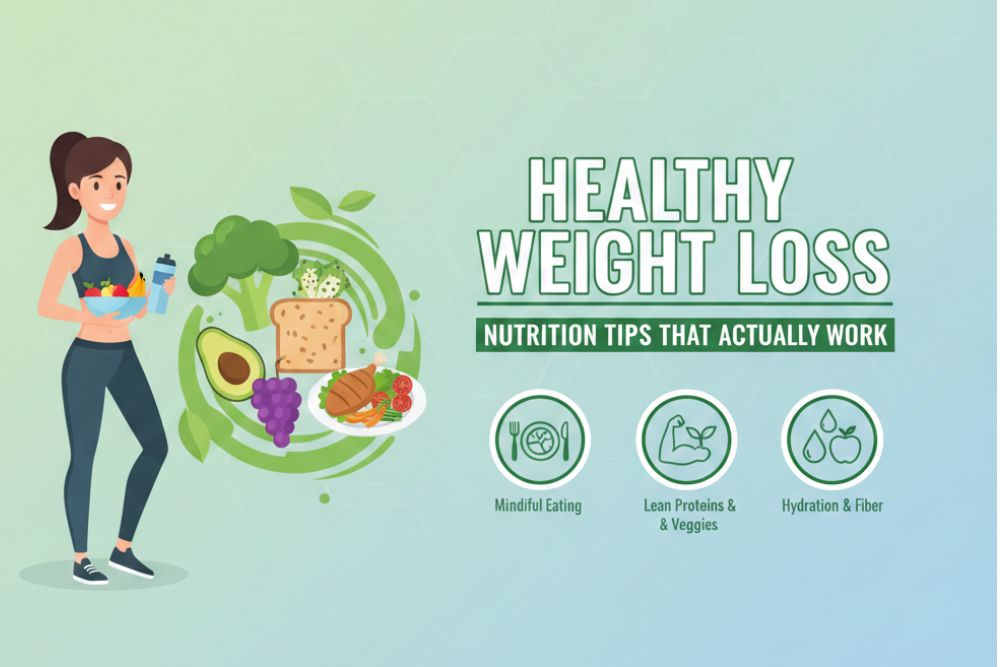
Healthy Weight Loss: Nutrition Tips That Actually Work

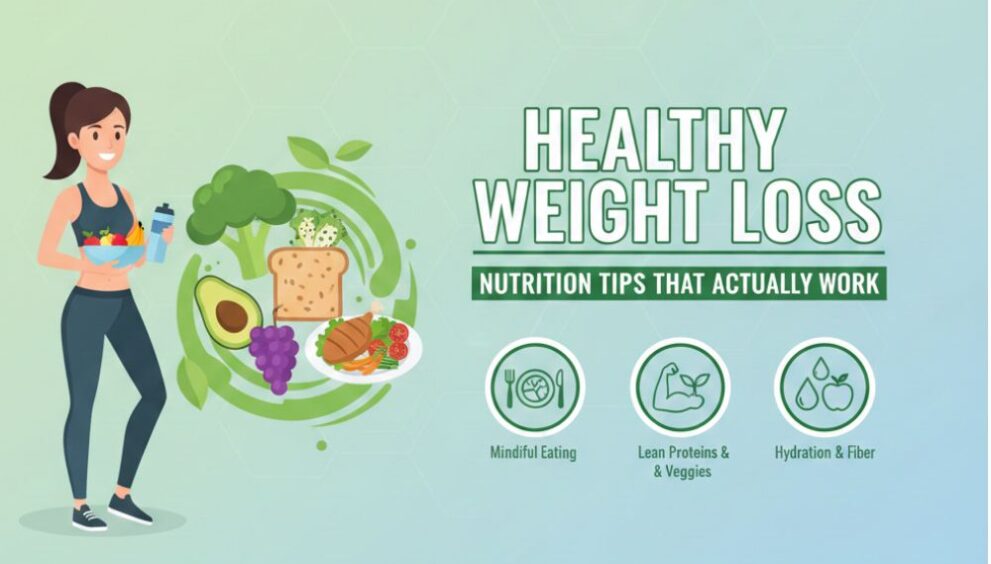
Losing weight does not have to involve extreme diets or food restrictions. In fact, sustainable weight loss is achieved through smart, consistent nutrition choices. By following healthy weight loss nutrition tips, you can reduce body fat, improve energy levels, and maintain long-term wellbeing.
In this guide, we share practical, science-backed nutrition strategies that truly work.
Why Nutrition Matters for Healthy Weight Loss
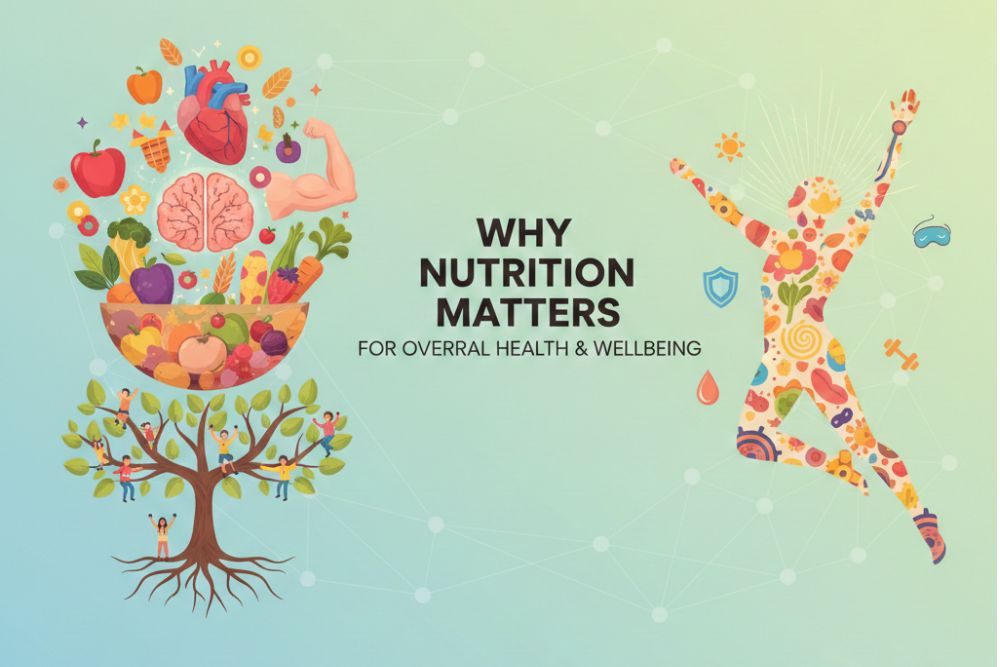
First and foremost, weight loss depends on how the body uses energy. While exercise plays an important role, nutrition has the greatest impact on fat loss and metabolic health.
Moreover, the right nutrition approach helps:
- Control hunger and cravings
- Preserve muscle mass
- Maintain a healthy metabolism
- Prevent weight regain
Therefore, focusing on nutrition—not restriction—is the key to lasting results.
Nutrition Tips That Actually Work for Healthy Weight Loss
-
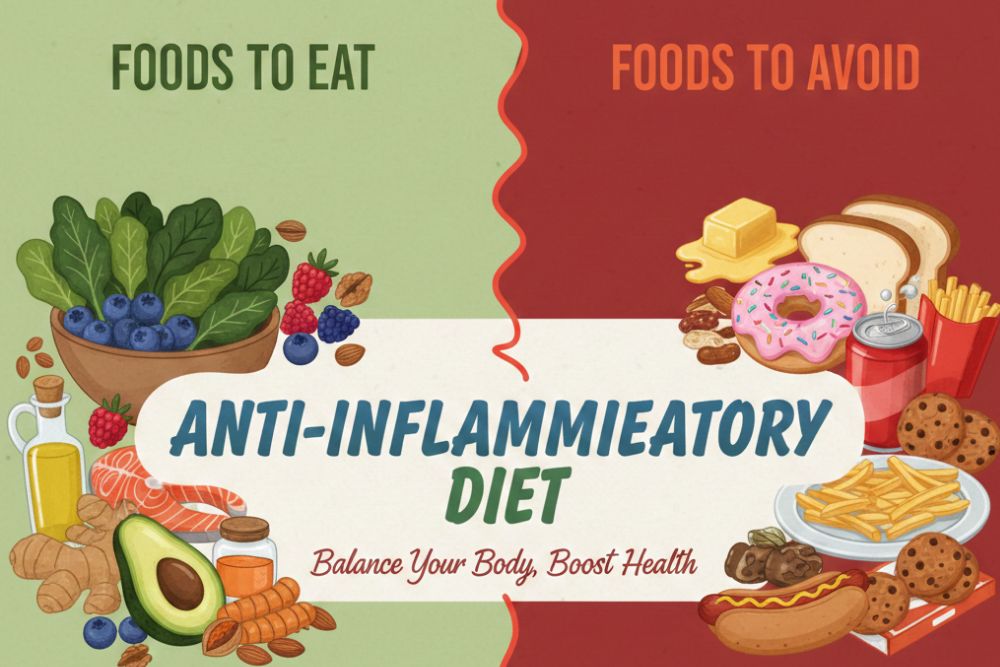
Focus on Whole, Nutrient-Dense Foods
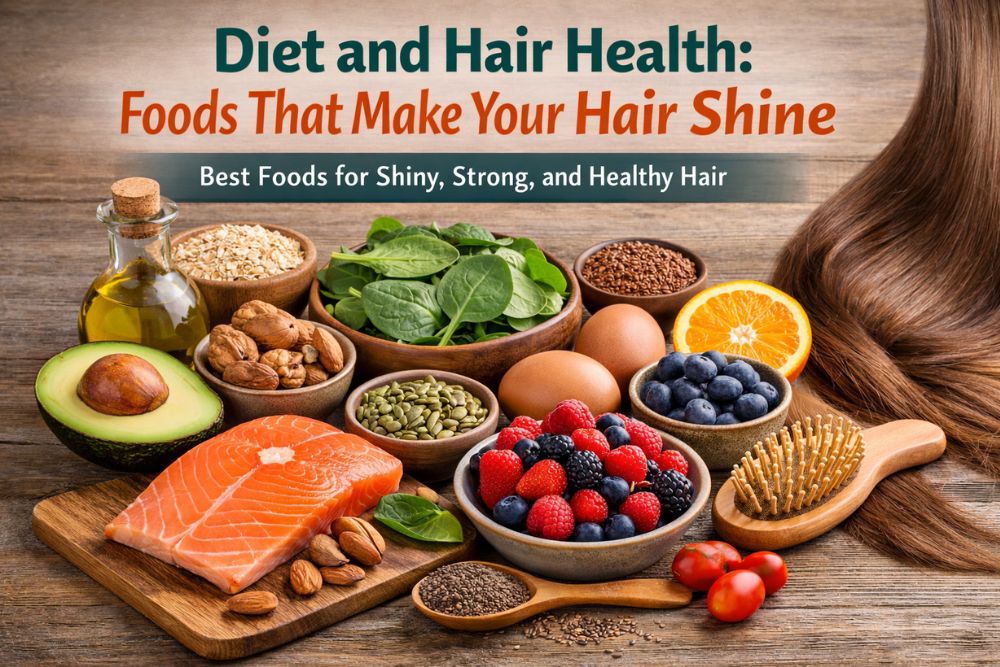
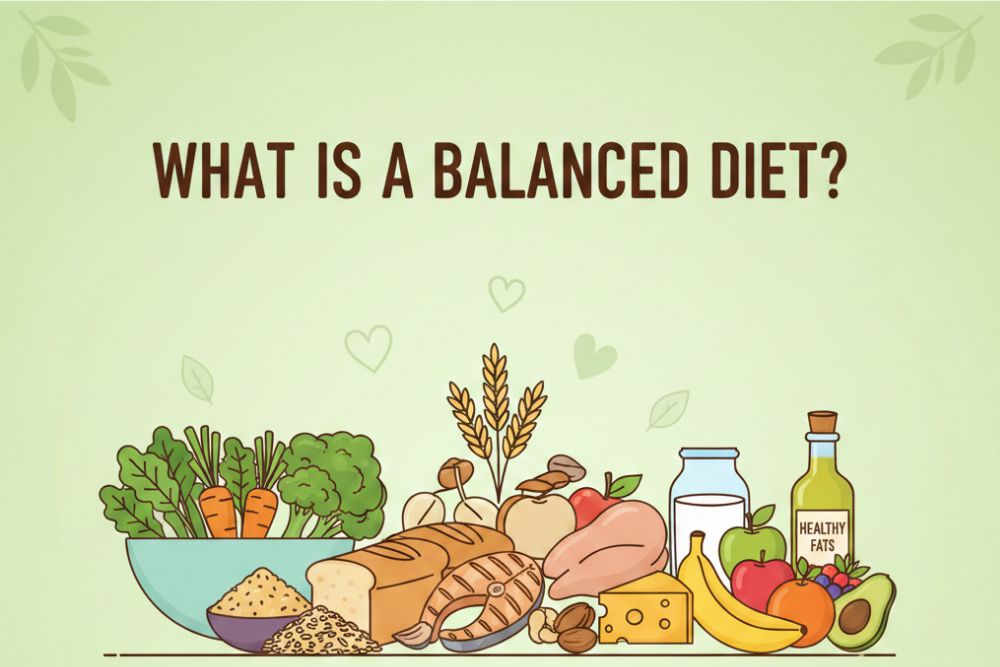
To begin with, prioritise whole foods such as vegetables, fruits, whole grains, lean proteins, and healthy fats. These foods are rich in nutrients and fibre while being lower in empty calories.
As a result, you feel fuller for longer and naturally eat less.
-
Eat Enough Protein at Every Meal
Protein is essential for muscle maintenance and appetite control. Additionally, it increases satiety and reduces cravings.
Good protein sources include:
- Eggs
- Lentils and beans
- Greek yogurt
- Lean meats and fish
Consequently, including protein at every meal supports steady and healthy weight loss.
-
Control Portions Without Starving
Rather than skipping meals, practice portion awareness. Eating slowly and listening to hunger cues helps prevent overeating.
Therefore, use smaller plates and stop eating when you feel comfortably full—not stuffed.
-
Reduce Added Sugar and Refined Carbohydrates
Although sugar and refined carbs provide quick energy, they often lead to blood sugar spikes and crashes.
Instead, choose complex carbohydrates such as whole grains, vegetables, and legumes. Over time, this helps stabilise energy levels and supports fat loss.
-
Choose Healthy Fats in Moderation
Healthy fats play an important role in hormone balance and satiety. However, portion control is essential because fats are calorie-dense.
Opt for:
- Nuts and seeds
- Avocados
- Olive oil
- Fatty fish
When consumed mindfully, healthy fats enhance weight loss rather than hinder it.
-
Stay Hydrated Throughout the Day
Hydration is often overlooked in weight loss. Drinking enough water supports digestion and helps reduce unnecessary snacking.
As a result, hunger signals become more accurate, making portion control easier.
-
Avoid Skipping Meals
Skipping meals may slow metabolism and increase cravings later in the day.
Instead, aim for regular, balanced meals to maintain steady energy and prevent overeating.
\8. Practice Mindful Eating
Mindful eating encourages awareness of food choices and portion sizes. Eating without distractions improves digestion and satisfaction.
Therefore, slow down, chew properly, and enjoy your meals.
-
Plan Meals and Snacks Ahead
Meal planning reduces impulsive food choices and reliance on unhealthy options.
Consequently, having nutritious meals and snacks ready supports consistency and long-term success.
-
Focus on Consistency, Not Perfection
Finally, remember that healthy weight loss is a gradual process. Occasional indulgences are normal and do not derail progress.
Most importantly, consistency over time leads to sustainable and lasting results.
Common Myths About Weight Loss Nutrition
- Myth: Skipping meals speeds up weight loss
Fact: It often leads to overeating later - Myth: Carbohydrates must be eliminated
Fact: Quality and portion size matter more - Myth: Rapid weight loss is sustainable
Fact: Slow, steady loss is healthier and more effective
FAQs
Q1. What is the best nutrition approach for healthy weight loss?
A balanced diet with whole foods, adequate protein, portion control, and reduced sugar supports healthy weight loss.
Q2. How fast should healthy weight loss be?
A slow and steady loss of 0.5–1 kg per week is generally considered safe and sustainable.
Q3. Can nutrition alone help with weight loss?
Yes. While exercise supports results, nutrition plays the primary role in weight management.
In conclusion, healthy weight loss nutrition tips focus on nourishment rather than restriction. By choosing whole foods, managing portions, and building consistent habits, you can achieve weight loss that truly lasts.
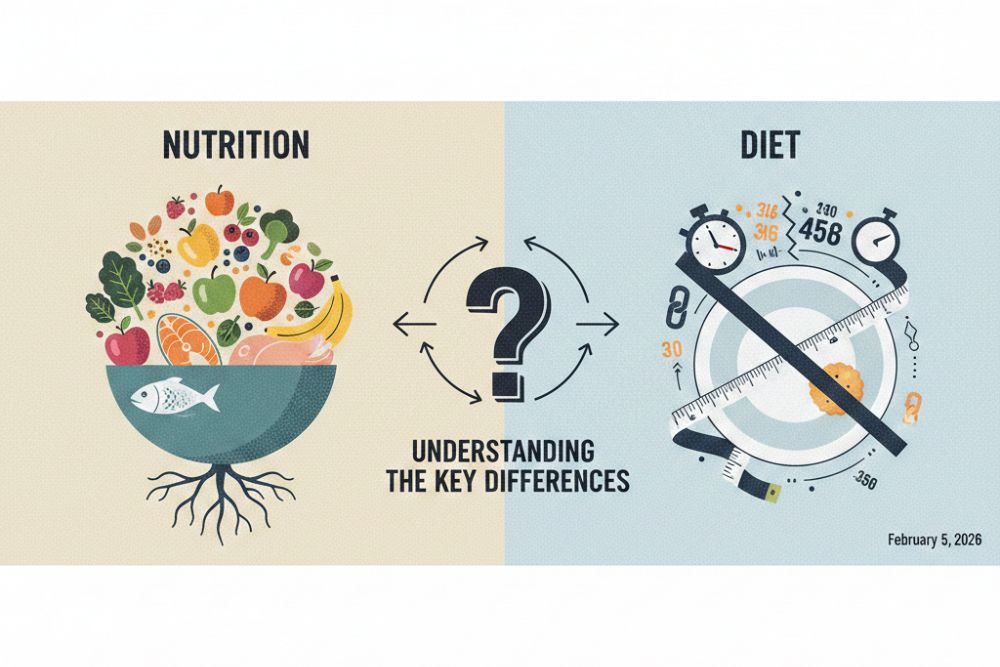
Healthy weight loss is not about dieting—it is about living better every day.