


























Managing Chronic Diseases in Senior Citizens: A Complete Guide


As people age, the risk of developing long-term health conditions increases. Chronic diseases such as diabetes, hypertension, arthritis, and heart disease are common among senior citizens and require continuous care and management.
Proper management not only improves quality of life but also helps prevent complications and hospitalizations. This guide covers everything you need to know about managing chronic diseases effectively in elderly individuals.
Common Chronic Diseases in Seniors
Senior citizens often face multiple health conditions at once. Some of the most common include:
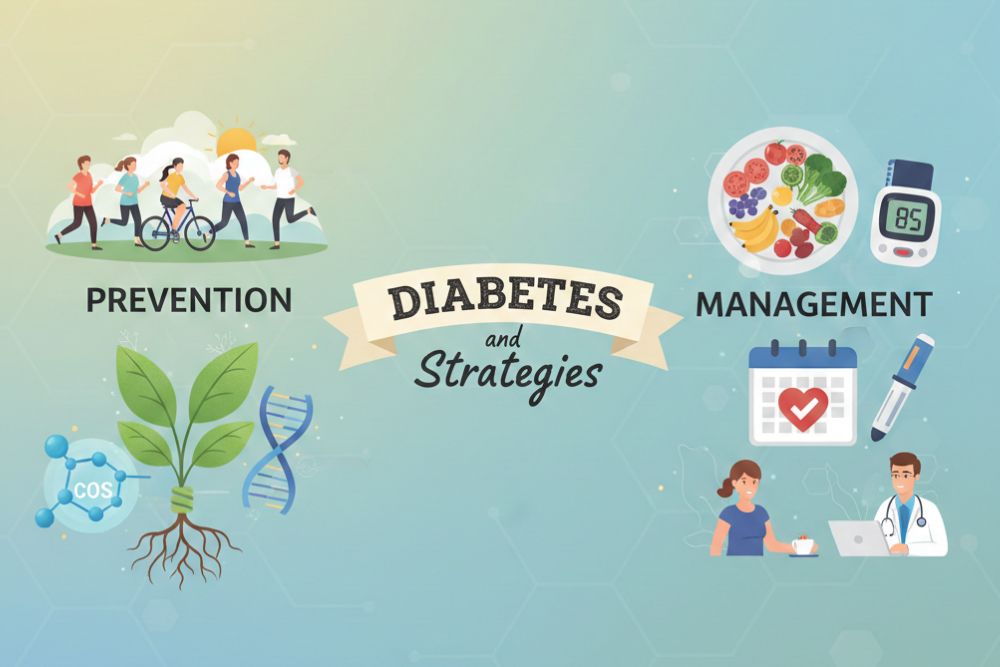
- Diabetes – Affects blood sugar levels and requires strict diet and medication control
- Hypertension (High Blood Pressure) – Increases risk of heart disease and stroke
- Arthritis – Causes joint pain and mobility issues
- Heart Disease – Includes conditions affecting heart function and circulation
- Chronic Respiratory Diseases – Such as asthma or COPD
Early diagnosis and regular monitoring are key to managing these conditions.
Importance of Regular Health Checkups
Routine health checkups help in early detection and tracking of chronic diseases. Seniors should:
- Monitor blood pressure and blood sugar levels regularly
- Schedule periodic doctor visits
- Follow recommended screening tests
Consistent checkups help in adjusting treatments and preventing complications.
Healthy Diet for Chronic Disease Management
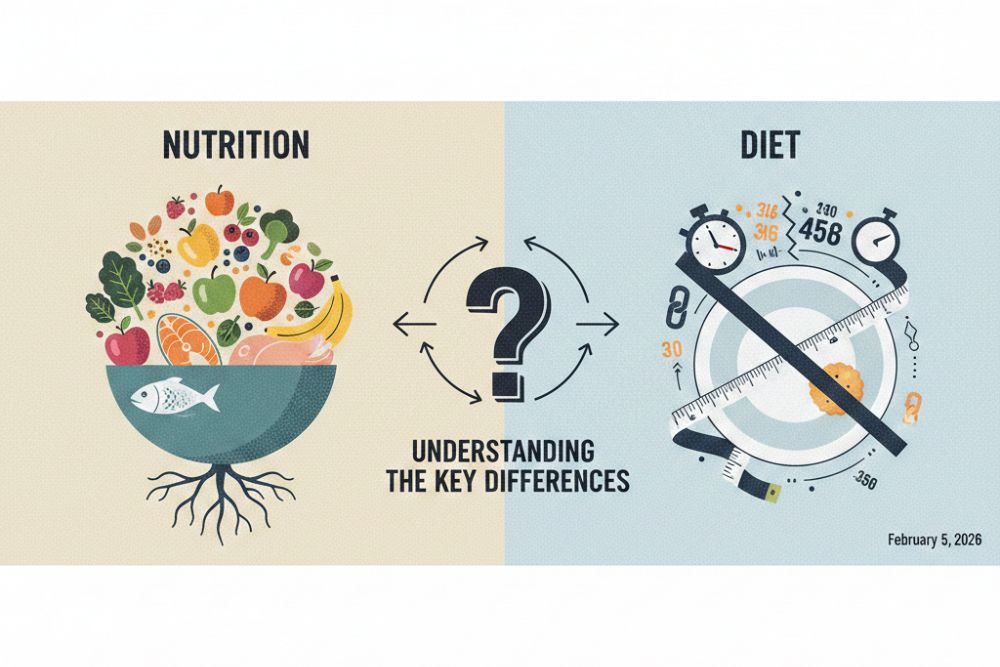
A balanced diet plays a major role in managing chronic illnesses. Key dietary tips include:
- Eat more fruits, vegetables, and whole grains
- Reduce salt, sugar, and unhealthy fats
- Stay hydrated throughout the day
- Follow doctor-recommended diet plans
Proper nutrition helps control symptoms and boosts overall health.
Medication Management
Managing multiple medications can be challenging for seniors. To ensure safety:
- Take medicines exactly as prescribed
- Use pill organizers or reminders
- Avoid self-medication
- Consult a doctor before changing doses
Proper medication management prevents side effects and complications.
Physical Activity and Exercise
Regular physical activity improves strength, flexibility, and overall well-being. Seniors can:
- Practice light exercises like walking or stretching
- Engage in yoga or low-impact workouts
- Stay active based on their health condition
Exercise helps manage weight, reduce stress, and improve mobility.
Mental Health and Emotional Well-being
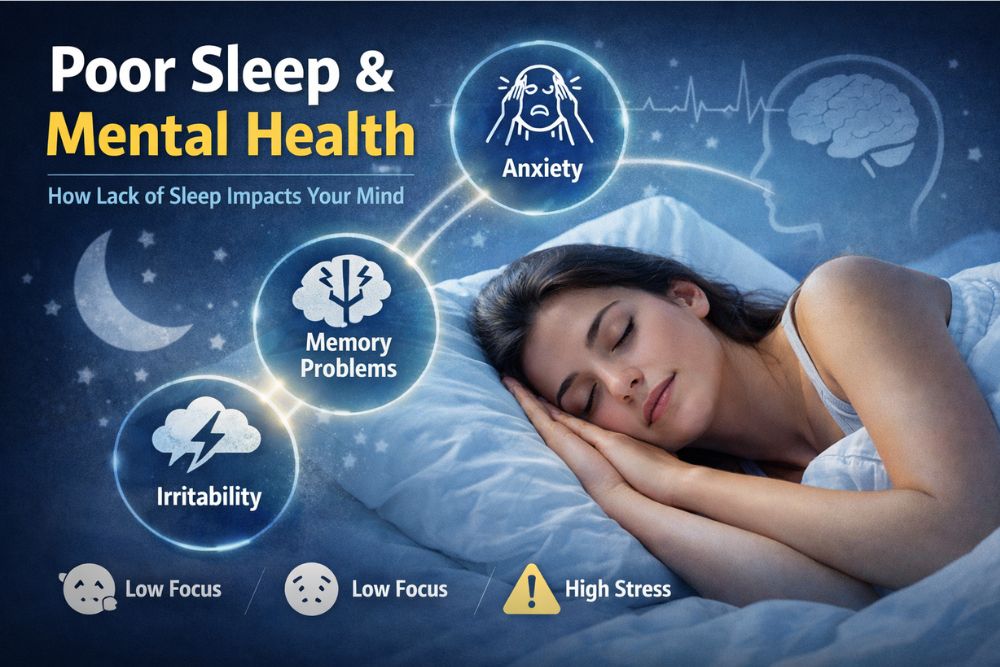
Chronic diseases can affect mental health. Seniors should:
- Stay socially connected with family and friends
- Engage in hobbies and activities
- Practice relaxation techniques like meditation
Good mental health is essential for overall wellness.
Role of Caregivers and Family Support
Family members and caregivers play a crucial role in managing chronic conditions. They can:
- Help with medication schedules
- Assist in daily activities
- Provide emotional support
- Ensure regular medical visits
Strong support systems improve health outcomes and quality of life.
Preventing Complications
Proper care can reduce the risk of complications. Important steps include:
- Following a healthy lifestyle
- Monitoring symptoms regularly
- Seeking medical help when needed
- Managing stress effectively
Prevention is always better than cure, especially in old age.
Conclusion
Managing chronic diseases in senior citizens requires a combination of medical care, healthy lifestyle choices, and emotional support. With the right approach, seniors can lead a comfortable, active, and fulfilling life.
Regular monitoring, proper diet, medication adherence, and family involvement are the pillars of effective chronic disease management.