







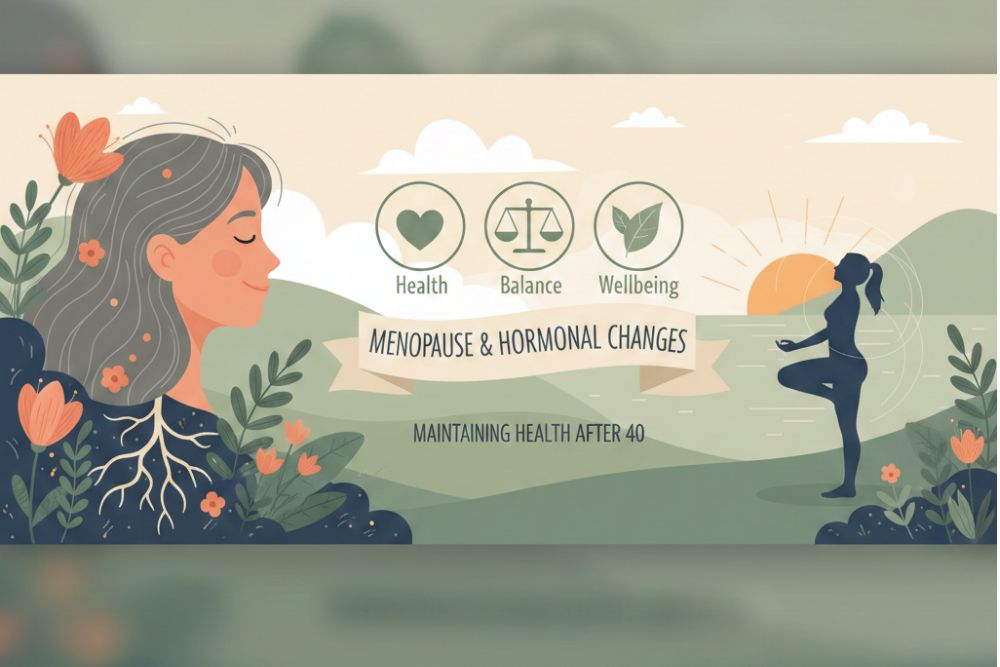




Menopause and Hormonal Changes: Maintaining Health After 40

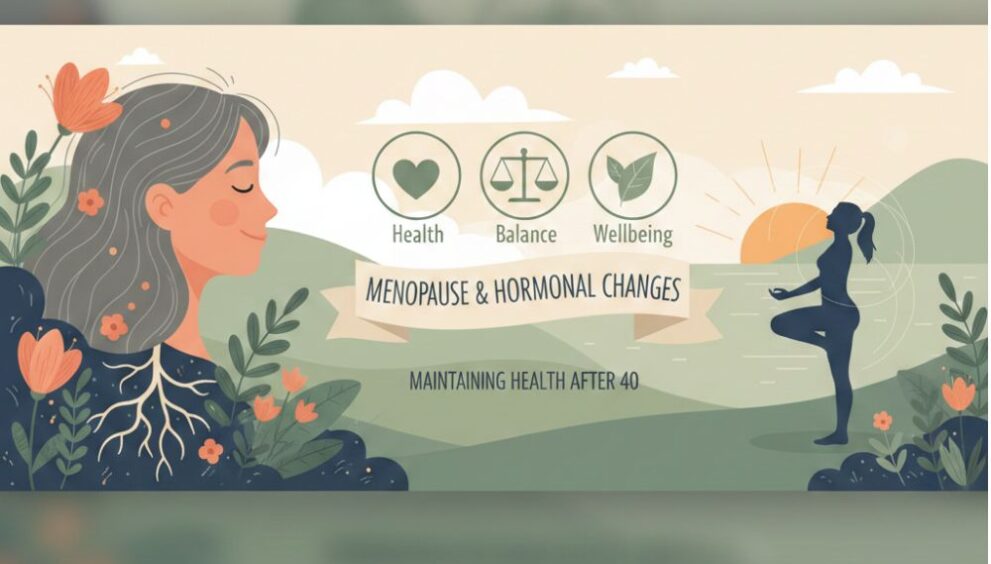
Menopause is a natural phase in a woman’s life, typically occurring between the ages of 45 and 55, but hormonal changes can begin in the early 40s. Understanding menopause and hormonal changes is key to maintaining health, energy, and emotional balance during this transition.
This guide explores common symptoms, health risks, and practical strategies to support wellbeing after 40.
What Happens During Menopause?
Menopause marks the end of a woman’s reproductive years, defined as 12 consecutive months without menstruation. It involves a gradual decline in estrogen and progesterone levels.
Common Changes Include:
- Hot flashes and night sweats
- Irregular periods
- Mood swings and irritability
- Sleep disturbances
- Decreased bone density and muscle mass
Understanding these changes helps women respond proactively and maintain quality of life.
Key Health Concerns After 40
1. Cardiovascular Health
Declining estrogen increases the risk of heart disease. Monitoring blood pressure, cholesterol, and maintaining a heart-healthy lifestyle is crucial.
Tips: Regular exercise, balanced diet, and avoiding smoking and excessive alcohol.
2. Bone Health
Bone density decreases during menopause, increasing the risk of osteoporosis and fractures.
Tips: Include calcium- and vitamin D-rich foods, weight-bearing exercises, and routine bone density screenings.
3. Weight Management
Hormonal changes often lead to slower metabolism and increased fat accumulation, especially around the abdomen.
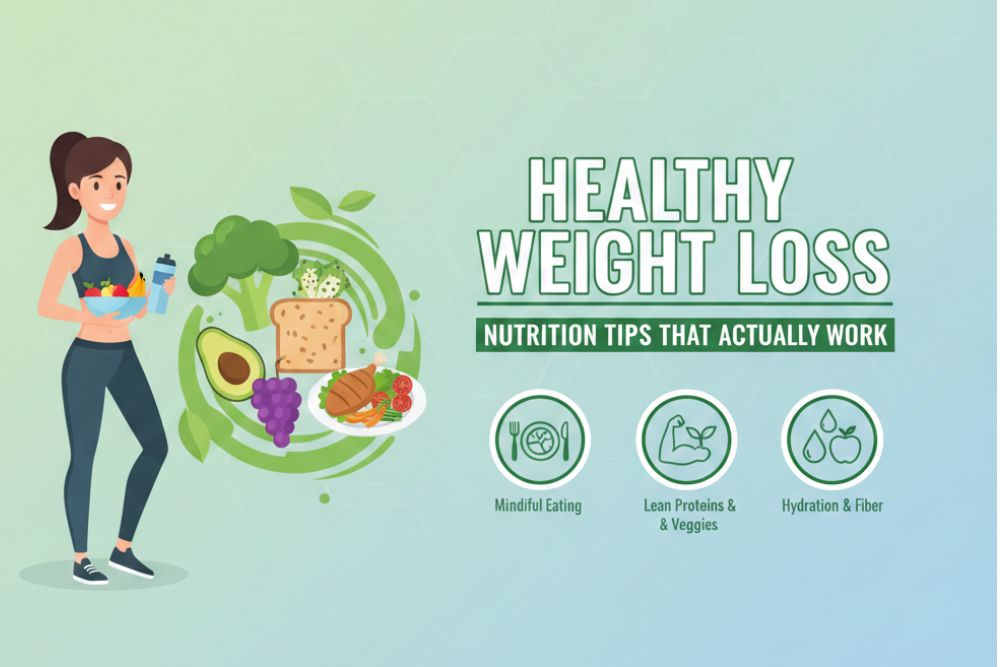
Tips: Prioritise protein intake, fibre-rich foods, and regular cardio and strength training exercises.
4. Mental Health and Emotional Wellbeing
Mood swings, anxiety, and brain fog are common during hormonal shifts.
Tips: Practice mindfulness, meditation, journaling, and seek support when needed.
5. Sleep Disturbances
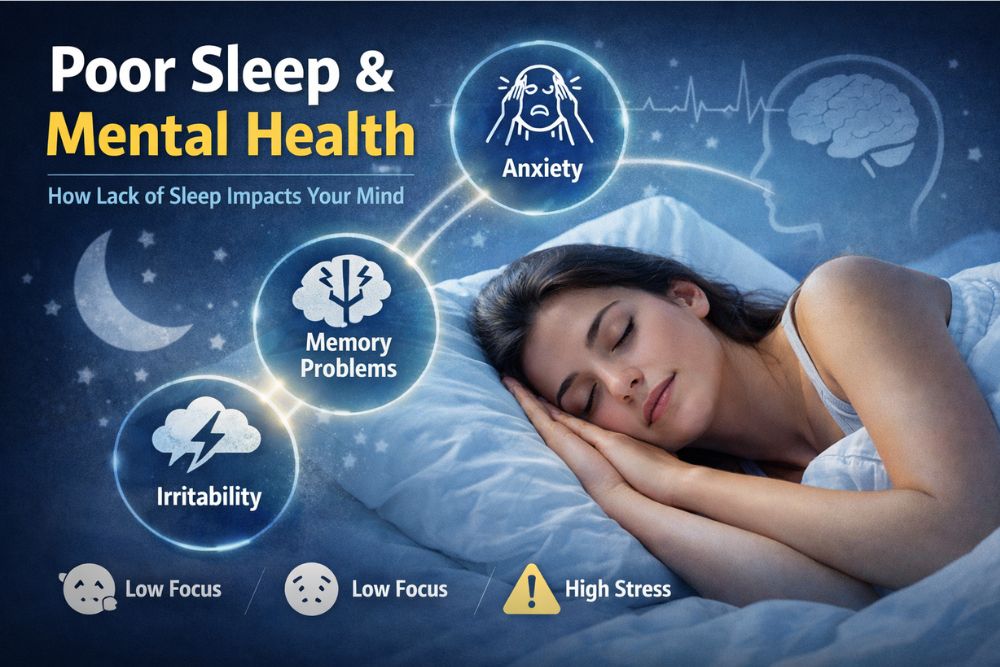
Hot flashes, night sweats, and hormonal fluctuations often disrupt sleep patterns.
Tips: Keep a cool sleeping environment, maintain a consistent bedtime routine, and limit caffeine before bed.
6. Sexual Health
Decreased estrogen can cause vaginal dryness, reduced libido, and discomfort.
Tips: Use lubricants, maintain open communication with partners, and discuss medical options with a healthcare provider.
Nutrition Tips for Women After 40
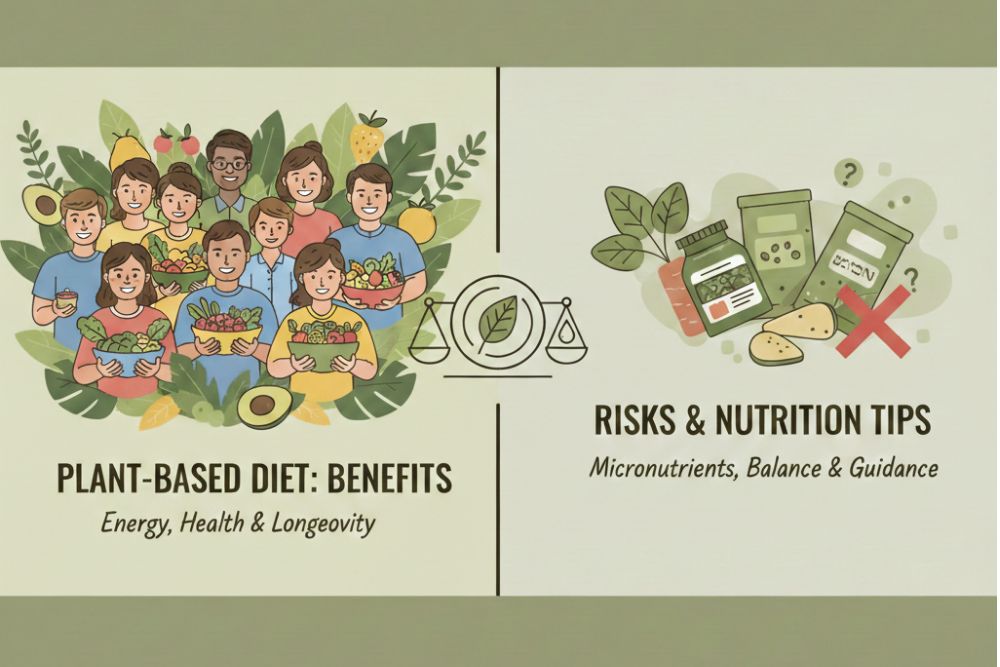
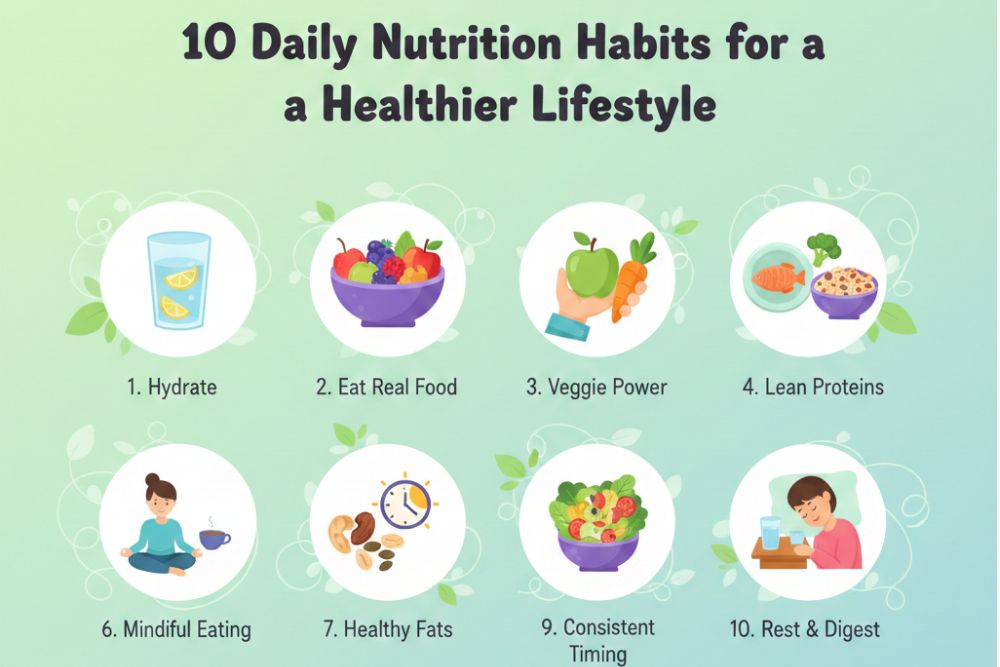
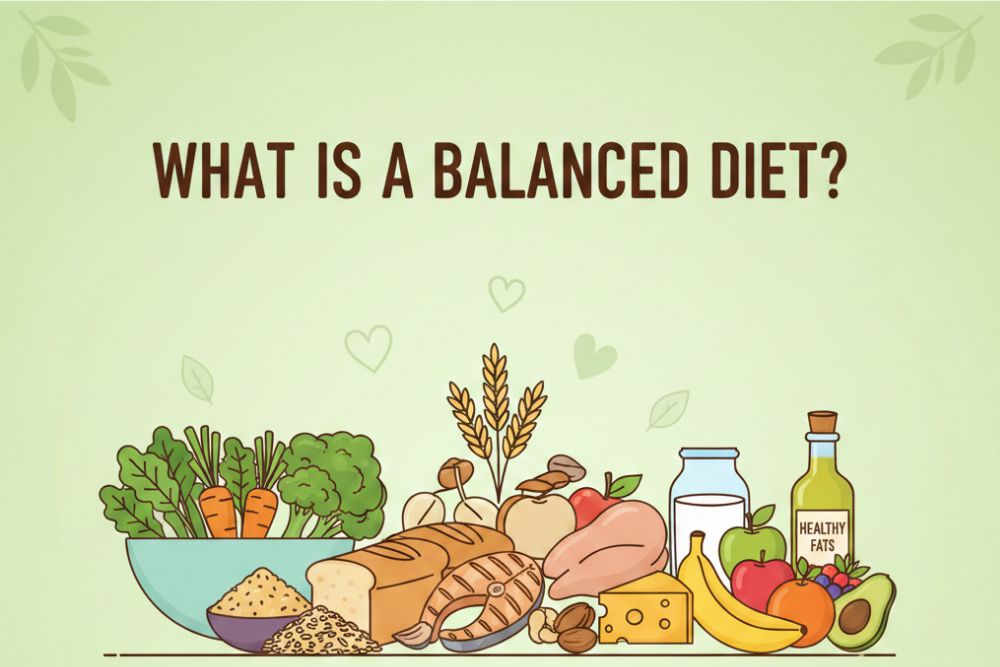
- Prioritise Plant-Based Foods: Fruits, vegetables, and whole grains support heart and bone health.
- Include Lean Proteins: Supports muscle maintenance and metabolism.
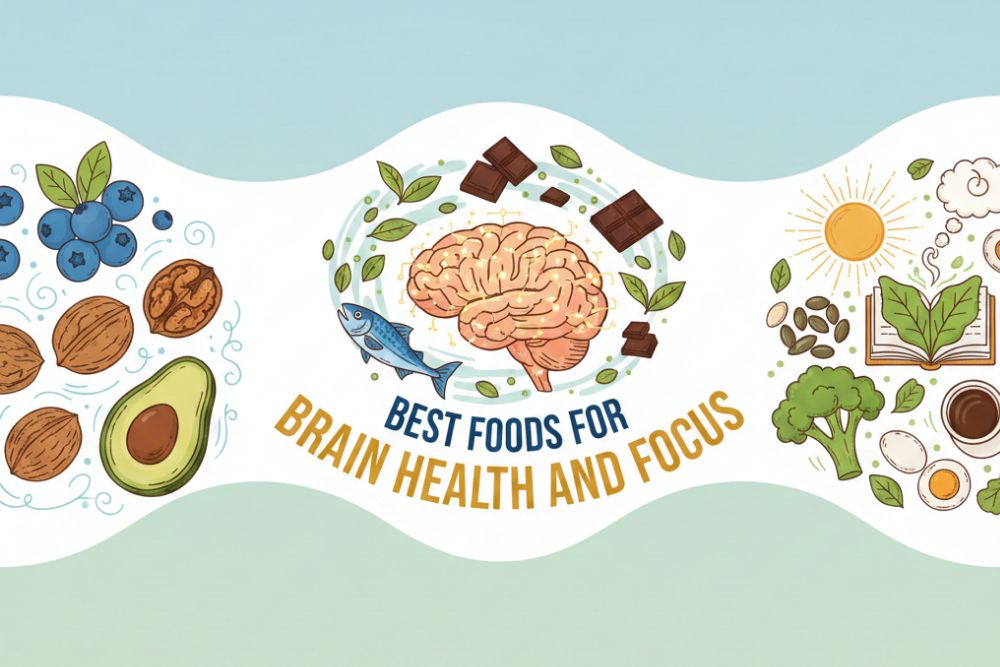
- Healthy Fats: Omega-3 fatty acids improve heart, brain, and joint health.
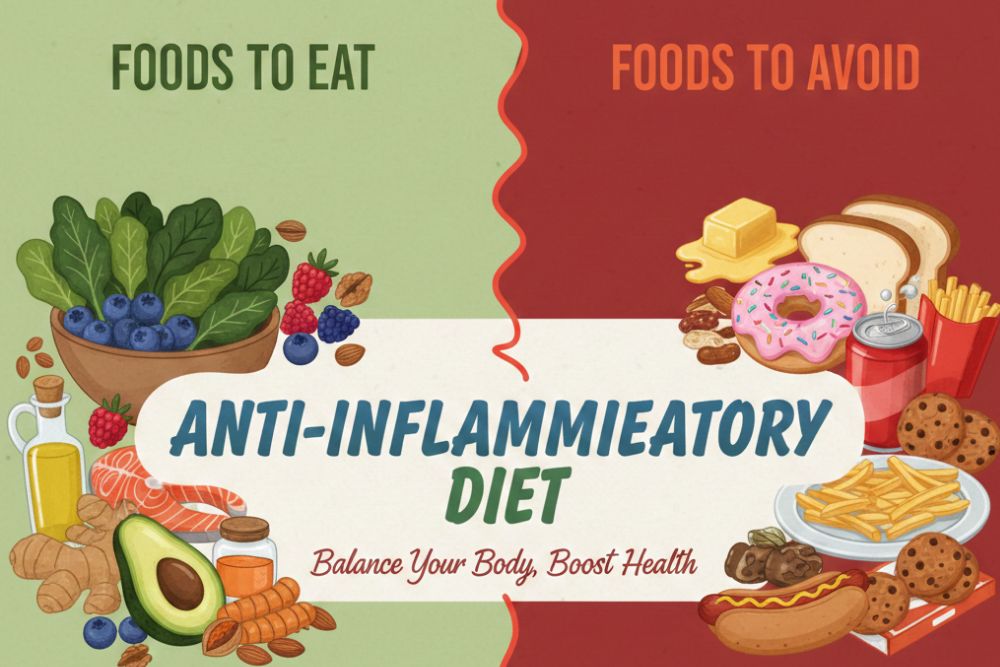
- Limit Sugary and Processed Foods: Reduces inflammation and weight gain.
- Stay Hydrated: Supports metabolism, digestion, and skin health.
Lifestyle Habits for Hormonal Balance
- Exercise Regularly: Combines cardio, strength, and flexibility workouts
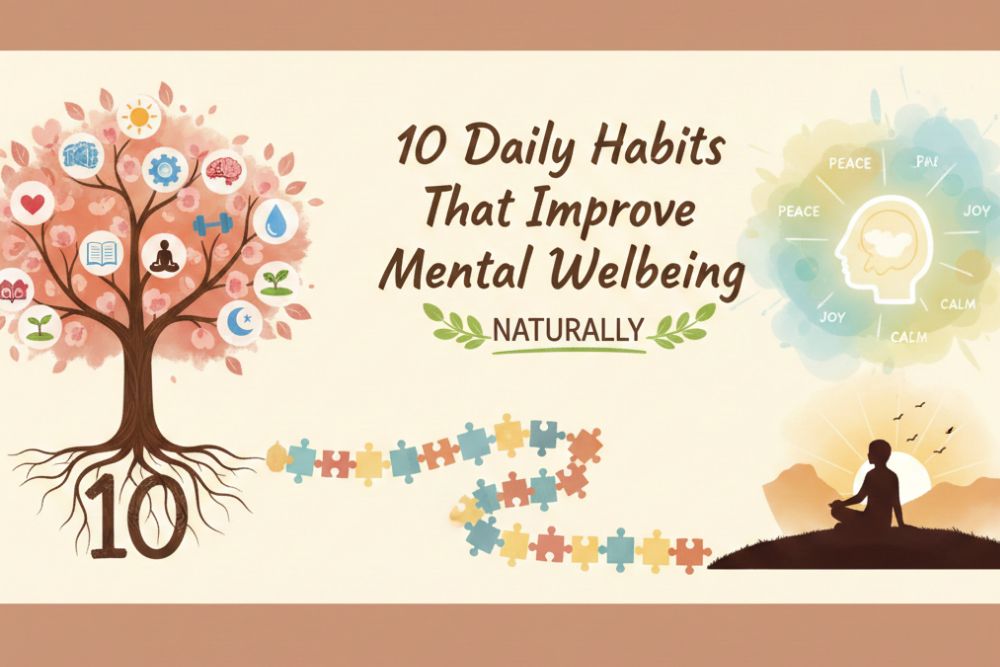
- Stress Management: Meditation, yoga, and deep breathing
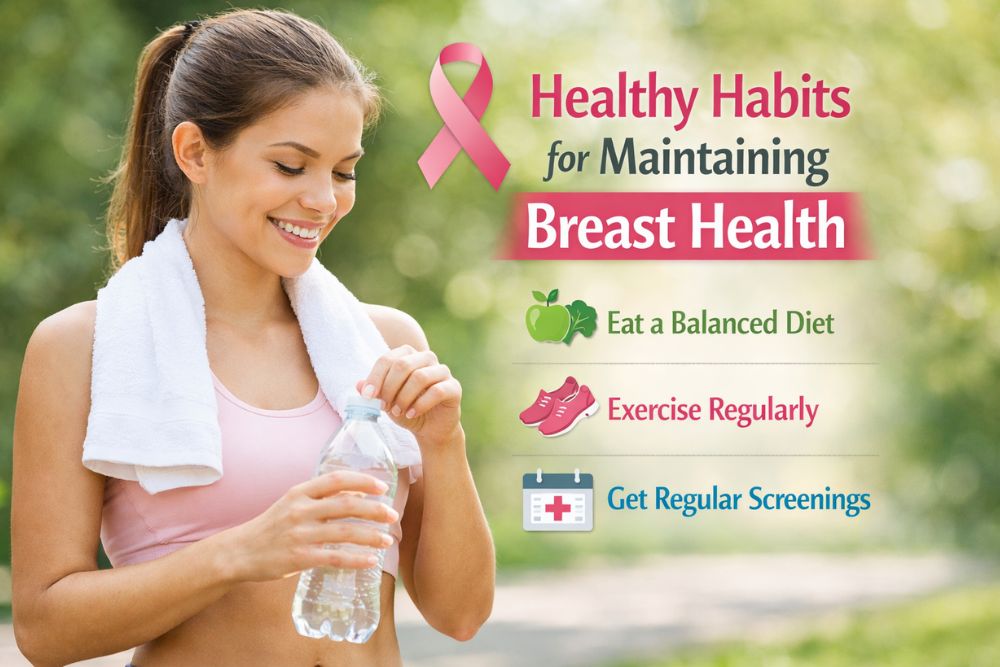
- Routine Health Screenings: Mammograms, bone density tests, cholesterol, and thyroid checks
- Avoid Smoking & Limit Alcohol: Reduces cardiovascular and cancer risks
- Social Connections: Support networks enhance emotional wellbeing
FAQs
Q1. What age does menopause usually start?
Menopause typically begins between 45 and 55, but perimenopause can start in the early 40s.
Q2. What are common menopause symptoms?
Hot flashes, night sweats, mood swings, sleep disturbances, weight changes, and decreased bone density.
Q3. How can women maintain health after 40?
Through balanced nutrition, regular exercise, stress management, routine checkups, and adequate sleep.
Understanding menopause and hormonal changes after 40 allows women to take proactive steps for physical, emotional, and mental health. By focusing on nutrition, exercise, stress management, and preventive care, women can navigate this transition gracefully and maintain energy, vitality, and wellbeing.
Menopause is a natural phase—embrace it with knowledge, preparation, and healthy habits.