




Nutrition vs Diet: Understanding the Key Differences

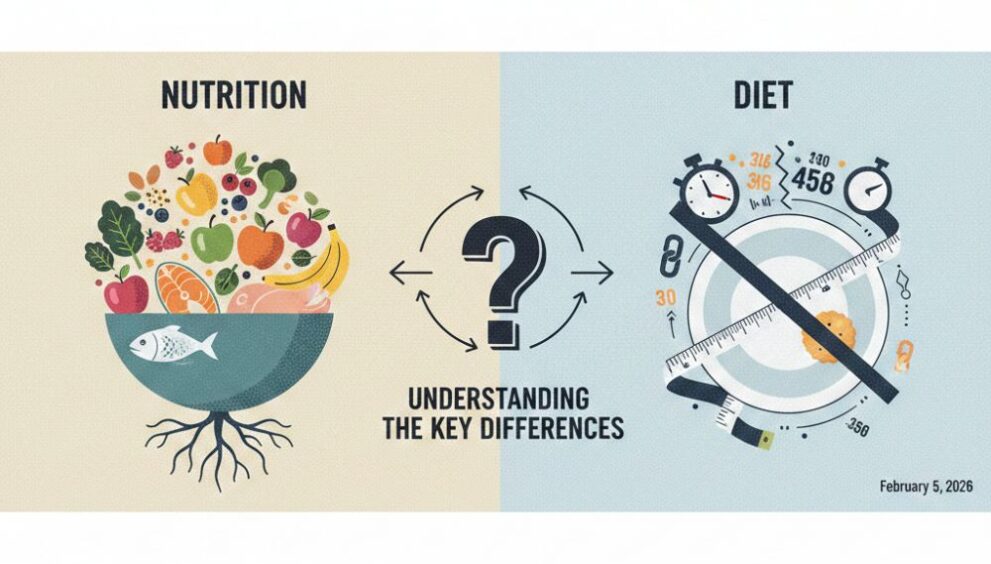
When most people hear the words “nutrition” and “diet,” they often use them interchangeably. You might say you’re “watching your diet” when you really mean you’re paying attention to your nutrition, or vice versa. While these terms are closely related, understanding the distinction between them can fundamentally change how you approach your health and wellness goals.
What Is Nutrition?
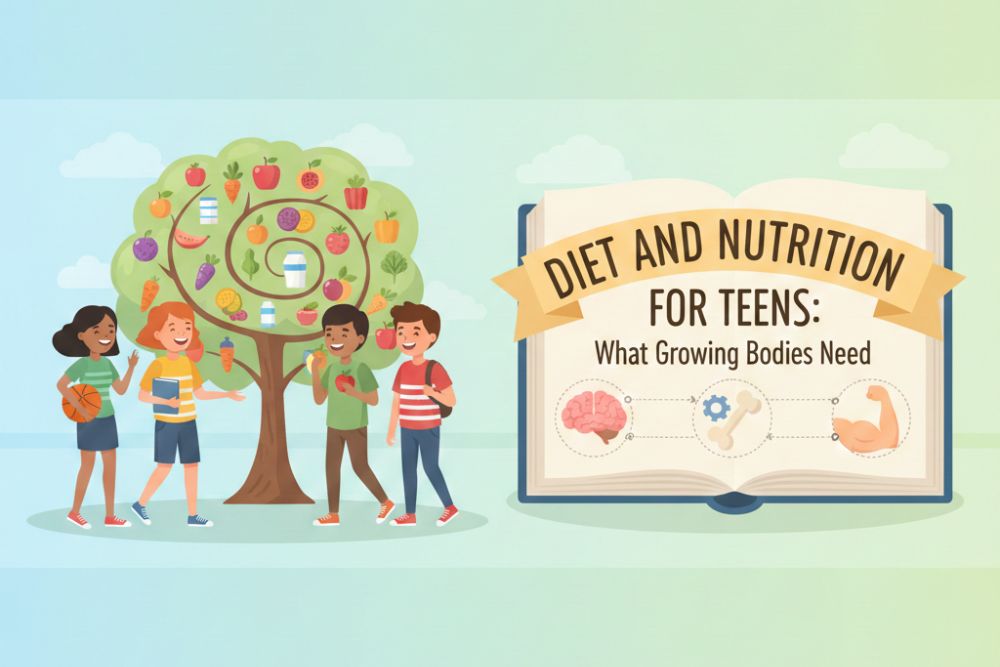
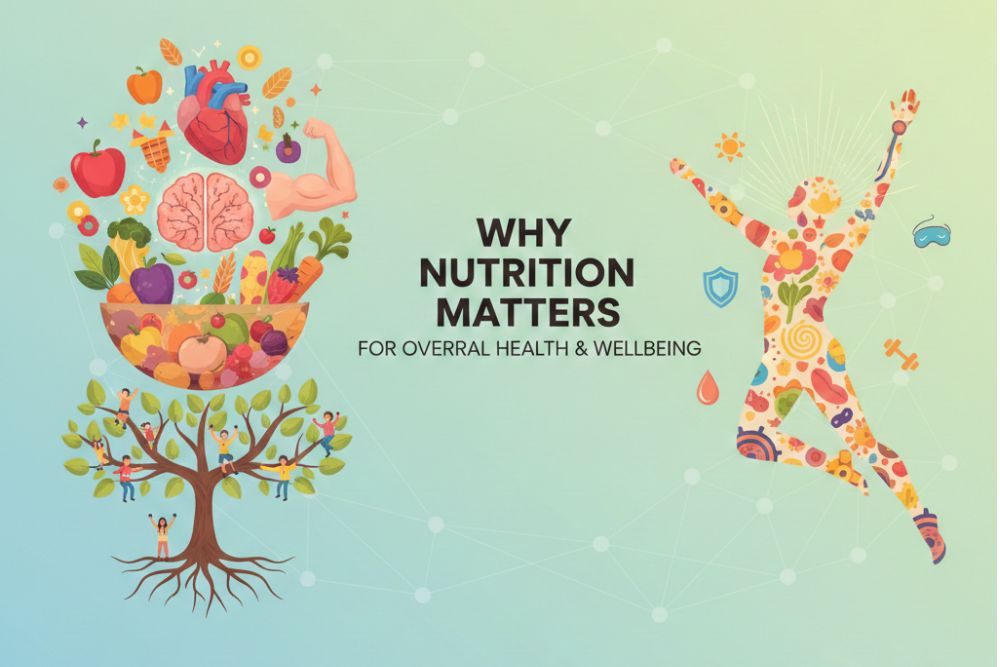
Nutrition refers to the science of how your body uses food. It’s the biochemical and physiological process by which your organism utilizes nutrients to maintain life, support growth, and fuel daily activities. Nutrition encompasses the study of nutrients—including carbohydrates, proteins, fats, vitamins, minerals, and water—and how they interact with your body at the cellular level.
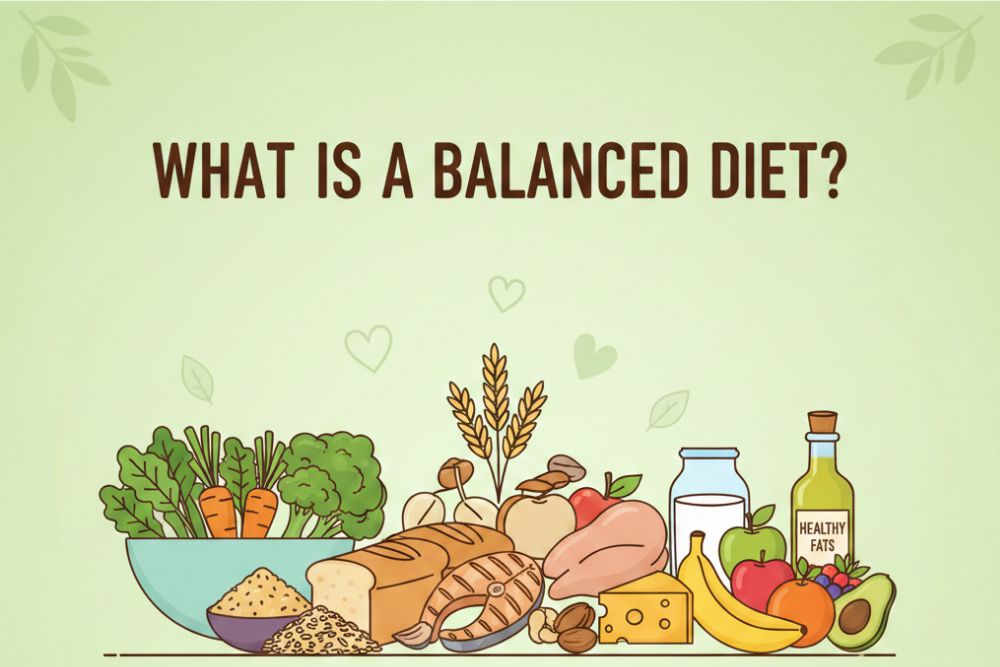
When we talk about good nutrition, we’re referring to consuming the right balance of nutrients your body needs to function optimally. This includes getting adequate vitamins to support your immune system, sufficient protein for muscle repair, healthy fats for brain function, and complex carbohydrates for sustained energy.
Nutrition is universal in many ways. While individual needs vary based on factors like age, sex, activity level, and health conditions, the fundamental principles of nutrition apply to everyone. Your body needs certain nutrients to survive and thrive, regardless of your dietary choices or cultural background.
What Is a Diet?
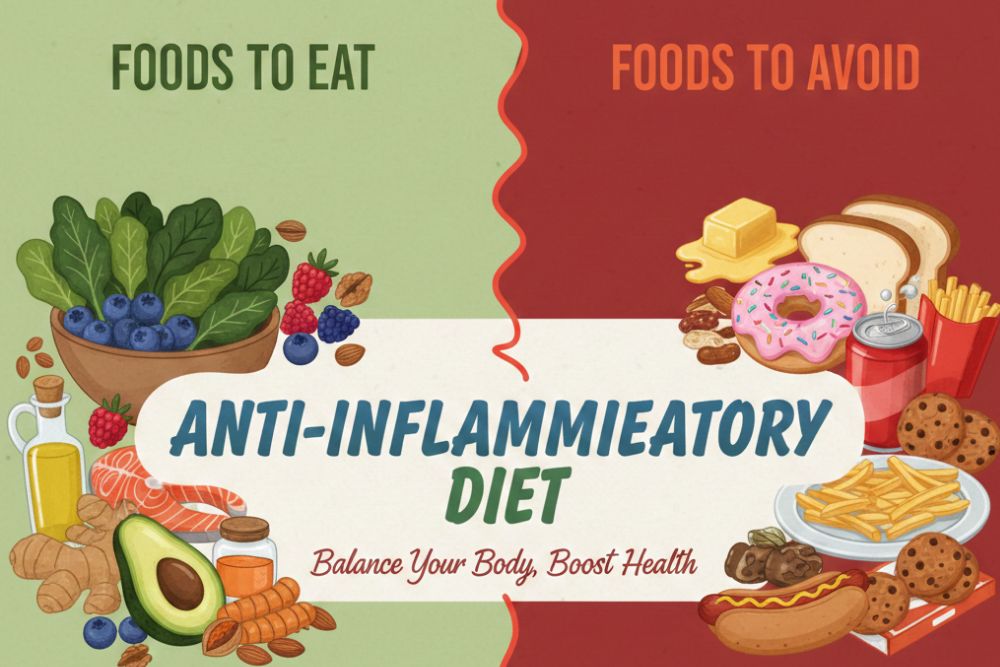
A diet, in its most basic definition, is simply the sum of food and drink you regularly consume. However, the term has evolved to carry multiple meanings. In everyday conversation, “diet” often refers to a specific eating plan designed to achieve a particular goal—whether that’s weight loss, muscle gain, managing a health condition, or following ethical principles.
Diets are highly individualized and can vary dramatically from person to person. Someone might follow a Mediterranean diet, another person a ketogenic diet, and yet another a plant-based diet. Each of these represents different approaches to eating, with different food choices, restrictions, and philosophies.
Unlike nutrition, which is rooted in biological science, diets are influenced by culture, personal preferences, ethical beliefs, economic factors, and individual health goals. Your diet is the practical application of eating—what you actually put on your plate each day.
The Key Differences
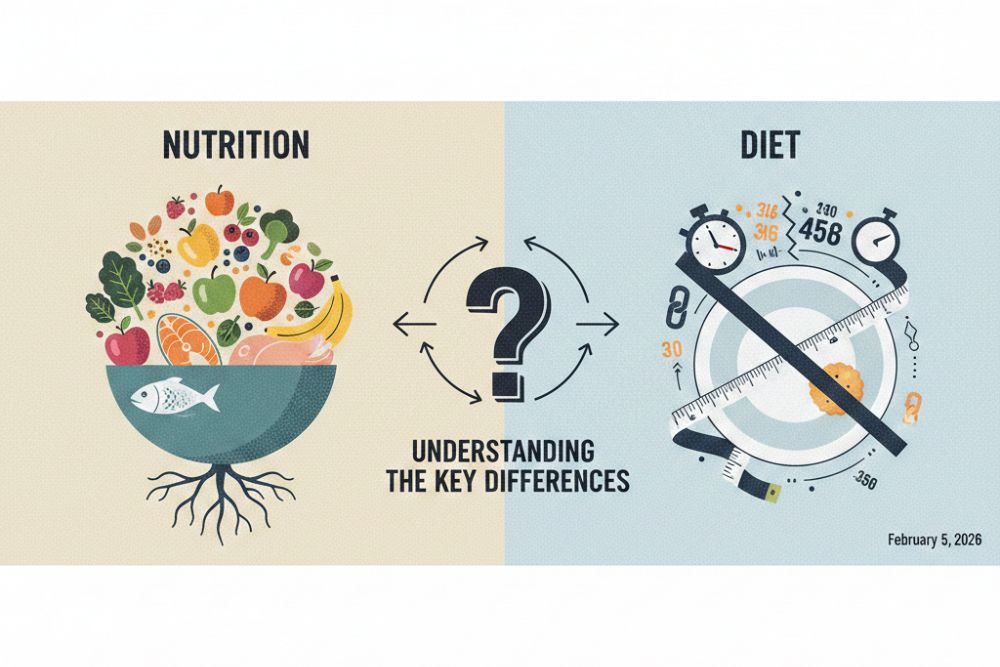
The primary difference between nutrition and diet lies in their scope and application. Nutrition is the science—the “why” behind what your body needs. Diet is the practice—the “what” and “how” of your actual eating patterns.
Think of it this way: nutrition tells you that your body needs protein to build and repair tissues, while your diet determines whether you get that protein from chicken, lentils, fish, or tofu. Nutrition explains that you need a certain number of calories to maintain your energy balance, while your diet reflects the specific foods and portions you choose to meet those caloric needs.
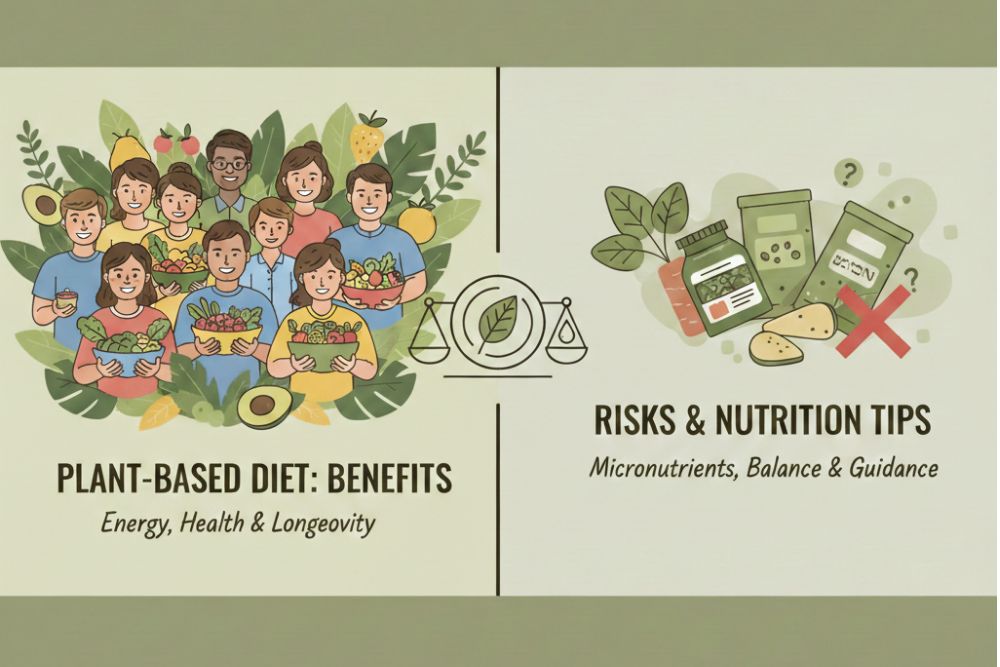
Another crucial distinction is that you can have good nutrition with many different types of diets, but you can follow a diet without necessarily achieving good nutrition. For example, someone following a vegan diet could have excellent nutrition if they carefully plan their meals to include all essential nutrients, or they could have poor nutrition if they rely heavily on processed vegan foods lacking in vitamins and minerals.
Why This Distinction Matters for Your Health
Understanding the difference between nutrition and diet empowers you to make better health decisions. Many people focus exclusively on their diet—choosing a popular eating plan or restricting certain foods—without considering whether they’re actually meeting their nutritional needs.
This can lead to common pitfalls. You might eliminate entire food groups without understanding how to replace the nutrients they provided. You might follow a diet that helps you lose weight but leaves you deficient in essential vitamins. Or you might eat “healthy” foods without considering whether the portions and combinations actually support your individual nutritional requirements.
By understanding nutrition, you can evaluate any diet plan more critically. Instead of asking “Is this diet popular?” or “Will this diet help me lose weight fast?”, you can ask more meaningful questions like “Does this diet provide all the nutrients I need?” or “Can I sustain this eating pattern while maintaining good nutrition long-term?”
How to Apply Both Concepts
The most effective approach to health combines nutritional knowledge with a sustainable diet that works for your lifestyle. Start by educating yourself about basic nutrition principles—understand macronutrients and micronutrients, learn about portion sizes, and recognize how different nutrients support your body’s functions.
Then, design or choose a diet that aligns with both your nutritional needs and your personal circumstances. Consider your cultural food preferences, your budget, your cooking skills, your schedule, and your health goals. A diet that’s nutritionally sound but doesn’t fit your life won’t be sustainable.
Remember that good nutrition doesn’t require perfection. Your body is remarkably adaptable, and nutritional needs can be met through countless food combinations. The goal isn’t to follow the “perfect” diet, but rather to develop eating patterns that consistently provide the nutrients your body needs while remaining enjoyable and practical for you.
Moving Forward
Nutrition and diet aren’t opposing concepts—they’re complementary ones. Nutrition provides the framework of what your body needs, while your diet is how you deliver those needs through real food in real life. By understanding both, you’re better equipped to navigate the overwhelming amount of dietary advice available today and make choices that truly support your health and wellbeing.
The next time you consider changing your eating habits, ask yourself both questions: “Will this meet my nutritional needs?” and “Can I sustain this diet long-term?” When the answer to both is yes, you’ve found an approach that honors both the science of nutrition and the reality of living well.