





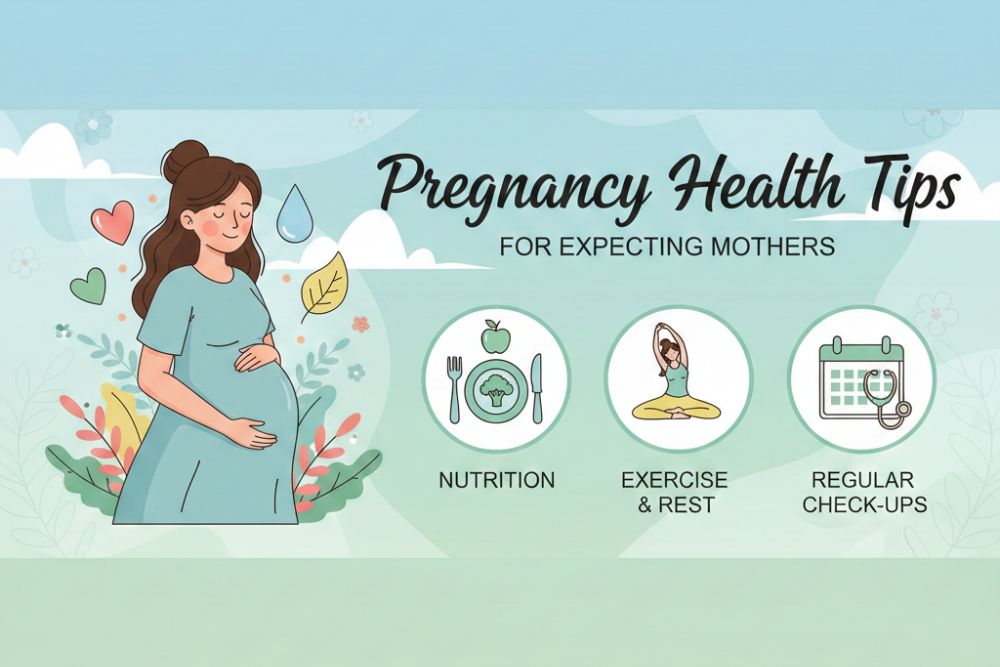



Pregnancy Health Tips for Expecting Mothers

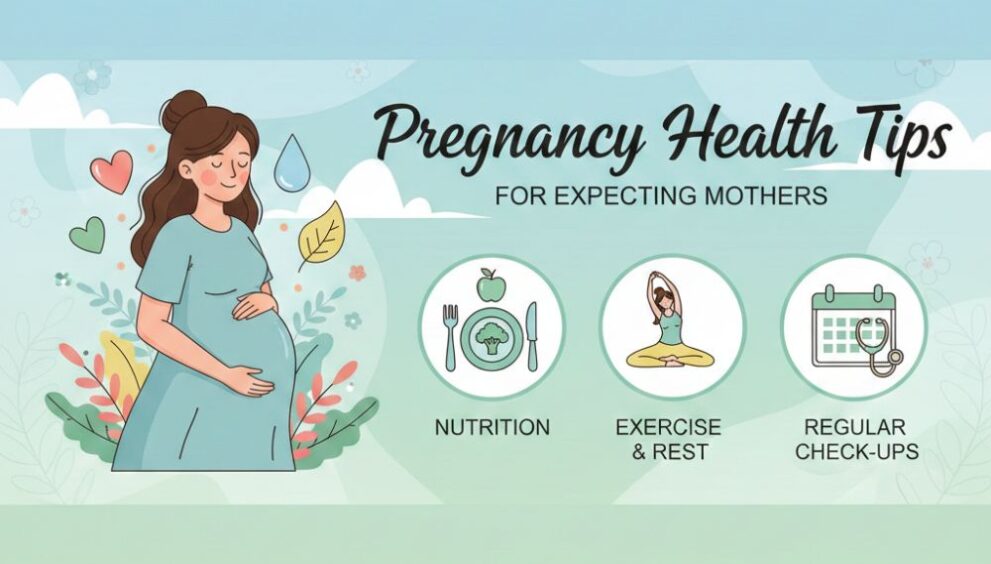
Pregnancy is one of the most transformative experiences in a woman’s life. Your body is working incredibly hard to nurture and grow a new life, and taking care of yourself during these nine months is essential for both your wellbeing and your baby’s development. Whether you’re newly pregnant or in your third trimester, these pregnancy health tips will help you navigate this journey with confidence.
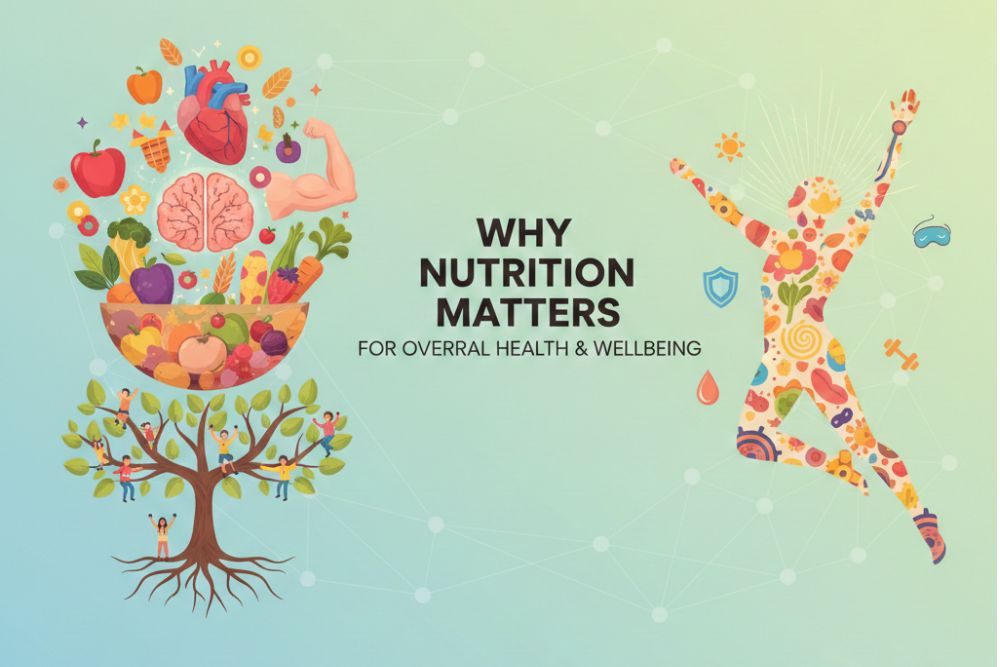
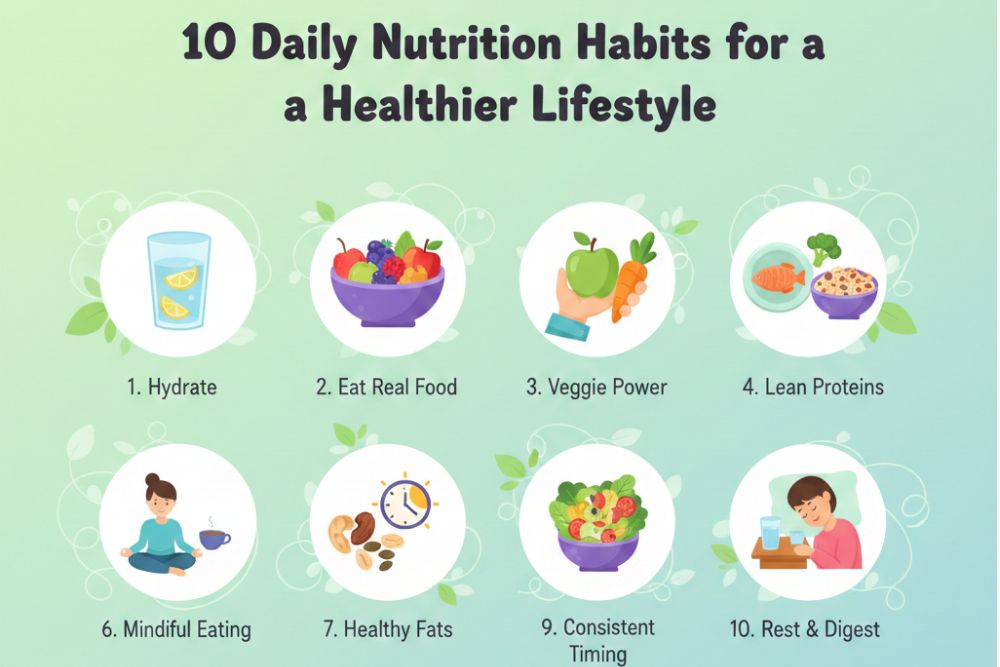
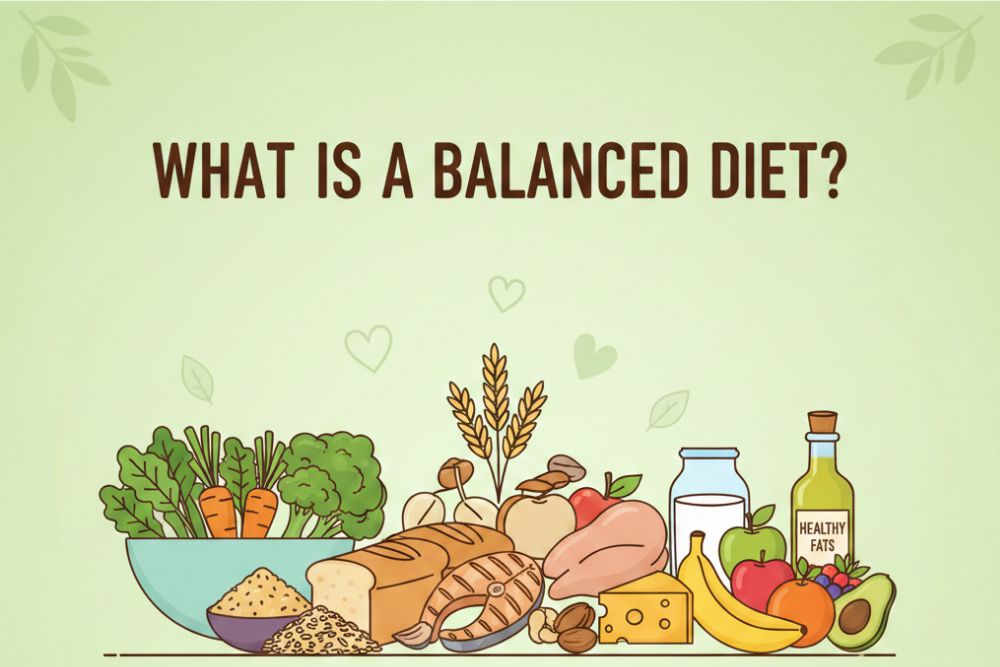
Prioritise Prenatal Nutrition
What you eat during pregnancy directly impacts your baby’s growth and development. Focus on consuming a variety of nutrient-dense foods that provide the vitamins and minerals both you and your baby need.
Folate is crucial during early pregnancy for preventing neural tube defects. You’ll find it in leafy greens, citrus fruits, beans, and fortified cereals. Most healthcare providers also recommend a prenatal vitamin containing at least 400-800 micrograms of folic acid.
Iron requirements nearly double during pregnancy to support increased blood volume. Include lean meats, poultry, fish, lentils, and spinach in your meals. Pair iron-rich plant foods with vitamin C sources like tomatoes or oranges to enhance absorption.
Calcium supports your baby’s developing bones and teeth. Aim for dairy products, fortified plant milks, leafy greens, and calcium-set tofu. If you’re not getting enough through food, talk to your healthcare provider about supplementation.
Protein needs increase during pregnancy to support fetal tissue growth. Include eggs, lean meats, fish, legumes, nuts, and dairy throughout the day. Most expecting mothers need an additional 25 grams of protein daily during the second and third trimesters.
Stay Hydrated Throughout the Day
Water plays a vital role during pregnancy. It helps form amniotic fluid, supports increased blood volume, aids digestion, and helps prevent common pregnancy discomforts like constipation and urinary tract infections.
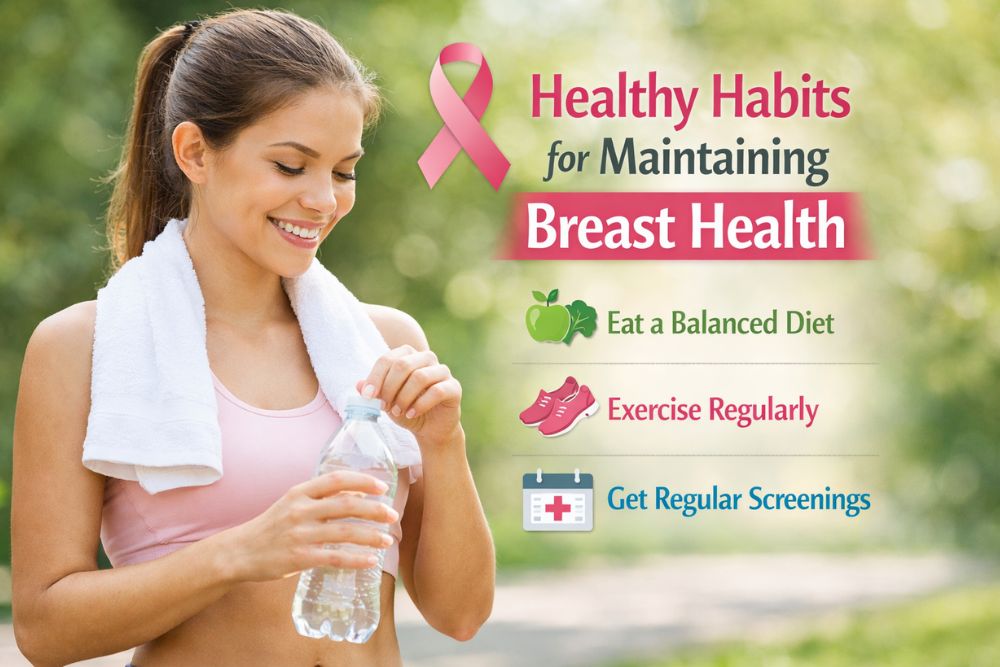
Aim for eight to twelve glasses of water daily, though your individual needs may vary based on activity level, climate, and how you’re feeling. If you’re experiencing morning sickness, try sipping water throughout the day rather than drinking large amounts at once. Adding lemon, cucumber, or mint can make water more appealing if you’re struggling with nausea.
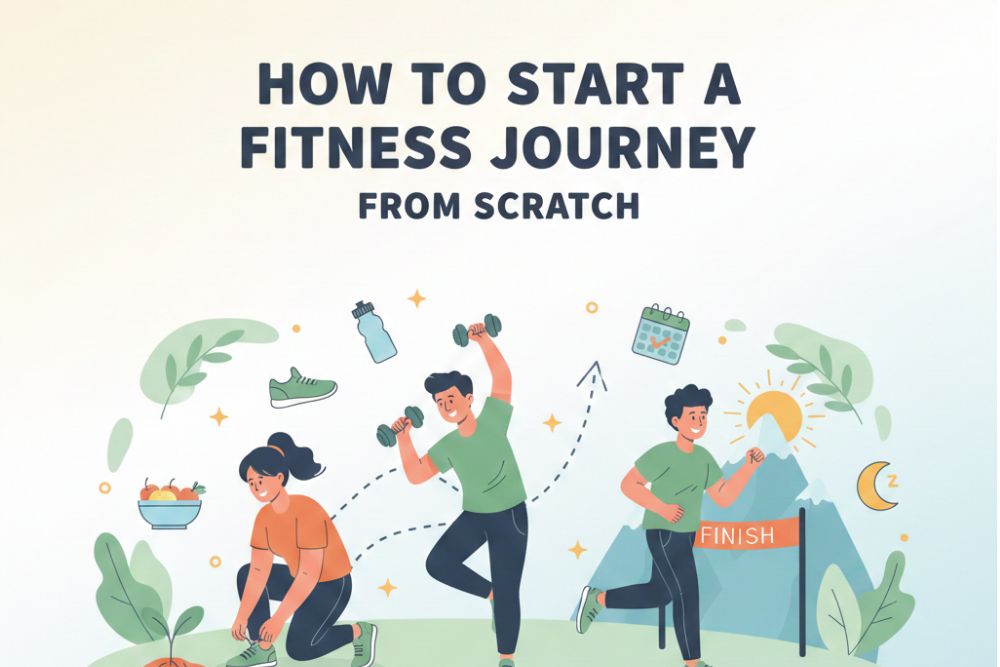
Maintain Safe Exercise Habits
Physical activity during pregnancy offers numerous benefits including reduced back pain, decreased risk of gestational diabetes, improved mood, better sleep, and easier labor and recovery. However, pregnancy isn’t the time to start intense new workout routines.
Walking is one of the safest and most accessible exercises for pregnant women. It’s gentle on your joints while keeping you active and can be easily adjusted as your pregnancy progresses. Swimming and water aerobics provide excellent cardiovascular benefits while the water supports your growing belly. Prenatal yoga can improve flexibility, reduce stress, and teach breathing techniques useful during labor.
Avoid contact sports, activities with high fall risk like skiing or horseback riding, and exercises that require lying flat on your back after the first trimester. Always listen to your body and stop if you experience dizziness, chest pain, vaginal bleeding, or contractions.
Get Adequate Rest and Sleep
Your body is working overtime during pregnancy, so fatigue is completely normal. Quality sleep supports your immune system, helps regulate hormones, and gives your body time to repair and grow.
During the first trimester, hormonal changes often cause excessive tiredness. Don’t fight it—rest when you need to. As your pregnancy advances, finding comfortable sleeping positions becomes challenging. Sleep on your left side to optimize blood flow to your baby. Use pillows between your knees, under your belly, and behind your back for support.
Establish a relaxing bedtime routine, keep your bedroom cool and dark, and limit screen time before bed. If heartburn disrupts your sleep, try eating smaller meals and avoiding food two to three hours before bedtime.
Attend All Prenatal Appointments
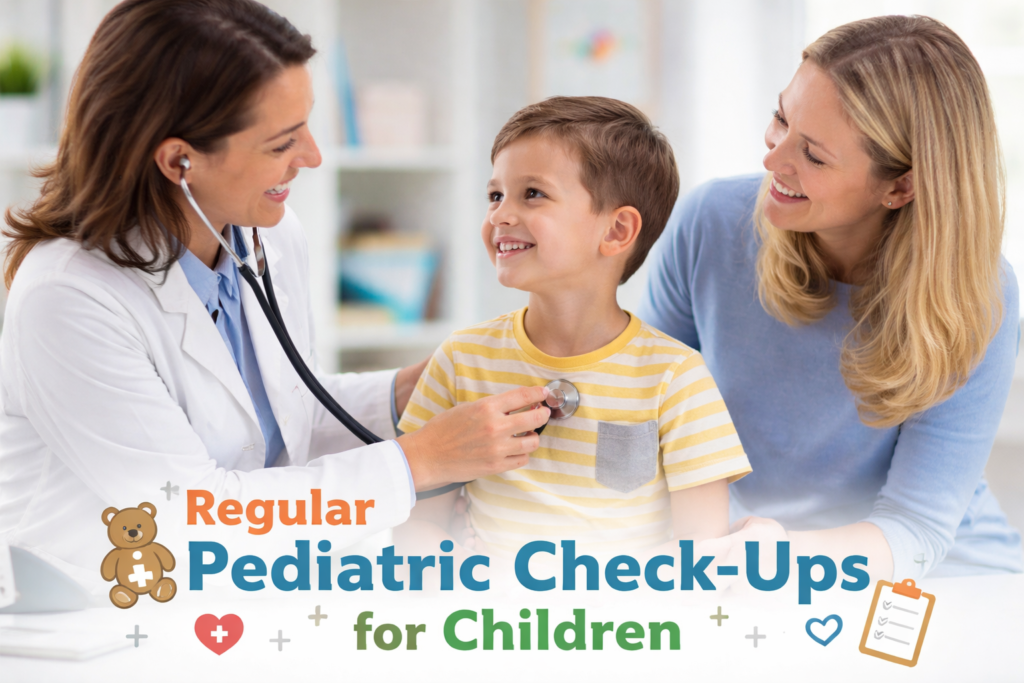
Regular prenatal care is one of the most important pregnancy health tips. These appointments allow your healthcare provider to monitor your baby’s development, track your health, screen for potential complications, and address any concerns you have.
Typical prenatal visit schedules include monthly appointments until 28 weeks, bi-weekly visits from 28 to 36 weeks, and weekly appointments from 36 weeks until delivery. Don’t skip appointments even if you’re feeling fine—many pregnancy complications have no obvious symptoms in early stages.
Come prepared with questions and concerns. Keep track of symptoms, movements, or changes you’ve noticed between visits. These appointments are your opportunity to get personalized guidance for your unique pregnancy journey.
Manage Stress and Emotional Wellbeing
Pregnancy brings significant physical, hormonal, and life changes that can affect your mental health. Managing stress benefits both you and your developing baby, as chronic stress can impact pregnancy outcomes.
Practice relaxation techniques like deep breathing, meditation, or gentle prenatal yoga. Connect with other expecting mothers through prenatal classes or support groups where you can share experiences and concerns. Maintain social connections with friends and family who provide emotional support.
Don’t hesitate to discuss anxiety, depression, or overwhelming emotions with your healthcare provider. Perinatal mood disorders are common and treatable. Getting help is a sign of strength, not weakness, and addressing mental health concerns is just as important as physical health during pregnancy.
Avoid Harmful Substances
Protecting your baby from harmful substances is critical for healthy development. Alcohol consumption during pregnancy can cause fetal alcohol spectrum disorders, leading to physical, behavioral, and learning problems. No amount of alcohol is considered safe during pregnancy.
Smoking and secondhand smoke exposure increase risks of premature birth, low birth weight, and sudden infant death syndrome. If you smoke, quitting is one of the best things you can do for your baby. Ask your healthcare provider about safe cessation methods during pregnancy.
Limit caffeine intake to less than 200 milligrams daily, roughly equivalent to one 12-ounce cup of coffee. Excessive caffeine has been linked to increased miscarriage risk and low birth weight.
Practice Food Safety
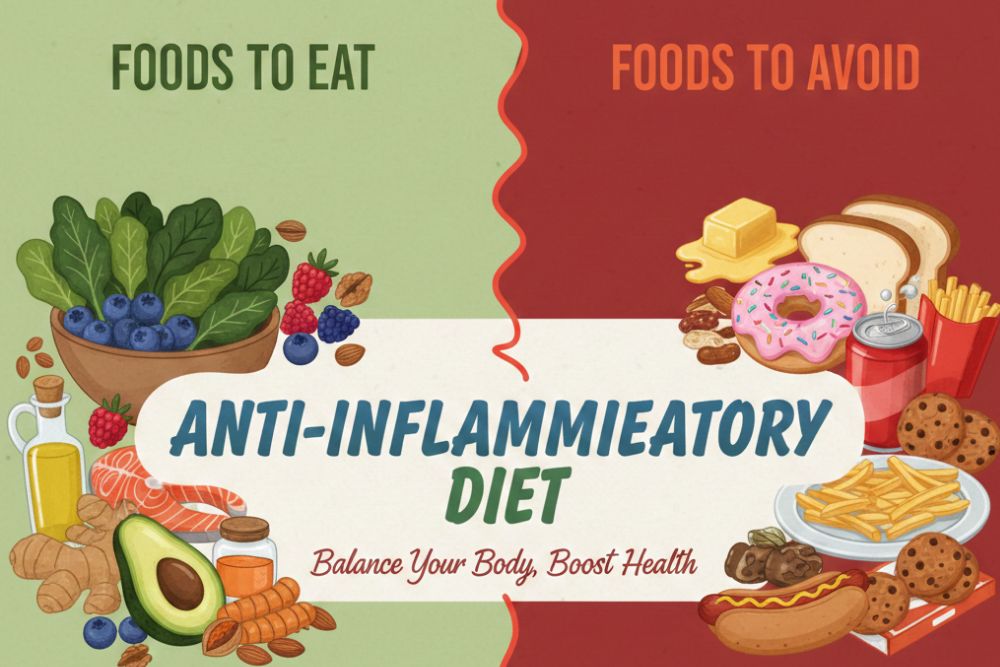
Your immune system changes during pregnancy, making you more susceptible to foodborne illnesses that can seriously affect your baby. Avoid raw or undercooked meat, poultry, eggs, and seafood. Cook all meat to safe internal temperatures and avoid raw fish in sushi.
Skip unpasteurized dairy products and juices, as they may contain harmful bacteria. Avoid soft cheeses like brie, feta, and blue cheese unless labeled as made with pasteurized milk. Wash all fruits and vegetables thoroughly before eating.
Limit high-mercury fish like shark, swordfish, king mackerel, and tilefish. Choose low-mercury options like salmon, shrimp, pollock, and catfish instead. Fish provides beneficial omega-3 fatty acids important for baby’s brain development, so don’t eliminate it entirely—just choose wisely.
Monitor Weight Gain Appropriately
Healthy weight gain during pregnancy supports your baby’s growth while maintaining your own health. The amount of weight you should gain depends on your pre-pregnancy body mass index.
Women with a healthy pre-pregnancy BMI typically gain 25 to 35 pounds throughout pregnancy. Underweight women may need to gain more, while overweight women may aim for less. Most weight gain occurs during the second and third trimesters, averaging about one pound per week.
Focus on gaining weight gradually through nutritious foods rather than “eating for two.” You only need about 300 extra calories daily during the second and third trimesters, equivalent to a snack like yogurt with fruit or a peanut butter sandwich.
Educate Yourself About Labor and Delivery
Knowledge reduces anxiety and helps you feel more prepared for childbirth. Consider taking childbirth education classes that cover labor stages, pain management options, breathing techniques, and postpartum care. Many hospitals and birthing centers offer these classes.
Create a birth plan that outlines your preferences for pain management, labor positions, and immediate postpartum care. Remember that birth plans are guidelines, not contracts—flexibility is important as situations can change.
Tour your planned delivery location beforehand so you know what to expect and where to go when labor begins. Pack your hospital bag by 36 weeks with essentials for you, your baby, and your support person.
Build Your Support Network
Pregnancy and new parenthood are easier with support. Identify people who can help during pregnancy and after delivery, whether that’s your partner, family members, friends, or hired help.
Communicate your needs clearly and don’t hesitate to accept offers of assistance. Support might include help with household tasks, meal preparation, childcare for older children, or simply emotional encouragement.
Consider hiring a doula for additional labor support and postpartum assistance. Doulas provide continuous physical and emotional support during childbirth and can help with breastfeeding and newborn care afterward.
Moving Forward With Confidence
Every pregnancy is unique, and what works for one expecting mother may differ for another. Listen to your body, follow your healthcare provider’s personalized recommendations, and trust your instincts. These pregnancy health tips provide a foundation, but your medical team can offer guidance tailored to your specific situation.
Remember that taking care of yourself during pregnancy isn’t selfish—it’s essential. When you prioritize your health, you’re giving your baby the best possible start in life. Embrace this transformative journey with patience, self-compassion, and the knowledge that you’re doing your best for both yourself and your growing baby.