










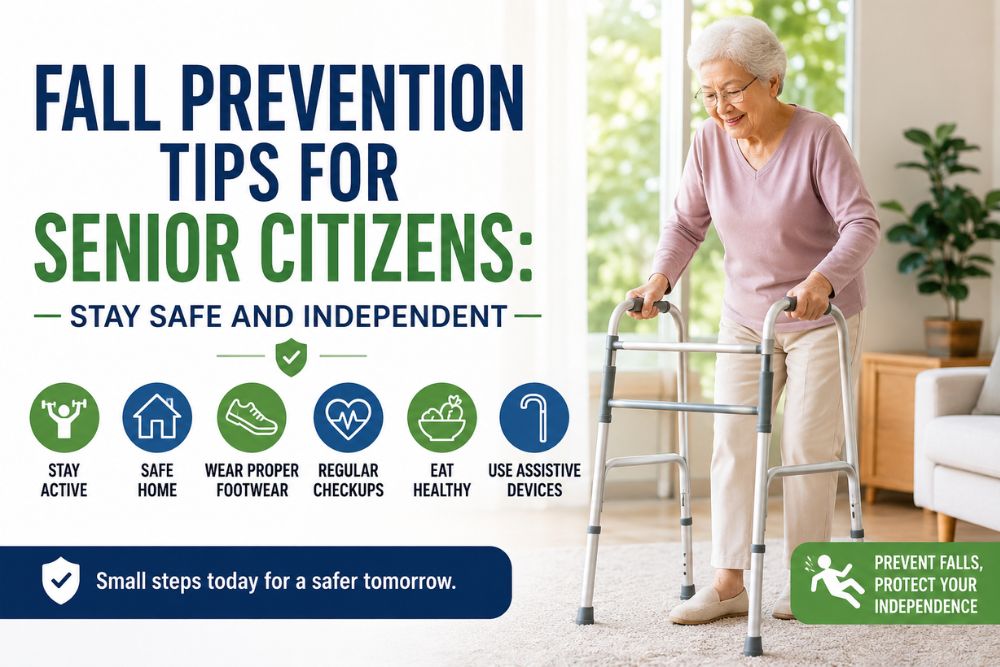


























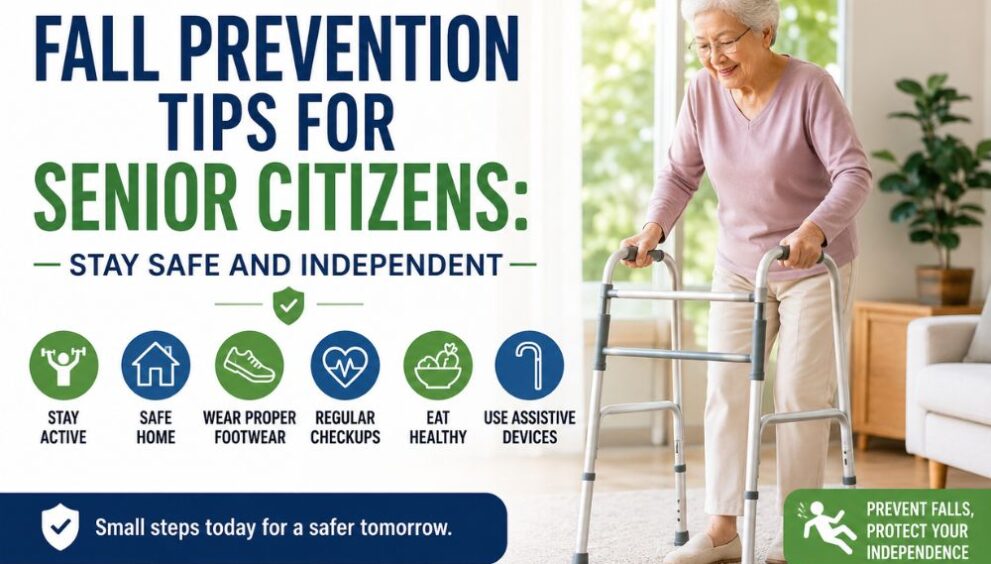
Fall Prevention Tips for Senior Citizens: Stay Safe and Independent

Stay Active, Safe, and Confident as You Age
Falls are one of the most common health risks faced by senior citizens. As people age, factors such as reduced muscle strength, poor balance, vision problems, and certain medical conditions can increase the risk of falling. However, with the right precautions and healthy lifestyle habits, many falls can be prevented. Taking small steps today can help seniors maintain independence, confidence, and a better quality of life.
Why Fall Prevention Matters for Seniors
Falls can lead to serious injuries such as fractures, head injuries, and reduced mobility. For older adults, recovery from a fall can take longer and may affect overall physical and emotional well-being. Preventing falls is essential not only for physical safety but also for maintaining an active and independent lifestyle.
Common Causes of Falls in Senior Citizens
- Poor balance and muscle weakness
- Slippery floors or loose rugs
- Poor lighting at home
- Vision or hearing problems
- Side effects from medications
- Foot pain or improper footwear
- Cluttered living spaces
Effective Fall Prevention Tips for Senior Citizens
1. Stay Physically Active
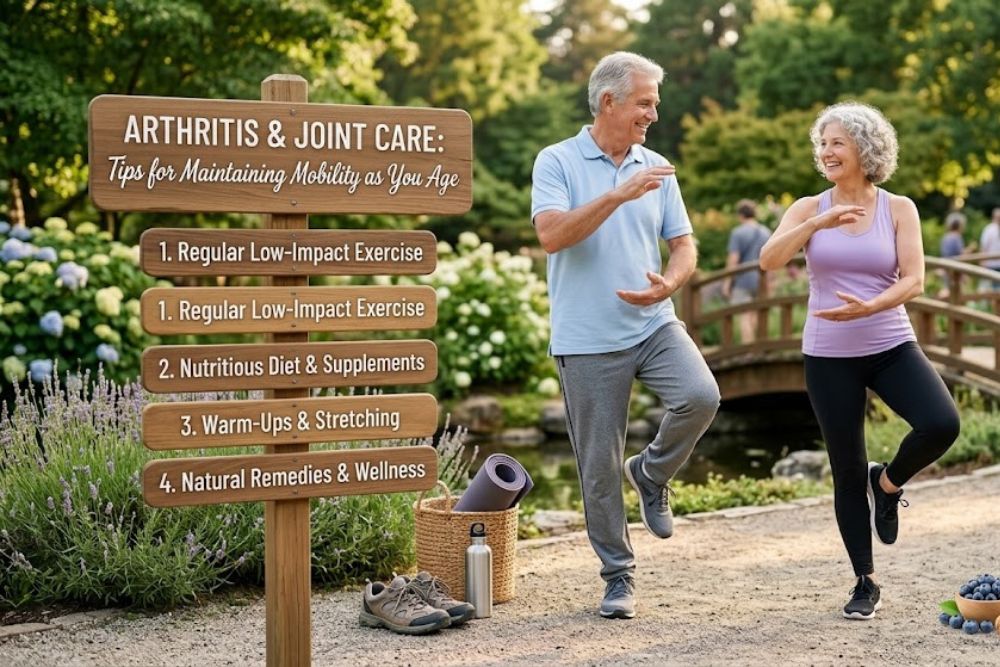
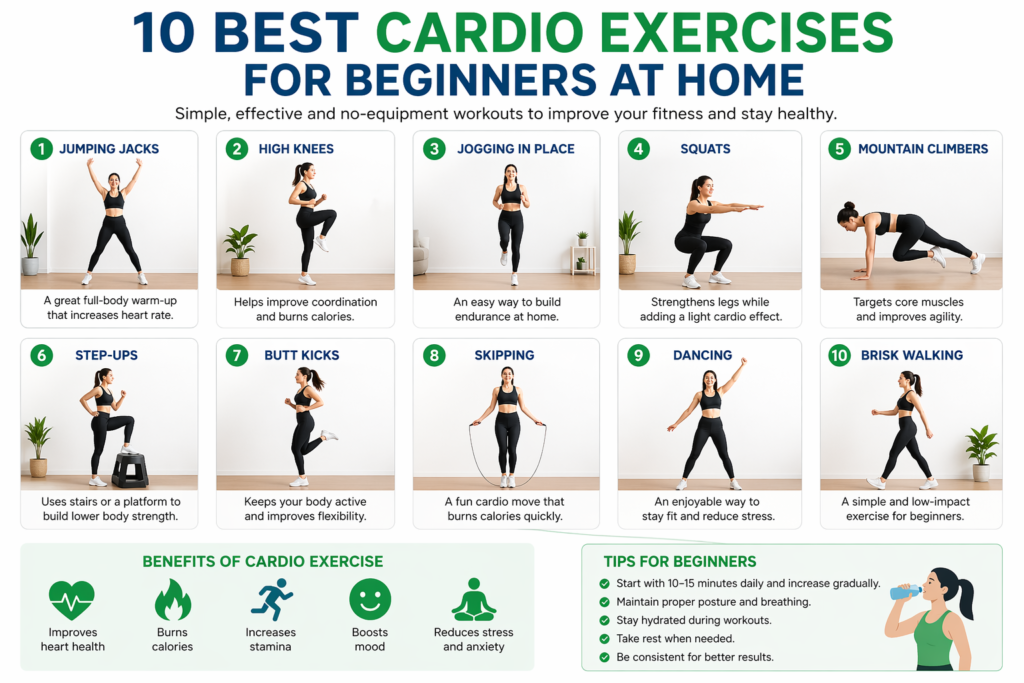
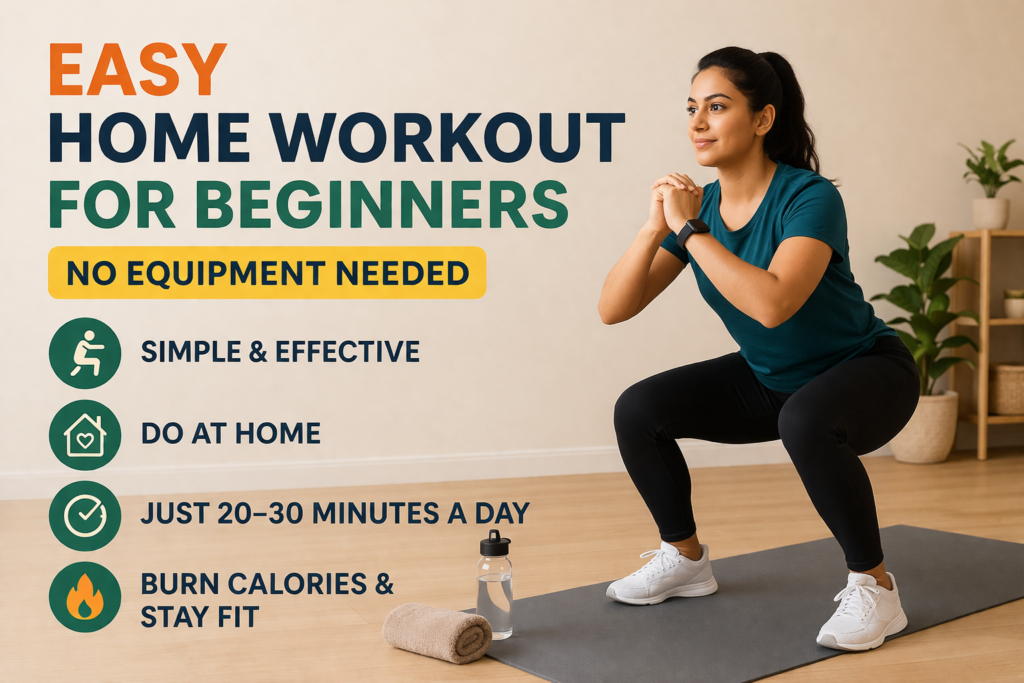
Regular exercise helps improve strength, flexibility, coordination, and balance. Seniors can benefit from activities such as:
- Walking
- Yoga
- Stretching exercises
- Balance training
- Light strength training
Exercise helps strengthen muscles and improves body stability, reducing the risk of falls.
2. Make Your Home Safer
Creating a safe home environment is one of the most effective ways to prevent falls.
Home safety tips include:
- Remove loose rugs or secure them properly
- Keep walkways clear of clutter
- Install grab bars in bathrooms
- Use non-slip mats in showers and kitchens
- Ensure stairs have sturdy handrails
- Improve lighting in hallways, bedrooms, and staircases
3. Wear Proper Footwear
Shoes play an important role in preventing slips and falls.
Choose footwear that is:
- Comfortable and well-fitted
- Non-slip
- Low-heeled
- Supportive with closed backs
Avoid walking barefoot or wearing loose slippers.
4. Schedule Regular Health Checkups
Routine medical checkups help identify conditions that may increase fall risk.
Important checkups include:
- Vision exams
- Hearing tests
- Bone health screenings
- Blood pressure monitoring
- Medication reviews
Some medications may cause dizziness or drowsiness, increasing the chance of falls.
5. Improve Nutrition for Bone Health
Strong bones and muscles reduce injury risk from falls.
A healthy diet should include:
- Calcium-rich foods like milk, yogurt, and leafy greens
- Vitamin D for bone strength
- Protein for muscle health
- Adequate hydration
Good nutrition supports overall senior health and mobility.
6. Use Assistive Devices When Needed
Walking aids can improve mobility and confidence.
Helpful devices include:
- Walking sticks
- Canes
- Walkers
- Handrails and support bars
Using assistive tools correctly can greatly reduce fall risk.
7. Move Carefully and Mindfully
Sudden movements can lead to dizziness or imbalance.
Seniors should:
- Stand up slowly from sitting or lying down
- Hold onto stable surfaces when walking
- Avoid rushing, especially on stairs or wet floors
Conclusion
Fall prevention is a vital part of senior citizen health. By staying active, making home safety improvements, wearing proper footwear, and attending regular health checkups, seniors can significantly reduce their risk of falls. Small daily precautions can lead to a safer, healthier, and more independent life.
Prioritizing fall prevention today helps seniors enjoy aging with confidence, comfort, and peace of mind.