



























Understanding Reproductive Health: A Complete Guide for Women

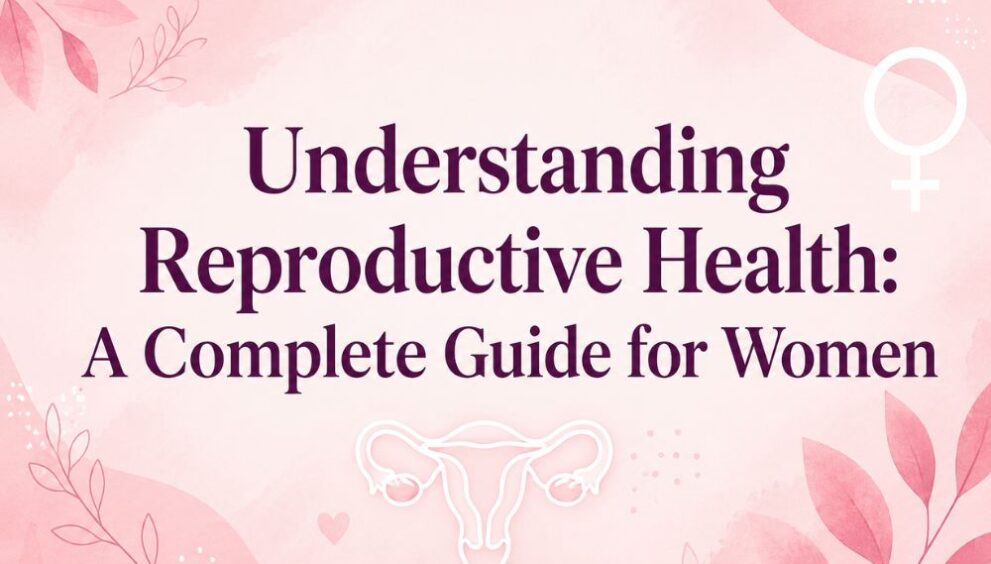
Women’s reproductive health plays an important role in overall well-being, affecting physical, emotional, and hormonal balance throughout life. From puberty to menopause, understanding reproductive health helps women make informed decisions about their bodies, fertility, and long-term wellness.
Reproductive health is not only about pregnancy or childbirth—it includes menstrual health, hormonal balance, sexual wellness, fertility, and disease prevention. Prioritizing reproductive care can improve quality of life and reduce the risk of serious health complications.
What Is Reproductive Health?
Reproductive health refers to the proper functioning and well-being of the reproductive system. For women, this includes organs such as:
- Ovaries
- Uterus
- Fallopian tubes
- Cervix
- Vagina
- Breasts
A healthy reproductive system supports regular menstrual cycles, balanced hormones, fertility, and protection against infections or disorders.
Key Components of Women’s Reproductive Health
1. Menstrual Health
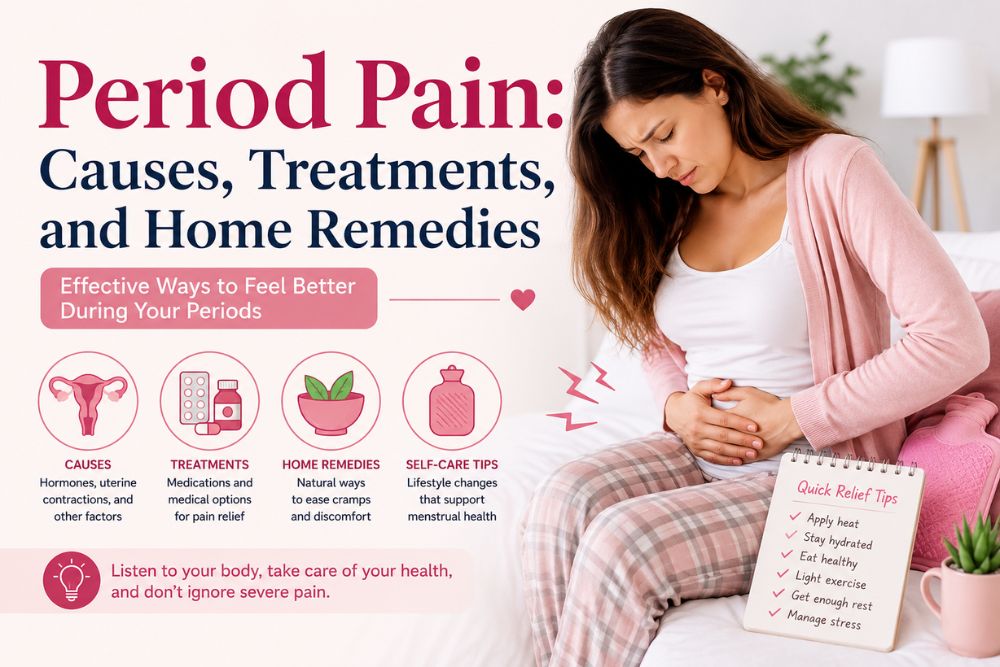
A regular menstrual cycle is often a sign of healthy reproductive function. Common menstrual concerns include:
- Irregular periods
- Heavy bleeding
- Severe cramps
- Missed periods
- PMS symptoms
Tracking menstrual cycles can help identify hormonal changes or underlying conditions early.
2. Hormonal Balance
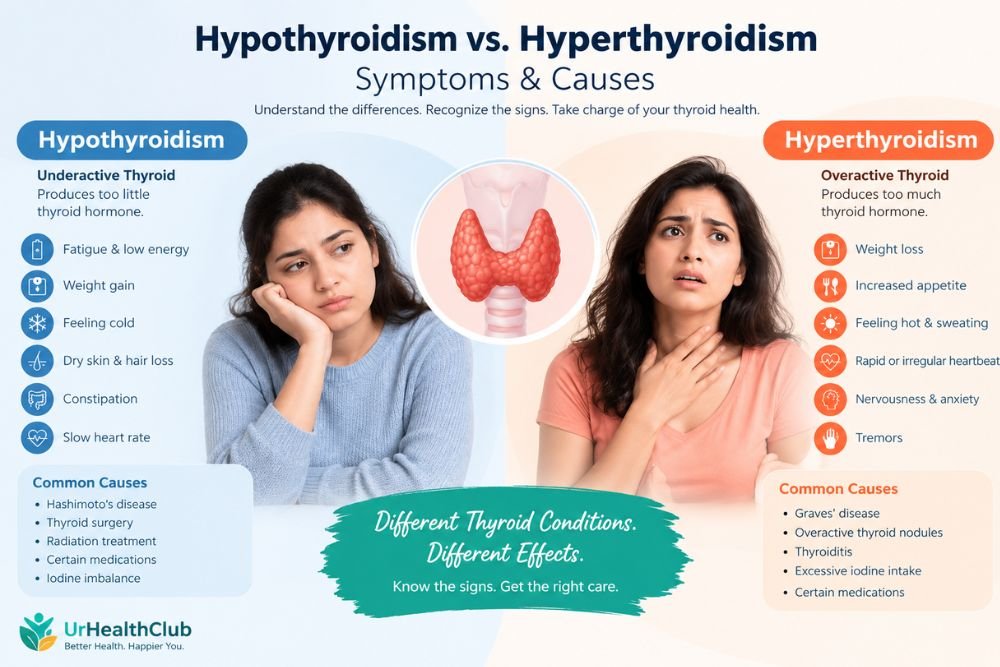
Hormones regulate many reproductive functions, including ovulation, mood, metabolism, and menstrual cycles.
Common signs of hormonal imbalance:
- Acne
- Weight fluctuations
- Mood swings
- Hair loss
- Irregular periods
- Fatigue
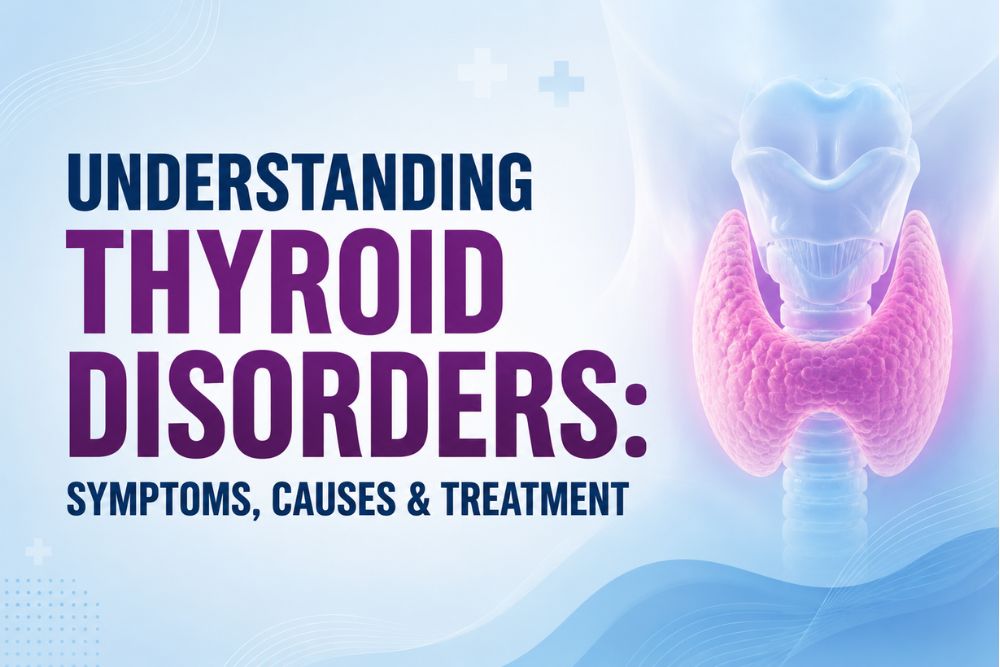
Conditions like PCOS, thyroid disorders, and stress can disrupt hormonal health.
3. Fertility and Ovulation
Fertility depends on healthy ovulation and reproductive organs. Understanding ovulation cycles helps women plan or prevent pregnancy.
Factors affecting fertility:
- Age
- Hormonal disorders
- Poor diet
- Stress
- Smoking
- Obesity
Women trying to conceive should monitor ovulation windows and maintain a healthy lifestyle.
4. Sexual and Intimate Health
Sexual wellness is an essential part of reproductive health.
Important practices include:
- Safe sex practices
- STI prevention
- Consent and communication
- Regular screenings
Maintaining intimate hygiene and consulting doctors for unusual symptoms is crucial.
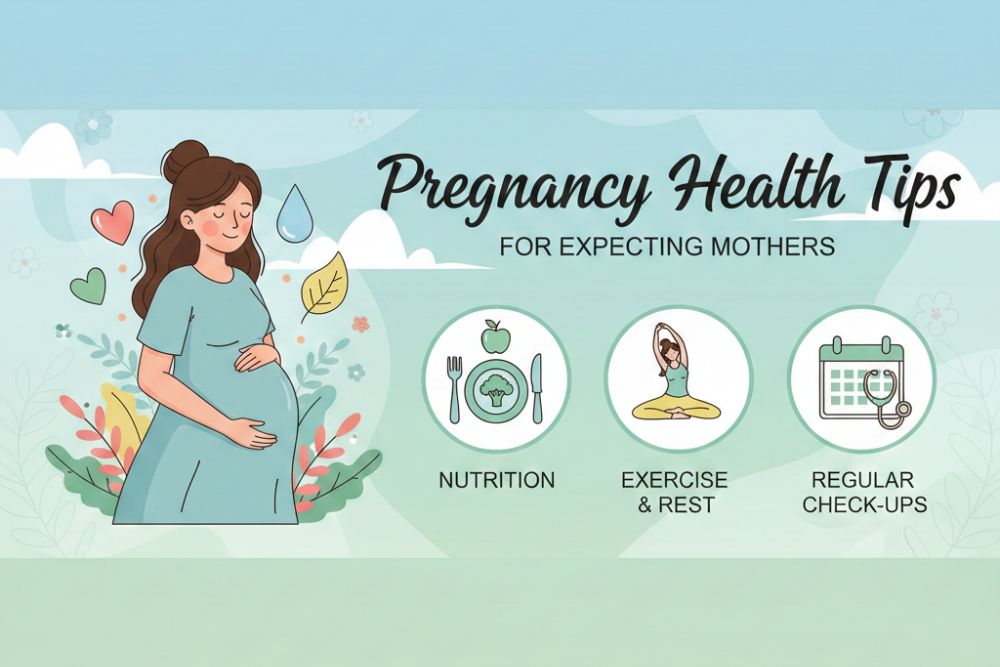
5. Pregnancy and Maternal Health
Reproductive health includes safe pregnancy planning, prenatal care, and postpartum wellness.
Essential pregnancy care:
- Prenatal vitamins
- Regular health checkups
- Balanced nutrition
- Exercise
- Emotional support
Healthy pregnancy habits support both mother and baby.
Common Reproductive Health Conditions in Women
Women may experience reproductive health issues at different life stages.
Common conditions include:
Polycystic Ovary Syndrome (PCOS)
A hormonal disorder causing irregular periods, acne, weight gain, and fertility challenges.
Endometriosis
A painful condition where tissue similar to the uterine lining grows outside the uterus.
Uterine Fibroids
Non-cancerous growths in the uterus causing pain and heavy bleeding.
Cervical Infections
Untreated infections may affect fertility and reproductive wellness.
Menopause-Related Changes
Hormonal decline during menopause can impact bone health, mood, and reproductive function.
Tips to Maintain Good Reproductive Health
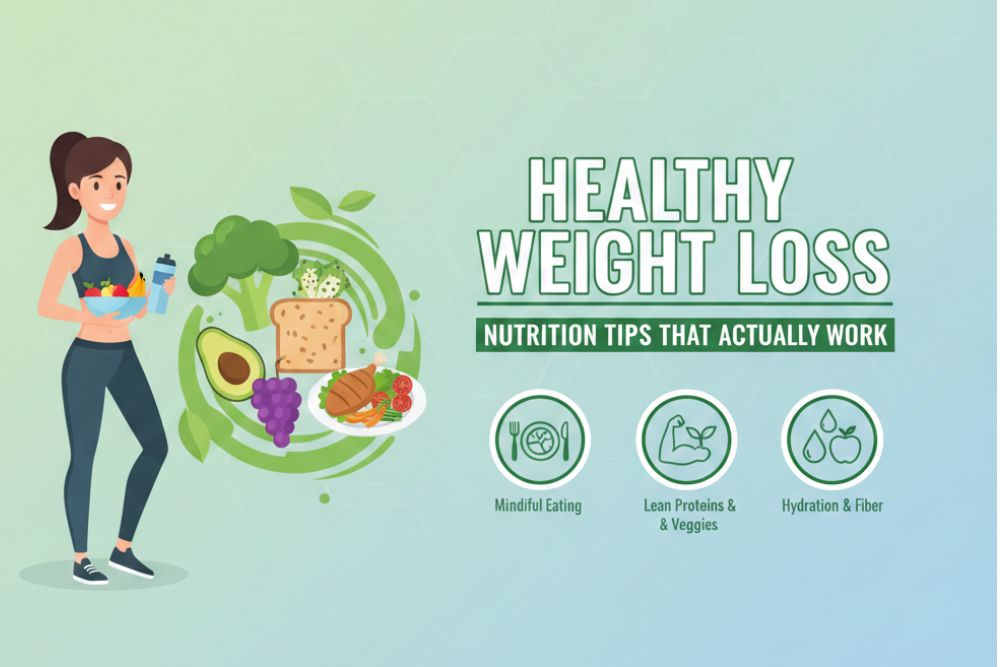
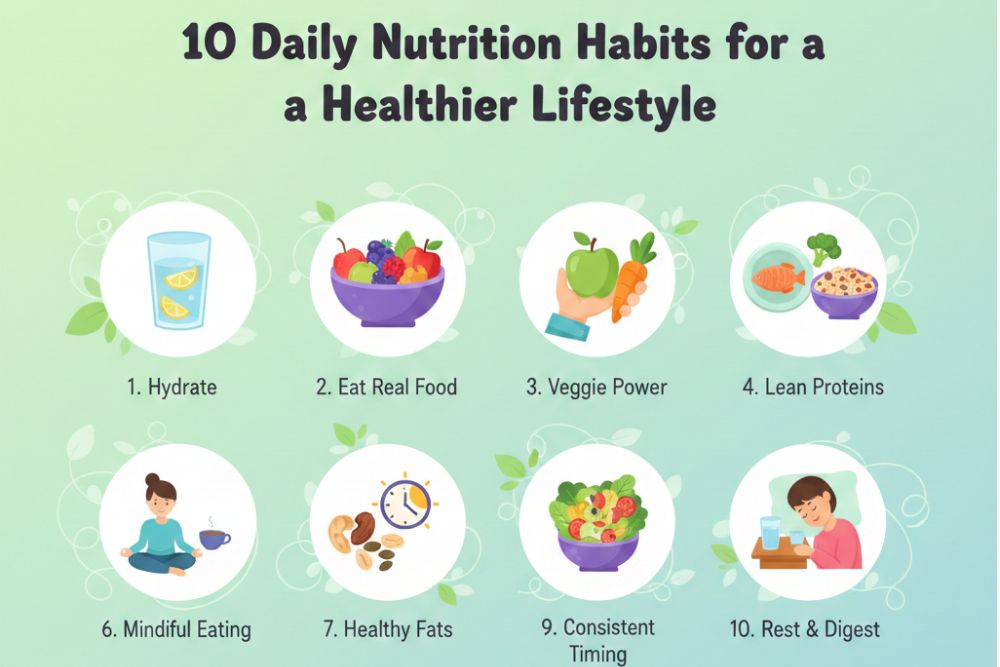
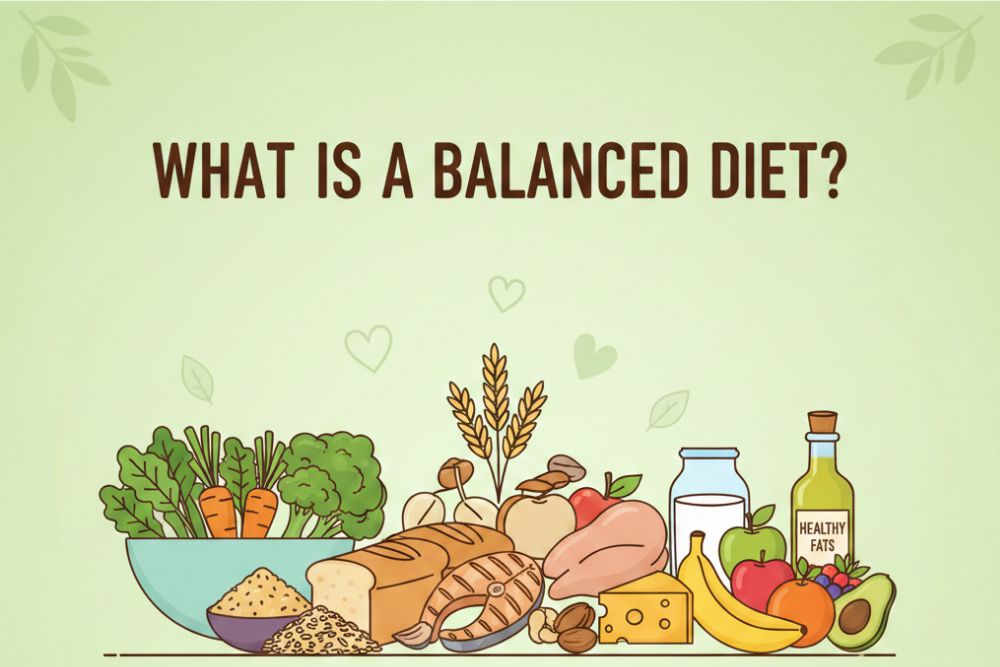
Eat a Balanced Diet
Include:
- Fruits and vegetables
- Whole grains
- Lean protein
- Healthy fats
- Iron-rich foods
Nutrition supports hormones and reproductive organs.
Stay Physically Active
Exercise helps:
- Regulate hormones
- Maintain healthy weight
- Reduce stress
- Improve blood circulation
Aim for at least 30 minutes of activity daily.
Practice Good Hygiene
Maintain intimate hygiene by:
- Wearing breathable cotton underwear
- Avoiding harsh chemical products
- Staying dry and clean
Proper hygiene reduces infection risk.
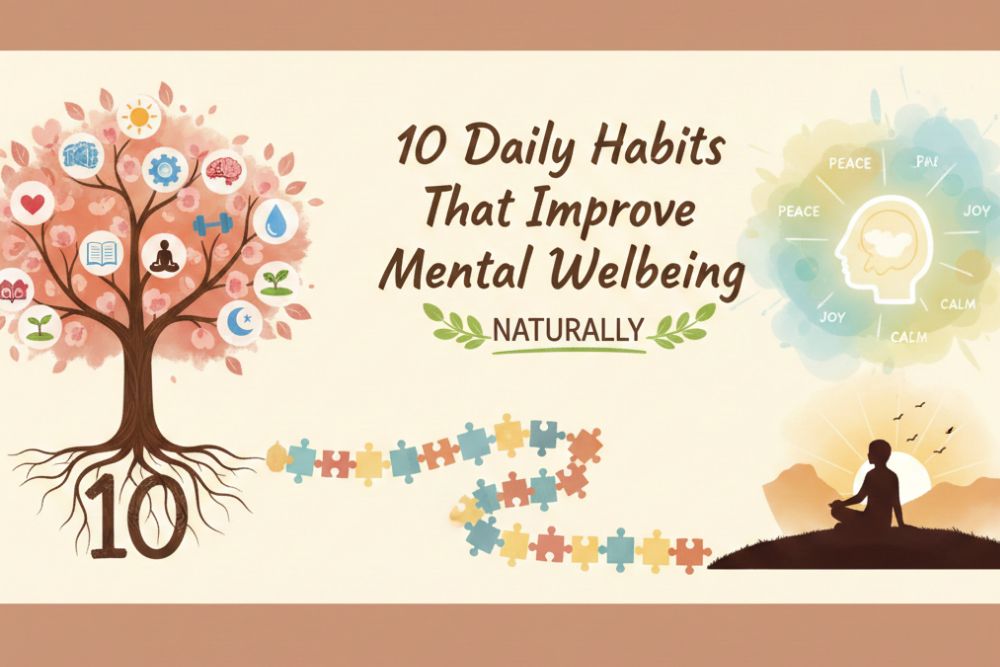
Manage Stress
Chronic stress impacts hormones and menstrual cycles.
Stress management techniques:
- Meditation
- Yoga
- Deep breathing
- Quality sleep
Schedule Regular Check-Ups
Visit a gynecologist for:
- Pap smears
- Breast exams
- STI testing
- Hormonal assessments
Preventive care supports long-term reproductive health.
When to See a Doctor
Consult a healthcare professional if you experience:
- Severe pelvic pain
- Irregular or missed periods
- Unusual discharge
- Heavy bleeding
- Difficulty conceiving
- Persistent hormonal symptoms
Early diagnosis improves treatment outcomes.
Conclusion
Understanding reproductive health empowers women to take control of their physical and hormonal well-being. By focusing on menstrual care, hormonal balance, fertility awareness, hygiene, and regular medical checkups, women can support lifelong health and wellness.
Prioritizing reproductive health is an important step toward a healthier and more informed life.