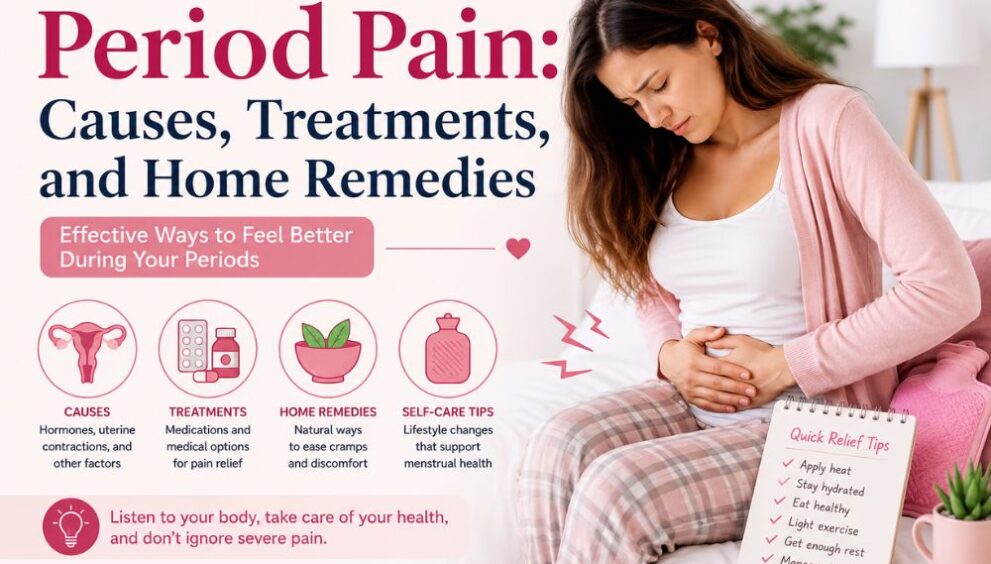
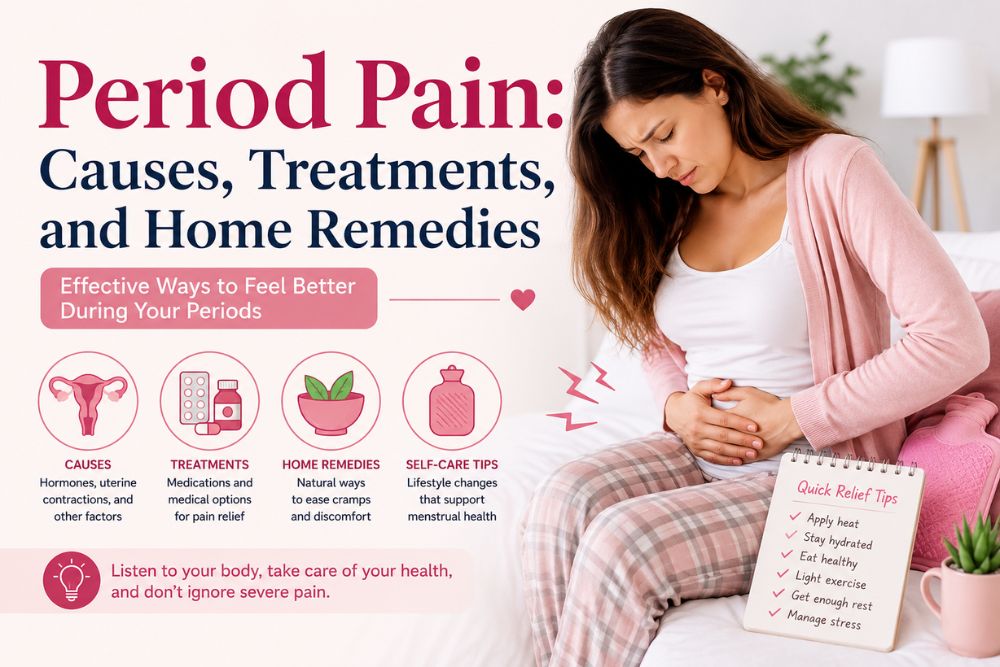
Period Pain: Causes, Treatments, and Home Remedies
Your Health Club / 4 months
June 23, 2026
0
4 min read
Understanding Period Pain
Period pain, also known as menstrual cramps or dysmenorrhea, is one of the most common menstrual symptoms experienced by women. While mild discomfort during menstruation is normal, severe pain can interfere with daily activities, work, school, and overall quality of life.
Understanding the causes of period pain and knowing how to manage it can help women experience healthier and more comfortable menstrual cycles.
What Causes Period Pain?
During menstruation, the uterus contracts to shed its lining. These contractions are triggered by hormone-like substances called prostaglandins.
Higher levels of prostaglandins can cause:
Strong uterine contractions
Reduced blood flow to the uterus
Increased pain and inflammation
The stronger the contractions, the more intense the cramps may feel.
Common Symptoms of Period Pain
Period pain can vary from person to person but often includes:
Cramping pain in the lower abdomen
Lower back pain
Pain radiating to the thighs
Nausea
Headaches
Fatigue
Diarrhea or digestive discomfort
Dizziness
Symptoms usually begin 1–2 days before or during menstruation and may last for several days.
Types of Period Pain
1. Primary Dysmenorrhea
This is the most common type of period pain.
Characteristics include:
Not caused by an underlying medical condition
Usually starts within a few years of menstruation beginning
Pain occurs around each menstrual cycle
2. Secondary Dysmenorrhea
This type is caused by reproductive health conditions such as:
Endometriosis
Uterine fibroids
Pelvic inflammatory disease (PID)
Adenomyosis
Ovarian cysts
Pain often becomes more severe over time and may continue even after periods end.
Risk Factors for Severe Menstrual Cramps
You may be more likely to experience painful periods if you:
Are under 30 years of age
Started menstruating early
Have heavy menstrual bleeding
Smoke cigarettes
Have a family history of severe menstrual cramps
Experience irregular menstrual cycles
Effective Treatments for Period Pain
💊 1. Pain Relief Medications
Nonsteroidal anti-inflammatory drugs (NSAIDs) may help reduce prostaglandin production and relieve cramps.
Examples include:
Ibuprofen
Naproxen
Always use medications as directed by your healthcare provider.
💊 2. Hormonal Birth Control
For some women, hormonal contraceptives can help:
Reduce menstrual flow
Decrease cramping
Regulate menstrual cycles
💊 3. Medical Treatment for Underlying Conditions
If period pain is caused by conditions such as endometriosis or fibroids, additional medical treatment may be required.
🌿 Home Remedies for Period Pain Relief
♨️ 1. Apply Heat
Using a heating pad or hot water bottle on the lower abdomen can help relax muscles and reduce cramps.
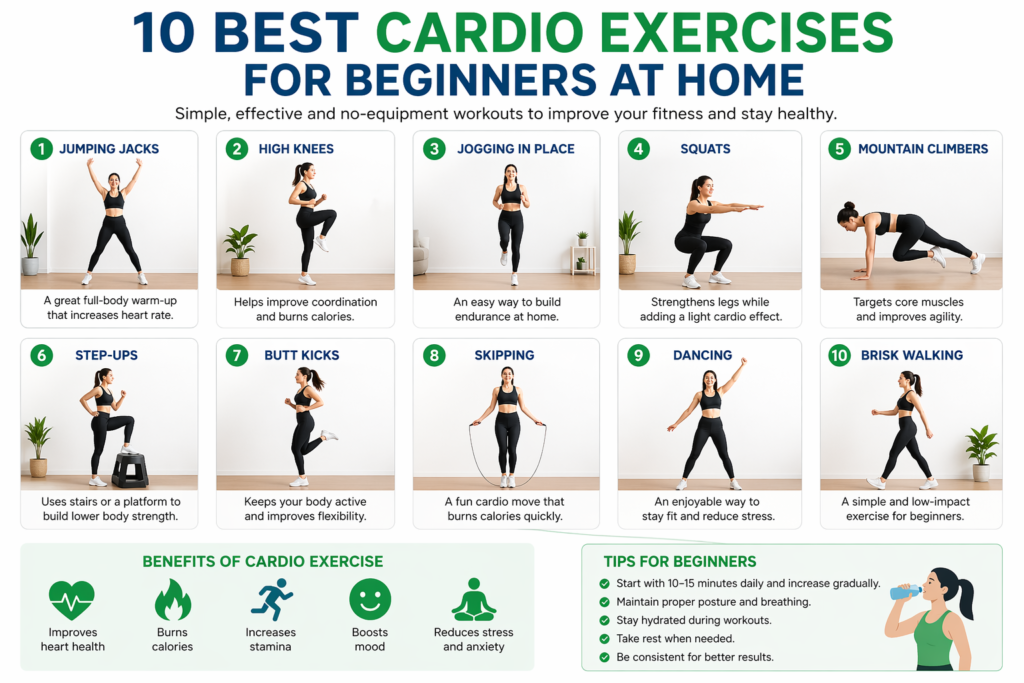
🚶 2. Gentle Exercise
Light physical activity may improve blood circulation and release endorphins that naturally reduce pain.
Recommended activities:
Walking
Stretching
Yoga
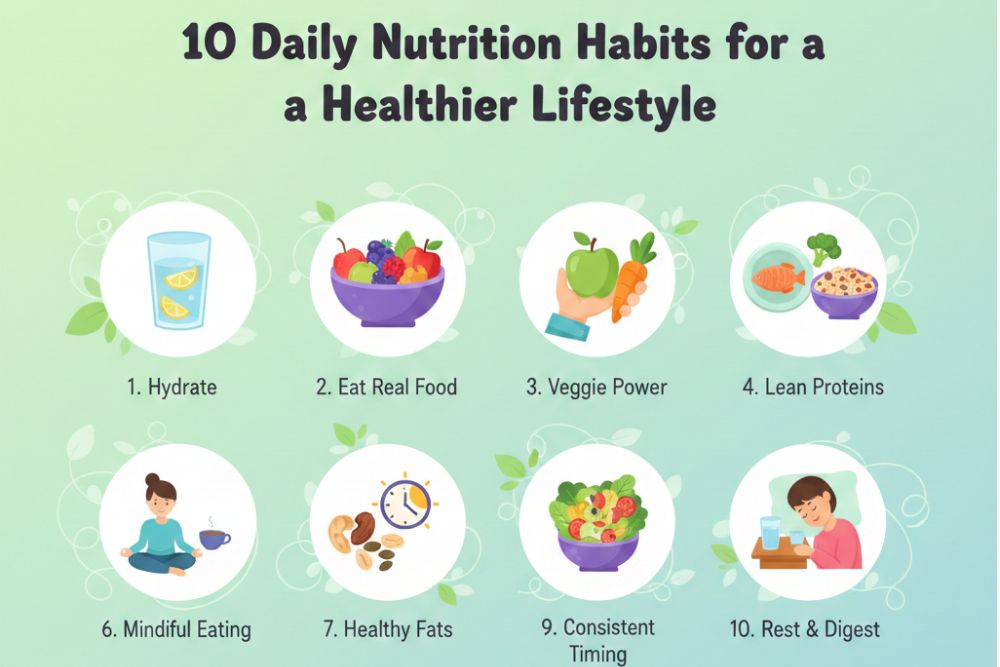
💧 3. Stay Hydrated
Drinking plenty of water may help reduce bloating and discomfort during menstruation.
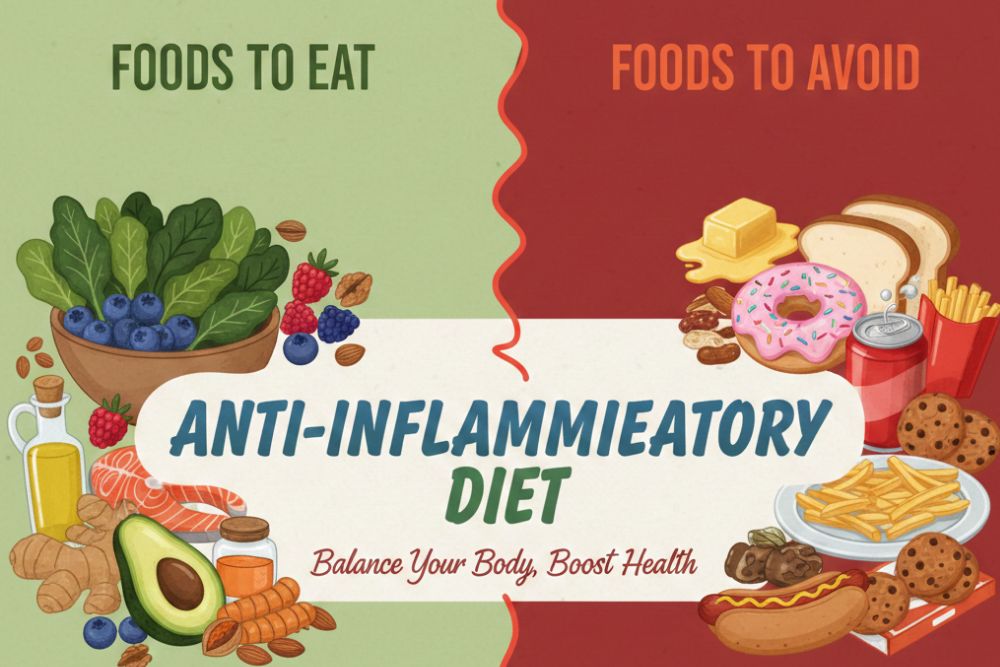
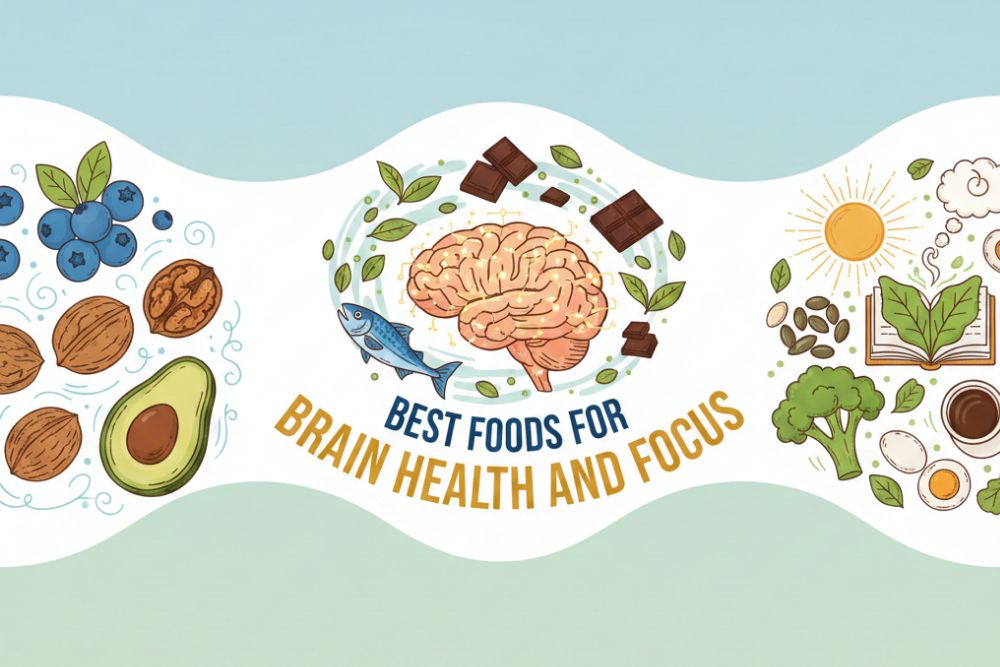
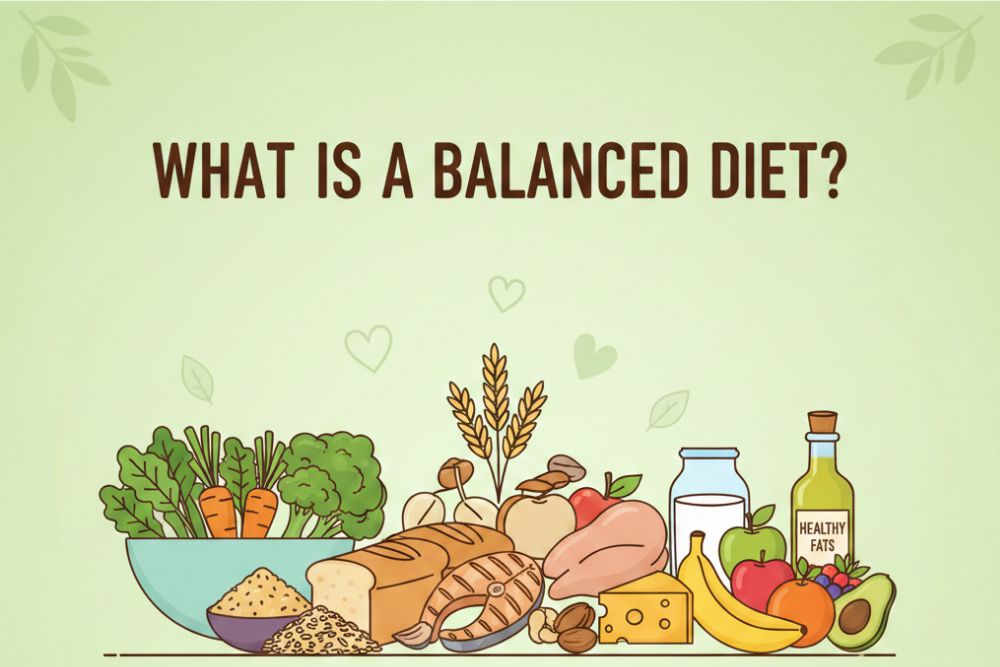
🥗 4. Eat Anti-Inflammatory Foods
A healthy diet can support menstrual health.
Include:
Fruits
Vegetables
Whole grains
Nuts and seeds
Fatty fish rich in omega-3 fatty acids
☕ 5. Limit Caffeine and Processed Foods
Reducing caffeine, sugary foods, and highly processed snacks may help decrease bloating and cramping.
😴 6. Get Enough Rest
Adequate sleep helps the body recover and manage pain more effectively.
🧘 7. Practice Relaxation Techniques
Stress can worsen menstrual symptoms.
Helpful techniques include:
Meditation
Deep breathing
Yoga
Mindfulness exercises
⚠️ When Should You See a Doctor?
Consult a healthcare professional if you experience:
Severe pain that prevents daily activities
Pain that suddenly becomes worse
Heavy menstrual bleeding
Pain lasting beyond your period
Pain during intercourse
Irregular or unusual menstrual cycles
Fever along with menstrual pain
These symptoms may indicate an underlying medical condition requiring evaluation.
Tips for Better Menstrual Health
Track your menstrual cycle regularly
Maintain a balanced diet
Exercise consistently
Manage stress levels
Stay hydrated
Attend regular gynecological checkups
Frequently Asked Questions (FAQs)
1. What causes period pain?
Period pain is mainly caused by uterine contractions triggered by prostaglandins during menstruation.
2. How can I relieve period pain naturally?
Heat therapy, exercise, hydration, healthy eating, and stress management can help reduce menstrual cramps naturally.
3. Is severe period pain normal?
Severe pain that interferes with daily activities is not always normal and should be evaluated by a healthcare professional.
4. When should I see a doctor for menstrual cramps?
You should seek medical attention if cramps are severe, worsen over time, or are accompanied by heavy bleeding or fever.
5. Can exercise help with period pain?
Yes. Light activities such as walking, stretching, and yoga can improve circulation and help relieve menstrual cramps.
💕 Final Thoughts
Period pain is a common part of menstruation, but it should not significantly disrupt your daily life. Understanding the causes, recognizing warning signs, and using effective treatments and home remedies can help manage menstrual cramps more comfortably. If pain becomes severe or unusual, seeking medical advice is important to identify any underlying health concerns and ensure proper care.