



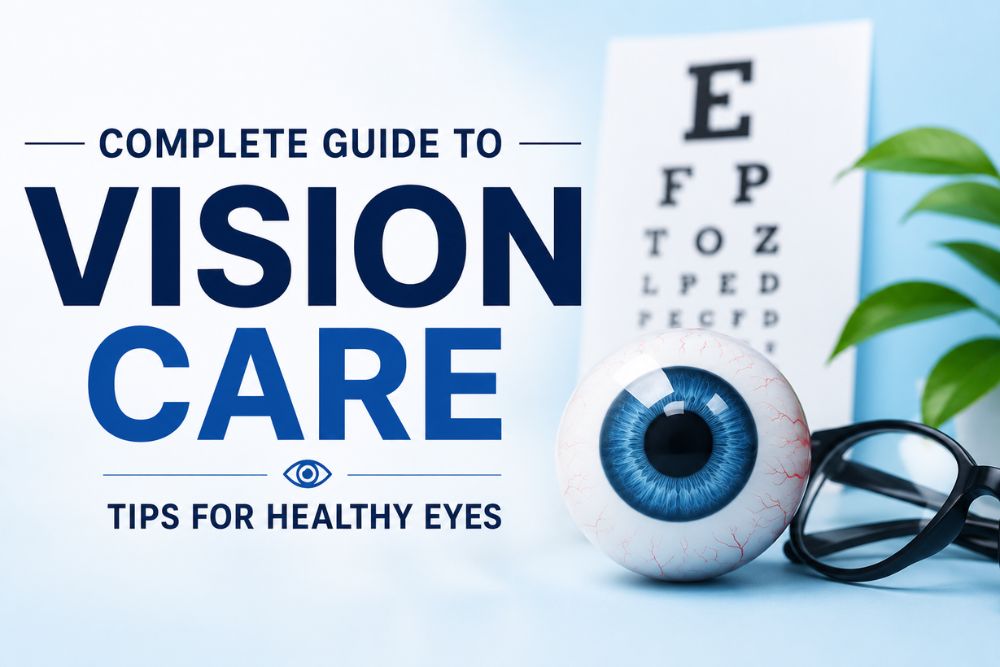












Complete Guide to Vision Care: Tips for Healthy Eyes

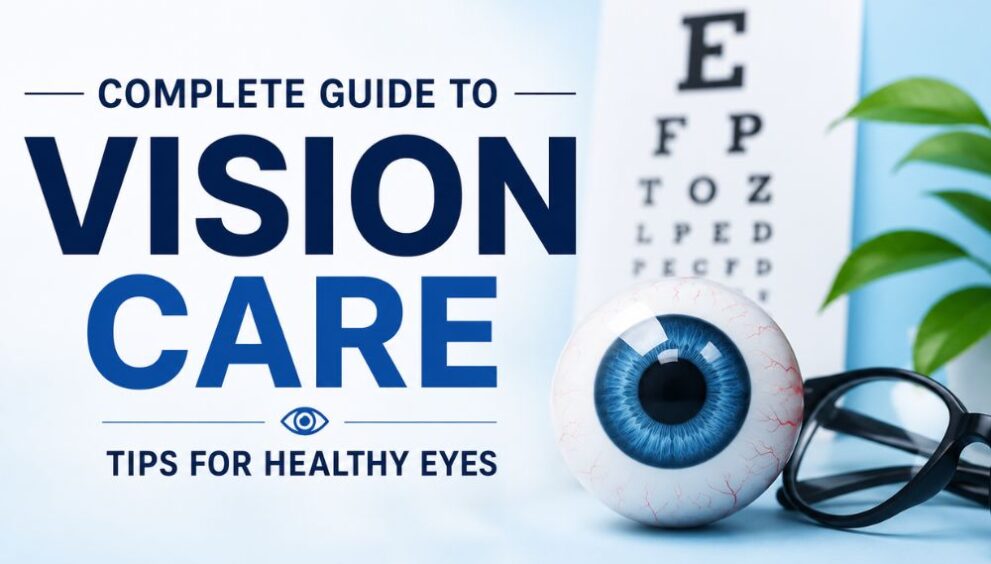
Healthy vision is essential for work, learning, driving, and enjoying everyday life. However, many eye conditions develop silently without noticeable symptoms. Practicing good vision care and scheduling regular eye exams can help detect problems early, protect your eyesight, and maintain lifelong eye health.
What Is Vision Care?
Vision care involves preventing, diagnosing, and treating eye conditions to keep your eyesight healthy. It includes:
- Regular eye examinations
- Early detection of eye diseases
- Prescription glasses or contact lenses
- Healthy lifestyle habits
- Treatment for eye conditions and injuries
Proper vision care helps preserve clear vision and improves overall quality of life.
Why Is Vision Care Important?
Routine eye care helps you:
- Detect eye diseases early
- Prevent avoidable vision loss
- Improve daily performance
- Maintain healthy eyesight as you age
- Support overall well-being
Early diagnosis often leads to more effective treatment.
Common Eye Problems
👓 Refractive Errors
Common vision problems include myopia (nearsightedness), hyperopia (farsightedness), astigmatism, and presbyopia. These are usually corrected with glasses or contact lenses.
💻 Digital Eye Strain
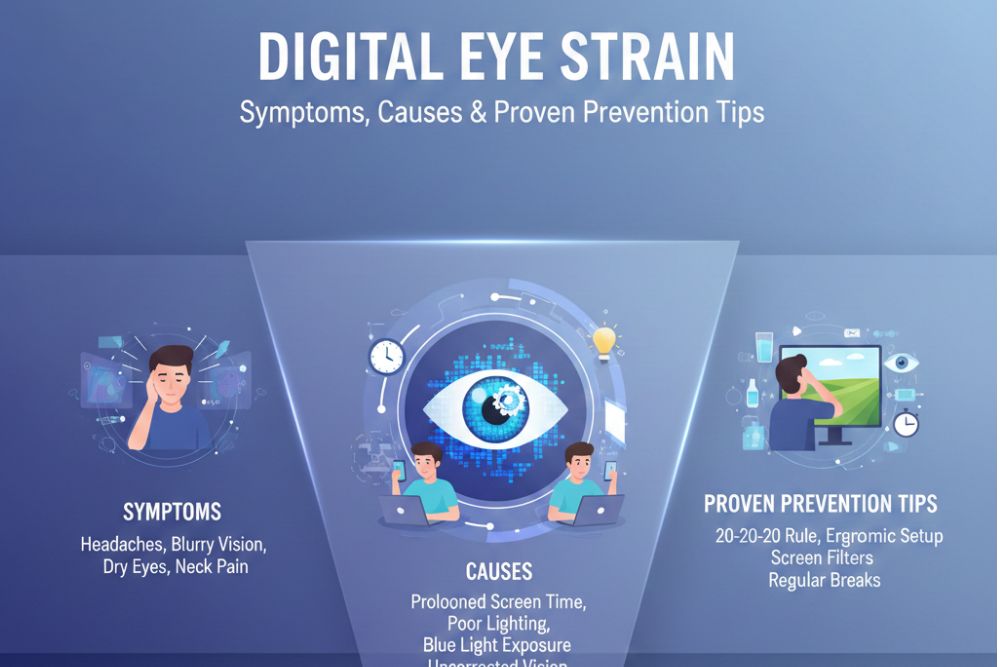
Long hours on digital devices can cause eye fatigue, blurred vision, headaches, dry eyes, and neck pain. Taking regular breaks helps reduce discomfort.
💧 Dry Eye Syndrome
Dry eyes may cause burning, redness, irritation, watery eyes, and blurred vision due to insufficient tear production.
👁️ Cataracts & Glaucoma
Cataracts cause cloudy vision, while glaucoma damages the optic nerve and can lead to permanent vision loss if left untreated. Regular eye exams are essential for early detection.
Top Tips for Healthy Eyes
👁️ Schedule Regular Eye Exams
Routine eye checkups help detect vision problems before symptoms appear. Adults should have an eye exam every 1–2 years or as recommended.
🥗 Eat an Eye-Healthy Diet
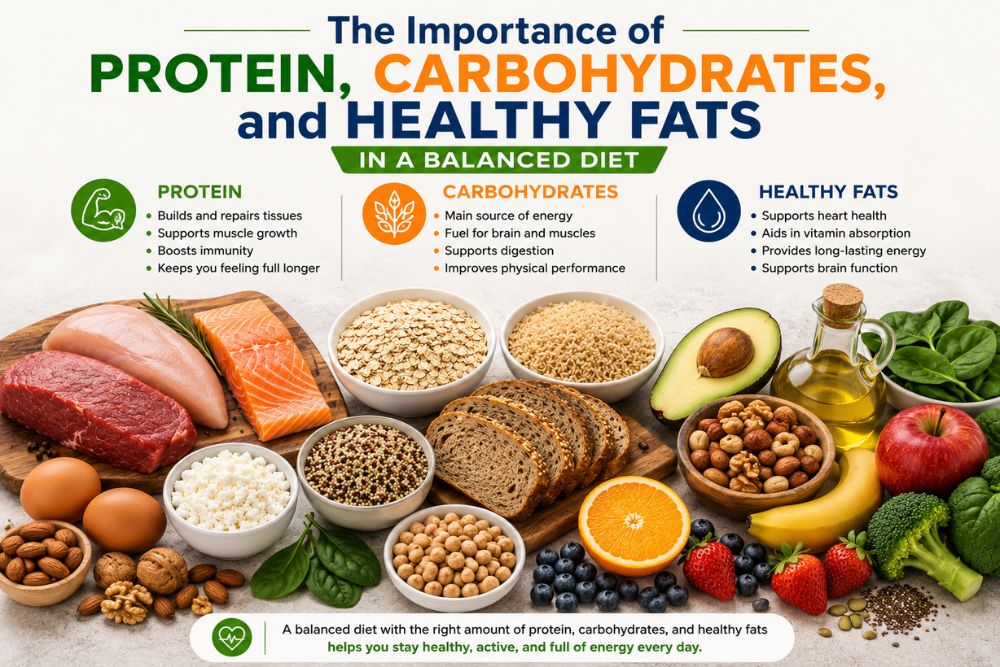
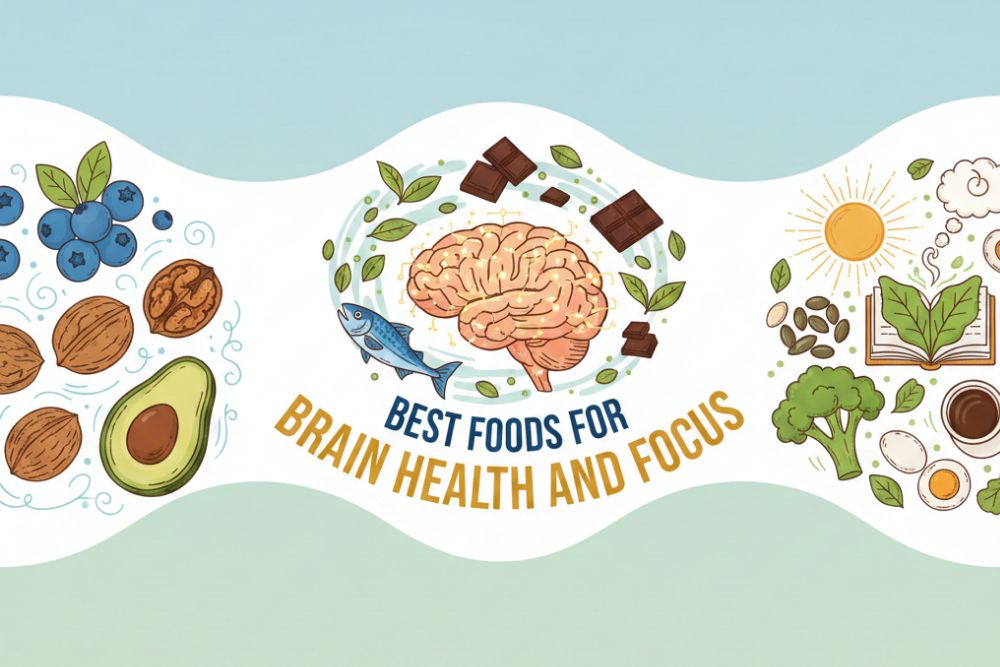
Include foods rich in vitamins A, C, E, omega-3 fatty acids, lutein, and zinc, such as carrots, leafy greens, eggs, salmon, citrus fruits, and nuts.
💻 Reduce Screen Strain
Follow the 20-20-20 Rule—every 20 minutes, look at something 20 feet away for 20 seconds. Blink frequently and adjust your screen brightness.
🕶️ Protect Your Eyes from UV Rays
Wear sunglasses that block 99–100% of UVA and UVB rays to reduce the risk of cataracts and other eye conditions.
💧 Stay Healthy
Stay hydrated, get enough sleep, avoid smoking, exercise regularly, and maintain good eye hygiene, especially if you wear contact lenses.
Warning Signs You Should Never Ignore
Consult an eye care professional immediately if you notice:
- Sudden vision loss
- Severe eye pain
- Flashes of light or floaters
- Persistent redness
- Double vision
- Eye injury
- Sudden blurred vision
Early treatment can help prevent permanent vision loss.
Eye Care for Every Age
Children should have regular eye screenings to support healthy learning and development. Older adults should schedule annual eye exams, manage chronic conditions like diabetes and high blood pressure, and monitor any changes in vision to detect age-related eye diseases early.
Conclusion
Healthy eyes are essential for a better quality of life. Regular eye examinations, a balanced diet, proper screen habits, UV protection, and healthy daily routines can help preserve your eyesight for years to come. By making vision care a priority today, you can reduce the risk of eye diseases and enjoy clear, healthy vision throughout every stage of life.