









































The Importance of Proper Nutrition for Senior Citizens


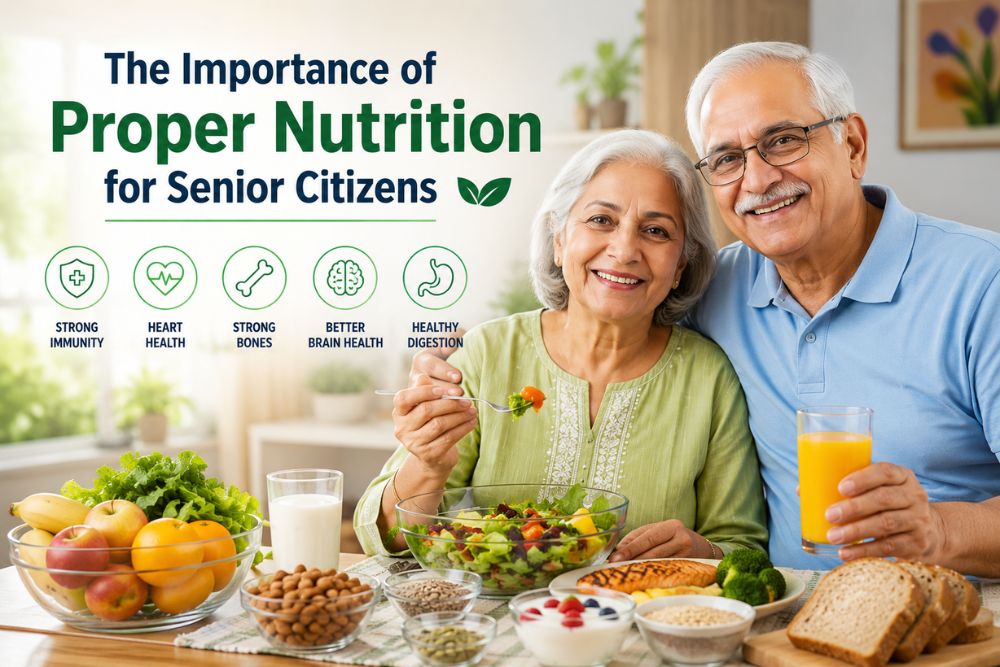
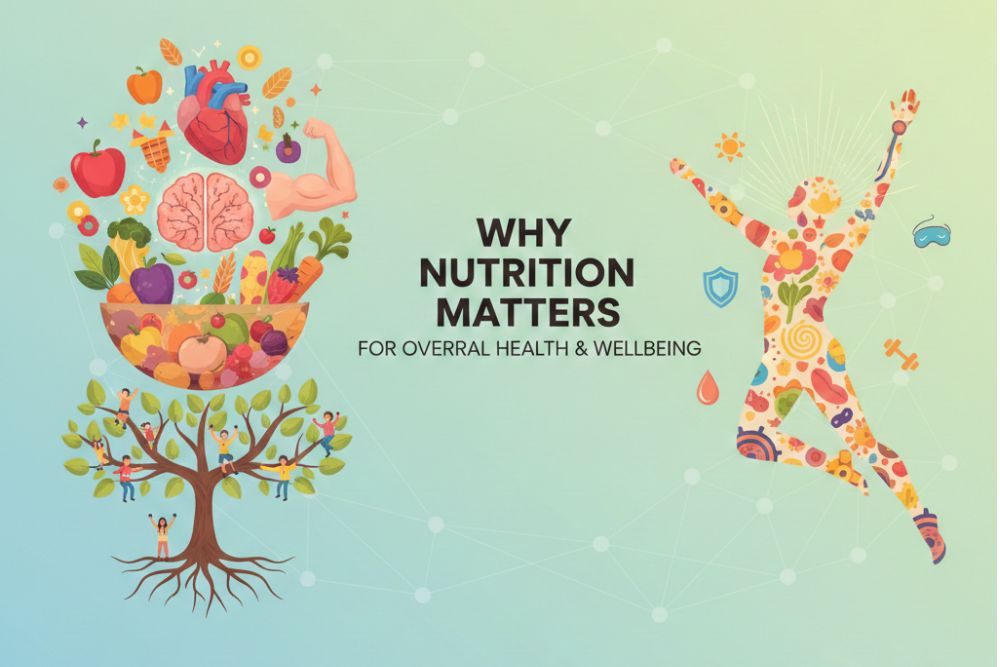
As people age, their nutritional needs change significantly. A balanced diet becomes even more important for maintaining strength, supporting immunity, preserving muscle mass, and reducing the risk of chronic diseases. Proper nutrition helps senior citizens stay active, independent, and healthy while improving their overall quality of life. By making informed food choices, older adults can support healthy aging and enjoy a more energetic lifestyle.
Why Proper Nutrition Matters for Seniors
The body naturally undergoes physical changes with age, including slower metabolism, reduced muscle mass, and changes in digestion. These changes make it essential to focus on nutrient-rich foods rather than simply eating fewer calories. A well-balanced diet provides the vitamins, minerals, protein, healthy fats, and fiber needed to support daily activities and long-term health.
1. Supports a Strong Immune System
A nutritious diet helps strengthen the immune system, making it easier for the body to fight infections and illnesses. Foods rich in vitamins C, D, E, zinc, and antioxidants support immune function and promote faster recovery from common health issues.
2. Maintains Muscle Strength
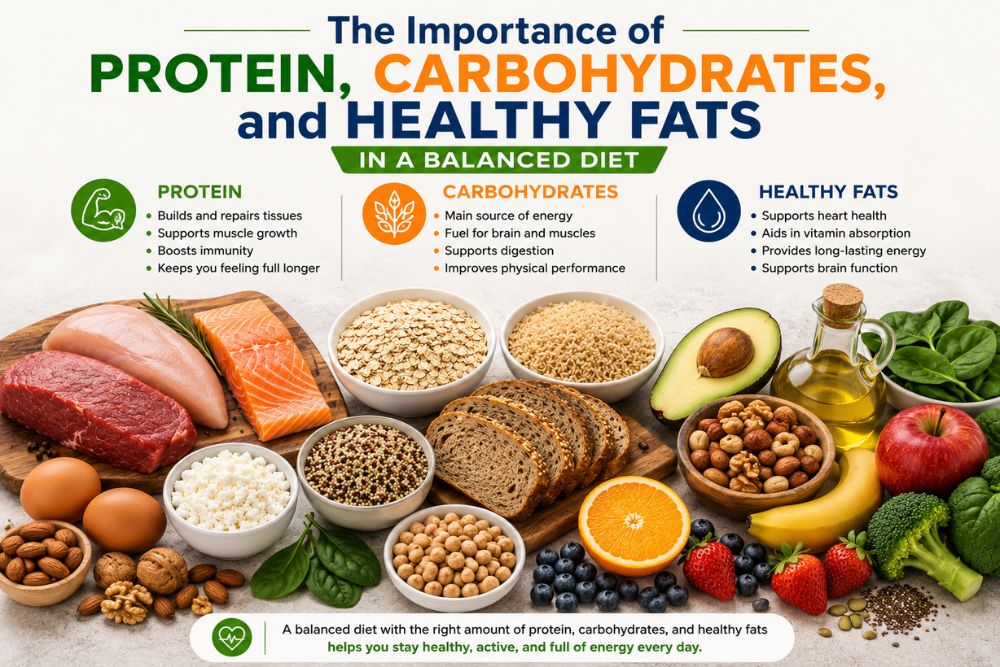
As people age, muscle loss becomes more common. Including protein-rich foods such as eggs, fish, dairy products, beans, lentils, and lean meats helps maintain muscle mass, improves mobility, and reduces the risk of falls and injuries.
3. Promotes Heart Health
Heart disease remains one of the leading health concerns among older adults. Eating whole grains, fruits, vegetables, nuts, seeds, and healthy fats can help manage cholesterol levels, maintain healthy blood pressure, and reduce the risk of cardiovascular diseases.
4. Strengthens Bones
Calcium and vitamin D are essential for maintaining strong bones and preventing osteoporosis. Dairy products, leafy green vegetables, fortified cereals, and regular sunlight exposure contribute to better bone health and reduce the risk of fractures.
5. Supports Brain Function
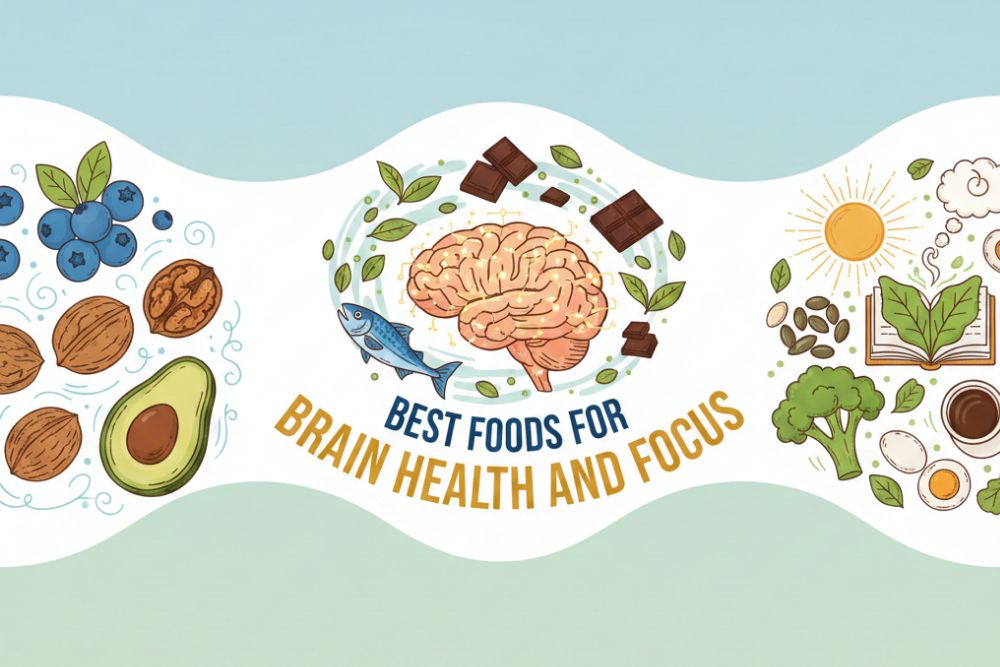
Certain nutrients help maintain memory, concentration, and cognitive health. Foods rich in omega-3 fatty acids, antioxidants, B vitamins, and healthy fats may support brain function and contribute to healthy aging.
6. Improves Digestive Health
Digestive issues become more common with age. Eating fiber-rich foods such as fruits, vegetables, whole grains, and legumes supports healthy digestion, prevents constipation, and promotes gut health. Drinking enough water also plays a vital role in maintaining digestive function.
7. Helps Manage Chronic Conditions
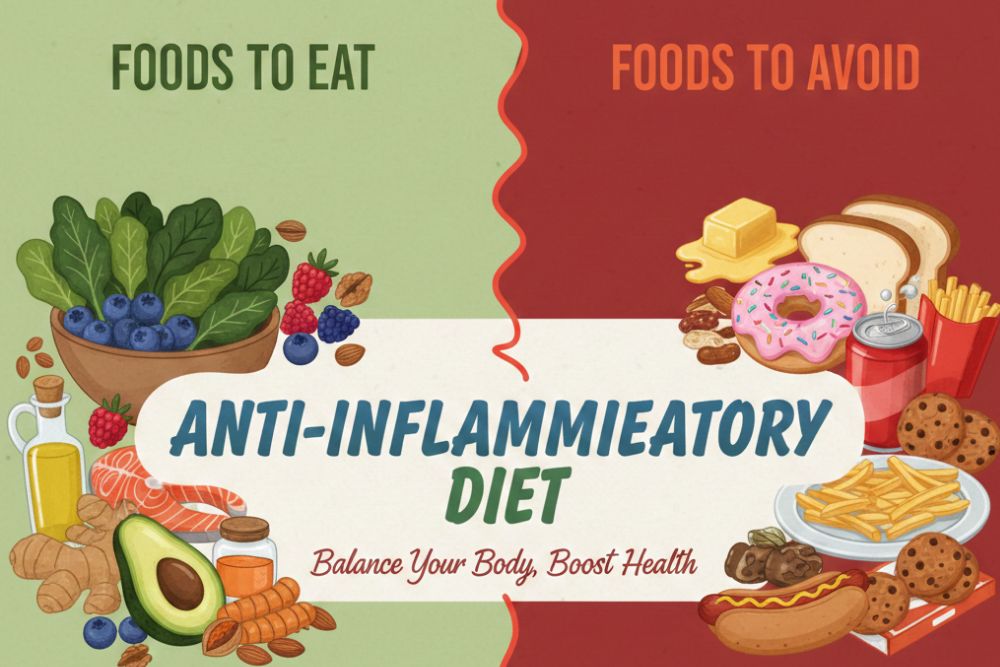
A healthy diet can assist in managing common age-related conditions such as diabetes, high blood pressure, arthritis, and high cholesterol. Choosing nutrient-dense foods while limiting processed foods, added sugars, and excessive salt supports better long-term health outcomes.
Healthy Eating Tips for Senior Citizens
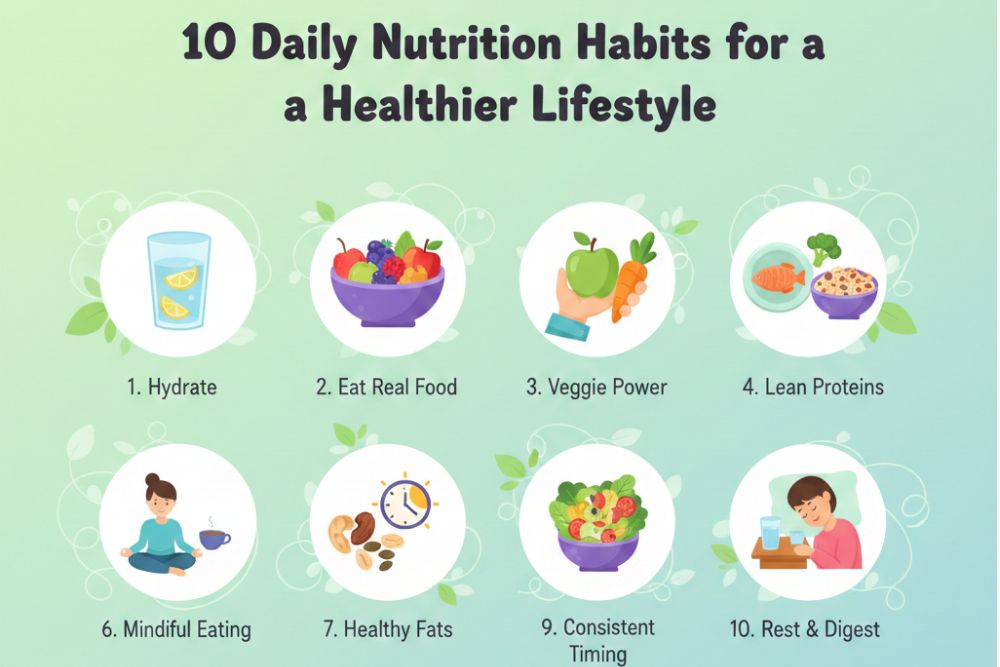
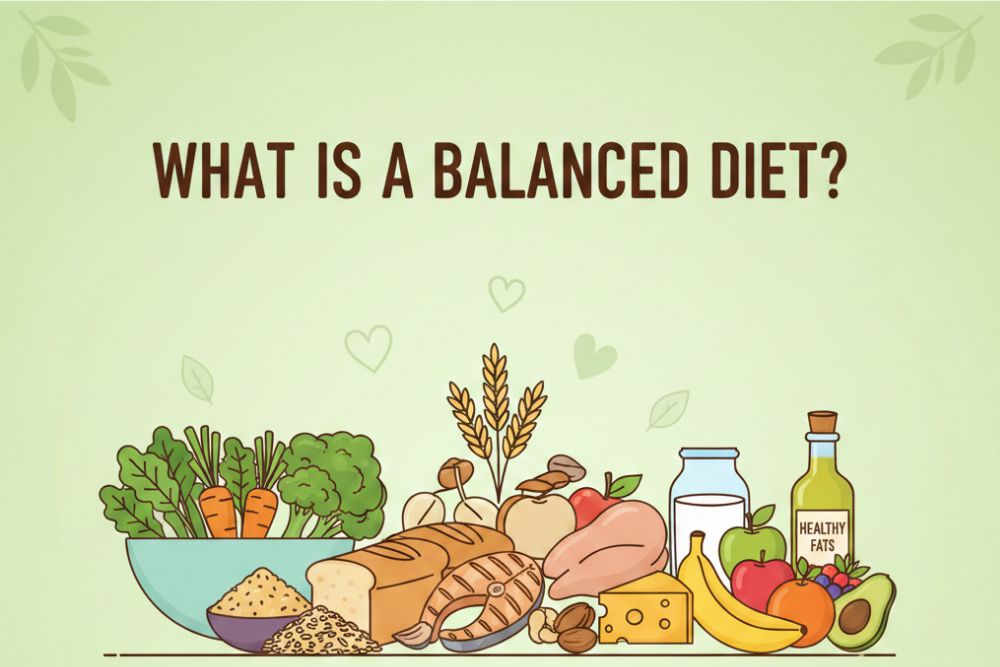
- Include a variety of colorful fruits and vegetables every day.
- Choose lean proteins like fish, chicken, eggs, beans, and lentils.
- Eat whole grains instead of refined carbohydrates.
- Include healthy fats from nuts, seeds, avocados, and olive oil.
- Stay hydrated by drinking plenty of water throughout the day.
- Limit sugary drinks, processed foods, and foods high in sodium.
- Eat smaller, balanced meals if appetite decreases.
Conclusion
Proper nutrition is one of the most important foundations of healthy aging. A balanced diet provides the essential nutrients needed to maintain strength, improve immunity, support heart and brain health, and reduce the risk of chronic diseases. By making healthy food choices and following a nutritious eating plan, senior citizens can enjoy greater independence, improved well-being, and a higher quality of life.
Eating well today can help create a healthier, more active tomorrow.