





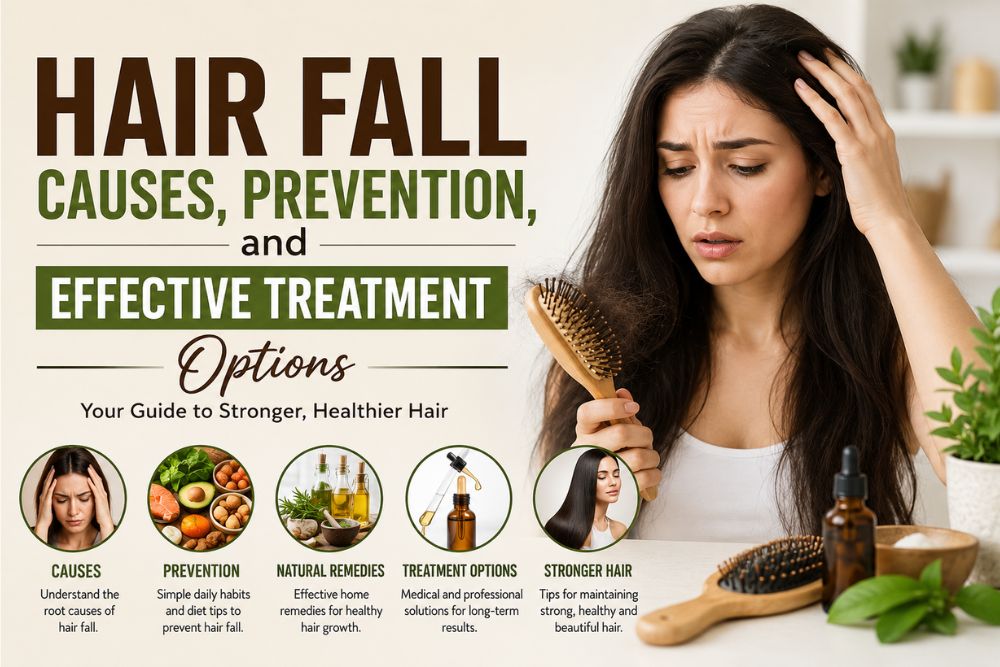








Hair Fall Causes, Prevention, and Effective Treatment Options

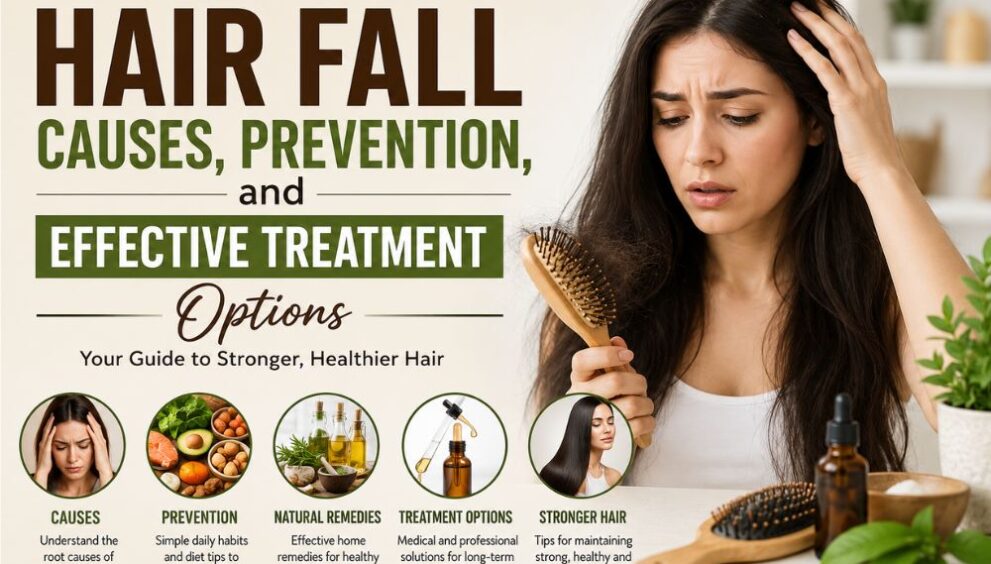
Hair fall is one of the most common concerns affecting both men and women worldwide. While losing a small amount of hair daily is a natural part of the hair growth cycle, excessive hair shedding can be a sign of underlying health issues, lifestyle factors, or scalp conditions.
Understanding the causes of hair fall and taking proactive steps can help maintain healthy hair growth and improve overall hair and scalp health.
What Is Hair Fall?
Hair fall occurs when hair sheds faster than it can be replaced. The average person loses around 50 to 100 hairs per day as part of the normal growth cycle. However, excessive hair loss may result in thinning hair, reduced volume, or visible bald patches.
Early identification of the cause is essential for effective treatment and prevention.
Understanding the Hair Growth Cycle
Hair growth occurs in three main phases:
Anagen Phase (Growth Phase): This active growth stage lasts between 2 to 7 years and determines hair length.
Catagen Phase (Transition Phase): A short phase where hair growth slows and follicles begin shrinking.
Telogen Phase (Resting Phase)
- Hair rests before naturally shedding and making room for new growth.
- Disruptions to this cycle can lead to increased hair fall.
Common Causes of Hair Fall
1. Genetic Factors
Hereditary hair loss, also known as androgenetic alopecia, is one of the leading causes of hair thinning.
Common signs include:
- Receding hairline
- Thinning at the crown
- Gradual reduction in hair density
Genetics can influence how hair follicles respond to hormonal changes.
2. Hormonal Imbalances
Hormones play a major role in hair growth.
Conditions associated with hair loss include:
- Polycystic Ovary Syndrome (PCOS)
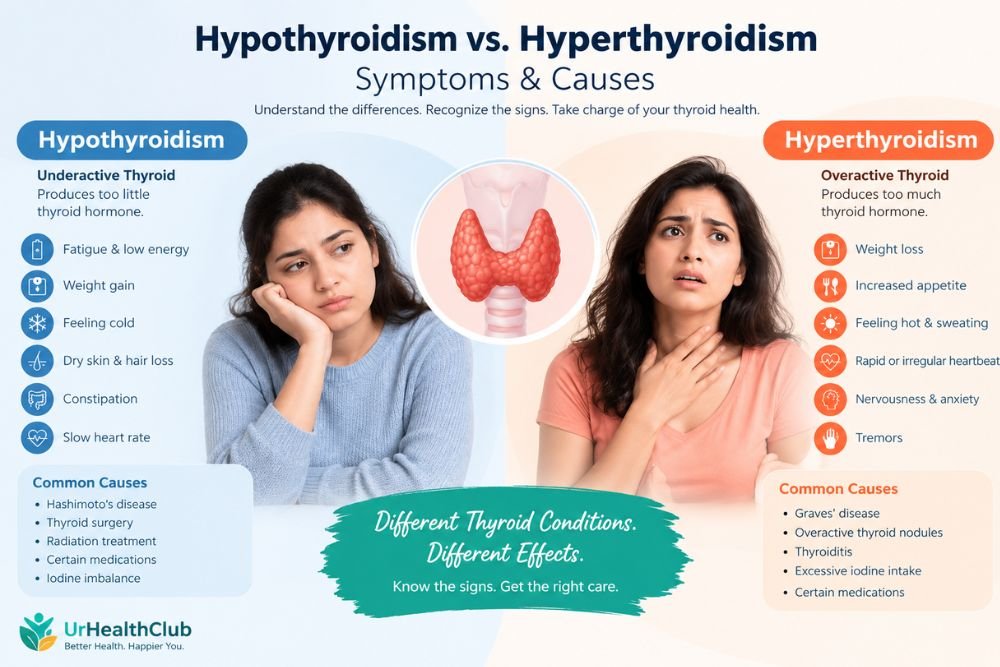
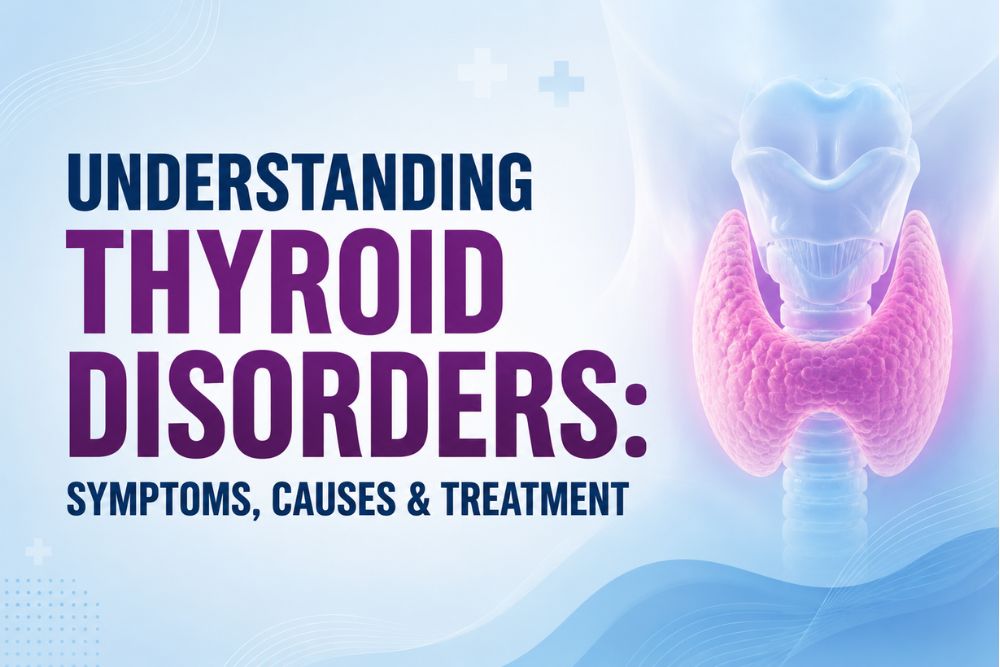
- Thyroid disorders
- Menopause
- Pregnancy-related hormonal changes
Hormonal fluctuations may weaken hair follicles and increase shedding.
3. Nutritional Deficiencies
Hair requires essential nutrients for healthy growth.
Deficiencies in the following may contribute to hair loss:
- Iron
- Protein
- Vitamin D
- Zinc
- Biotin
- Vitamin B12
Poor dietary habits can impact hair strength and scalp health.
4. Stress and Emotional Factors
Physical or emotional stress can trigger excessive hair shedding, known as telogen effluvium.
Common stress-related triggers:
- Illness
- Surgery
- Emotional trauma
- Sleep deprivation
- Chronic stress
Managing stress levels can significantly improve hair health.
5. Scalp Conditions
A healthy scalp provides the foundation for healthy hair growth.
Scalp issues that may contribute to hair fall include:
- Dandruff
- Scalp psoriasis
- Fungal infections
- Seborrheic dermatitis
Untreated scalp problems can damage hair follicles over time.
6. Excessive Hair Styling
Frequent exposure to heat and harsh treatments can weaken hair.
Common damaging practices:
- Excessive blow drying
- Straightening and curling
- Tight hairstyles
- Chemical treatments
- Frequent coloring
Over time, these habits can cause hair breakage and thinning.
7. Medical Conditions and Medications
Certain health conditions may contribute to hair loss.
Examples include:
- Autoimmune disorders
- Diabetes
- Anemia
- Chronic illnesses
Some medications used for blood pressure, depression, or chemotherapy may also affect hair growth.
Signs You May Be Experiencing Excessive Hair Fall
Watch for symptoms such as:
- Increased hair on pillows or brushes
- Noticeable thinning
- Widening hair part
- Reduced hair volume
- Bald patches
- Excessive shedding during washing
Seeking professional advice early can help identify the cause.
Effective Hair Fall Prevention Tips
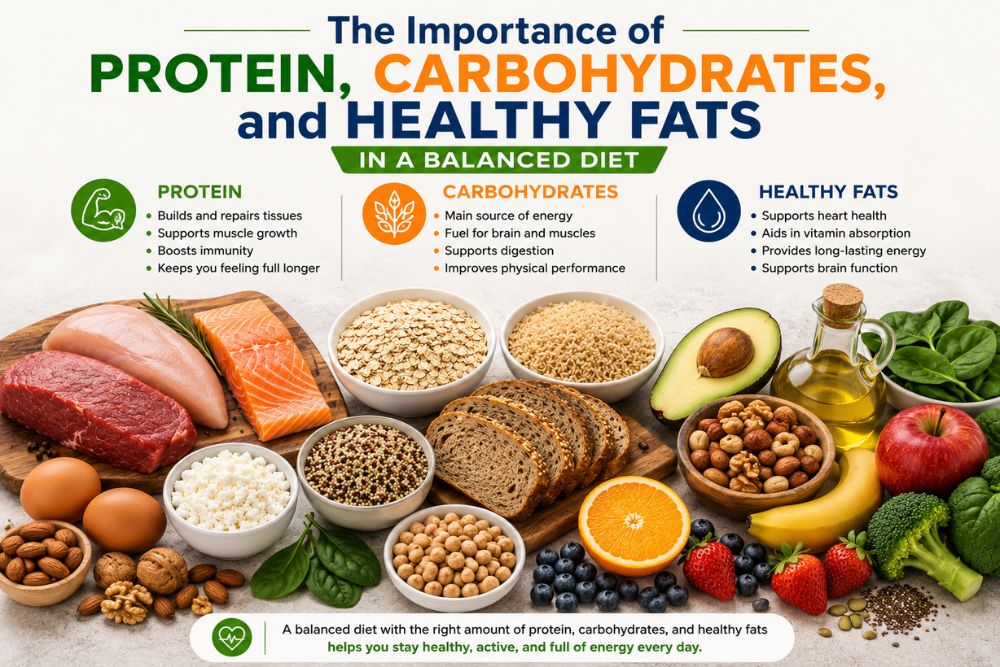
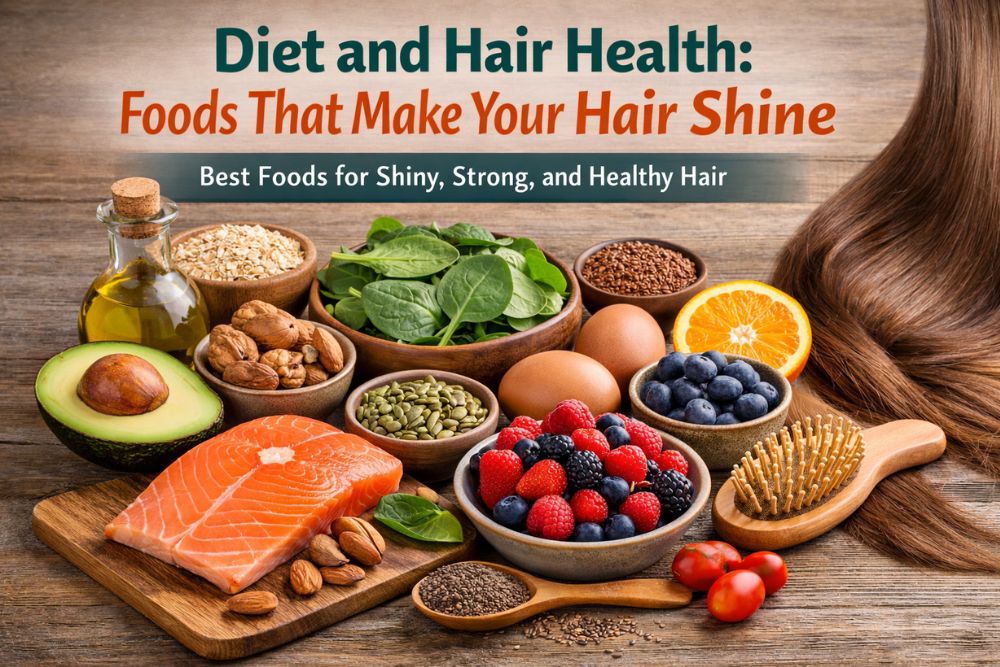
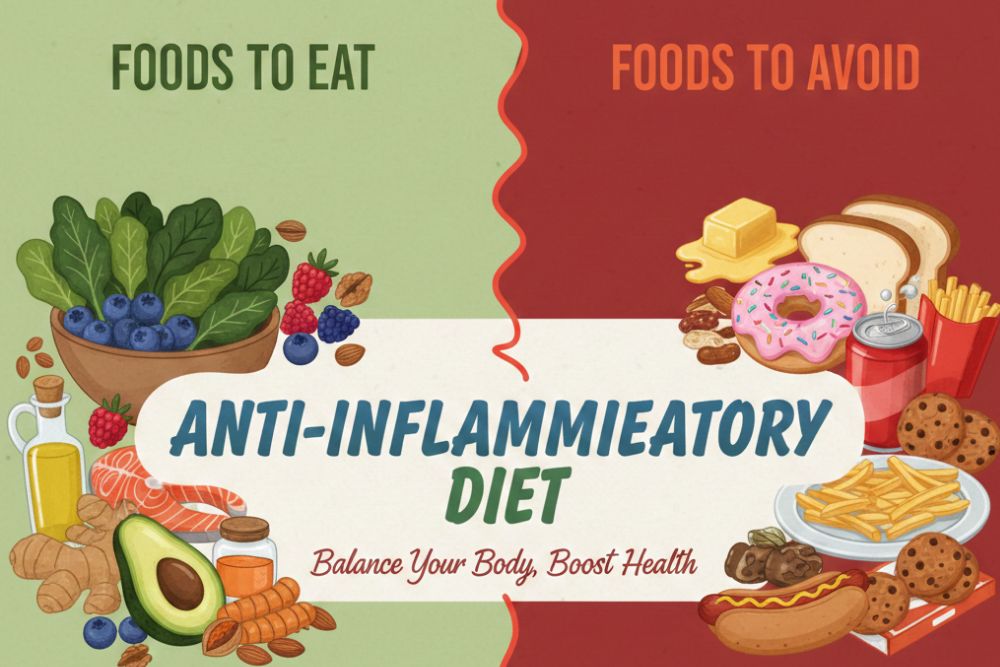
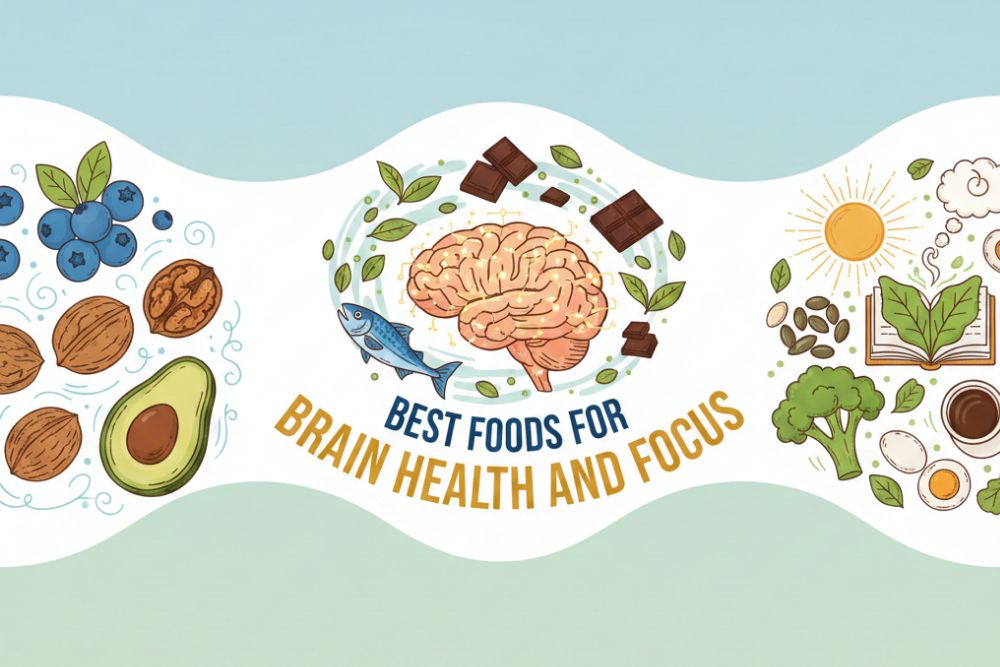
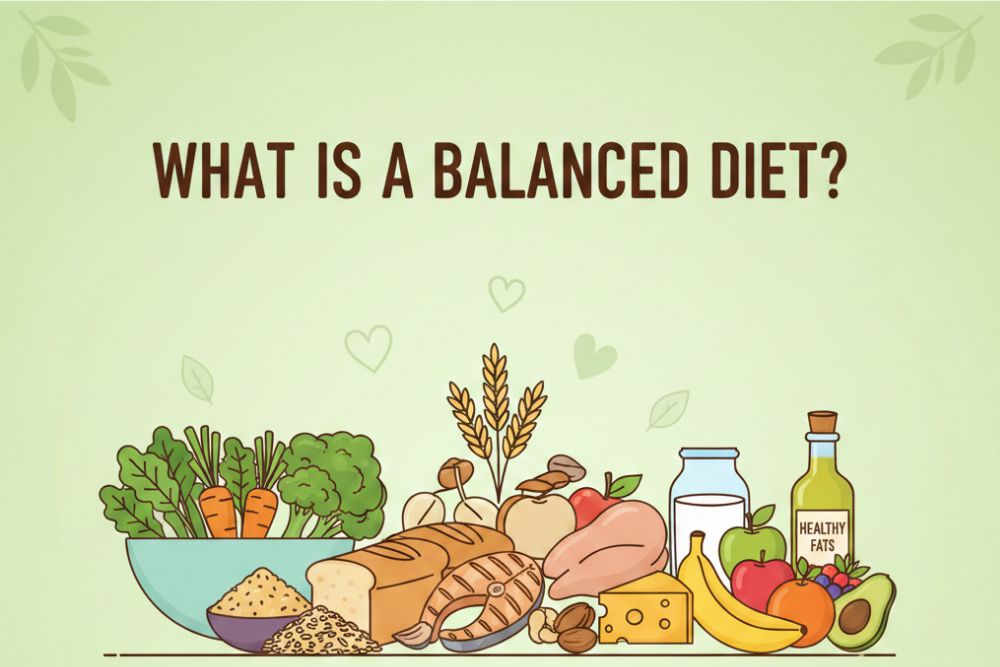
Maintain a Balanced Diet
Nutrition plays a critical role in hair growth.
Include foods rich in:
- Protein
- Iron
- Omega-3 fatty acids
- Vitamins A, C, D, and E
- Zinc and Biotin
Healthy eating supports stronger hair follicles.
Practice Gentle Hair Care
Protect your hair by:
- Using mild shampoos
- Avoiding excessive heat styling
- Limiting chemical treatments
- Using a wide-tooth comb
- Avoiding tight hairstyles
Gentle care reduces breakage and damage.
Keep Your Scalp Healthy
Scalp health directly affects hair growth.
Tips include:
- Regular cleansing
- Managing dandruff
- Avoiding product buildup
- Keeping the scalp hydrated
A healthy scalp creates the ideal environment for hair growth.
Manage Stress Levels
Stress reduction techniques can support healthy hair growth.
Helpful methods include:
- Meditation
- Yoga
- Exercise
- Deep breathing
- Quality sleep
Reducing stress may decrease excessive shedding.
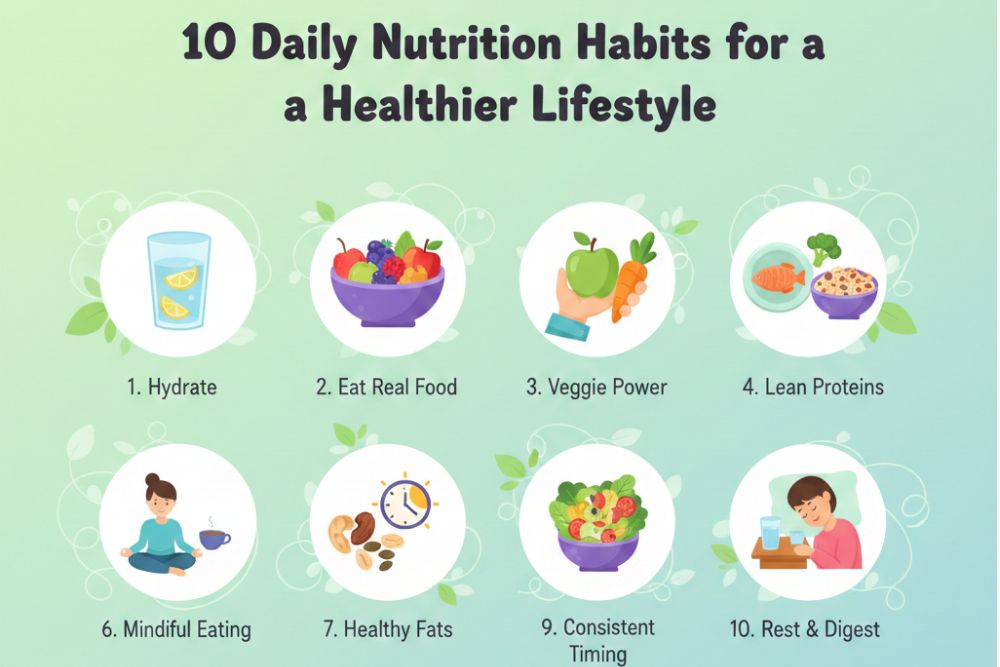
Stay Hydrated
Proper hydration supports circulation and nutrient delivery to hair follicles.
Aim to drink enough water throughout the day for overall wellness.
Effective Hair Fall Treatment Options
Topical Treatments
Certain scalp treatments may help stimulate hair growth and reduce hair loss when recommended by healthcare professionals.
Benefits may include:
- Improved follicle activity
- Reduced hair thinning
- Enhanced scalp health
Nutritional Support
Supplements may be beneficial when deficiencies are identified.
Commonly recommended nutrients include:
- Iron
- Vitamin D
- Biotin
- Zinc
Always seek professional guidance before starting supplements.
Scalp Therapies
Professional scalp treatments can improve scalp health and support hair growth.
These may help:
- Remove buildup
- Improve circulation
- Strengthen follicles
Medical Treatments
For persistent or severe hair loss, healthcare providers may recommend specialized therapies based on the underlying cause.
Early treatment often leads to better outcomes.
Lifestyle Modifications
Long-term hair health often improves with:
- Balanced nutrition
- Regular exercise
- Stress management
- Adequate sleep
- Proper scalp care
These healthy habits support natural hair growth.
When to Consult a Healthcare Professional
Seek medical advice if you experience:
- Sudden hair loss
- Bald patches
- Persistent scalp irritation
- Significant thinning
- Hair loss accompanied by other symptoms
A professional evaluation can help identify underlying health concerns and recommend appropriate treatment.
Conclusion
Hair fall can result from various factors, including genetics, hormonal changes, nutritional deficiencies, stress, scalp conditions, and lifestyle habits. Understanding the root cause is the first step toward effective prevention and treatment.
By maintaining a healthy scalp, following a nutrient-rich diet, managing stress, and seeking timely medical guidance when necessary, you can support stronger, healthier hair growth and reduce excessive hair loss over time.