









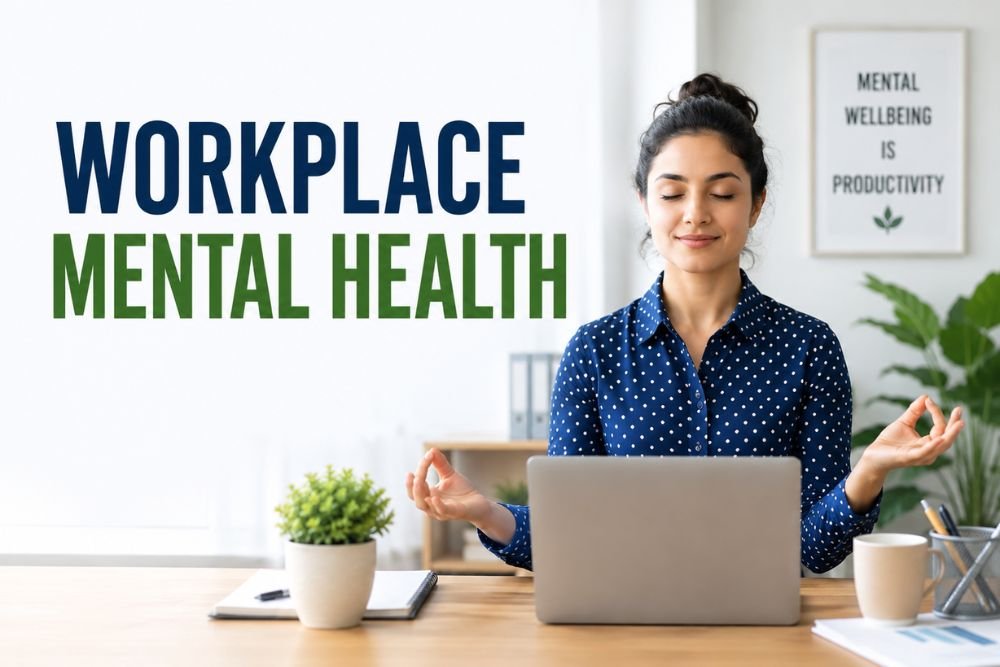

















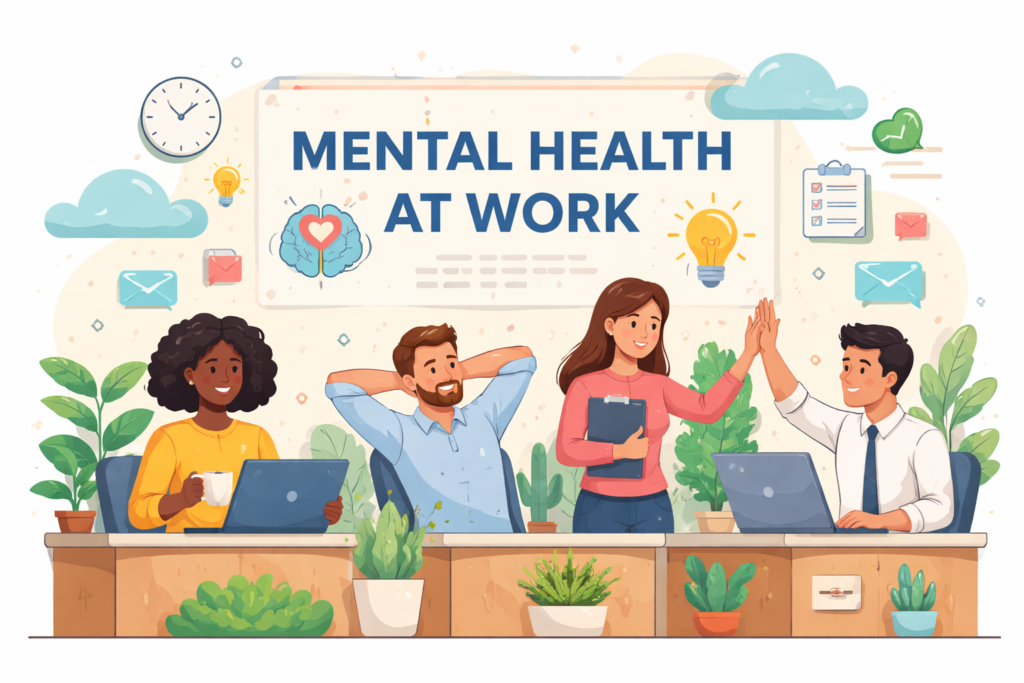


























Workplace Mental Health: How to Protect Your Mental Wellbeing at Work

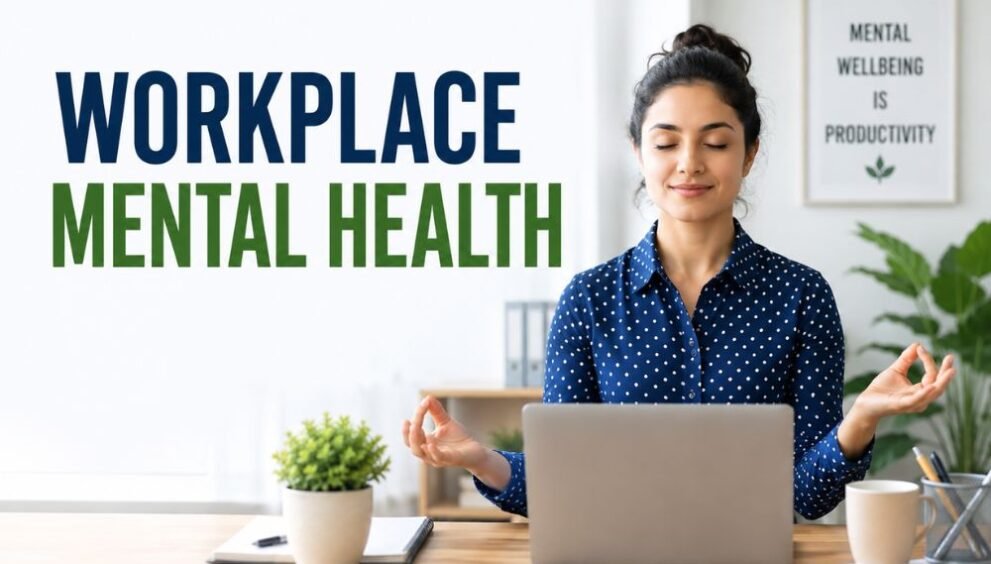
Work is an important part of everyday life, but workplace pressure, long hours, deadlines, and difficult situations can sometimes affect our mental wellbeing. Workplace mental health is about maintaining emotional and psychological wellbeing while managing professional responsibilities.
A healthy approach to work does not mean avoiding stress completely. Instead, it means learning how to manage pressure, maintain healthy boundaries, communicate openly, and recognize when additional support may be needed.
Why Workplace Mental Health Matters
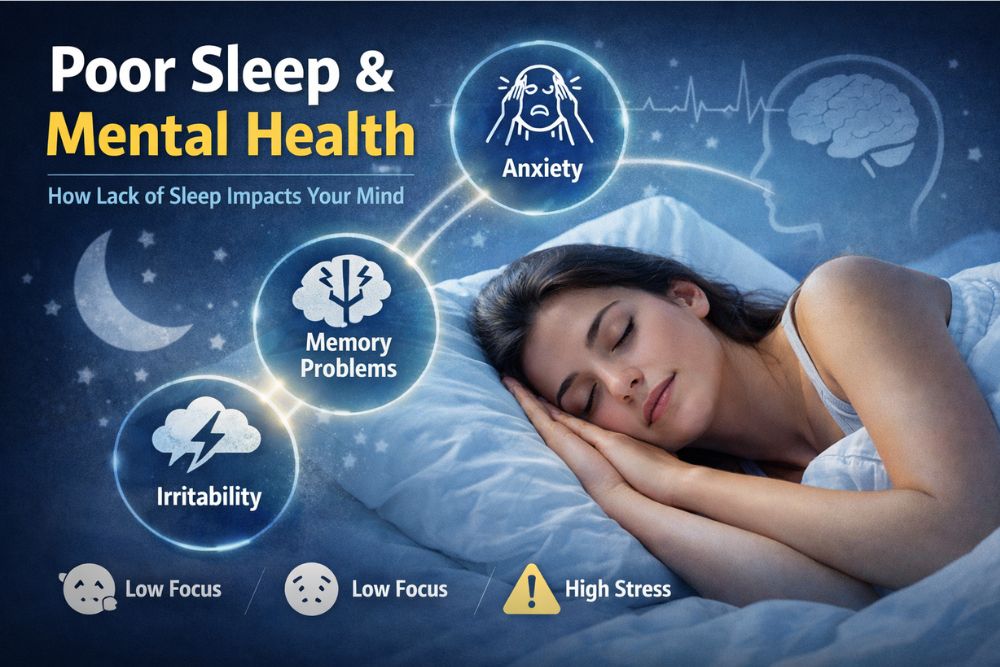
Good mental health can help employees stay focused, motivated, productive, and connected with their colleagues. On the other hand, ongoing workplace stress can contribute to tiredness, reduced concentration, irritability, poor sleep, and burnout.
Creating a mentally healthy work environment benefits both employees and organizations. When people feel respected, supported, and comfortable discussing concerns, they are more likely to maintain healthy working relationships and perform their responsibilities effectively.
Common Factors That Affect Mental Health at Work
Different aspects of the workplace can affect mental wellbeing. Some common factors include:
- Heavy workloads and tight deadlines
- Long working hours
- Lack of work-life balance
- Job insecurity
- Difficult relationships with colleagues or managers
- Lack of recognition or support
- Limited control over work responsibilities
- Workplace conflicts
- Poor communication
- Constant pressure to meet expectations
Experiencing occasional stress is common, but persistent or overwhelming stress should not be ignored.
Signs Your Work May Be Affecting Your Mental Wellbeing
It is important to recognize changes in your emotional and physical wellbeing. Possible signs that work-related stress is affecting you include:
- Feeling constantly tired or overwhelmed
- Difficulty concentrating on tasks
- Becoming unusually irritable or frustrated
- Losing interest or motivation at work
- Difficulty sleeping
- Frequent headaches or muscle tension
- Feeling anxious before or during work
- Finding it difficult to switch off after working hours
- Feeling emotionally exhausted
These signs can have different causes and do not necessarily indicate a mental health condition. If symptoms persist or interfere with daily life, consider speaking with a qualified healthcare professional.
Simple Ways to Protect Your Mental Health at Work
1. Set Healthy Work Boundaries
Try to create a clear separation between work and personal time. Avoid checking work messages continuously after working hours when it is not necessary. Healthy boundaries can help you disconnect and recover mentally.
2. Take Regular Breaks
Working continuously for long periods can leave you mentally exhausted. Short breaks can give your mind time to rest and help you return to your tasks with better focus.
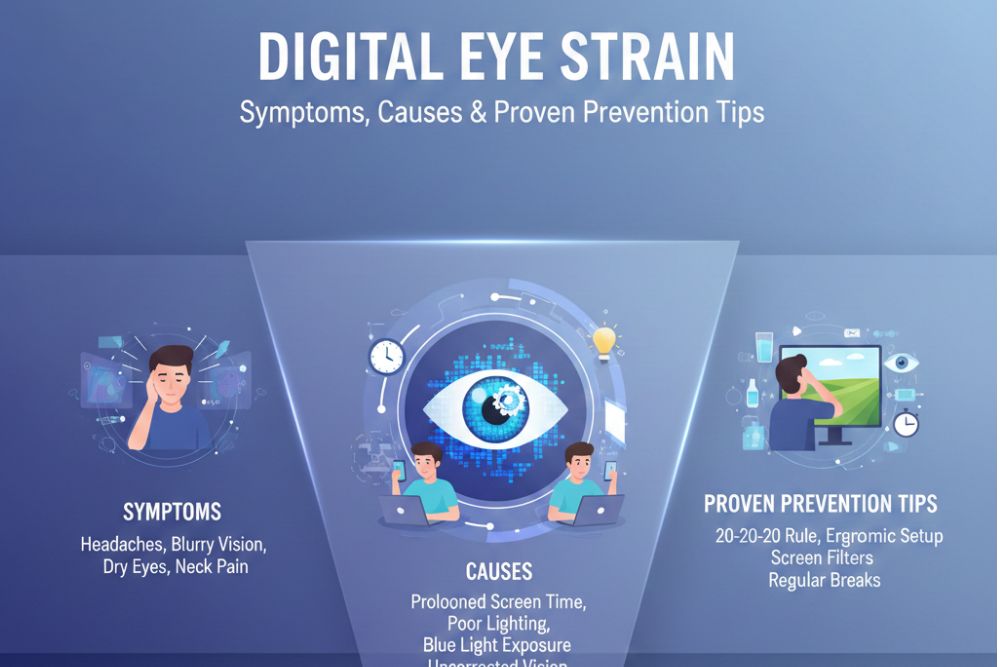
Even a few minutes away from your screen, stretching, walking, or having a quiet moment can be helpful.
3. Organize Your Workload
When several tasks feel overwhelming, prioritize them based on urgency and importance. Break larger projects into smaller, manageable tasks instead of trying to complete everything at once.
If your workload is consistently unrealistic, discuss it with your manager or team.
4. Maintain a Healthy Work-Life Balance
Your professional responsibilities are only one part of your life. Make time for family, friends, hobbies, exercise, relaxation, and activities that you enjoy.
A healthy work-life balance can help reduce the feeling that work is taking over your entire day.
5. Communicate When You Need Support
You do not have to handle every workplace challenge alone. If you are struggling with workload, deadlines, conflicts, or stress, consider talking to someone you trust.
Depending on your workplace, support may be available through a manager, HR team, employee assistance program, counselor, or healthcare professional.
6. Stay Physically Active
Regular physical activity can support both physical and mental wellbeing. A short walk during a break, stretching between tasks, or regular exercise outside working hours can be a simple way to stay active.
7. Get Enough Sleep
Poor sleep can make it harder to manage stress and concentrate at work. Try to maintain a consistent sleep routine and give yourself enough time to rest after a busy workday.
8. Practice Mindfulness
Simple mindfulness practices can help you slow down and focus on the present moment. Deep breathing, short meditation, or spending a few quiet minutes without distractions can be incorporated into your daily routine.
How Employers Can Support Workplace Mental Health
Workplace mental health is not only an individual responsibility. Employers and organizations also have an important role to play.
A mentally healthy workplace can encourage:
- Open and respectful communication
- Reasonable workloads
- Appropriate breaks and time off
- Supportive management
- A respectful and inclusive work culture
- Opportunities to discuss workplace concerns
- Access to mental health resources
- A safe environment where employees can ask for help
When employees feel that their wellbeing is valued, it can contribute to a healthier and more positive workplace.
Workplace Stress vs. Burnout
Workplace stress and burnout are related but are not exactly the same. Stress can happen when demands feel difficult to manage and may improve when the situation changes or you get adequate rest.
Burnout is generally associated with prolonged or unmanaged workplace stress and may involve emotional exhaustion, reduced motivation, and feeling disconnected from work.
If you feel persistently exhausted, overwhelmed, or unable to cope with work demands, consider discussing your concerns with a qualified professional.
When Should You Seek Professional Support?
Everyone experiences difficult days at work, but ongoing mental health concerns deserve attention.
Consider seeking professional support if stress, anxiety, low mood, sleep problems, or emotional exhaustion continue for an extended period or begin affecting your work, relationships, or everyday activities.
A qualified mental health professional can help you understand what you are experiencing and identify appropriate ways to manage it.
Frequently Asked Questions
1. What is workplace mental health?
Workplace mental health refers to a person’s psychological and emotional wellbeing in relation to their work environment, responsibilities, relationships, and working conditions.
2. How can I improve my mental wellbeing at work?
Taking regular breaks, setting healthy boundaries, organizing your workload, maintaining work-life balance, staying active, getting enough sleep, and communicating your concerns can help support mental wellbeing at work.
3. What are common signs of workplace stress?
Common signs can include feeling overwhelmed, tiredness, difficulty concentrating, irritability, sleep problems, reduced motivation, and emotional exhaustion.
4. How can employers support mental health at work?
Employers can support workplace mental health by promoting respectful communication, reasonable workloads, supportive management, appropriate time off, and access to mental health resources.
5. When should I seek help for work-related stress?
If work-related stress continues for a long time or starts affecting your daily life, sleep, relationships, or ability to function, consider speaking with a qualified healthcare or mental health professional.
Final Thoughts
Workplace mental health is an important part of overall wellbeing. Managing workloads, taking breaks, maintaining boundaries, staying physically active, getting enough sleep, and communicating when support is needed can all contribute to healthier working habits.
You do not need to wait until workplace stress becomes overwhelming before taking care of your mental wellbeing. Small, consistent changes can make your working day more balanced and sustainable.
Remember, asking for help is not a sign of weakness. If workplace stress is significantly affecting your mental health or daily life, reaching out to a qualified healthcare or mental health professional can be an important step toward getting the right support.