


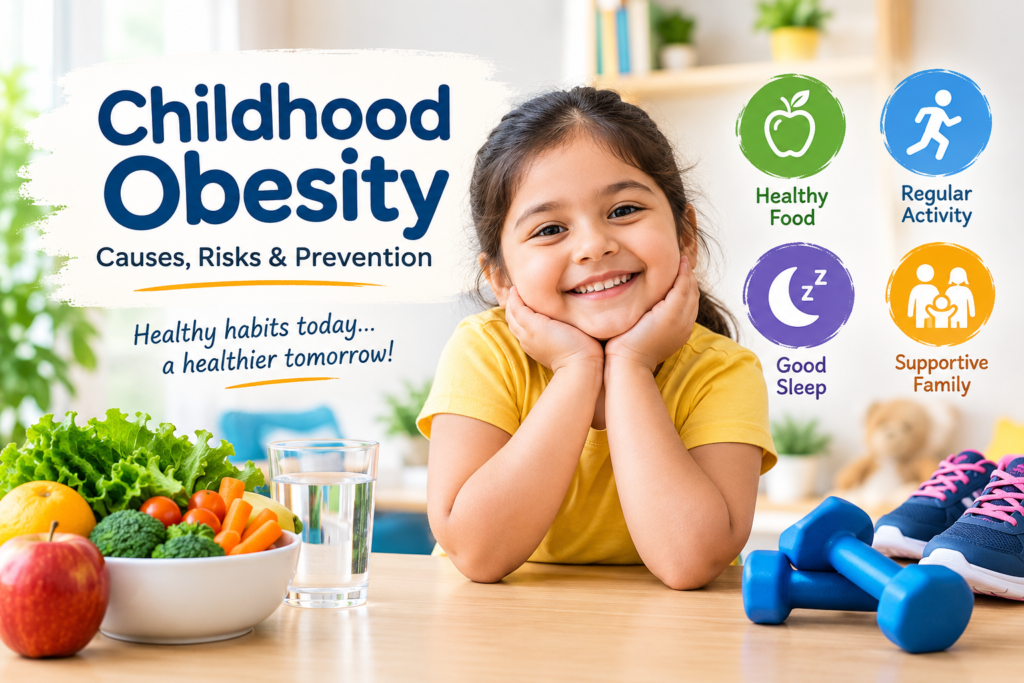










































Childhood Obesity: Causes, Risks & Prevention

Introduction
Childhood obesity is a growing health concern that can affect a child’s physical health, emotional well-being, and overall development. Children need enough nutritious food, regular physical activity, and healthy sleep to grow properly. When a child gains more weight than is healthy for their age and height, it may increase the risk of health problems.
Understanding the causes, risks, and prevention of childhood obesity can help parents support healthy habits from an early age.
What Is Childhood Obesity?
Childhood obesity occurs when a child has excess body fat that may negatively affect their health. A child’s healthy weight is assessed based on factors such as age, height, sex, growth pattern, and body mass index (BMI).
Children grow at different rates, so weight should be evaluated by a pediatrician rather than judged only by appearance.
Common Causes of Childhood Obesity
Childhood obesity can develop due to a combination of lifestyle, environmental, genetic, and other factors.
1. Unhealthy Eating Habits
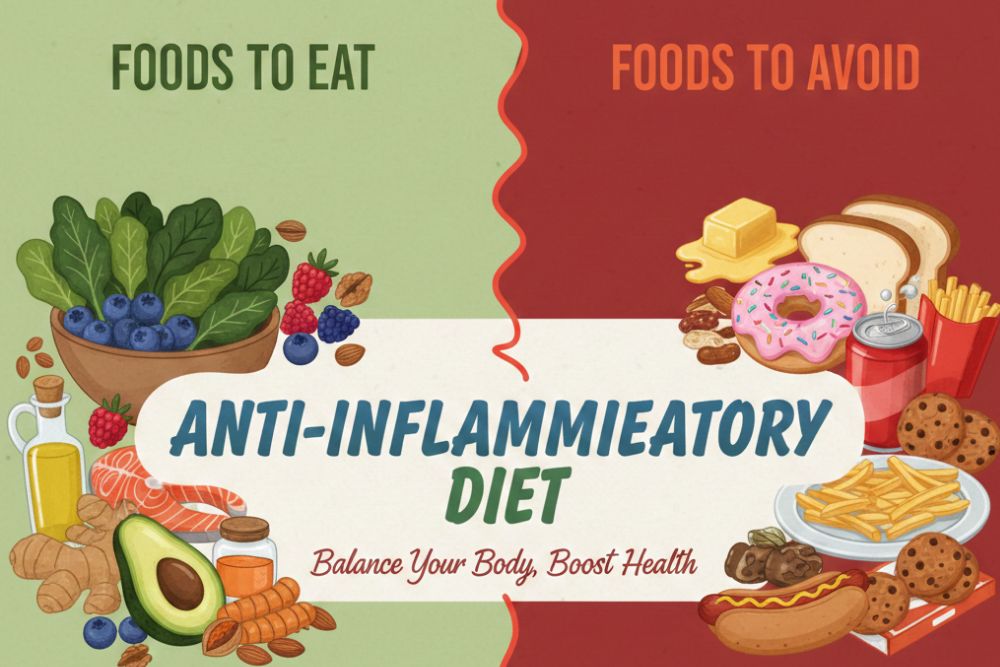
Frequent consumption of sugary drinks, fast food, processed snacks, sweets, and foods high in calories can contribute to excessive weight gain.
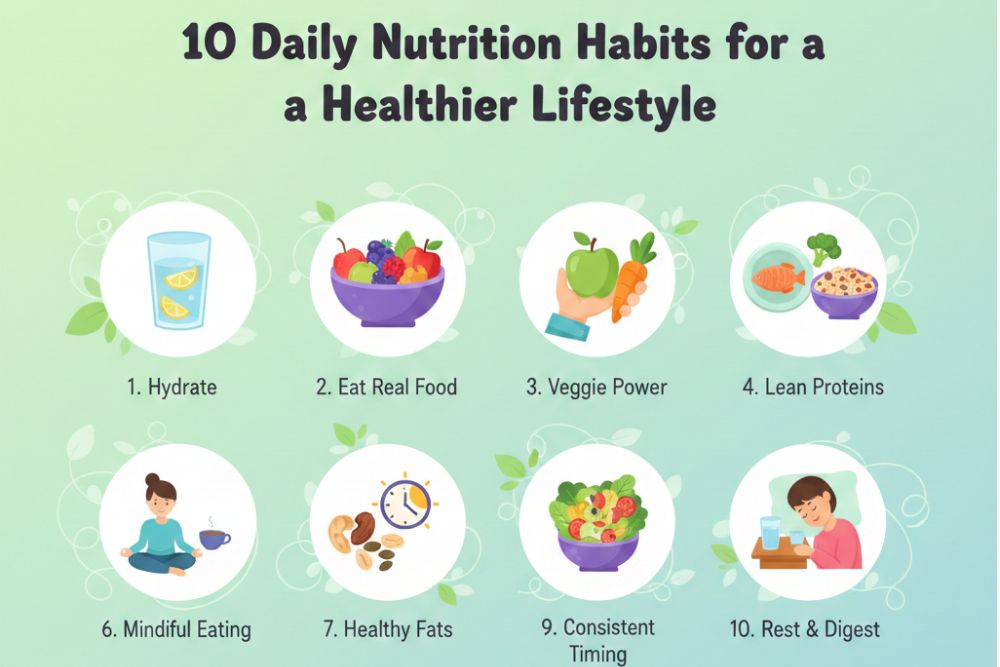
Encourage children to eat a balanced diet that includes:
- Fruits and vegetables
- Whole grains
- Protein-rich foods
- Milk or suitable alternatives
- Healthy fats
- Plenty of water
2. Lack of Physical Activity
Children who spend most of their free time watching television, using smartphones, playing video games, or sitting for long periods may not get enough physical activity.
Encouraging outdoor play, walking, cycling, dancing, and age-appropriate sports can help children stay active.
3. Excessive Screen Time
Long periods of screen time can reduce opportunities for physical activity and may also interfere with healthy sleep routines.
Parents can establish reasonable screen-time boundaries and encourage children to take regular breaks.
4. Poor Sleep Habits
Not getting enough sleep may be associated with unhealthy eating patterns and weight gain. Maintaining a consistent bedtime routine can support a child’s overall health.
5. Family and Environmental Factors
Children’s eating and activity habits are often influenced by their family and surroundings. Busy schedules, limited access to healthy foods, and family lifestyle patterns can all play a role.
Health Risks of Childhood Obesity
Childhood obesity can increase the risk of several health conditions, including:
- Type 2 diabetes
- High blood pressure
- High cholesterol
- Breathing problems and sleep apnea
- Joint and bone problems
- Fatty liver disease
- Low self-esteem
- Anxiety and emotional difficulties
Some children may also experience teasing or bullying because of their weight, which can affect their emotional well-being.
How Can Childhood Obesity Be Prevented?
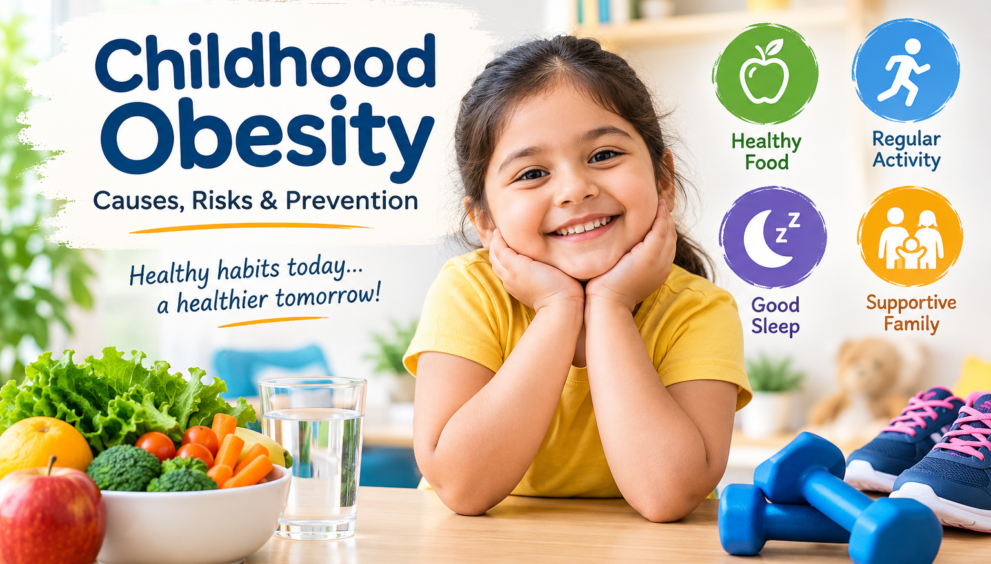
Preventing childhood obesity is not about strict dieting. It is about creating healthy, sustainable habits for the entire family.
Encourage a Balanced Diet
Offer a variety of nutritious foods and make fruits, vegetables, whole grains, and protein-rich foods part of regular meals.
Try to limit sugary beverages, highly processed foods, and frequent high-calorie snacks.
Make Physical Activity Fun
Children are more likely to stay active when exercise feels enjoyable. Encourage activities such as:
- Cycling
- Swimming
- Dancing
- Walking
- Outdoor games
- Sports
- Playground activities
Create Healthy Family Habits
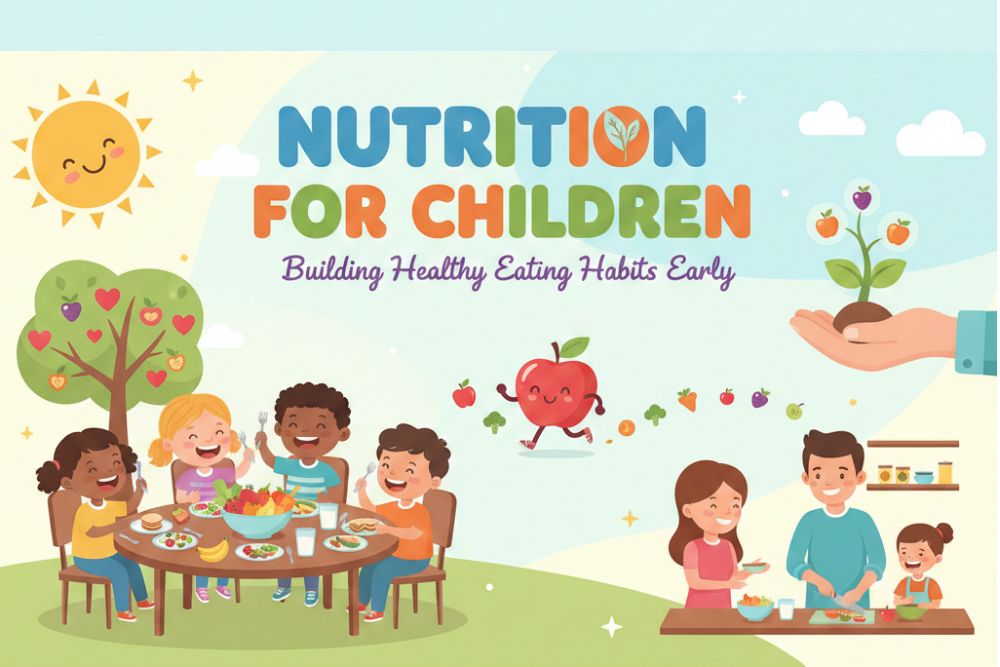
Parents can set a positive example by eating nutritious meals, staying active, drinking water, and maintaining healthy routines.
Prioritize Good Sleep
Create a regular sleep schedule and a relaxing bedtime routine. Adequate sleep is an important part of healthy growth and development.
Encourage Healthy Eating Without Pressure
Avoid using food as a reward or punishment. Encourage children to listen to their hunger and fullness cues and create a positive relationship with food.
When Should Parents Consult a Pediatrician?
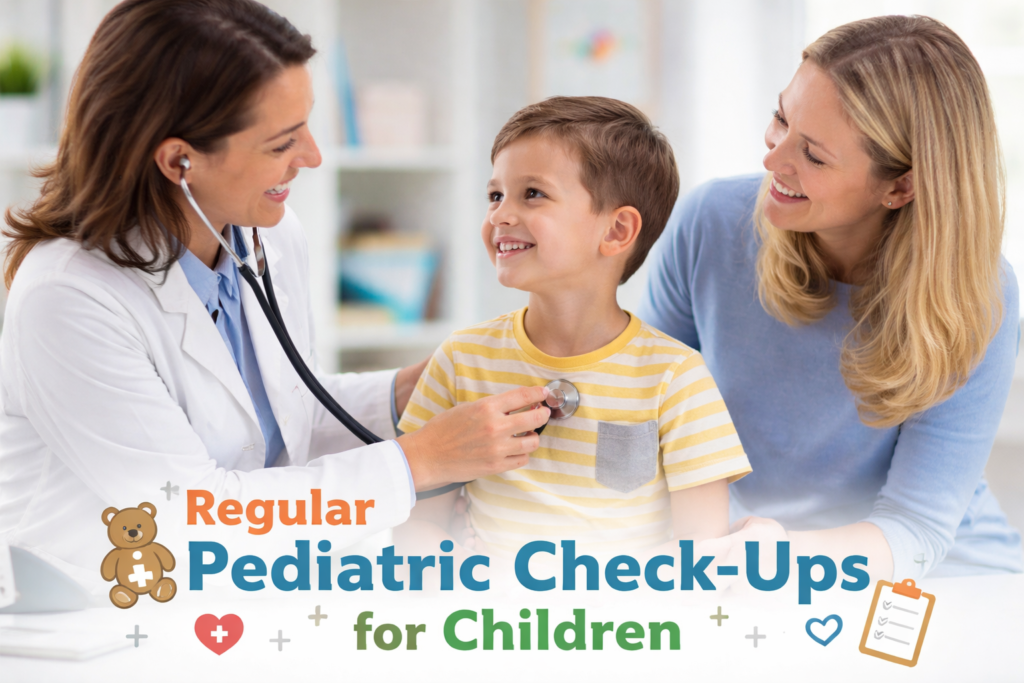
If you are concerned about your child’s weight, growth, eating habits, or activity level, speak with a pediatrician.
A pediatrician can review your child’s growth pattern, diet, physical activity, sleep, and overall health. They can also recommend appropriate lifestyle changes if needed.
Avoid putting a child on a restrictive weight-loss diet without professional guidance, as children need adequate nutrition for normal growth and development.
Conclusion
Childhood obesity prevention starts with healthy habits at home. A balanced diet, regular physical activity, adequate sleep, limited sedentary time, and regular pediatric checkups can support healthy growth.
The goal is not simply to focus on a number on the weighing scale. Instead, families should work toward building healthy habits that children can maintain as they grow.
If you have concerns about your child’s growth or weight, consult a qualified pediatrician for personalized guidance.