


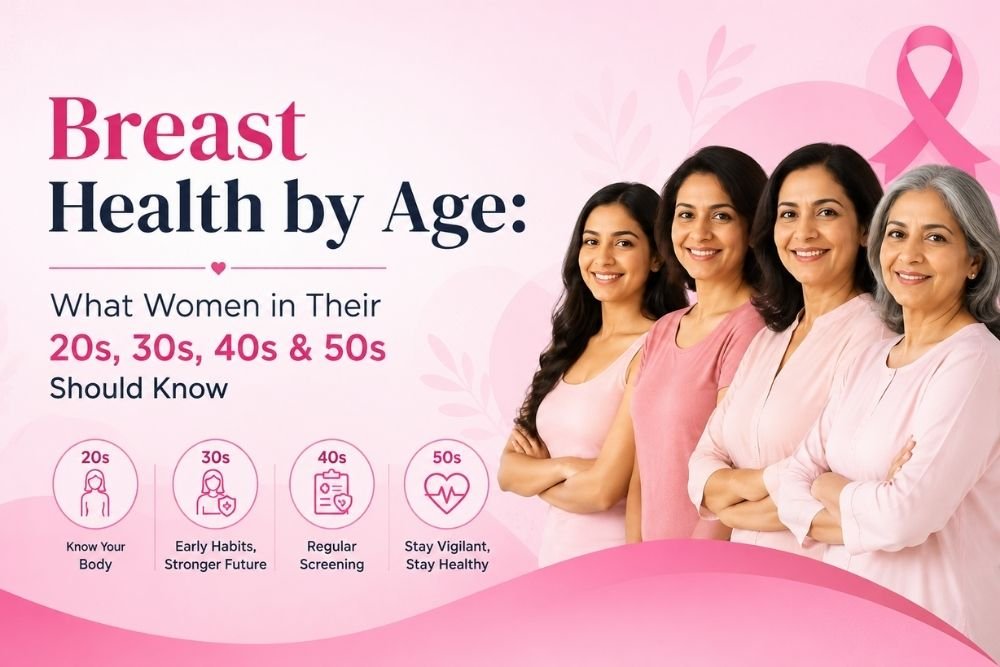














Breast Health by Age: What Women in Their 20s, 30s, 40s & 50s Should Know

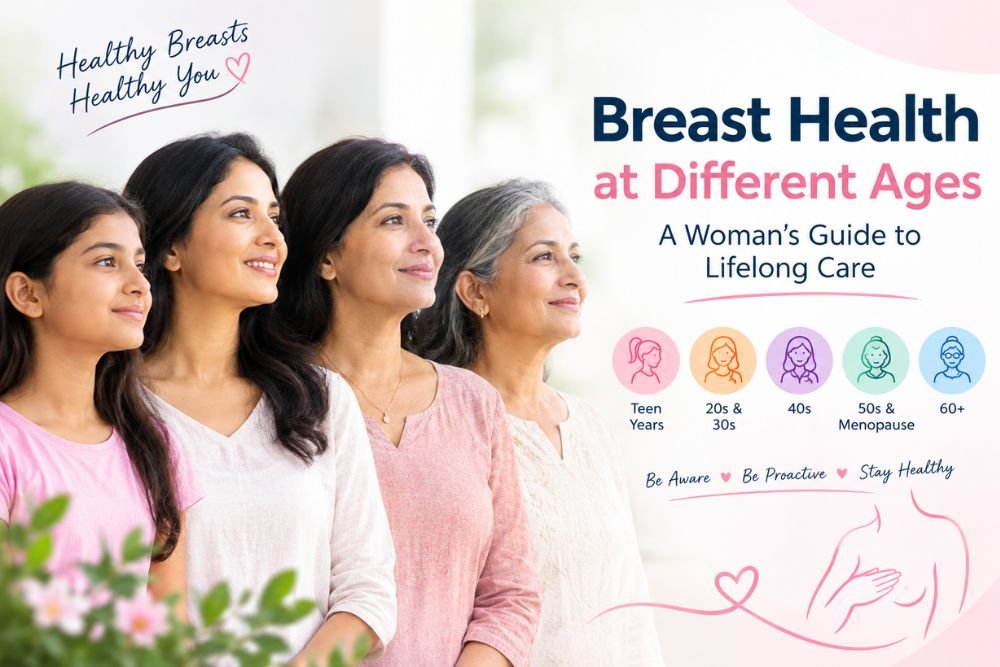
Breast health is an important part of women’s overall health at every stage of life. As women grow older, hormonal changes, pregnancy, breastfeeding, menopause, and other factors can affect the breasts. Understanding what is normal for your age and knowing when to seek medical advice can help you take better care of your breast health.
There is no single breast-health routine that works for every woman. Your family history, personal health history, lifestyle, and individual risk factors can all influence the care and screening you may need. Here is a simple age-by-age guide to help you stay informed.
Breast Health in Your 20s
Your 20s are a good time to develop healthy habits and become familiar with how your breasts normally look and feel.
Hormonal changes during the menstrual cycle can sometimes cause temporary breast tenderness, swelling, or changes in texture. These changes are often normal, but it is important to notice anything unusual or persistent.
What you can do:
- Become familiar with your normal breast appearance and feel.
- Pay attention to new or unusual changes.
- Maintain a healthy weight and stay physically active.
- Avoid smoking and limit alcohol consumption.
- Discuss your family history of breast cancer with your healthcare provider.
- Seek medical advice if you notice a persistent lump, skin change, nipple change, or unusual discharge.
Routine screening recommendations for women at average risk may differ by country and individual circumstances, so speak with a healthcare professional about when screening is appropriate for you.
Breast Health in Your 30s
During your 30s, life may bring pregnancy, breastfeeding, and other hormonal changes. These can naturally change the size, shape, and feel of your breasts.
Breast changes during pregnancy and breastfeeding are common. However, not every breast lump or change should automatically be attributed to hormones. A healthcare professional can evaluate anything that feels unusual or does not go away.
Important habits in your 30s include:
- Continue paying attention to changes in your breasts.
- Discuss your personal and family history with your doctor.
- Maintain a balanced diet and regular exercise routine.
- Know whether you have any factors that may increase your breast cancer risk.
- Follow screening recommendations appropriate for your age and risk level.
If you have a strong family history of breast or ovarian cancer, talk to your healthcare provider about whether you need an earlier or more personalized risk assessment.
Breast Health in Your 40s
Your 40s can bring significant hormonal changes, including changes associated with perimenopause. Breast tissue may also change with age.
This is an important stage to discuss breast cancer screening with your healthcare provider. Depending on your age, risk factors, and local guidelines, mammography may become an important part of your preventive healthcare.
During your 40s:
- Follow the screening schedule recommended for you.
- Continue being aware of how your breasts normally look and feel.
- Report new or persistent changes to your doctor.
- Keep up healthy lifestyle habits.
- Discuss your individual breast cancer risk with your healthcare provider.
Remember that screening recommendations can vary based on your personal risk and the guidelines followed in your region.
Breast Health in Your 50s
In your 50s, many women experience or have already gone through menopause. Lower estrogen levels can cause changes in breast tissue, skin, and overall breast appearance.
Regular screening becomes particularly important during this stage, based on your age and individual risk. Continue to pay attention to changes and attend recommended healthcare appointments.
Healthy breast-care habits include:
- Keep up with recommended mammograms or other screening.
- Maintain a healthy and active lifestyle.
- Discuss new medications or hormone therapy with your healthcare provider.
- Keep your doctor informed about changes in your family or personal medical history.
- Report any unusual breast changes promptly.
Breast Changes You Should Not Ignore
At any age, it is important to speak with a healthcare professional if you notice a new or persistent change such as:
- A new lump or thickened area in the breast or underarm
- A change in breast size or shape
- Skin dimpling or unusual skin changes
- Persistent redness or swelling
- A nipple that becomes newly inverted
- Unusual nipple discharge, particularly if it occurs without squeezing
- Persistent or unexplained breast pain
These symptoms do not necessarily mean cancer. Many breast changes have non-cancerous causes. However, getting an appropriate medical evaluation is the best way to understand the cause.
Healthy Habits for Better Breast Health
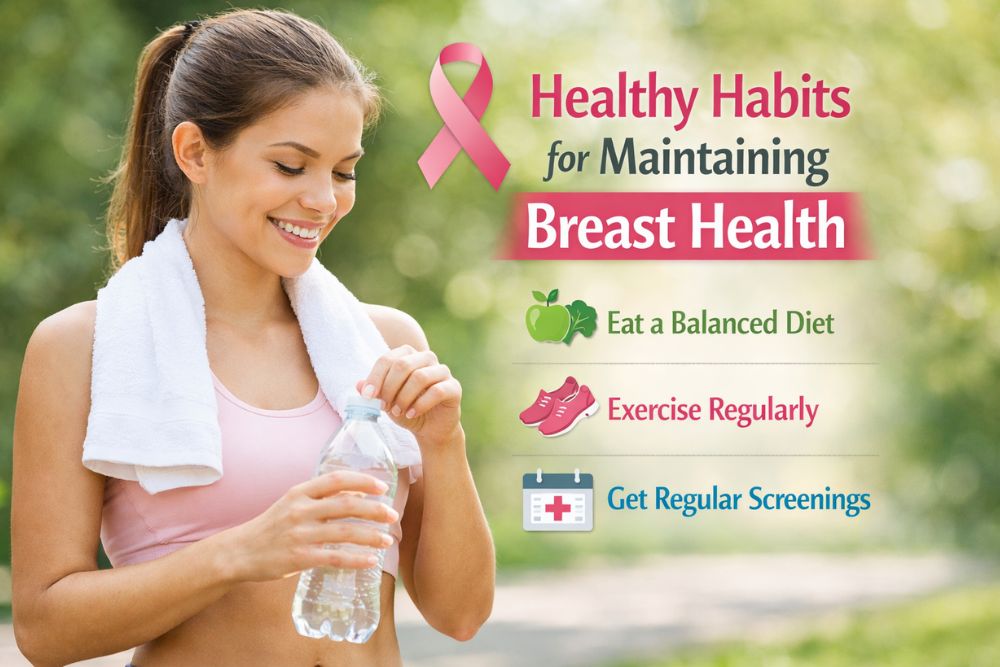
Taking care of your overall health can also support breast health. Regular physical activity, a balanced diet, maintaining a healthy weight, avoiding tobacco, and limiting alcohol can contribute to better long-term health.
Most importantly, don’t ignore changes simply because you think they are related to age or hormones. Knowing your normal and discussing anything unusual with a healthcare professional are key parts of breast awareness.
Final Thoughts
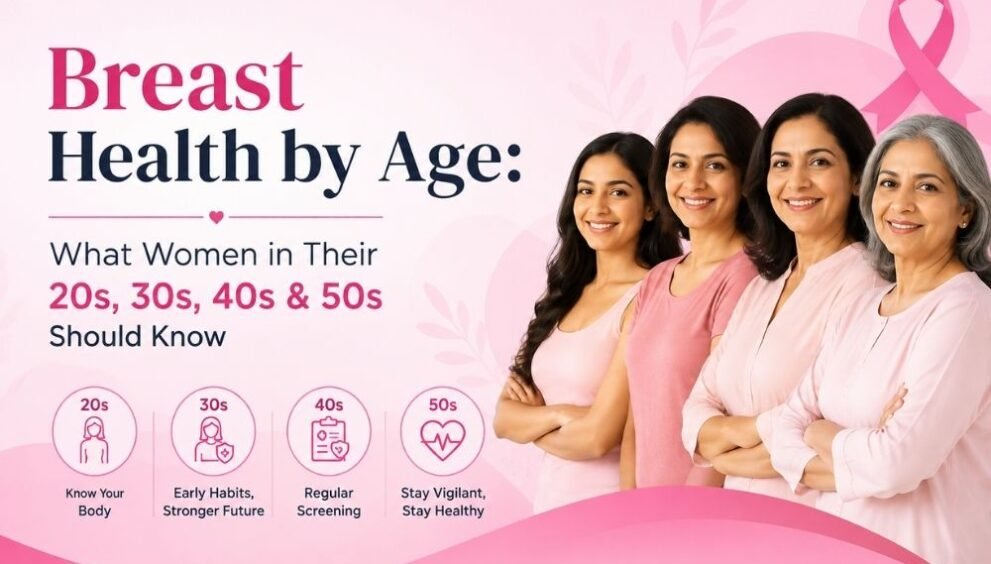
Breast health needs can change throughout a woman’s life. Your 20s are a time to build awareness and healthy habits, your 30s may bring pregnancy and hormonal changes, your 40s may involve increased attention to screening, and your 50s may bring menopause-related changes and continued screening.
There is no need to be afraid of breast changes, but there is every reason to be informed. Regular healthcare visits, appropriate screening, breast awareness, and a healthy lifestyle can help women take an active role in their breast health at every age.
If you notice a new or unusual breast change, consult a qualified healthcare professional for proper evaluation and advice.