













































Breast Health at Different Ages: A Woman’s Guide to Lifelong Care


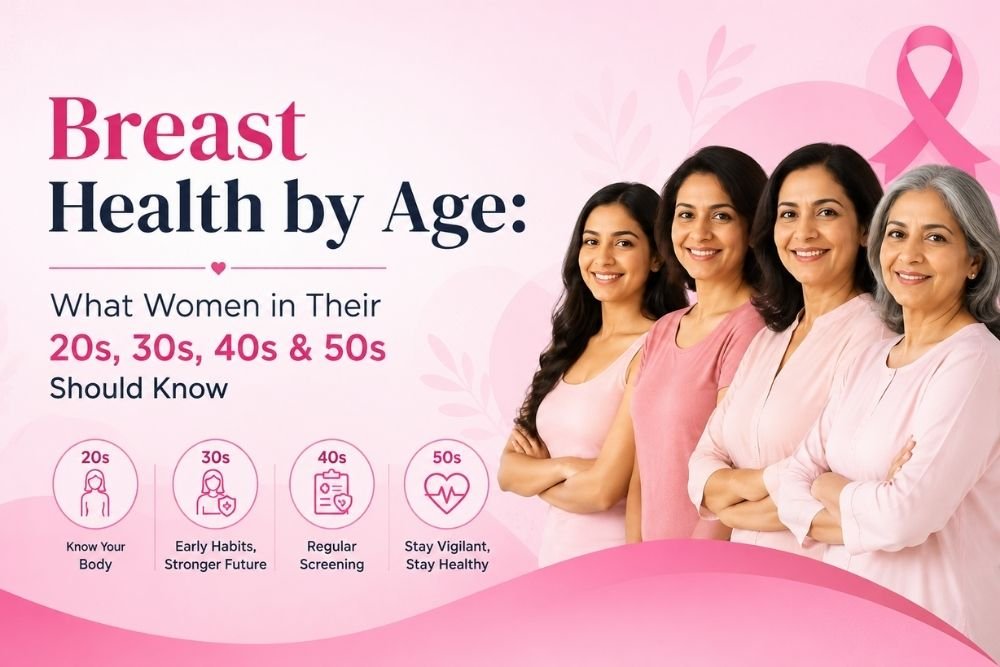
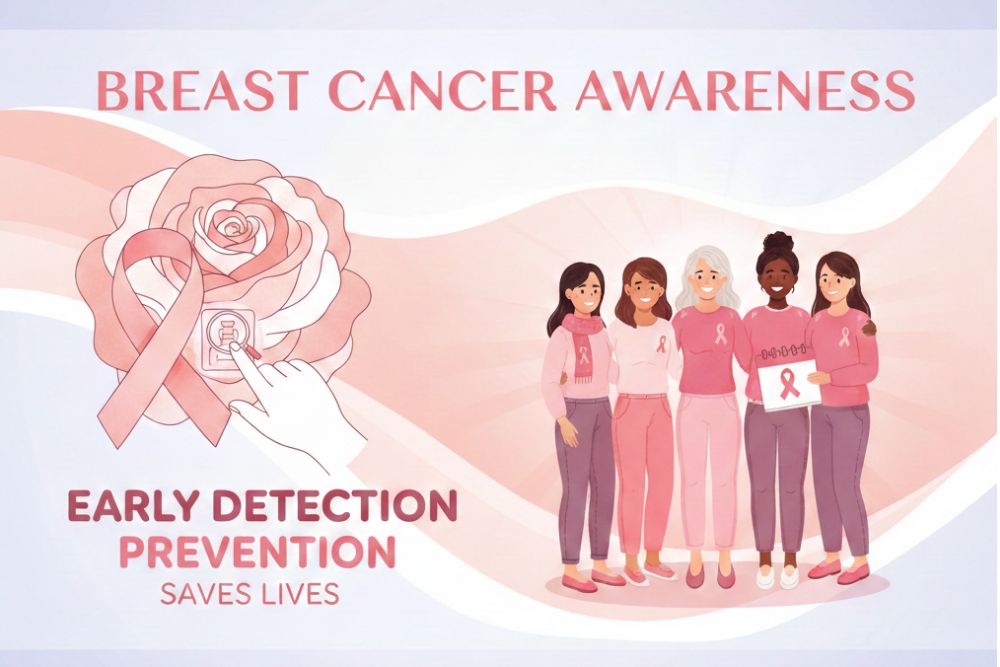
Breast health is an important part of women’s overall health, and breast needs can change throughout life. From puberty and reproductive years to menopause and beyond, understanding normal breast changes and knowing when to seek medical advice can help women take better care of themselves.
Breast Health During the Teen Years
Breast development usually begins during puberty and may occur at different rates for each girl. It is common for one breast to develop slightly faster than the other, and tenderness or mild discomfort may occur during growth.
Teenagers should become familiar with how their breasts normally look and feel. A new or unusual lump, persistent pain, nipple discharge, or significant change in the breast should be discussed with a healthcare professional.
Breast Health in Your 20s and 30s
During the reproductive years, hormonal changes related to the menstrual cycle can cause breast tenderness, swelling, or temporary changes in breast texture. Pregnancy and breastfeeding can also bring noticeable changes to the breasts.
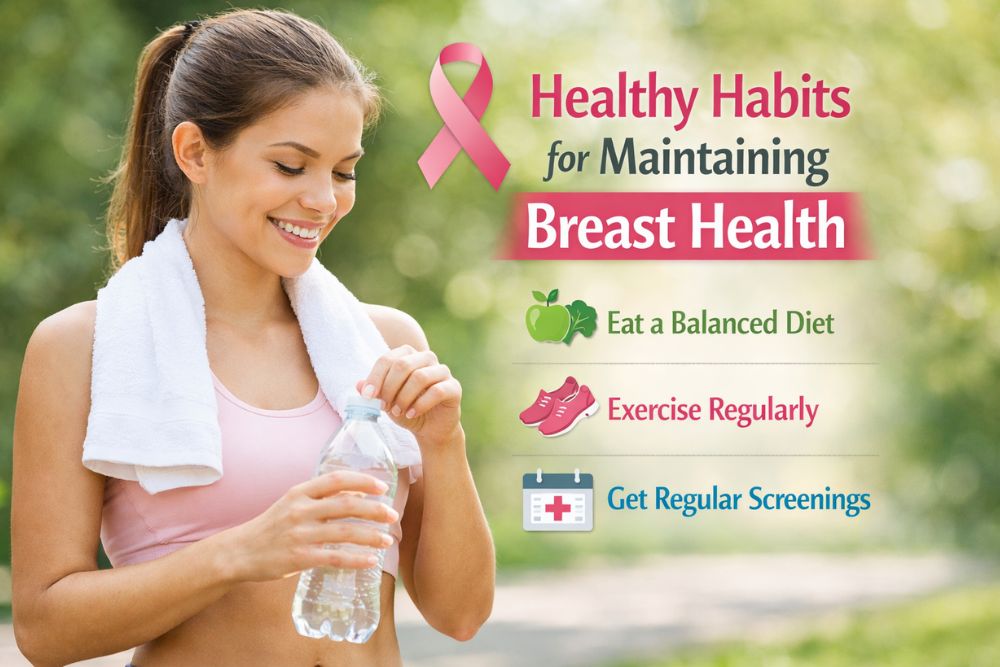
Women should pay attention to changes that are unusual for them. Regular physical activity, maintaining a healthy weight, avoiding tobacco, limiting alcohol, and eating a balanced diet can support overall health, including breast health.
Women should also discuss their personal and family history with their healthcare provider to understand whether they have any additional breast cancer risk factors.
Breast Health in Your 40s
Breast health becomes particularly important during the 40s because breast cancer risk generally increases with age. Screening recommendations can vary depending on age, personal risk, family history, and the guidelines followed in a particular country.
Women should discuss mammography and other breast screening options with their healthcare provider and follow an individualized screening plan.
It is also important to watch for changes such as a new lump, skin changes, nipple inversion, unusual nipple discharge, or a persistent change in breast size or shape.
Breast Health During the 50s and Menopause
Hormonal changes during perimenopause and menopause can affect breast tissue. Breasts may become less dense, and some women may experience changes in size, shape, or tenderness.
Even after menopause, women should continue recommended breast screening and remain aware of changes in their breasts. A new breast lump or other unexplained change should be evaluated rather than ignored.
Breast Health After 60
Breast health remains important as women age. Continuing recommended screening, attending routine healthcare visits, maintaining physical activity, and following a healthy lifestyle can support overall well-being.
Women should not assume that a new breast change is simply part of aging. Any persistent or unusual change deserves medical attention.
When Should You See a Doctor?
Consult a healthcare professional if you notice:
- A new lump or thickening in the breast or underarm
- Persistent breast pain or swelling
- Changes in breast size or shape
- Skin dimpling, redness, or unusual skin changes
- Nipple inversion or changes
- Unusual nipple discharge, especially if it is bloody
- A change that does not go away
- Most breast changes are not cancer, but getting an unusual change checked can provide clarity and allow appropriate treatment when necessary.
Takeaway
Breast health is a lifelong responsibility. The changes a woman experiences during puberty, pregnancy, menopause, and aging can be different, but knowing what is normal for your body is important at every stage. Stay aware of breast changes, follow age- and risk-appropriate screening recommendations, maintain healthy habits, and speak with a healthcare professional whenever something seems unusual.
Disclaimer: This article is for general educational purposes and should not replace professional medical advice, diagnosis, or treatment.