






































Understanding Hormones, Symptoms, Causes, and Ways to Maintain Hormonal Balance


Hormones play an essential role in maintaining overall health and well-being. They influence almost every major function of the body, including metabolism, growth, reproduction, mood, sleep, energy levels, and blood sugar regulation. When hormone levels become too high or too low, they can affect how the body functions and may lead to different health concerns.
Hormonal health is important for both men and women at every stage of life. From puberty and reproductive years to pregnancy, ageing, and menopause, hormone levels naturally change over time. However, persistent symptoms such as unexplained weight changes, irregular periods, fatigue, mood swings, and sleep difficulties may sometimes indicate an underlying hormonal condition.
Understanding how hormones work, recognizing possible warning signs, and following healthy lifestyle habits can help you take better care of your health.
In this article, we explore the importance of hormonal health, common signs of hormonal imbalance, possible causes, and practical ways to support healthy hormone function.
What Is Hormonal Health?
Hormonal health refers to the proper production and regulation of hormones in the body. Hormones are chemical messengers produced by endocrine glands that travel through the bloodstream and communicate with different organs and tissues.
The endocrine system includes several important glands, such as the thyroid, pituitary, adrenal glands, pancreas, ovaries, and testes.
These glands produce hormones that help regulate essential bodily functions, including:
- Metabolism and energy production.
- Growth and development.
- Blood sugar levels.
- Reproductive health and fertility.
- Sleep and wake cycles.
- Mood and emotional well-being.
- Stress responses.
- Body temperature regulation.
Maintaining hormonal health helps these systems work together effectively. Hormone levels naturally fluctuate throughout the day and during different stages of life, so every change does not necessarily indicate a medical problem.
What Are the Common Signs of Hormonal Imbalance?
Hormonal imbalance occurs when the body produces too much or too little of a particular hormone. Symptoms vary depending on the hormone involved and the underlying condition.
Some common signs include:
1. Unexplained Weight Gain or Weight Loss
Hormones such as thyroid hormones, insulin, and cortisol influence metabolism and how the body uses and stores energy.
Changes in these hormones may contribute to unexplained weight gain or weight loss. However, body weight can also be affected by diet, physical activity, medication, sleep, and other health conditions.
2. Persistent Fatigue and Low Energy
Feeling tired occasionally is normal. However, ongoing fatigue despite getting adequate rest may sometimes be associated with hormonal conditions such as hypothyroidism or adrenal disorders.
Other medical conditions, nutritional deficiencies, and sleep problems can also cause persistent tiredness.
3. Mood Swings and Emotional Changes
Hormones influence brain activity and emotional regulation. Changes in estrogen, progesterone, and thyroid hormones may be associated with mood changes, irritability, anxiety, or low mood.
Persistent emotional symptoms should be discussed with a healthcare professional rather than automatically attributed to hormones.
4. Irregular Menstrual Cycles
Hormones such as estrogen, progesterone, luteinizing hormone (LH), and follicle-stimulating hormone (FSH) help regulate the menstrual cycle.
Irregular periods, unusually heavy bleeding, missed periods, or changes in menstrual patterns may be associated with conditions such as polycystic ovary syndrome (PCOS), thyroid disorders, or changes related to menopause.
5. Sleep Disturbances
Hormonal changes can influence the body’s internal clock and sleep patterns.
Some individuals experience difficulty falling asleep, night sweats, or frequent waking during hormonal transitions such as perimenopause and menopause.
6. Skin and Hair Changes
Hormonal changes can influence oil production, hair growth, and skin health.
Possible signs include:
- Persistent acne.
- Unusual hair thinning.
- Excess facial or body hair.
- Dry skin.
- Changes in hair texture.
These symptoms may be associated with thyroid conditions, PCOS, or changes in androgen levels, among other causes.
7. Changes in Sexual Health
Hormones such as estrogen and testosterone contribute to sexual function and reproductive health.
Hormonal conditions may sometimes cause reduced sexual desire, vaginal dryness, erectile difficulties, or fertility-related concerns.
If these symptoms persist, professional evaluation can help identify the underlying cause.
Common Causes of Hormonal Imbalance
Several factors can affect hormone production and regulation. Some are associated with normal stages of life, while others may require medical attention.
1. Stress and Lifestyle Factors
Long-term stress can influence the body’s cortisol regulation and may affect sleep, appetite, and other bodily functions.
Irregular routines, inadequate sleep, and unhealthy lifestyle habits can also affect overall hormonal health.
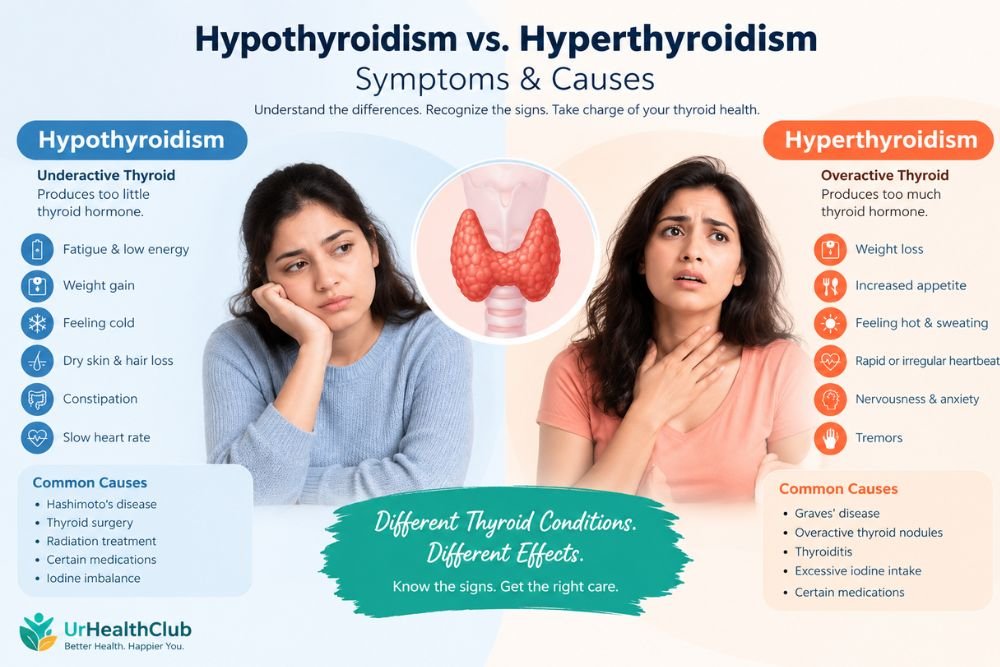
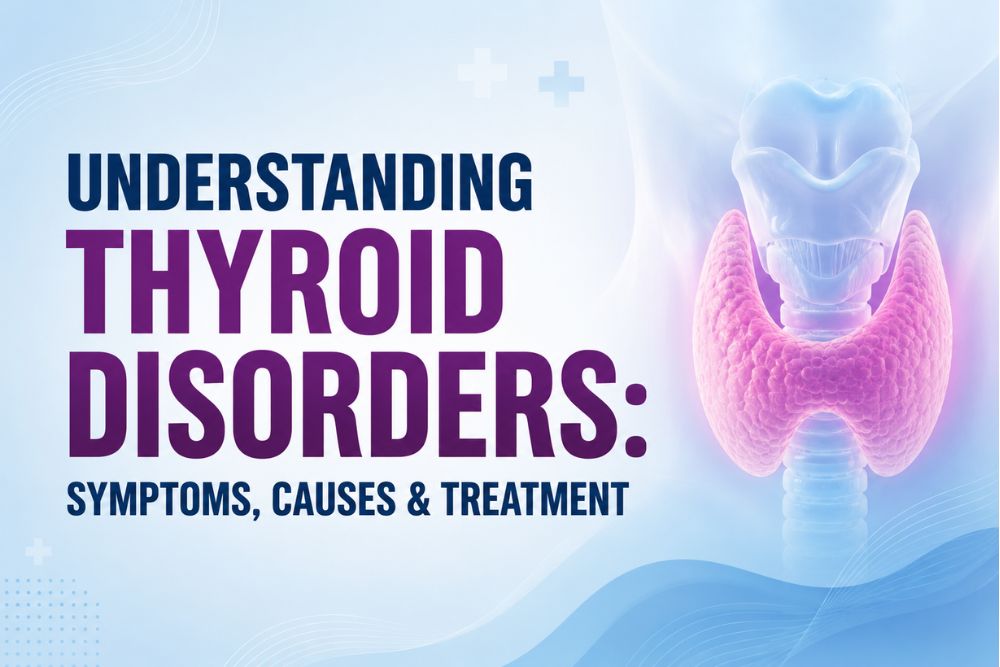
2. Thyroid Disorders
The thyroid gland produces hormones that regulate metabolism, body temperature, and energy use.
Two common thyroid conditions include:
- Hypothyroidism: The thyroid gland does not produce enough thyroid hormones.
- Hyperthyroidism: The thyroid gland produces more thyroid hormones than the body needs.
Both conditions can affect energy levels, body weight, heart rate, and other bodily functions.
3. Polycystic Ovary Syndrome (PCOS)
PCOS is a common hormonal and metabolic condition affecting women during their reproductive years.
It may involve irregular ovulation, elevated androgen levels, and changes in ovarian appearance. Common symptoms include irregular periods, acne, excess facial hair, and difficulty becoming pregnant.
Early diagnosis and appropriate management can help reduce associated health risks.
4. Diabetes and Insulin Resistance
Insulin is a hormone produced by the pancreas that helps regulate blood glucose levels.
When the body does not respond properly to insulin, blood sugar levels may increase. Insulin resistance is associated with metabolic conditions and can occur alongside PCOS.
5. Puberty, Pregnancy, and Menopause
Hormone levels naturally change during different stages of life.
- Puberty: Hormonal changes support physical growth and sexual development.
- Pregnancy: Hormones help support fetal development and changes in the mother’s body.
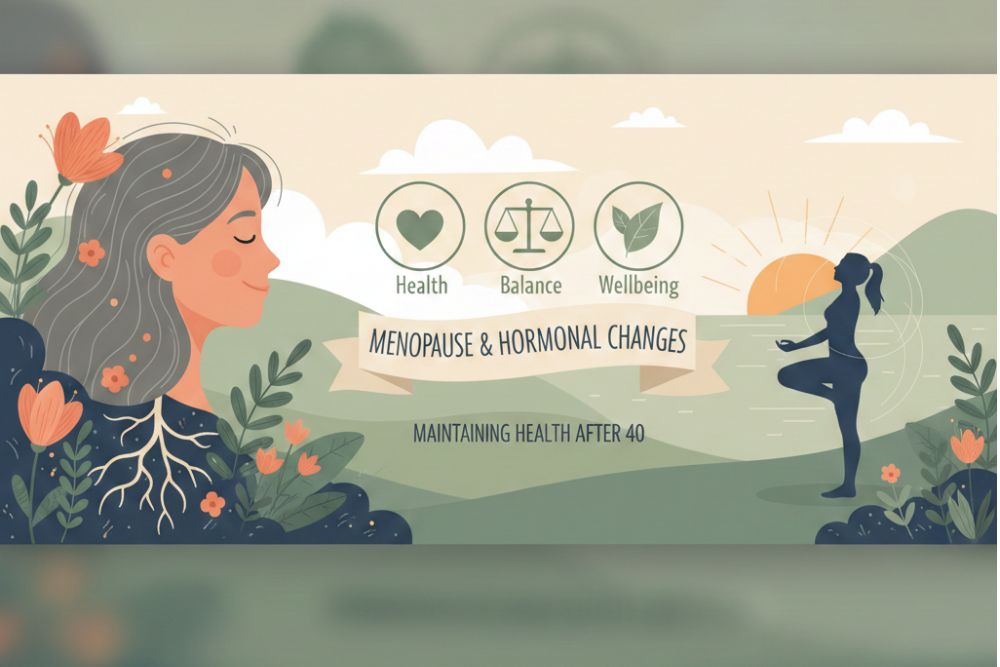
- Menopause: Changes in estrogen and progesterone contribute to the end of menstrual cycles and may cause symptoms such as hot flashes and night sweats.
These natural hormonal transitions are not necessarily signs of disease.
6. Medications and Other Medical Conditions
Certain medications, including steroids and some hormonal treatments, can influence hormone levels.
Autoimmune conditions, genetic factors, and problems affecting endocrine glands may also contribute to hormonal disorders.
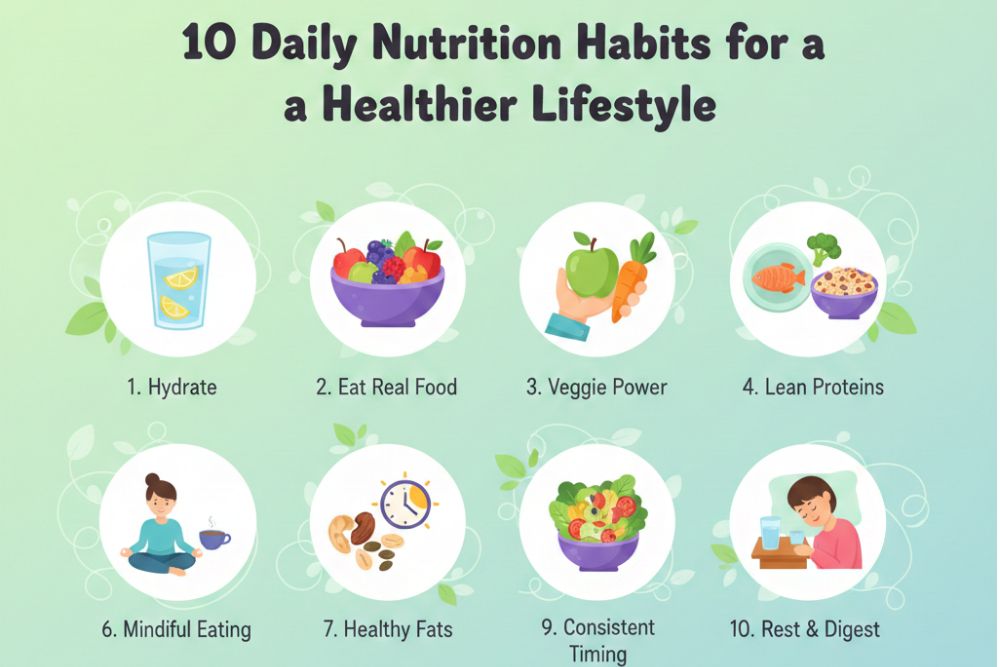
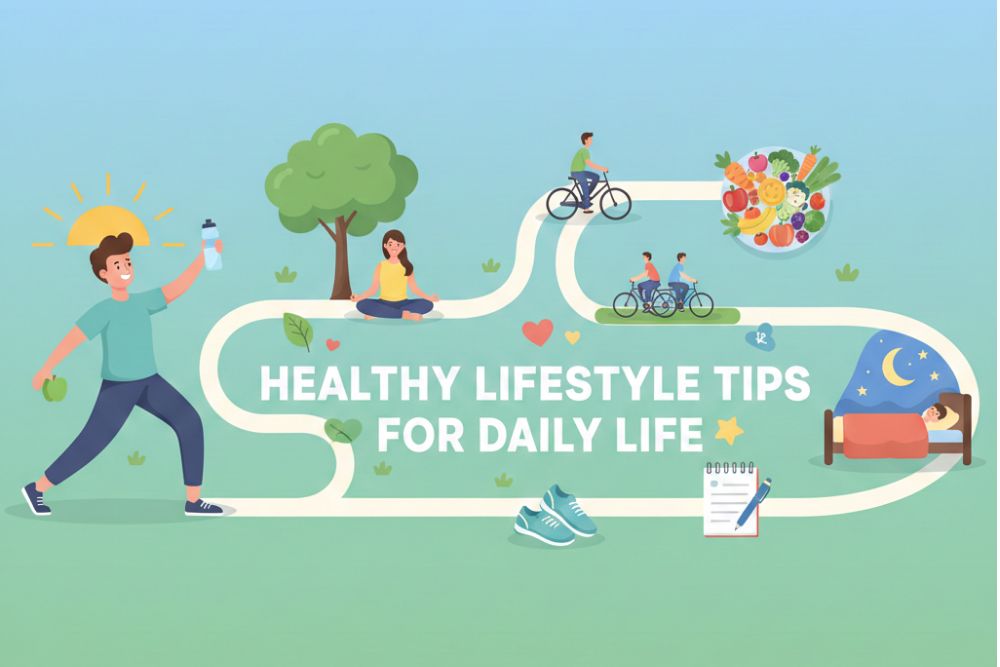
10 Healthy Ways to Support Hormonal Health Naturally
Healthy lifestyle habits can support normal endocrine function and overall well-being. However, lifestyle changes cannot replace medical treatment for diagnosed hormonal conditions.
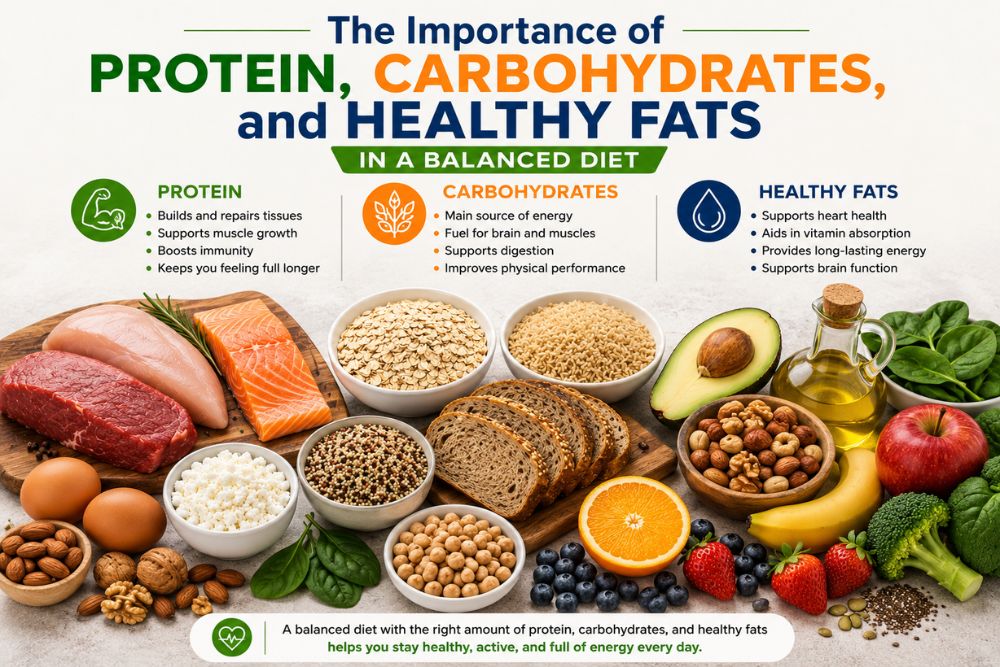
1. Eat a Balanced and Nutritious Diet
A balanced diet provides essential nutrients that support normal body functions.
Include a variety of foods such as:
- Fresh fruits and vegetables.
- Whole grains.
- Protein-rich foods such as eggs, fish, beans, and lentils.
- Nuts and seeds.
- Healthy sources of dietary fats.
- Milk, curd, or suitable alternatives.
Avoid highly restrictive diets and focus on balanced meals that meet your nutritional needs.
2. Exercise Regularly
Regular physical activity supports metabolism, insulin sensitivity, cardiovascular health, and overall well-being.
Consider including:
- Brisk walking.
- Cycling.
- Swimming.
- Yoga.
- Strength training.
- Dancing.
Aim for at least 150 minutes of moderate-intensity physical activity per week, along with muscle-strengthening activities on two or more days, as recommended for most adults.
3. Get Enough Quality Sleep
Sleep plays an important role in regulating several hormones involved in appetite, stress, and metabolism.
Most adults need approximately 7–9 hours of sleep each night.
To improve sleep quality:
- Maintain a regular sleep schedule.
- Reduce screen exposure before bedtime.
- Keep your sleeping environment comfortable.
- Avoid excessive caffeine late in the day.
- Follow a relaxing nighttime routine.
4. Manage Stress Effectively
Long-term stress can affect cortisol regulation and overall well-being.
Try healthy stress management activities such as:
- Meditation.
- Deep breathing exercises.
- Yoga.
- Spending time outdoors.
- Listening to music.
- Maintaining healthy social relationships.
Taking regular breaks and maintaining a healthy work-life balance can also support emotional well-being.
5. Maintain a Healthy Weight
Maintaining a healthy weight can support metabolic health and insulin sensitivity.
Focus on nutritious meals, regular physical activity, and sustainable lifestyle changes rather than extreme dieting.
6. Stay Hydrated
Water supports digestion, circulation, temperature regulation, and normal cellular functions.
Drink water regularly throughout the day according to your activity level, climate, and individual health requirements.
7. Limit Excessive Added Sugar
Frequently consuming sugary beverages and highly processed foods can contribute to excessive calorie intake and poor metabolic health.
Choose nutritious alternatives such as fresh fruits, vegetables, whole grains, and homemade meals.
8. Avoid Smoking and Limit Alcohol
Smoking and excessive alcohol consumption can negatively affect several aspects of health, including reproductive and metabolic health.
Avoid tobacco and discuss alcohol-related health risks with your healthcare professional.
9. Do Not Take Hormonal Supplements Without Medical Advice
Many products claim to balance hormones naturally. However, not all supplements have reliable scientific evidence supporting their effectiveness or safety.
Some supplements may interact with medications or affect hormone levels.
Always consult a qualified healthcare professional before starting hormonal supplements or herbal products.
10. Schedule Regular Health Checkups
Routine healthcare visits can help identify potential health concerns and support early diagnosis.
Discuss persistent symptoms, menstrual changes, unexplained weight changes, or concerns about thyroid and reproductive health with your doctor.
How Is Hormonal Imbalance Diagnosed?
Hormonal imbalance cannot be confirmed through symptoms alone because many symptoms overlap with other medical conditions.
A healthcare professional may recommend the following assessments depending on your symptoms and medical history:
Medical History: Your doctor may ask about your symptoms, menstrual history, sleep, medications, family history, and lifestyle habits.
Physical Examination: A physical assessment may help identify signs associated with specific hormonal conditions.
Blood Tests: Blood tests may measure thyroid hormones, reproductive hormones, cortisol, glucose, or other relevant markers.
Additional Investigations: Depending on the suspected condition, your doctor may recommend ultrasound imaging or other diagnostic tests.
Not everyone needs a complete hormone panel. The appropriate tests and their timing depend on the symptoms and suspected medical condition.
When Should You Consult a Doctor?
Consult a healthcare professional if you experience persistent or unexplained symptoms such as:
- Repeated irregular or missed periods.
- Unexplained weight changes.
- Persistent fatigue.
- Significant hair loss.
- Excessive facial or body hair growth.
- Ongoing sleep disturbances.
- Unusual changes in sexual health.
- Difficulty becoming pregnant.
An endocrinologist specializes in hormone-related conditions and can help diagnose and manage many endocrine disorders. Depending on your symptoms, a gynecologist, urologist, or primary healthcare provider may also be appropriate.
Early medical evaluation can help identify the cause and determine suitable treatment.
Frequently Asked Questions (FAQs)
1. What are the most common symptoms of hormonal imbalance?
Common symptoms include unexplained weight changes, fatigue, mood changes, irregular menstrual cycles, sleep difficulties, acne, hair loss, and changes in sexual health. Symptoms depend on the specific hormone involved.
2. Can stress affect hormonal health?
Yes. Long-term stress can influence cortisol regulation and affect sleep, appetite, and other body functions. Healthy stress management practices can support overall well-being.
3. How can I improve my hormonal health naturally?
Follow a balanced diet, exercise regularly, get sufficient sleep, manage stress, maintain a healthy weight, and avoid smoking. These habits support overall health but may not correct an underlying hormonal disorder.
4. What foods help support hormonal health?
A balanced diet containing vegetables, fruits, whole grains, protein-rich foods, nuts, and seeds supports normal body functions. No single food can correct every hormonal imbalance.
5. Can hormonal imbalance cause weight gain?
Yes. Certain hormonal conditions, including hypothyroidism and Cushing’s syndrome, may contribute to weight gain. However, weight changes can have many other causes and should be evaluated when unexplained or persistent.
6. Which doctor should I consult for hormonal problems?
An endocrinologist specializes in hormonal and endocrine disorders. Depending on your symptoms, you may also consult a gynecologist, urologist, or primary healthcare provider.
7. Is hormonal imbalance common in women?
Women experience natural hormonal changes during menstruation, pregnancy, postpartum recovery, and menopause. Conditions such as PCOS and thyroid disorders can also affect hormonal health.
8. Do men experience hormonal imbalance?
Yes. Men can experience hormonal conditions involving testosterone, thyroid hormones, insulin, and other hormones. Symptoms may include reduced sexual desire, fatigue, muscle loss, and fertility difficulties.
Conclusion
Hormonal health is an important part of overall well-being. Hormones regulate essential body functions, including metabolism, reproductive health, sleep, mood, and energy levels. Changes in hormone levels can sometimes cause symptoms that affect everyday life.
Understanding the possible warning signs, maintaining healthy lifestyle habits, and seeking professional guidance when necessary can help support better hormonal health.
Remember that hormonal health is not about achieving perfect hormone levels through supplements or restrictive diets. It is about understanding your body, making informed health decisions, and addressing medical concerns appropriately.
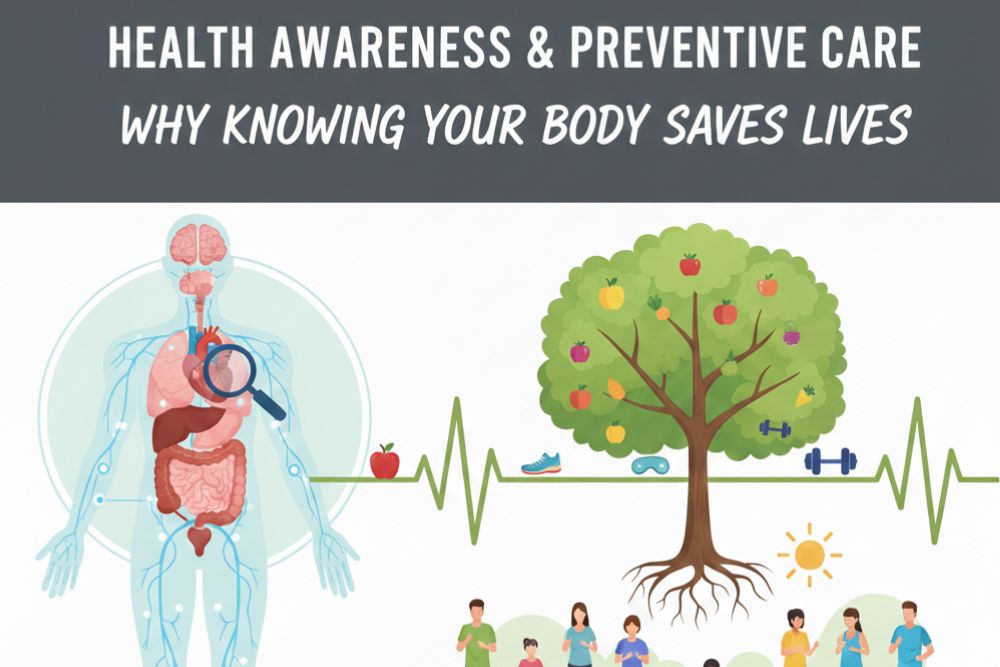
At Your Health Club, we believe that health awareness and preventive care are essential for a healthier life. Explore more health and wellness information to make informed decisions about your well-being.
Medical Disclaimer: This article is intended for general educational purposes only. It does not replace professional medical advice, diagnosis, or treatment. Consult a qualified healthcare professional if you have concerns about hormonal symptoms or hormone-related conditions.