


































































Weight Management: Healthy Habits for Maintaining a Healthy Weight


Maintaining a healthy weight is an important part of overall health and well-being. However, weight management is not just about losing extra kilograms or following a strict diet. It involves developing healthy eating habits, staying physically active, getting enough sleep, and maintaining a balanced lifestyle.
Many factors influence body weight, including genetics, age, hormones, eating patterns, physical activity, stress, and sleep quality. This is why the same weight management approach may not work for everyone.
A healthy weight management plan focuses on gradual, sustainable lifestyle changes rather than quick fixes. Whether your goal is to lose excess weight, prevent weight gain, or maintain your current weight, understanding these healthy habits can help you make better decisions for long-term health.
What Is Weight Management?
Weight management refers to the process of maintaining a healthy body weight through balanced nutrition, regular physical activity, and healthy lifestyle habits.
It includes three important goals:
- Weight Loss: Gradually reducing excess body weight when medically appropriate.
- Weight Maintenance: Maintaining a healthy and stable weight over time.
- Weight Gain: Increasing body weight in a healthy way when necessary.
Effective weight management is not about achieving a particular number on the weighing scale. It is about supporting overall health, improving fitness, and reducing the risk of weight-related health conditions.
Why Is Maintaining a Healthy Weight Important?
Maintaining a healthy weight can support several aspects of physical and mental health.
Some potential benefits include:
1. Supports Heart Health: Managing excess body weight can help improve important health factors such as blood pressure and cholesterol levels.
2. Helps Maintain Healthy Blood Sugar Levels: A balanced lifestyle and appropriate weight management can improve insulin sensitivity and support blood glucose control.
3. Supports Joint Health: Maintaining a healthy weight can reduce unnecessary pressure on weight-bearing joints, including the knees and hips.
4. Improves Physical Fitness: Healthy eating and regular exercise can improve stamina, strength, flexibility, and everyday mobility.
5. Supports Better Sleep: Healthy lifestyle habits can improve sleep quality. Weight management may also help reduce the risk of certain sleep-related problems.
6. Promotes Overall Well-Being: Balanced nutrition, regular activity, and good sleep habits can support energy levels, mood, and quality of life.
Common Factors That Affect Body Weight
Body weight is influenced by several interconnected factors. Understanding them can help individuals develop more realistic and effective weight management strategies.
1. Eating Habits and Food Choices
Regularly consuming large portions, sugary drinks, highly processed foods, and calorie-dense snacks may contribute to excess weight gain.
On the other hand, a balanced diet containing vegetables, fruits, whole grains, pulses, and protein-rich foods supports better nutrition and overall health.
2. Physical Inactivity
Spending long hours sitting at work, watching television, or using electronic devices can reduce daily energy expenditure.
A lack of regular physical activity may contribute to gradual weight gain over time.
3. Hormonal and Medical Conditions
Certain health conditions, including hypothyroidism and polycystic ovary syndrome (PCOS), may influence body weight. Some medications can also contribute to weight changes.
Individuals experiencing unexplained or sudden weight changes should consult a healthcare professional.
4. Stress and Emotional Eating
Stress, anxiety, and emotional challenges can affect eating patterns. Some people may eat more when they feel stressed, bored, or upset.
Recognizing emotional eating patterns can help individuals develop healthier ways to manage their emotions.
5. Poor Sleep Quality
Insufficient sleep may affect hormones involved in hunger and appetite regulation. It can also reduce energy levels and make regular physical activity more difficult.
Maintaining a consistent sleep schedule is an important part of a healthy lifestyle.
6. Genetics and Family History
Genetic factors can influence body composition, appetite, metabolism, and how the body stores fat.
Family habits and environmental factors may also influence food choices and physical activity levels.
10 Healthy Weight Management Tips for Everyday Life
Developing sustainable habits is one of the most effective ways to manage body weight. Here are ten practical strategies to support a healthier lifestyle.
1. Follow a Balanced and Nutritious Diet
A balanced diet provides the nutrients your body needs to function properly.
Include a variety of foods such as:
- Fresh vegetables and seasonal fruits.
- Whole grains such as brown rice, oats, and whole wheat.
- Protein sources such as dal, beans, eggs, fish, and lean meat.
- Healthy fat sources such as nuts, seeds, and appropriate amounts of cooking oils.
- Milk, curd, or suitable alternatives.
Avoid unnecessarily eliminating entire food groups. Focus on balanced meals that meet your individual nutritional requirements.
2. Practice Portion Control
Portion control helps you become more aware of how much food you consume during meals.
Some simple practices include:
- Use appropriately sized plates.
- Eat slowly and pay attention to hunger signals.
- Avoid eating directly from large snack packets.
- Include vegetables and protein in your meals.
- Stop eating when comfortably satisfied.
Remember that portion requirements differ based on age, activity level, health conditions, and individual nutritional needs.
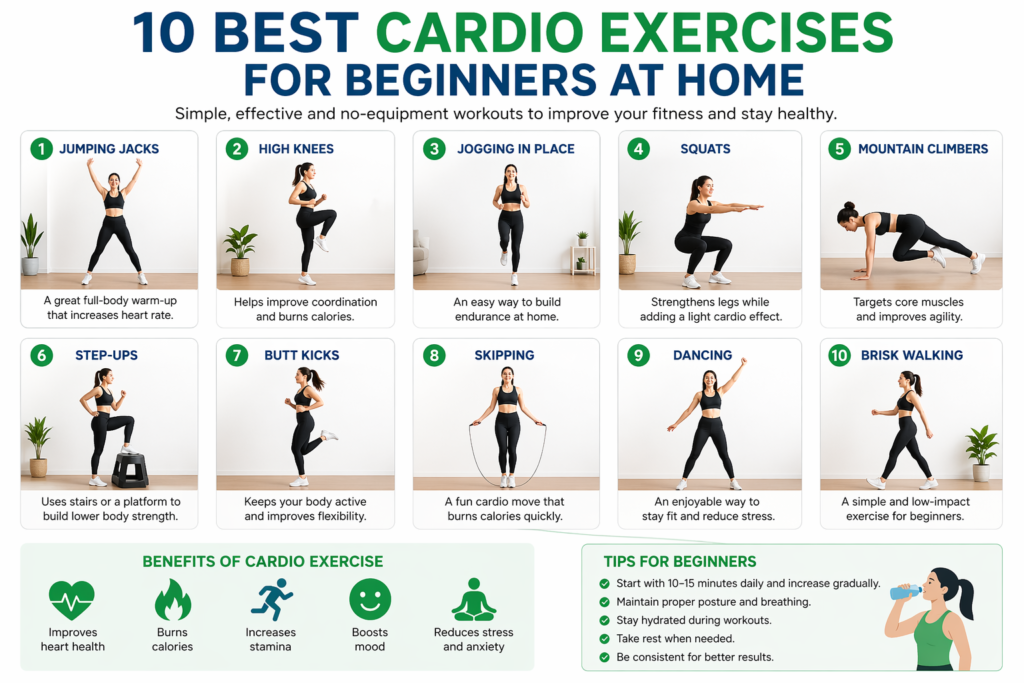
3. Stay Physically Active
Regular physical activity supports heart health, muscle strength, mobility, and weight management.
Some activities to include in your routine are:
- Brisk walking.
- Cycling.
- Swimming.
- Dancing.
- Yoga.
- Strength training.
- Adults should generally aim for at least 150–300 minutes of moderate-intensity aerobic activity per week, along with muscle-strengthening activities on two or more days.
If you are currently inactive, start gradually and increase activity according to your fitness level.
4. Drink Enough Water
Water supports digestion, temperature regulation, and several essential body functions.
Drinking water regularly throughout the day can also help you recognize the difference between thirst and hunger.
Choose water instead of sugary beverages more often. Individual fluid requirements vary depending on climate, activity level, and health conditions.
5. Reduce Added Sugar and Highly Processed Foods
Foods and beverages containing high amounts of added sugar and unhealthy fats can contribute to excessive calorie intake.
Try to limit frequent consumption of:
- Sugary soft drinks.
- Packaged sweets and desserts.
- Deep-fried snacks.
- Highly processed fast foods.
- Sweetened packaged beverages.
Choose nutritious alternatives such as fresh fruits, nuts, homemade snacks, and balanced meals.
6. Get Enough Quality Sleep
Sleep is an important part of maintaining a healthy lifestyle.
Most adults need approximately 7–9 hours of sleep each night, although individual requirements may vary.
To improve sleep quality:
- Maintain a regular bedtime.
- Avoid excessive screen use before sleeping.
- Keep your bedroom comfortable.
- Avoid heavy meals close to bedtime.
- Follow a relaxing nighttime routine.
Better sleep can support appetite regulation, energy levels, and daily activity.
7. Manage Stress Effectively
Long-term stress can influence appetite, sleep, and eating behaviour.
Healthy stress management practices include:
- Practicing meditation or deep breathing.
- Spending time outdoors.
- Engaging in hobbies.
- Maintaining social connections.
- Taking regular breaks from work.
- Practicing yoga or gentle exercise.
If emotional eating becomes difficult to manage, consider speaking with a qualified healthcare professional or counsellor.
8. Set Realistic and Achievable Goals
Unrealistic weight management goals can lead to frustration and unhealthy eating practices.
Instead of focusing only on kilograms, set small lifestyle goals such as:
- Walking for 30 minutes on most days.
- Including vegetables in daily meals.
- Reducing sugary drinks.
- Following a regular sleep schedule.
- Exercising consistently.
Track your progress and make adjustments when needed. Sustainable improvements are more valuable than rapid changes.
9. Monitor Your Progress
Monitoring your progress can help you understand whether your lifestyle changes are working.
You can track:
- Body weight trends.
- Waist measurements.
- Physical activity.
- Food habits.
- Sleep patterns.
- Energy levels and fitness improvements.
Body weight naturally fluctuates due to hydration, digestion, hormones, and other factors. Therefore, avoid judging your progress based on a single measurement.
10. Seek Professional Guidance When Needed
Every individual has different nutritional requirements, medical conditions, and fitness abilities.
A registered dietitian, doctor, or qualified healthcare professional can help create an appropriate weight management plan based on your health needs.
Professional guidance is particularly important for individuals with diabetes, heart disease, hormonal conditions, pregnancy-related concerns, or a history of eating disorders.
Understanding BMI and Healthy Body Weight
Body Mass Index (BMI) is a commonly used screening measurement that compares a person’s weight with their height.
It is calculated using the following formula:
BMI = Weight (kg) ÷ Height (m)²
For example, if a person weighs 70 kg and has a height of 1.70 metres:
BMI = 70 ÷ (1.70 × 1.70)
BMI = 24.2
BMI can help identify potential weight-related health risks, but it does not directly measure body fat or distinguish between muscle and fat.
For Indian and other South Asian populations, health risks may occur at lower BMI levels than in some other populations. Therefore, BMI should be interpreted using appropriate population-specific guidance and alongside other health assessments.
Common Weight Management Mistakes to Avoid
Many people struggle with weight management because they follow unrealistic or unsustainable approaches.
Avoid these common mistakes:
- Skipping meals regularly.
- Following extremely restrictive diets without medical guidance.
- Depending on unverified weight loss supplements.
- Exercising excessively without adequate recovery.
- Expecting immediate results.
- Ignoring sleep and stress management.
- Comparing your progress with other people.
- Focusing only on the number on the weighing scale.
A healthy weight management plan should support your overall well-being rather than create unnecessary physical or emotional stress.
Frequently Asked Questions (FAQs)
1. What is the best way to manage body weight?
The best approach combines balanced nutrition, regular physical activity, adequate sleep, stress management, and sustainable lifestyle habits. Individual plans should be based on personal health requirements.
2. Can I manage my weight without going to the gym?
Yes. Activities such as brisk walking, cycling, dancing, swimming, yoga, and home-based strength exercises can support physical fitness and weight management. Consistency is more important than exercising in a particular location.
3. How important is diet in weight management?
Diet plays an important role in weight management because food choices and portion sizes influence overall energy intake and nutrient consumption. A balanced and nutritious eating pattern supports long-term health.
4. Does drinking water help with weight management?
Drinking water supports normal body functions and may help replace sugary beverages. It can also help distinguish thirst from hunger. However, water alone does not cause weight loss.
5. How much exercise is needed for weight management?
Adults should generally aim for at least 150–300 minutes of moderate-intensity aerobic activity each week and muscle-strengthening activities on two or more days. Individual exercise needs may vary.
6. Why is sleep important for maintaining a healthy weight?
Poor sleep can affect appetite-regulating hormones, energy levels, and eating behaviour. Getting sufficient sleep can support healthier daily routines and overall well-being.
7. Is BMI enough to determine whether someone has a healthy weight?
No. BMI is a screening tool and does not directly measure body fat, muscle mass, or fat distribution. Healthcare professionals may consider waist measurements, medical history, and other health indicators.
8. How can I maintain my weight in the long term?
Maintain consistent eating habits, stay physically active, get sufficient sleep, manage stress, and monitor your health. Choose lifestyle changes that are realistic and easy to maintain.
Conclusion
Healthy weight management is a lifelong process that involves more than losing weight. It requires balanced nutrition, regular physical activity, quality sleep, stress management, and consistent lifestyle choices.
Instead of following extreme diets or expecting quick results, focus on developing habits that support your physical and mental well-being. Small, positive changes made consistently can contribute to better long-term health.
At Your Health Club, we believe that understanding your health is the first step toward making informed lifestyle choices. Stay connected with us for more practical health information, nutrition guidance, and wellness tips to support a healthier life.
Medical Disclaimer: This article is intended for general educational purposes only. It does not replace professional medical advice, diagnosis, or treatment. Consult a qualified healthcare professional or registered dietitian before making significant changes to your diet or exercise routine.