





















































Obesity Prevention: Healthy Lifestyle Habits for Long-Term Wellness


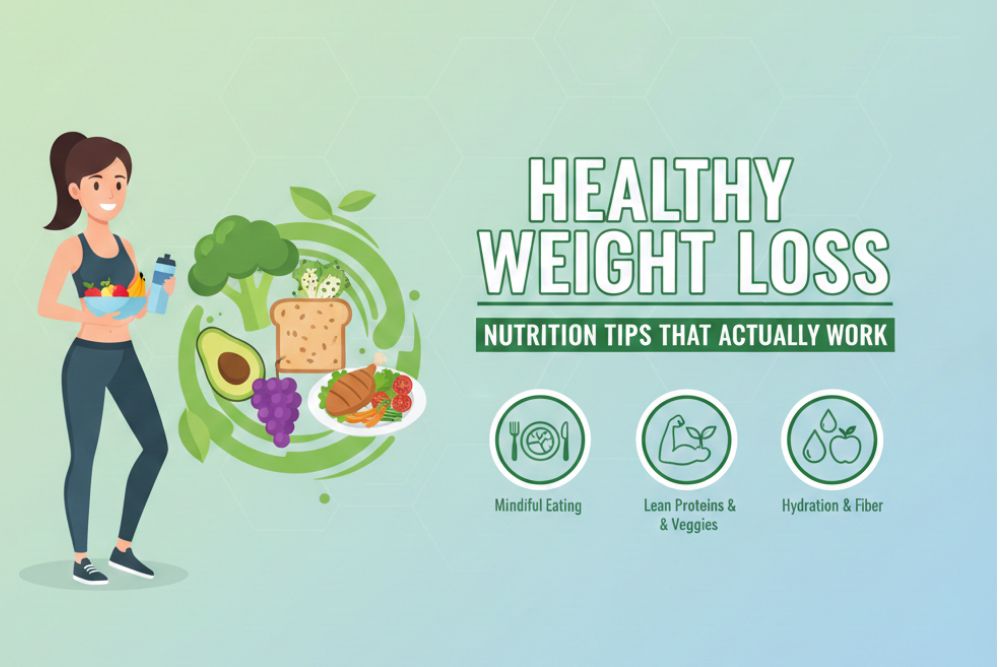
Obesity is a growing health concern that can affect people of all ages. It occurs when excess body fat may negatively affect health and increase the risk of several chronic conditions. Understanding how to prevent obesity through balanced nutrition, regular physical activity, and healthy daily habits can support long-term well-being.
Obesity prevention is not about following strict diets or achieving a particular body shape. It focuses on developing sustainable habits that support physical health, mental well-being, and a better quality of life.
What Causes Obesity?
Obesity develops through a combination of factors rather than a single cause. Common contributing factors include eating patterns, physical inactivity, genetics, sleep quality, certain medications, and underlying health conditions.
Environmental and social factors, such as limited access to nutritious foods and opportunities for exercise, can also influence weight. Understanding these factors helps individuals make informed choices and seek appropriate professional guidance.
7 Healthy Habits to Help Prevent Obesity
1. Follow a Balanced and Nutritious Diet
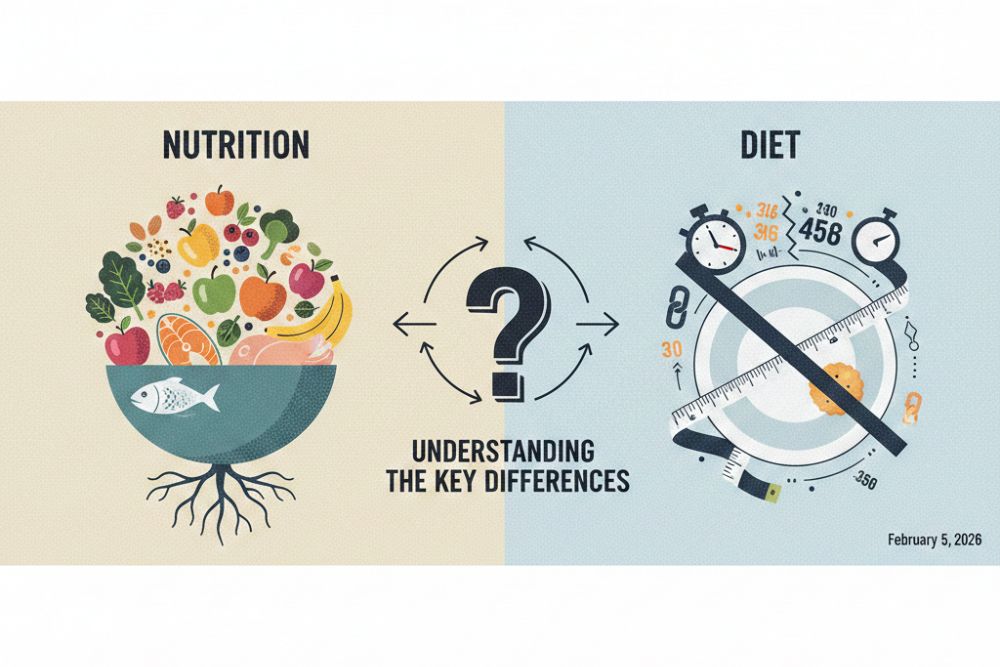
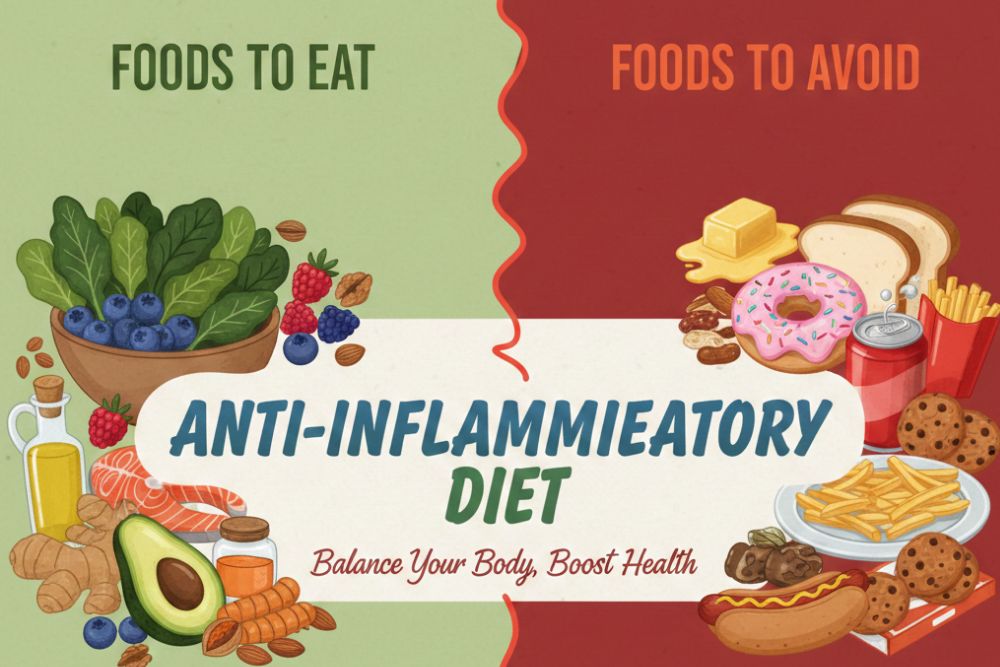
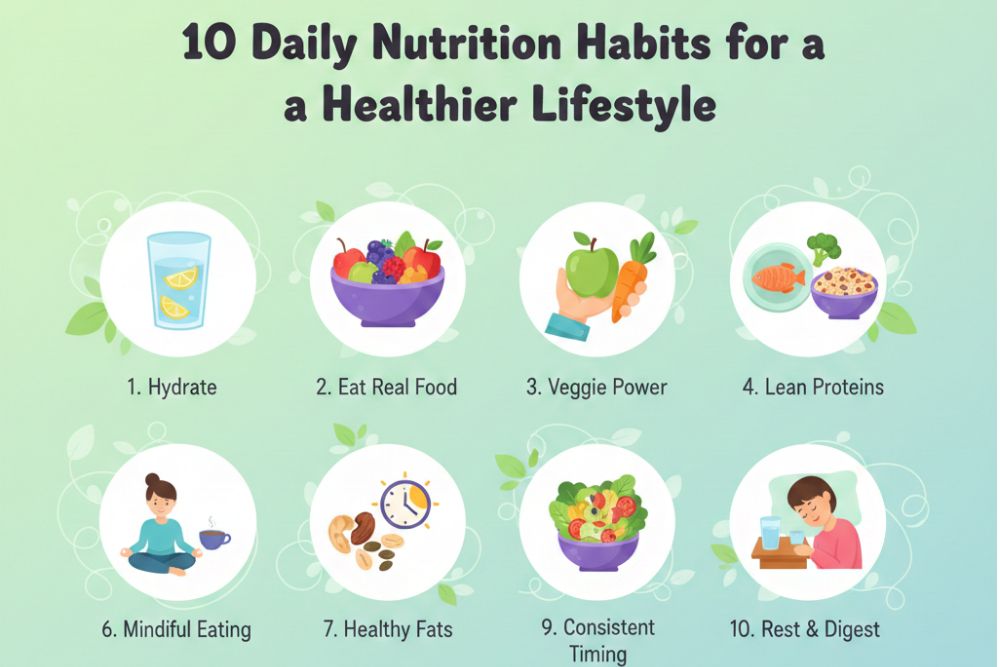
A balanced diet provides essential nutrients while supporting overall health. Include vegetables, fruits, whole grains, pulses, nuts, and suitable sources of protein in your daily meals.
Limit frequent consumption of sugary drinks, highly processed snacks, and foods high in added sugar or salt. Rather than eliminating entire food groups, focus on variety, appropriate portions, and consistent eating habits.
2. Stay Physically Active Every Day
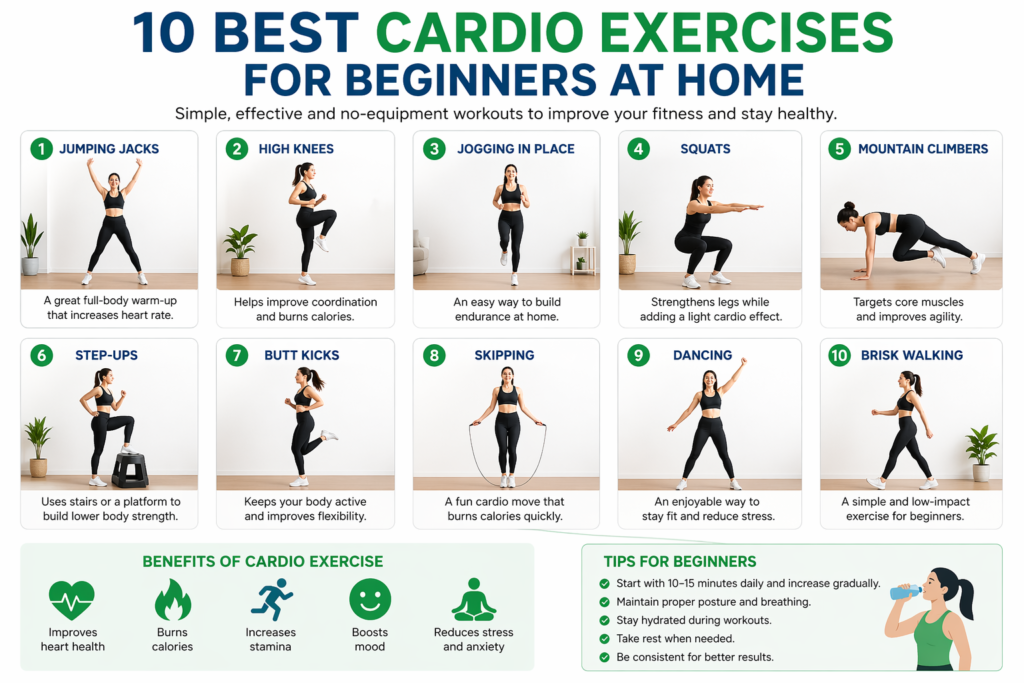
Regular physical activity supports heart health, muscle strength, mobility, and energy levels. Activities such as brisk walking, cycling, dancing, swimming, and household chores can contribute to an active lifestyle.
Adults can generally aim for at least 150 minutes of moderate-intensity aerobic activity each week, alongside muscle-strengthening activities on two or more days, as their health and abilities allow.
Start gradually if you are new to exercise, and consult a healthcare professional if you have concerns about exercising safely.
3. Maintain Healthy Sleep Habits
Sleep plays an important role in appetite regulation, energy, and overall health. Poor sleep may influence hunger, food choices, and activity levels.
Most adults need around seven to nine hours of sleep each night. Maintaining a consistent sleep schedule, reducing screen use before bedtime, and creating a comfortable sleeping environment can support better rest.
4. Reduce Prolonged Sitting
Long periods of sitting can reduce daily physical activity. Take short movement breaks during work, walk while talking on the phone, use stairs when practical, and include simple stretches throughout the day.
Small changes can make movement a regular part of your routine without requiring an expensive gym membership.
5. Manage Stress in Healthy Ways
Stress can influence eating patterns, sleep, and motivation. Some people may eat more when stressed, while others may experience changes in appetite.
Try relaxation techniques such as deep breathing, meditation, outdoor walks, hobbies, or spending time with supportive friends and family. Seek professional support if stress becomes difficult to manage.
6. Build Healthy Habits for Children and Families
Children benefit from nutritious meals, regular play, adequate sleep, and supportive family routines. Encourage outdoor activities and enjoyable movement rather than focusing on body size or appearance.
Avoid shaming children about weight. If you have concerns about a child’s growth or weight, consult a pediatrician for age-appropriate assessment and guidance.
7. Schedule Regular Health Checkups
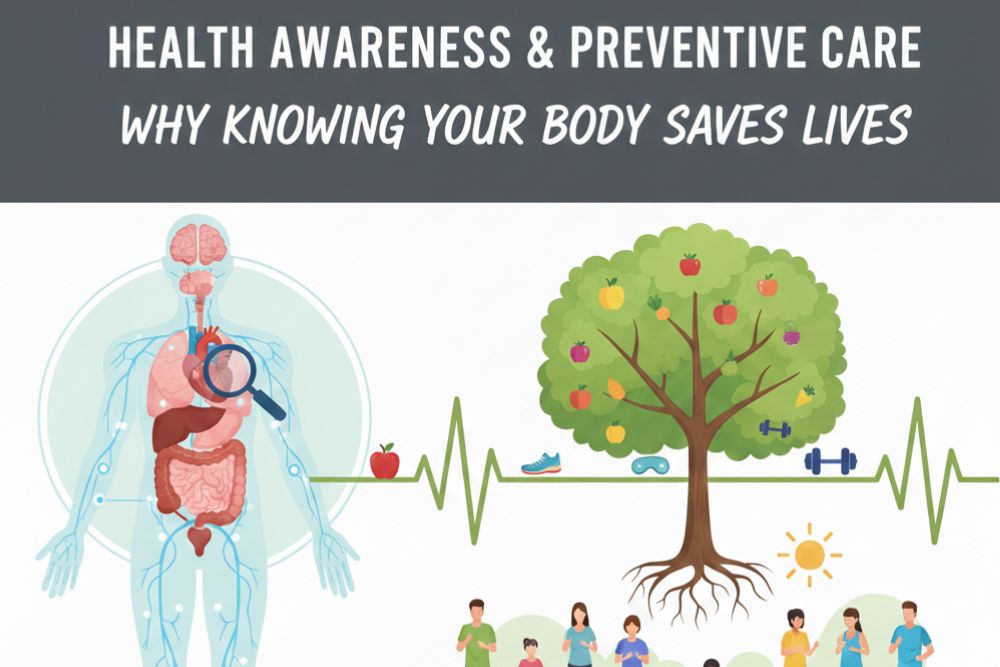
Regular medical checkups can help identify health concerns such as high blood pressure, abnormal blood sugar, and other conditions associated with excess body weight.
A healthcare professional can assess individual risk factors and recommend suitable nutrition, activity, or treatment options. Obesity is a complex health condition, and some people may benefit from medical treatment alongside lifestyle changes.
Why Is Obesity Prevention Important?
Preventing obesity and managing excess body weight when appropriate can help reduce the risk of type 2 diabetes, cardiovascular disease, certain other health conditions, and mobility problems.
However, body weight alone does not determine a person’s overall health. Prevention should focus on well-being, sustainable habits, and individualized healthcare rather than unrealistic weight goals.
Conclusion
Obesity prevention begins with realistic, consistent lifestyle habits. Eating a balanced diet, staying physically active, sleeping well, managing stress, and attending regular health checkups can support long-term wellness.
There is no single solution that works for everyone. Small, sustainable changes and professional guidance can help individuals and families make healthier choices over time.
At UrHealthClub, we encourage readers to learn about preventive healthcare and make informed decisions that support their overall well-being.
Frequently Asked Questions
1. What is the best way to help prevent obesity?
A balanced diet, regular physical activity, adequate sleep, and sustainable daily habits can help reduce obesity risk.
2. Can walking help prevent obesity?
Yes. Walking contributes to daily physical activity and supports cardiovascular health. Combining it with other healthy habits can provide additional benefits.
3. Does lack of sleep contribute to obesity?
Insufficient sleep may affect appetite regulation, energy levels, and food choices, potentially contributing to weight gain over time.
4. Can obesity be prevented in children?
Healthy family meals, regular physical activity, sufficient sleep, and supportive environments can help children develop healthy habits. Pediatric professionals can guide families according to each child’s growth and needs.