























































Mental Health in Children: Early Warning Signs Parents Should Recognize

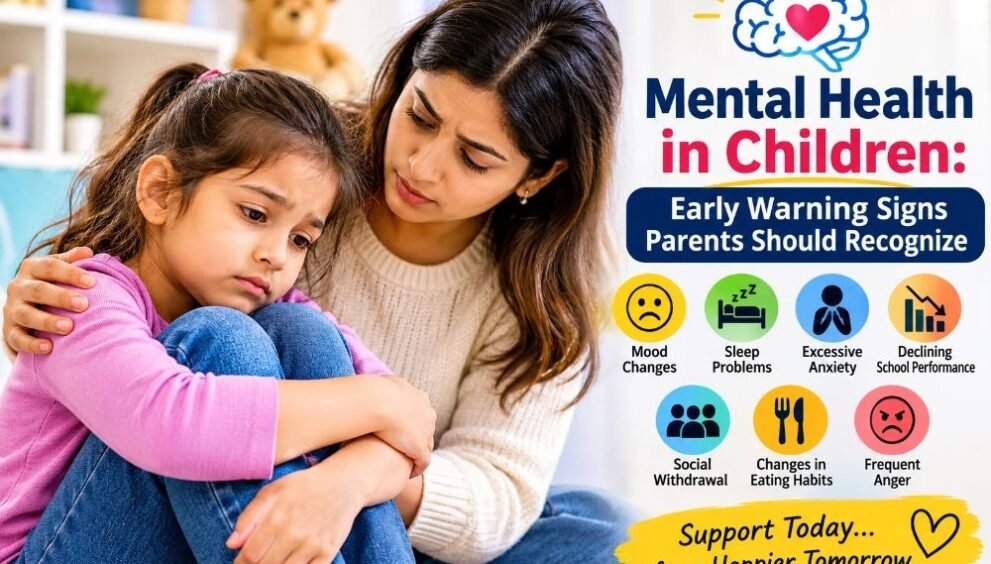
Children experience a wide range of emotions as they grow. While occasional sadness, fear, anger, and worry are normal, persistent changes in a child’s mood, behavior, sleep, or daily activities may indicate an underlying mental health concern. Recognizing these early warning signs can help parents provide timely support and seek professional guidance when needed.
Children’s mental health is just as important as their physical health. With understanding, open communication, and appropriate care, parents can help children develop emotional resilience and healthy coping skills.
What Is Children’s Mental Health?
Children’s mental health refers to their emotional, psychological, and social well-being. It influences how they think, feel, behave, build relationships, handle stress, and manage everyday challenges.
Mental health difficulties can affect children of any age. Anxiety, depression, attention-deficit/hyperactivity disorder (ADHD), and behavioral difficulties are some concerns that may require professional assessment. Early recognition can help children access suitable support at home, school, and in their communities.
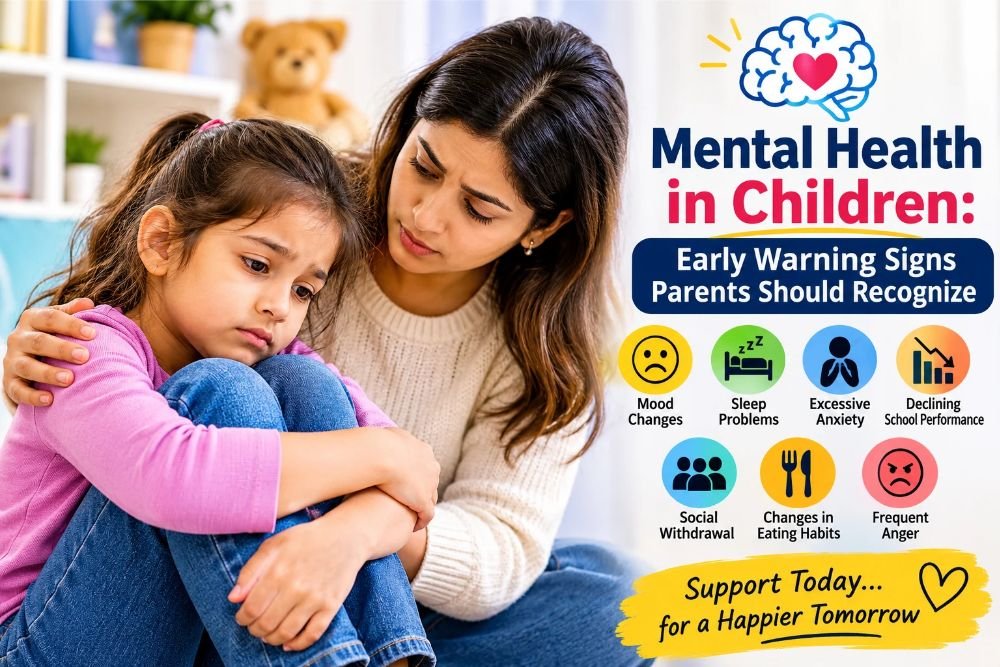
7 Early Warning Signs of Mental Health Problems in Children
1. Persistent Sadness or Mood Changes
Occasional sadness is a normal part of childhood. However, frequent crying, ongoing irritability, loss of interest in favorite activities, or feeling hopeless may signal emotional distress, particularly when these changes persist or interfere with everyday life.
2. Excessive Fear or Anxiety
Some children worry about school, friendships, exams, or being separated from their parents. When these worries become intense, frequent, or difficult to control, children may avoid school, social activities, or unfamiliar situations.
Physical complaints such as stomachaches or headaches can sometimes accompany anxiety. Parents should consider these symptoms seriously rather than assuming the child is simply being difficult.
3. Changes in Sleep Patterns
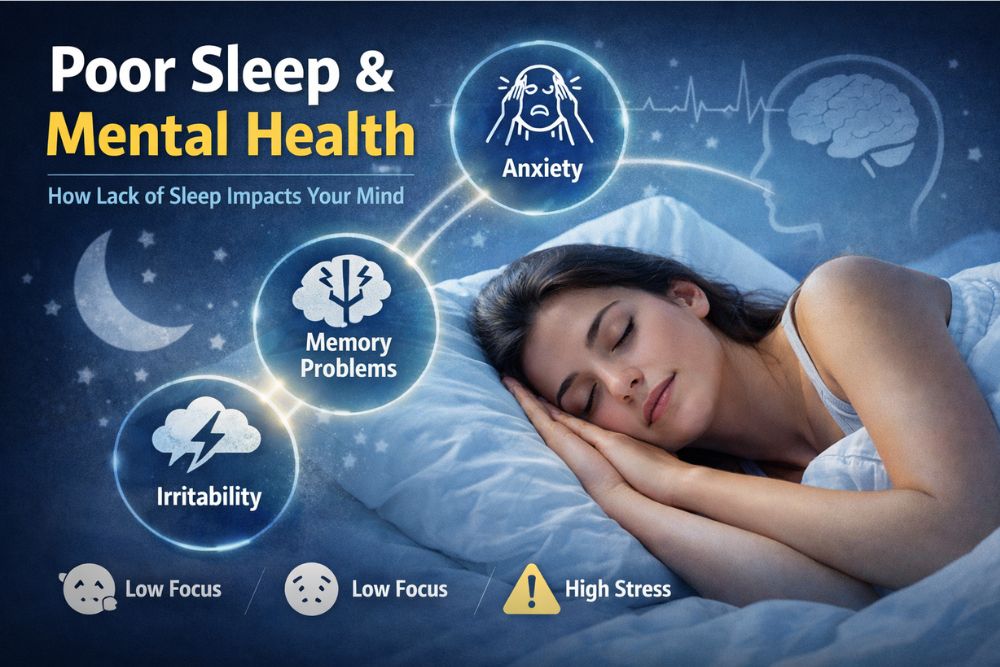
Difficulty falling asleep, frequent nightmares, sleeping much more than usual, or persistent tiredness may be associated with emotional difficulties. Sleep problems can also have physical or environmental causes, so a healthcare professional can help identify the reason.
4. Sudden Changes in Behavior
Increased anger, frequent tantrums, aggression, withdrawal, or unusual risk-taking may indicate that a child is struggling emotionally. Younger children may express distress through behavior because they find it difficult to explain their feelings in words.
Notice whether the behavior is new, happens frequently, or appears in different settings.
5. Declining School Performance
A sudden drop in grades, difficulty concentrating, avoiding homework, or refusing to attend school may be linked to stress, bullying, learning difficulties, anxiety, or other concerns.
Speaking with teachers can help parents understand whether changes are occurring at school, at home, or in both environments.
6. Social Withdrawal
Children who stop spending time with friends, avoid family interactions, or lose interest in hobbies may be experiencing emotional distress. Although some children naturally prefer quiet time, a significant change from their usual behavior deserves attention.
7. Changes in Eating Habits or Physical Complaints
Noticeable changes in appetite, unexplained recurring stomachaches, headaches, or frequent complaints of feeling unwell may sometimes accompany emotional stress. These symptoms can also indicate physical illness, so persistent or concerning symptoms should be evaluated by a healthcare professional.
What Can Affect a Child’s Mental Health?
Several factors can influence children’s emotional well-being, including:
- Bullying, peer pressure, or friendship difficulties.
- Academic stress and high expectations.
- Family conflict, separation, or major life changes.
- Social isolation or excessive online stress.
- Traumatic experiences or exposure to violence.
- Sleep difficulties and other health concerns.
- Genetic, developmental, and environmental factors.
Mental health challenges are not a sign of poor parenting. Children may need additional support for many different reasons, and every child’s experience is unique.
How Can Parents Support Their Child’s Mental Health?
Parents play an important role in creating a safe and supportive environment. These practical steps can help:
Encourage open communication: Give your child time to talk without fear of punishment or judgment. Ask gentle questions such as, “How have you been feeling lately?”
Listen with empathy: Acknowledge your child’s feelings instead of dismissing them. Saying “I understand this is difficult for you” can help children feel heard.
Maintain healthy routines: Regular sleep, balanced meals, physical activity, playtime, and predictable daily routines can support emotional well-being.
Create a supportive home environment: Encourage positive relationships, spend quality time together, and discuss problems calmly.
Work with the school: If your child experiences academic stress, bullying, or social difficulties, communicate with teachers or school counselors to identify suitable support.
Seek professional guidance: Consult a pediatrician, child psychologist, or qualified mental health professional if symptoms persist, worsen, or affect school, relationships, sleep, or daily activities.
When Should Parents Seek Professional Help?
Seek professional advice when emotional or behavioral changes persist, become severe, or interfere with your child’s normal activities. You do not need to wait until symptoms become serious before asking for help.
If a child talks about suicide, self-harm, or not wanting to live, take it seriously. Stay with the child, reduce access to anything they could use to hurt themselves, and seek immediate professional or emergency assistance. In India, call 112 for an emergency.
Frequently Asked Questions (FAQs)
What are the early signs of mental health problems in children?
Common warning signs include persistent sadness, excessive anxiety, sleep changes, frequent anger, social withdrawal, difficulty concentrating, and declining school performance. The significance depends on the child’s age, the duration of symptoms, and their effect on daily life.
At what age can children experience mental health problems?
Mental health difficulties can occur during early childhood, school age, and adolescence. Signs may appear differently depending on the child’s developmental stage.
How can parents improve children’s mental health?
Parents can encourage open communication, maintain healthy routines, support positive friendships, promote physical activity, and seek professional help when needed.
Does screen time affect children’s mental health?
Excessive or disruptive screen use may contribute to sleep problems, reduced physical activity, and online stress. Balanced screen habits, age-appropriate boundaries, and regular offline activities can support children’s well-being.
When should I consult a child psychologist?
Consider consulting a child psychologist when emotional or behavioral symptoms persist, worsen, or interfere with learning, relationships, sleep, or everyday activities. A pediatrician can also help assess possible physical or developmental causes.
Conclusion
Recognizing the early warning signs of mental health difficulties in children can help parents take supportive action before problems become more disruptive. Persistent mood changes, anxiety, sleep difficulties, social withdrawal, and changes in school performance deserve attention and understanding.
Every child deserves to feel safe, heard, and supported. By encouraging open conversations and seeking professional guidance when necessary, parents can help children build emotional resilience and develop healthier coping skills.
Medical disclaimer: This article is for educational purposes only and does not replace professional medical advice, diagnosis, or treatment. Consult a qualified healthcare professional about concerns regarding your child’s mental health.