
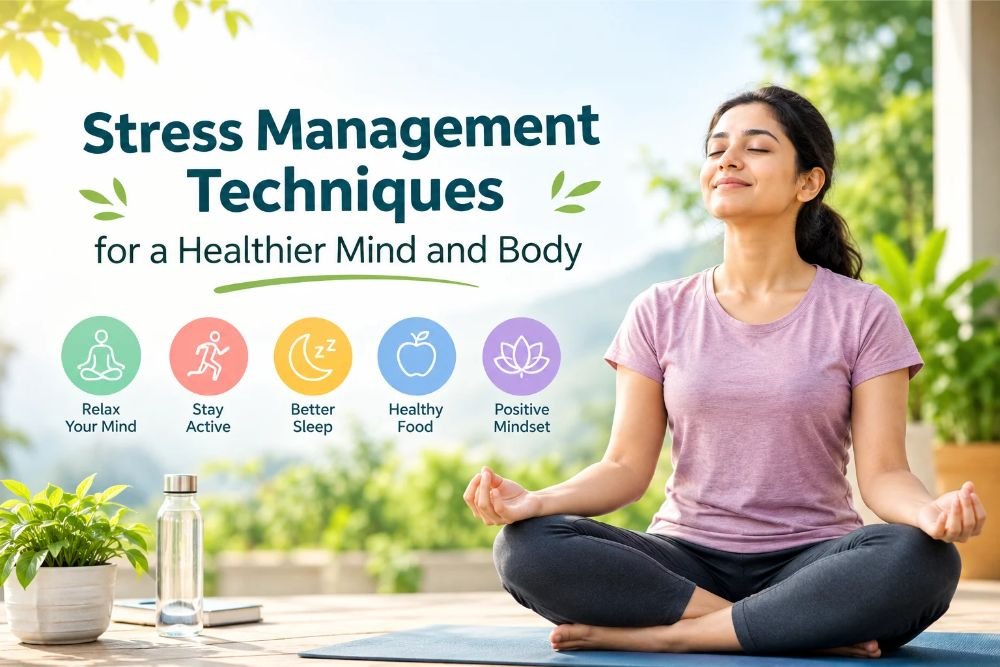











































Stress Management Techniques for a Healthier Mind and Body

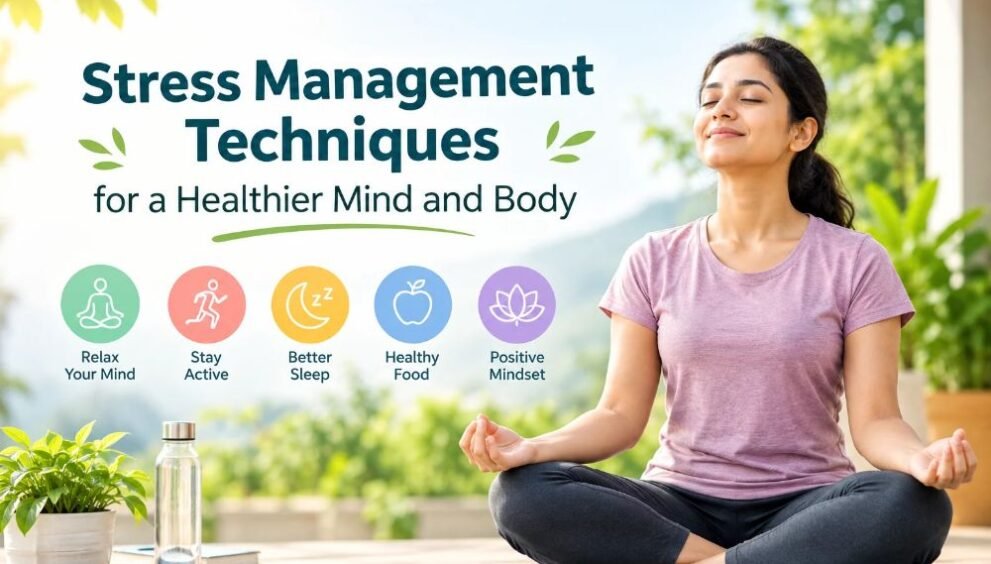
Stress is a common part of everyday life. Work responsibilities, family commitments, financial concerns, and personal challenges can sometimes feel overwhelming. While occasional stress is normal, prolonged stress can affect sleep, mood, concentration, and overall physical health.
Learning effective stress management techniques can help you feel calmer, improve emotional well-being, and build healthier daily habits. Simple changes, such as regular exercise, deep breathing, adequate sleep, and spending time with loved ones, can make a meaningful difference.
In this guide, discover practical stress management techniques that can support a healthier mind and body.
What Is Stress and How Does It Affect Your Health?
Stress is the body’s natural response to challenging or demanding situations. When you experience stress, your body releases hormones that prepare you to respond to a perceived threat or challenge. This response can be helpful in short-term situations, but ongoing stress may affect your health.
Common signs of stress include:
- Headaches and muscle tension
- Difficulty falling asleep or staying asleep
- Irritability, anxiety, or mood changes
- Trouble concentrating or making decisions
- Changes in appetite
- Feeling tired or overwhelmed
- Digestive discomfort
Stress can affect people differently. These symptoms may also have other causes, so persistent or severe symptoms should be discussed with a healthcare professional.
10 Effective Stress Management Techniques
1. Practice Deep Breathing Exercises
Deep breathing is a simple way to help your body relax when you feel overwhelmed. Slow, comfortable breathing can support the body’s relaxation response and help you focus on the present moment.
Try this technique:
- Sit comfortably with your shoulders relaxed.
- Breathe in gently through your nose.
- Breathe out slowly without forcing your breath.
- Repeat for a few minutes at a comfortable pace.
Stop if you feel dizzy or uncomfortable. Regular practice may help you manage everyday stressful situations more effectively.
2. Exercise Regularly
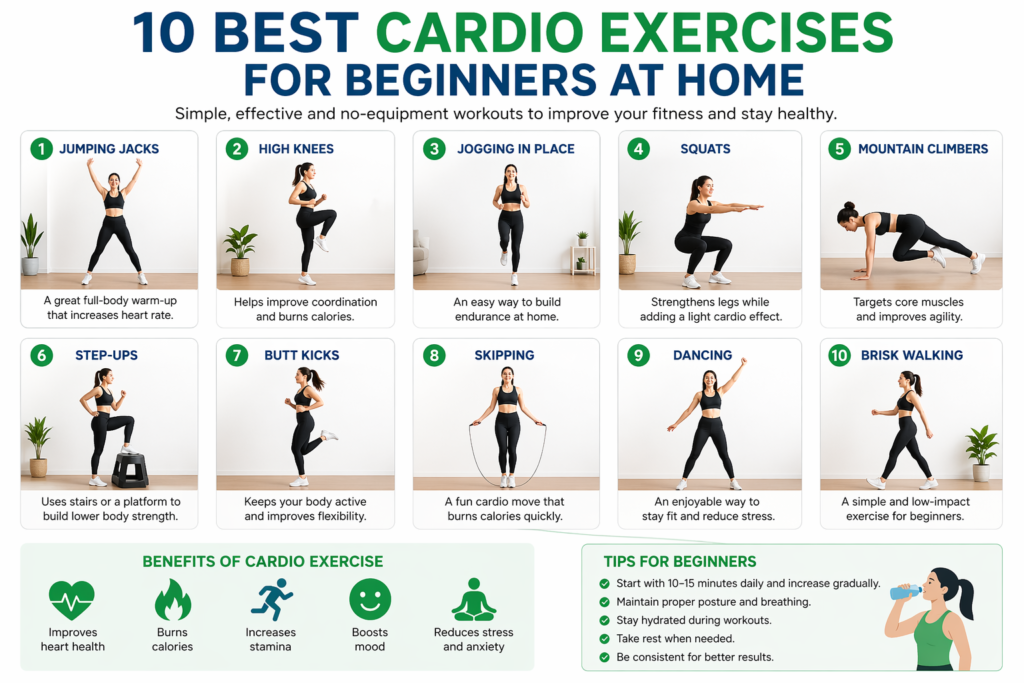
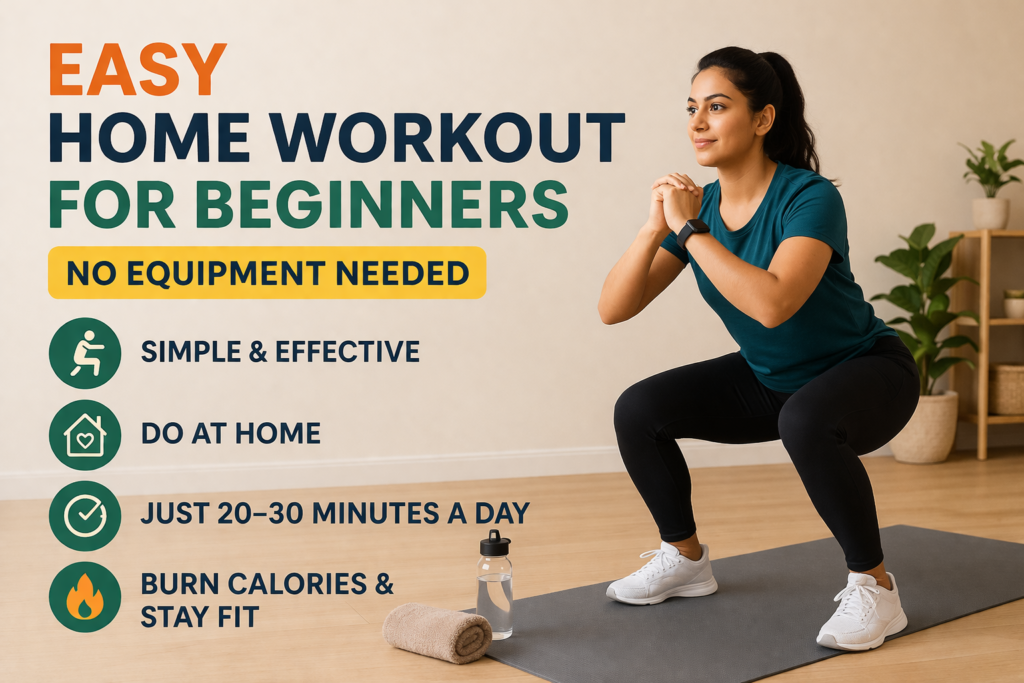
Physical activity supports both physical and mental well-being. Walking, cycling, swimming, dancing, and other enjoyable activities may help reduce tension and improve mood.
You do not need an intense workout to get started. A short daily walk or a few minutes of stretching can be a useful first step. Gradually build toward recommended activity levels based on your age, fitness, and health needs.
3. Get Enough Quality Sleep
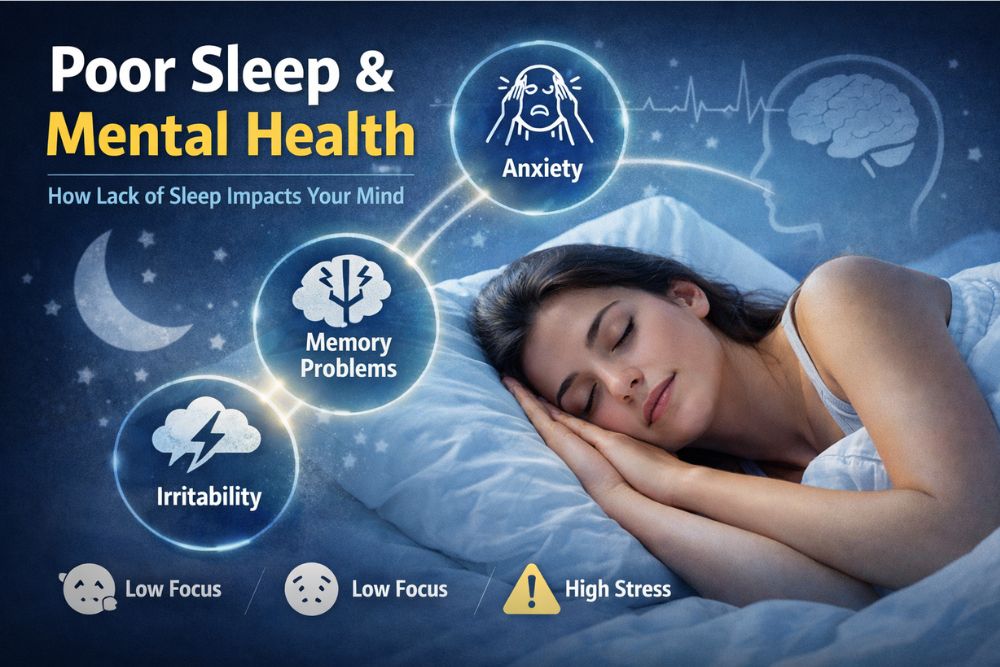
Poor sleep can make it harder to manage emotions and cope with daily challenges. A consistent sleep routine can help support better rest.
To improve sleep quality:
- Go to bed and wake up at consistent times.
- Create a quiet, comfortable sleeping environment.
- Limit caffeine later in the day.
- Reduce stimulating screen use before bedtime.
- Make time to unwind before sleeping.
Adults generally need seven to nine hours of sleep each night, although individual needs vary.
4. Eat a Balanced Diet and Stay Hydrated
Healthy eating supports your body’s energy needs and overall well-being. Try to include vegetables, fruits, whole grains, protein-rich foods, and healthy fats in your daily meals.
Drink enough water throughout the day, especially during hot weather or physical activity. Avoid relying heavily on caffeine or sugary drinks when feeling tired or stressed, as they may worsen sleep or feelings of restlessness in some people.
No single food can eliminate stress, but balanced nutrition can support your overall health.
5. Practice Mindfulness and Meditation
Mindfulness involves paying attention to the present moment without judging your thoughts or feelings. Meditation can help some people develop greater awareness of their stress responses.
Start with five minutes a day. Sit comfortably, focus on your breathing, and gently bring your attention back whenever your mind wanders. You can also practice mindfulness while walking, eating, or doing everyday activities.
Consistency matters more than the length of each session.
6. Manage Your Time Effectively
A long to-do list can make everyday responsibilities feel overwhelming. Organizing tasks into smaller steps may help you feel more in control.
Try these practical strategies:
- Identify the most important tasks for the day.
- Break large projects into manageable steps.
- Schedule short breaks between demanding activities.
- Set realistic deadlines.
- Learn to say no when your commitments become unmanageable.
Remember that productivity does not mean being busy every moment. Rest and personal time are important too.
7. Stay Connected With Friends and Family
Supportive relationships can help you cope with stressful situations. Talking with someone you trust may provide emotional relief and help you see a problem from a different perspective.
Make time for conversations, shared meals, hobbies, or simple activities with people who make you feel supported. If you are uncomfortable discussing a particular issue, you can begin by sharing how you have been feeling.
8. Spend Time in Nature
Spending time outdoors can provide a refreshing break from daily demands. Walking in a park, sitting in a garden, or enjoying natural surroundings may help you relax and improve your mood.
Even a short outdoor break can give you time away from screens and work-related distractions. Choose activities that feel comfortable and accessible to you.
9. Reduce Screen Time and Digital Overload
Constant notifications, social media comparisons, and continuous exposure to news can contribute to feelings of stress for some people.
Consider setting boundaries around digital use:
- Turn off unnecessary notifications.
- Take regular breaks from screens.
- Avoid checking work messages during personal time when possible.
- Set aside screen-free time before bed.
- Follow online accounts that provide helpful and positive information.
Healthy digital habits can create more space for rest, relationships, and enjoyable activities.
10. Seek Professional Support When Needed
Sometimes, lifestyle changes alone may not be enough to manage ongoing stress. If stress regularly affects your sleep, relationships, work, or ability to carry out everyday activities, consider speaking with a qualified mental health professional or healthcare provider.
Counselling and evidence-based therapies, including cognitive behavioural therapy (CBT), may help you understand stress triggers and develop effective coping strategies.
Seeking help is a positive step toward better health, not a sign of weakness.
How Can You Build a Daily Stress Management Routine?
You do not need to change your entire lifestyle at once. Start with a few manageable habits and build gradually.
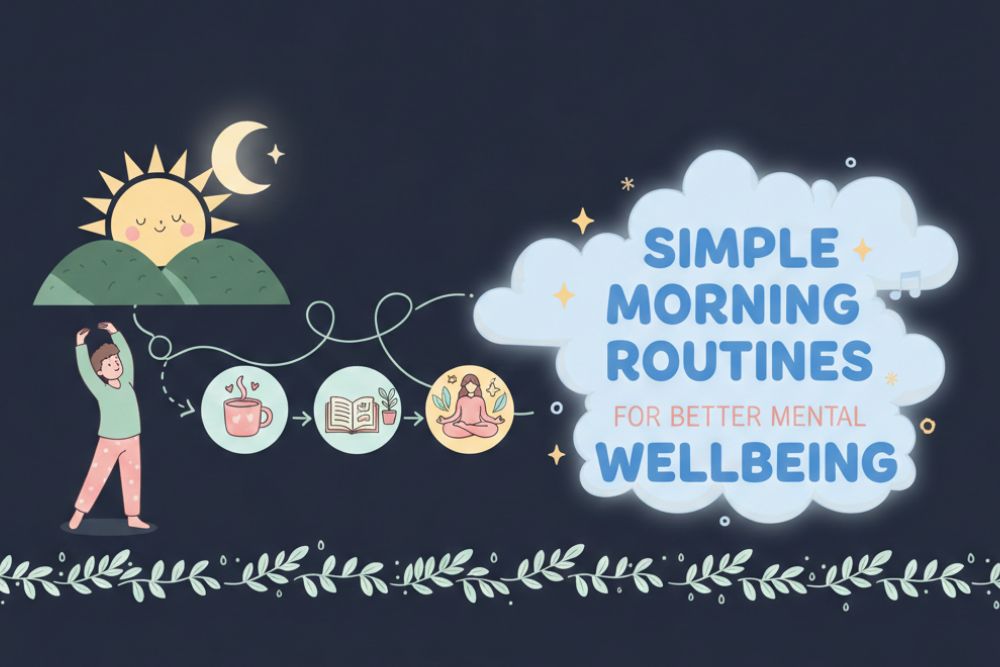
Morning: Begin with gentle stretching, slow breathing, or a short walk.
During the day: Prioritize important tasks, take regular breaks, eat balanced meals, and stay hydrated.
Evening: Spend time with family, enjoy a relaxing activity, and reduce screen use before bedtime.
Before sleep: Reflect on something positive from your day and follow a consistent bedtime routine.
Choose habits that fit your schedule and personal needs. Small, consistent actions can be easier to maintain than major changes.
Frequently Asked Questions (FAQs)
What are the best stress management techniques?
Effective techniques include deep breathing, regular physical activity, mindfulness, adequate sleep, balanced nutrition, time management, and social support. The best approach depends on your individual needs and stress triggers.
How can I reduce stress naturally at home?
You can try slow breathing, gentle exercise, listening to calming music, spending time with loved ones, maintaining a regular sleep schedule, and taking breaks from digital devices.
Can stress affect physical health?
Yes. Prolonged stress may contribute to sleep problems, muscle tension, digestive discomfort, and difficulties with mood and concentration. It can also influence behaviours that affect long-term health.
How does exercise help manage stress?
Physical activity can improve mood, support sleep, reduce muscle tension, and provide a healthy break from stressful thoughts. Choose an activity you enjoy so that it is easier to continue regularly.
When should I seek help for stress?
Consider professional support if stress persists, feels unmanageable, affects daily functioning, or is accompanied by ongoing anxiety, low mood, or sleep difficulties. Seek urgent help if you feel unsafe or have thoughts of harming yourself.
Conclusion
Stress may be a normal part of life, but it does not have to control your everyday well-being. Practising deep breathing, exercising regularly, improving sleep, eating balanced meals, and maintaining supportive relationships can help you develop healthier ways to cope with daily challenges.
Start with one or two techniques and practise them consistently. If stress becomes overwhelming or begins affecting your daily life, professional support can help you find suitable solutions.
Medical disclaimer: This article is for educational purposes only and does not replace professional medical advice, diagnosis, or treatment. Consult a qualified healthcare professional if you have persistent stress or concerns about your physical or mental health.