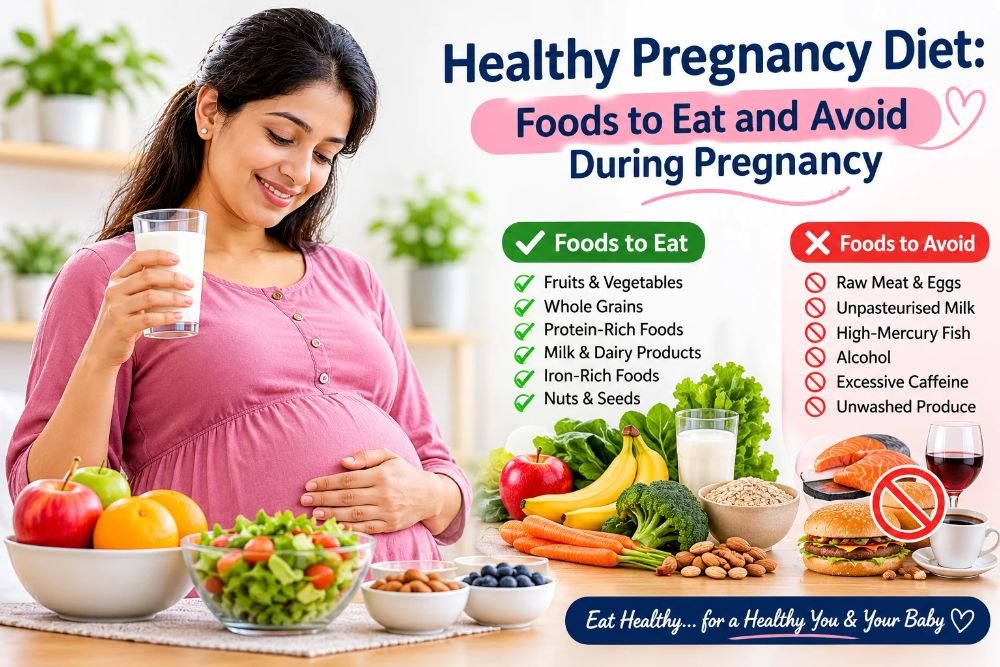

















Healthy Pregnancy Diet: Foods to Eat and Avoid During Pregnancy

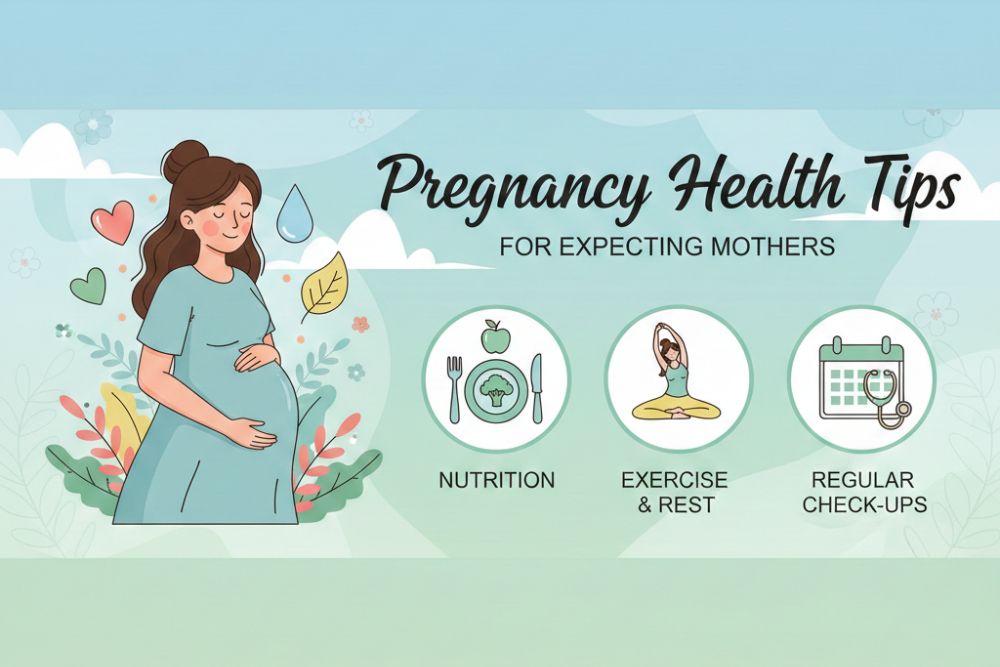
Pregnancy is an important stage in a woman’s life. During this time, the body needs additional nutrients to support the mother’s health and the baby’s growth and development. Following a healthy pregnancy diet can help provide essential vitamins, minerals, protein, and energy.
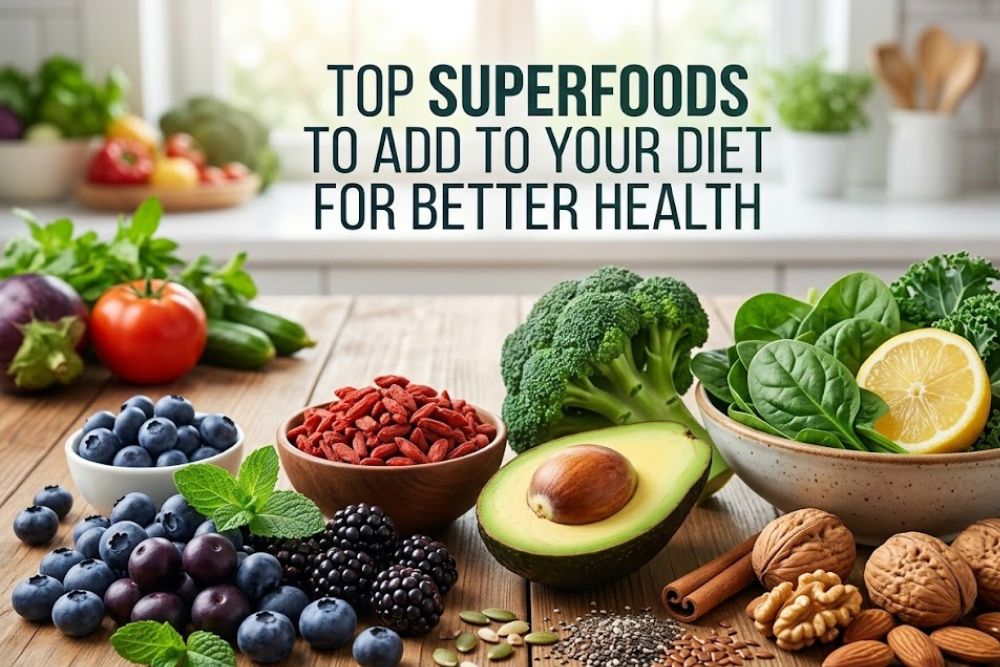
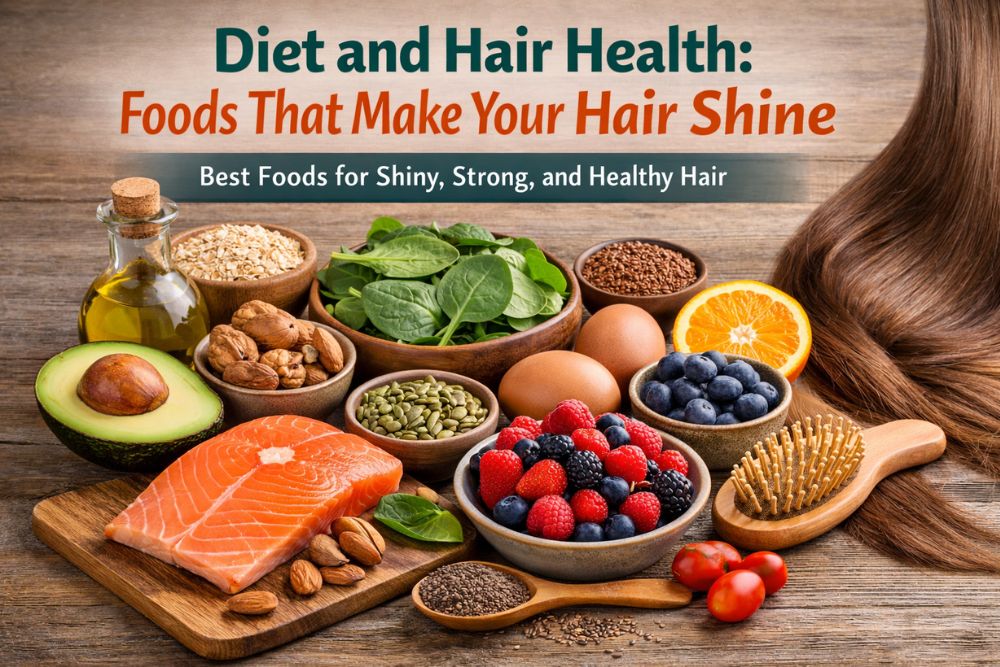
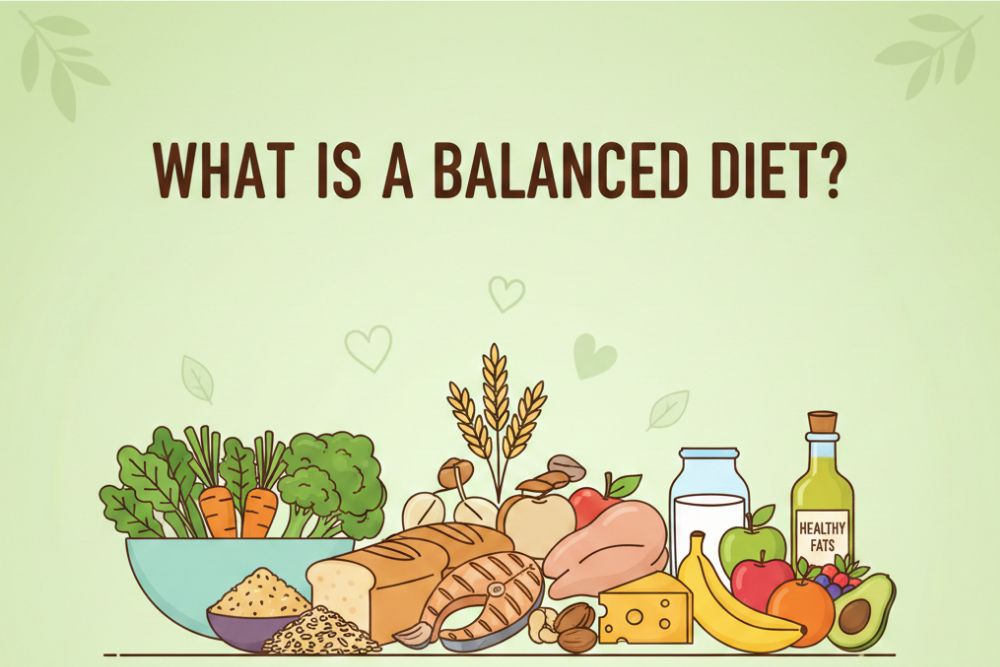
A balanced diet does not need to be complicated or expensive. Everyday foods such as vegetables, fruits, whole grains, pulses, milk, curd, nuts, and well-cooked eggs can provide many of the nutrients needed during pregnancy.
However, some foods and drinks should be limited or avoided because they may increase the risk of food poisoning or affect the baby’s development.
In this guide, we will explore the best foods to eat during pregnancy, foods to avoid, essential nutrients, and simple tips for maintaining a balanced diet.
Why Is a Healthy Diet Important During Pregnancy?
Good nutrition supports both the mother and the developing baby. A balanced pregnancy diet helps:
- Support the baby’s growth and development.
- Provide energy for the mother’s changing body.
- Support the development of the baby’s brain, bones, and organs.
- Maintain the mother’s overall health.
- Reduce the risk of nutritional deficiencies.
- Support healthy weight gain during pregnancy.
Every pregnancy is different, so nutritional needs may vary depending on the mother’s health, age, activity level, and stage of pregnancy.
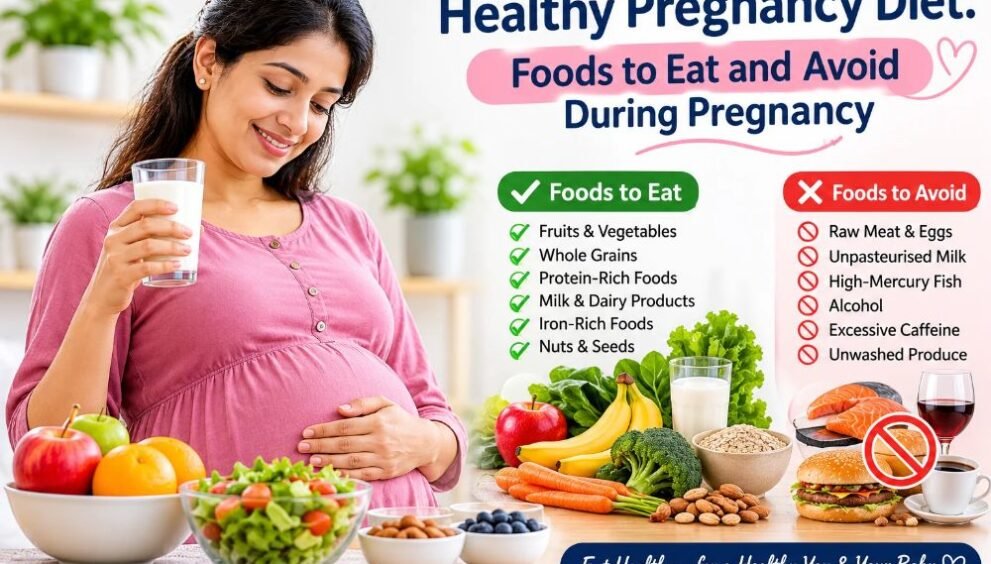
Best Foods to Eat During Pregnancy
Including a variety of nutritious foods in your daily meals can help meet your pregnancy nutritional needs.
1. Fresh Fruits and Vegetables
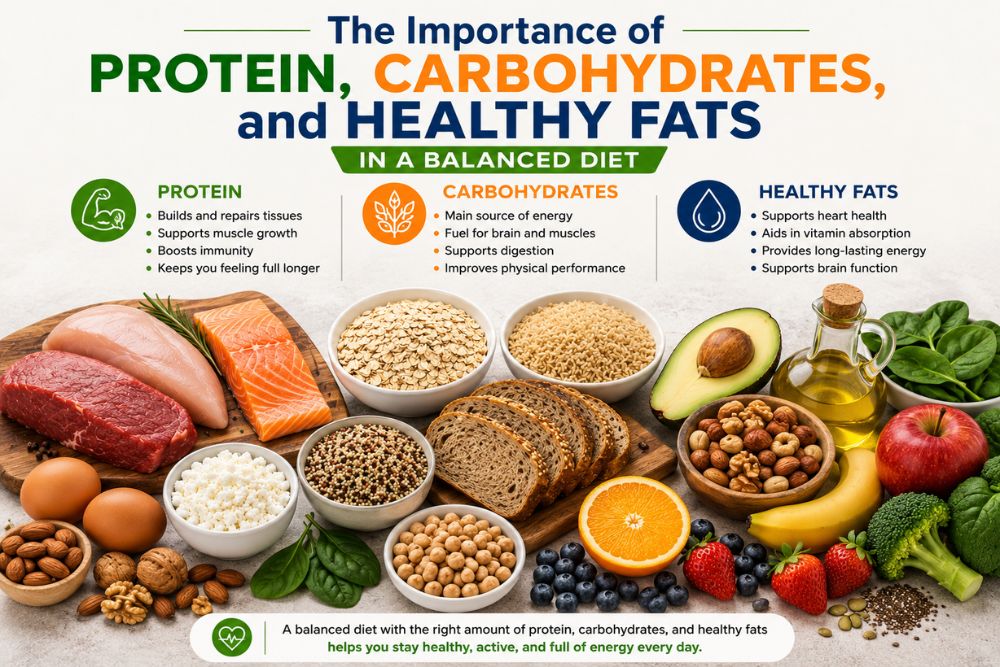
Fruits and vegetables provide vitamins, minerals, antioxidants, and fibre. They also support digestion and help maintain overall health.
Good choices include:
- Apples
- Bananas
- Oranges
- Guavas
- Papayas that are fully ripe
- Carrots
- Beetroot
- Spinach
- Broccoli
- Sweet potatoes
Wash fruits and vegetables thoroughly under clean running water before eating. Choose fresh, properly stored produce.
2. Whole Grains
Whole grains provide carbohydrates, fibre, and energy. They can help keep you full and support healthy digestion.
Include foods such as:
- Brown rice
- Whole wheat chapati
- Ragi
- Jowar
- Bajra
- Oats
- Whole grain bread
- Dalia
Try to include whole grains regularly instead of relying mainly on refined flour and highly processed foods.
3. Protein-Rich Foods
Protein supports the growth and development of the baby’s tissues, muscles, and organs. It also helps maintain the mother’s body tissues.
Healthy protein sources include:
- Dal and lentils
- Green gram and chickpeas
- Rajma
- Well-cooked eggs
- Well-cooked chicken
- Fully cooked, low-mercury fish
- Paneer made with pasteurised milk
- Nuts and seeds
Vegetarians can obtain protein from pulses, beans, dairy products, nuts, seeds, and soy-based foods.
4. Milk and Dairy Products
Milk and dairy products provide calcium, protein, and other important nutrients that support the development of the baby’s bones and teeth.
Healthy options include:
- Pasteurised milk
- Curd
- Buttermilk
- Paneer
- Pasteurised cheese
- Plain yoghurt
Choose pasteurised dairy products and store them safely.
5. Foods Rich in Iron
Iron helps the body produce haemoglobin, which carries oxygen through the blood. Iron requirements increase during pregnancy.
Iron-rich foods include:
- Spinach and other green leafy vegetables
- Lentils
- Chickpeas
- Beans
- Ragi
- Pumpkin seeds
- Well-cooked meat
- Eggs
Pair plant-based iron sources with vitamin C-rich foods such as guava, amla, lemon, or oranges. Vitamin C helps the body absorb iron from plant foods.
Your healthcare provider may also recommend iron supplements during pregnancy.
6. Nuts and Seeds
Nuts and seeds provide healthy fats, protein, fibre, and minerals.
Good options include:
- Almonds
- Walnuts
- Cashews
- Peanuts
- Chia seeds
- Flaxseeds
- Pumpkin seeds
- Sunflower seeds
A small handful can be included as a snack. Avoid nuts if you have an allergy or have been advised otherwise by your healthcare provider.
7. Foods Rich in Calcium and Folic Acid
Calcium supports the development of the baby’s bones and teeth. Folic acid is particularly important during early pregnancy because it helps reduce the risk of certain neural tube defects.
Calcium sources:
- Milk
- Curd
- Paneer
- Ragi
- Sesame seeds
- Calcium-fortified foods
Folate-rich foods:
- Green leafy vegetables
- Beans
- Lentils
- Peas
- Citrus fruits
- Fortified cereals
Food alone may not provide all the folic acid needed during pregnancy. Ask your doctor about the correct folic acid supplement and dose.
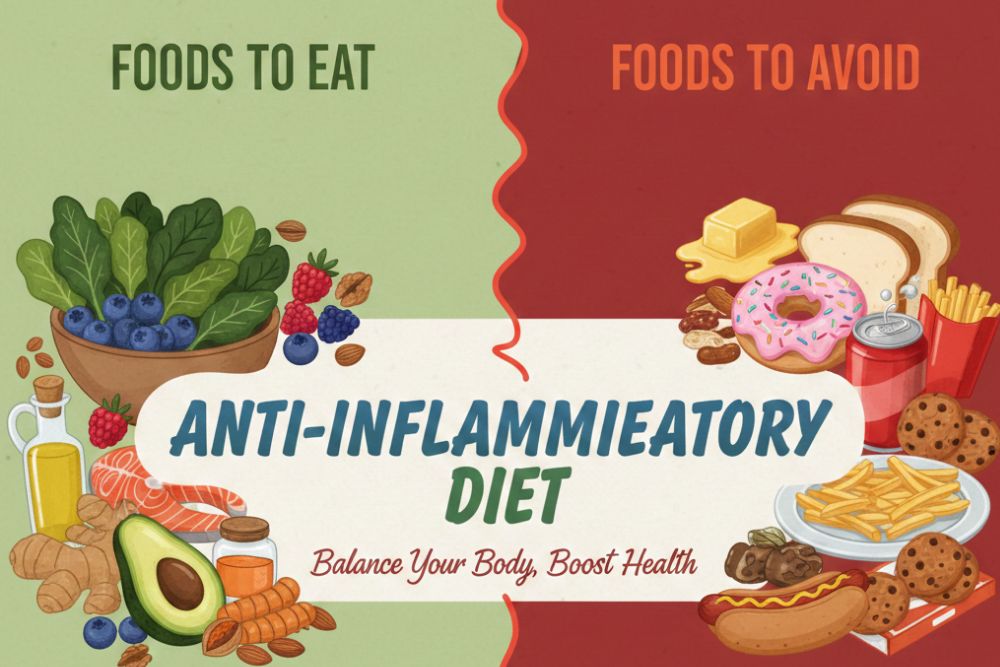
Foods and Drinks to Avoid During Pregnancy
Some foods can contain harmful bacteria, parasites, or substances that may affect the baby’s development. Following basic food safety practices is important.
1. Raw or Undercooked Meat and Eggs
Raw or undercooked meat and eggs may contain harmful bacteria that can cause foodborne illness.
Avoid:
- Raw or partially cooked eggs
- Undercooked chicken
- Raw or undercooked meat
- Raw seafood
- Uncooked meat preparations
Choose freshly prepared meals and ensure meat, poultry, and eggs are thoroughly cooked.
2. Unpasteurised Milk and Dairy Products
Unpasteurised milk and products made from it may contain harmful bacteria.
Choose pasteurised milk, curd, paneer, and other dairy products from safe sources. Check product labels before buying.
3. High-Mercury Fish
Some fish contain high levels of mercury, which can affect the developing baby’s nervous system.
Avoid high-mercury fish such as:
- Shark
- Swordfish
- Marlin
- King mackerel
Choose suitable low-mercury fish instead, and follow local food safety advice regarding fish consumption.
4. Alcohol
Alcohol should be avoided throughout pregnancy. There is no known safe amount of alcohol during pregnancy.
Avoid alcoholic beverages and check labels for alcohol-containing drinks or products.
5. Excessive Caffeine
Too much caffeine during pregnancy may increase health risks.
Caffeine is present in:
- Coffee
- Tea
- Green tea
- Cola
- Energy drinks
- Chocolate
Many pregnancy guidelines recommend keeping caffeine intake below 200 mg per day. Remember that caffeine amounts vary depending on the drink and serving size.
6. Unwashed Fruits and Vegetables
Fruits and vegetables that have not been washed properly may contain soil, parasites, or harmful microorganisms.
Wash fresh produce thoroughly before cutting, cooking, or eating it. Avoid food that has been stored improperly or left uncovered for long periods.
7. Raw Sprouts and Unsafe Street Food
Raw sprouts may carry bacteria that are difficult to remove through washing alone. Eat sprouts only after they have been cooked thoroughly.
Be careful with street food, uncovered food, and meals prepared in unhygienic conditions. Choose freshly prepared, thoroughly cooked food from clean sources.
Essential Nutrients Needed During Pregnancy
A balanced diet should provide different nutrients that support the mother’s health and the baby’s development.
| Nutrient | Why It Is Important | Food Sources |
|---|---|---|
| Folic acid | Supports early brain and spinal development | Green leafy vegetables, lentils, fortified foods |
| Iron | Helps produce healthy red blood cells | Beans, spinach, ragi, meat |
| Calcium | Supports bones and teeth | Milk, curd, paneer, ragi |
| Protein | Supports tissue and muscle growth | Eggs, pulses, dairy, chicken |
| Vitamin C | Supports immunity and iron absorption | Guava, amla, oranges |
| Vitamin D | Helps the body absorb calcium | Fortified foods, eggs, oily fish |
| Iodine | Supports thyroid function and brain development | Iodised salt, dairy, seafood |
Your doctor may recommend prenatal supplements based on your nutritional needs. Do not start high-dose supplements without medical advice.
Simple Daily Pregnancy Meal Ideas
A balanced meal routine can include familiar foods from different food groups. Here is an example of how a day of meals might look:
Early Morning
- A glass of clean drinking water
- A small handful of nuts
Breakfast
- Vegetable idli or dosa
- Sambar
- Milk or curd
Mid-Morning Snack
- One seasonal fruit, such as an apple, orange, or guava
Lunch
- Rice or chapati
- Dal or sambar
- Cooked green vegetables
- Curd
- Well-cooked egg, paneer, chicken, or fish
Evening Snack
- Roasted chana or cooked sprouts
- Buttermilk or milk
Dinner
- Chapati or rice
- Vegetable curry
- Dal or another protein-rich dish
Before Bed
- Milk, if comfortable and suitable for you
This is only a general meal example. Food quantities and nutritional requirements should be adjusted according to your pregnancy stage, appetite, health conditions, and doctor’s advice.
Healthy Eating Tips for Expecting Mothers
Following a few simple habits can make healthy eating easier during pregnancy.
- Eat a variety of foods: Include fruits, vegetables, whole grains, protein, and dairy or suitable alternatives.
- Drink enough water: Stay hydrated throughout the day.
- Eat regular meals: Smaller, more frequent meals may help if you experience nausea or acidity.
- Choose home-cooked food: Freshly prepared meals can make it easier to manage ingredients and hygiene.
- Limit highly processed foods: Reduce frequent consumption of foods high in added sugar, salt, and unhealthy fats.
- Follow food safety practices: Wash your hands, clean kitchen surfaces, separate raw and cooked foods, and cook meals thoroughly.
- Attend regular prenatal check-ups: Discuss your diet, weight gain, and supplements with your healthcare provider.
Common Pregnancy Diet Mistakes to Avoid
Some common misconceptions can make it harder to maintain a healthy diet.
- Eating for two: Pregnancy does not mean eating twice as much. Focus on food quality and appropriate portions.
- Skipping meals: Missing meals regularly may make it harder to meet nutritional needs.
- Taking supplements without advice: Excessive amounts of certain vitamins and minerals can be harmful.
- Following food myths: Avoid unnecessary food restrictions based on unverified advice.
- Ignoring food hygiene: Even nutritious food can be unsafe if it is contaminated or improperly stored.
Frequently Asked Questions (FAQs)
1. What are the best foods to eat during pregnancy?
Fruits, vegetables, whole grains, pulses, nuts, pasteurised dairy products, and well-cooked eggs, meat, and fish are nutritious choices during pregnancy.
2. Which fruits are good during pregnancy?
Apples, bananas, oranges, guavas, and other fresh seasonal fruits can be included in a balanced diet. Always wash fruits thoroughly before eating.
3. Can pregnant women eat eggs?
Yes. Eggs are a good source of protein and other nutrients. Make sure they are properly cooked to reduce the risk of foodborne illness.
4. Is milk good during pregnancy?
Yes. Pasteurised milk provides calcium and protein, which support the mother’s nutritional needs and the baby’s bone development.
5. How much water should a pregnant woman drink?
Fluid requirements vary depending on the weather, activity level, and individual health. Drink water regularly throughout the day and ask your healthcare provider if you need a specific target.
6. Should pregnant women avoid spicy food?
Spicy food is not generally harmful to the baby. However, it may worsen acidity or heartburn in some women. Adjust your food choices according to your comfort.
7. Do pregnant women need vitamin supplements?
Some supplements, including folic acid and iron, are commonly recommended during pregnancy. The type, amount, and duration should be decided with a healthcare professional.
Conclusion
A healthy pregnancy diet plays an important role in supporting the mother and baby’s nutritional needs. Including fruits, vegetables, whole grains, protein-rich foods, and pasteurised dairy products can help provide essential nutrients throughout pregnancy.
At the same time, avoiding alcohol, high-mercury fish, raw or undercooked foods, and unsafe dairy products can help reduce preventable health risks.
Every pregnancy is unique. Consult your gynaecologist or a qualified dietitian to create a meal plan that suits your individual nutritional needs.
UrHealthClub encourages expecting mothers to make informed health choices and follow professional guidance for a healthy pregnancy.
Medical Disclaimer: This article is for general educational purposes only and is not a substitute for professional medical advice. Always consult your doctor or qualified healthcare professional for personalised pregnancy nutrition guidance.