























































Understanding Treatments, Benefits, and Skin Safety

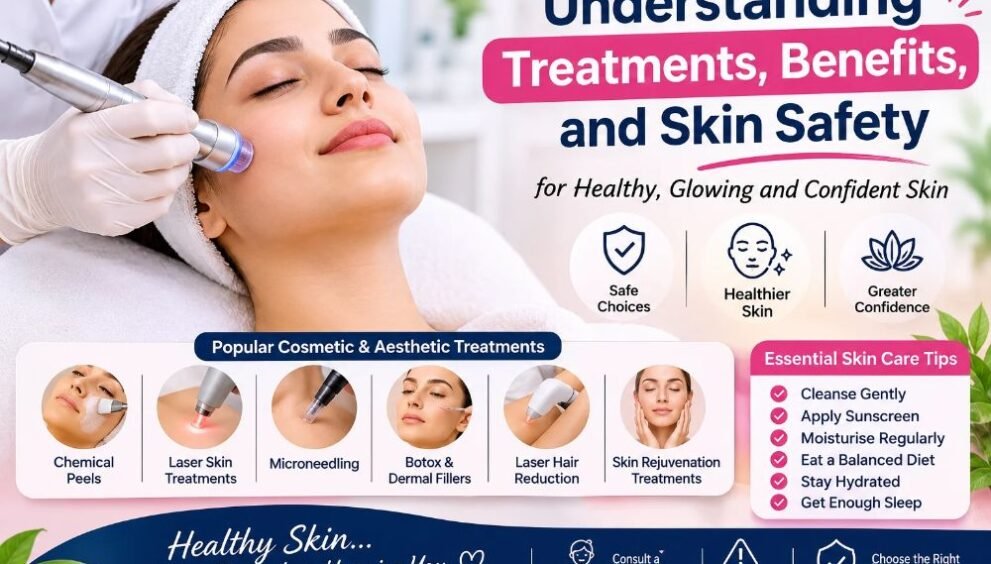
Healthy skin and personal well-being are important parts of overall health. Cosmetic and aesthetic care focuses on improving the appearance of the skin, hair, and other physical features through suitable skincare practices and professional treatments.
Today, several cosmetic and aesthetic treatments are available to address concerns such as acne marks, uneven skin tone, wrinkles, unwanted hair, and signs of ageing. However, choosing the right treatment requires proper knowledge, realistic expectations, and professional guidance.
In this guide, learn about common cosmetic treatments, their potential benefits, safety considerations, and how to make informed decisions about your skin.
What Is Cosmetic & Aesthetic Care?
Cosmetic and aesthetic care includes treatments and procedures designed to improve or maintain a person’s appearance. These may include non-invasive skincare treatments, minimally invasive procedures, and cosmetic surgery.
The right approach depends on individual skin type, concerns, medical history, and personal goals.
Common Cosmetic & Aesthetic Treatments
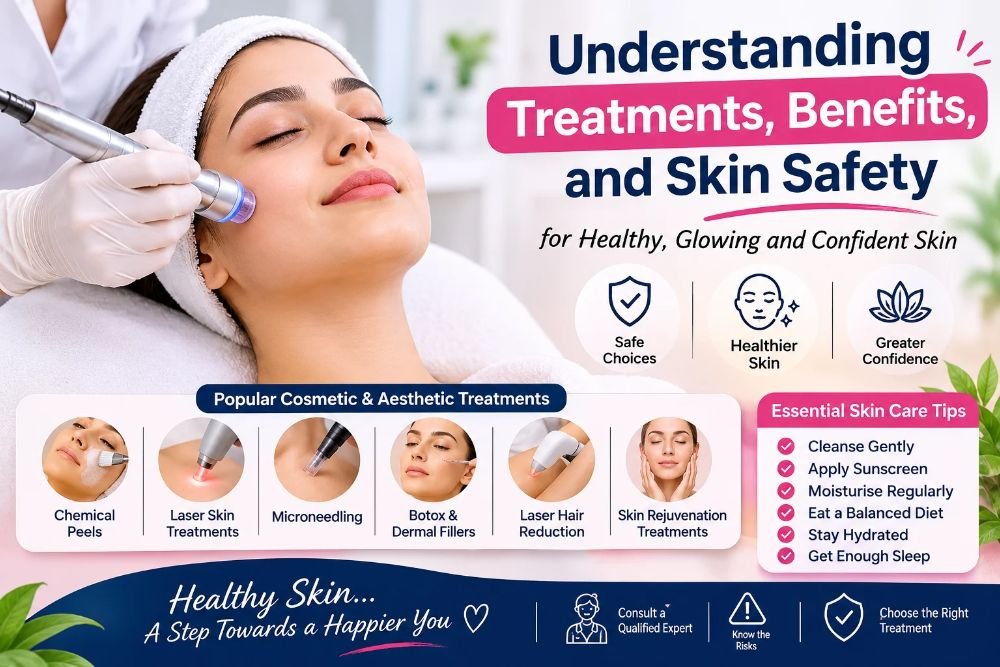
Different treatments address different skin and appearance concerns. Some commonly available options include:
1. Chemical Peels
Chemical peels use specially formulated solutions to remove layers of damaged skin. Depending on the type and strength, they may help improve uneven skin tone, certain acne marks, and skin texture.
2. Laser Skin Treatments
Laser treatments use focused light energy to address selected skin concerns. Depending on the technology used, they may help with pigmentation, unwanted hair, scars, and visible signs of ageing.
3. Microneedling
Microneedling uses fine needles to create controlled micro-injuries in the skin. It may help improve the appearance of certain scars, uneven texture, and fine lines.
4. Botox and Dermal Fillers
Botulinum toxin injections may temporarily reduce the appearance of certain expression lines. Dermal fillers are used to restore volume or improve specific facial features.
These are medical procedures and should only be considered after consultation with a suitably qualified healthcare professional.
5. Laser Hair Reduction
Laser hair reduction uses concentrated light to target hair follicles and reduce unwanted hair growth. Multiple sessions are usually needed, and results vary depending on skin tone, hair type, and the technology used.
6. Skin Rejuvenation Treatments
Skin rejuvenation includes different professional treatments intended to improve skin texture, hydration, tone, or the appearance of ageing. The most suitable option depends on the individual’s skin condition.
Potential Benefits of Cosmetic & Aesthetic Care
When appropriately selected and performed by qualified professionals, cosmetic treatments may:
- Improve the appearance of uneven skin tone.
- Reduce the visibility of certain acne scars and marks.
- Improve the appearance of fine lines and wrinkles.
- Address unwanted hair growth.
- Improve selected skin texture concerns.
- Support personal confidence and satisfaction with appearance.
Results differ from person to person, and no treatment can guarantee perfect or permanent results.
Essential Skin Care Habits for Healthy-Looking Skin
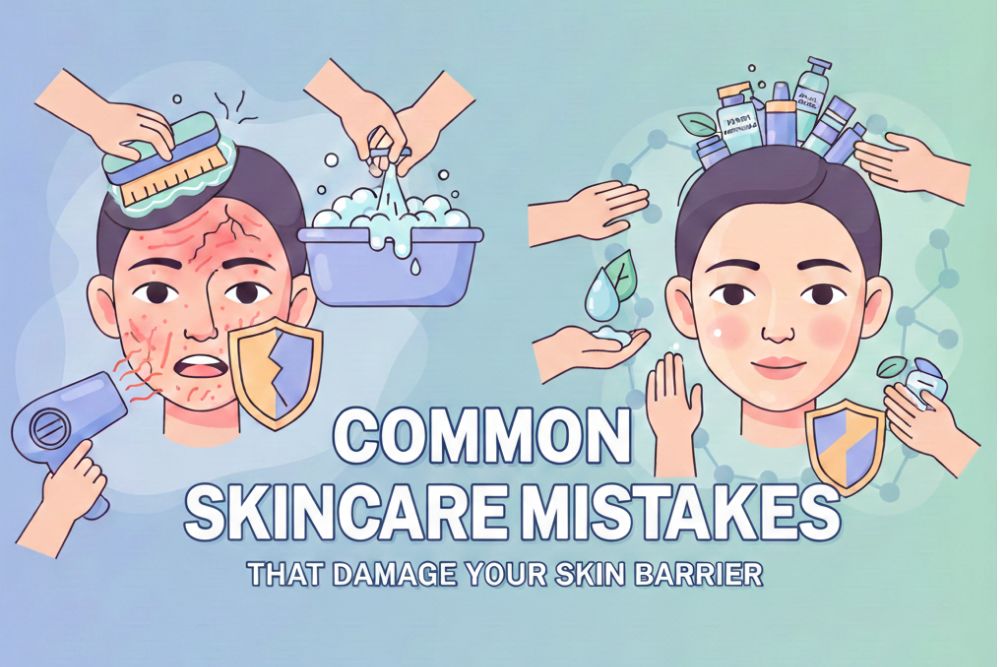
Professional treatments are only one part of skin care. Healthy daily habits also play an important role.
- Cleanse gently: Use a cleanser suitable for your skin type.
- Apply sunscreen: Use broad-spectrum sunscreen and reapply as recommended.
- Moisturise regularly: Maintain skin hydration with a suitable moisturiser.
- Eat a balanced diet: Include fruits, vegetables, protein, and healthy fats.
- Stay hydrated: Drink enough water throughout the day.
- Get adequate sleep: Maintain a consistent sleep routine.
- Avoid smoking: Smoking can negatively affect skin health.
- Follow professional advice: Use skincare products and treatments recommended for your needs.
Risks and Safety Considerations
Cosmetic treatments are not completely risk-free. Possible side effects may include redness, swelling, irritation, bruising, pigmentation changes, infection, or scarring. Certain procedures can have more serious complications.
Before choosing a treatment:
- Consult a qualified dermatologist or appropriately trained medical professional.
- Discuss your medical history, allergies, medications, and skin concerns.
- Understand the possible benefits, risks, and alternative treatments.
- Ask about the products and equipment being used.
- Understand the expected recovery time and aftercare.
- Avoid choosing a procedure based only on low prices or social media promotions.
A proper consultation helps determine whether a treatment is suitable for your individual needs.
How to Choose the Right Cosmetic Treatment
There is no single treatment that works for everyone. Consider these factors before making a decision:
Understand your skin concern: Identify whether you want to address acne marks, pigmentation, wrinkles, unwanted hair, or another concern.
Know your skin type: Skin tone, sensitivity, and existing conditions can influence treatment suitability.
Seek professional guidance: A qualified professional can assess your skin and explain suitable options.
Set realistic expectations: Ask what results are achievable and how long they may last.
Follow aftercare instructions: Proper aftercare can support recovery and reduce the risk of complications.
Frequently Asked Questions
1. What is the difference between cosmetic care and aesthetic care?
Cosmetic care generally focuses on improving appearance through skincare products and procedures. Aesthetic care is a broader term that includes professional treatments designed to enhance or maintain physical appearance.
2. Are cosmetic treatments suitable for all skin types?
No. Treatment suitability depends on skin type, skin tone, medical history, and the specific concern. A professional assessment is important before starting treatment.
3. Are aesthetic treatments permanent?
Not always. Some treatments provide temporary results, while others may offer longer-lasting improvements. Results depend on the procedure and individual factors.
4. Can cosmetic treatments cause side effects?
Yes. Side effects may include redness, swelling, irritation, bruising, pigmentation changes, or infection. The risks vary depending on the treatment.
5. How often should I undergo aesthetic treatments?
There is no universal schedule. Treatment frequency depends on the procedure, individual skin condition, and professional recommendations.
6. Is daily skincare important even after professional treatment?
Yes. Gentle cleansing, moisturising, sun protection, and following professional aftercare advice help maintain skin health.
Conclusion
Cosmetic and aesthetic care can help address selected appearance-related concerns and support healthy-looking skin. However, the best results begin with understanding your skin, choosing appropriate treatments, and prioritising safety.
Before undergoing any cosmetic procedure, consult a qualified professional, understand the possible risks, and make an informed decision. Remember that healthy skin is not about achieving perfection but about caring for your skin in a safe and consistent way.
Medical Disclaimer: This article is for general educational purposes only and should not replace professional medical advice, diagnosis, or treatment. Consult a qualified healthcare professional before undergoing cosmetic or aesthetic procedures.