










































Understanding Growth Milestones from Birth to Adolescence


Every child grows and develops at their own pace, but there are important growth milestones from birth to adolescence that help parents and healthcare professionals track healthy development. These milestones include physical growth, language skills, cognitive abilities, emotional well-being, and social interactions. Understanding these stages allows parents to provide the right support and identify potential developmental concerns early.
What Are Growth Milestones?
Growth milestones are age-specific skills and developmental achievements that most children reach as they grow. They serve as general guidelines rather than strict rules, as every child develops differently.
Growth milestones are usually divided into five main areas:
- Physical development
- Cognitive development
- Language and communication
- Social development
- Emotional development
Birth to 12 Months: Infant Development
The first year of life is a period of rapid growth and learning.
Physical Development
- Gains weight and height quickly
- Learns to roll over, sit, crawl, and stand
- Develops better hand-eye coordination
Cognitive Development
- Recognizes familiar faces
- Responds to sounds and voices
- Explores objects through touch and sight
Social and Emotional Development
- Smiles at caregivers
- Shows attachment to parents
- Begins expressing emotions
1 to 3 Years: Toddler Development
Toddlers become more independent while learning new skills every day.
Physical Development
- Walks and runs confidently
- Climbs stairs
- Improves fine motor skills
Language Development
- Learns simple words and short sentences
- Follows basic instructions
- Identifies familiar objects
Social Development
- Enjoys playing with family
- Begins interactive play
- Shows curiosity about the environment
3 to 5 Years: Preschool Development
Children become more confident and develop stronger communication skills.
Physical Development
- Jumps, hops, and balances easily
- Learns to draw simple shapes
- Dresses independently
Cognitive Development
- Recognizes numbers and colors
- Solves simple problems
- Understands basic routines
Emotional Development
- Expresses feelings clearly
- Learns to share and cooperate
- Develops friendships
6 to 12 Years: School-Age Development
School-age children experience steady physical and mental growth.
Physical Growth
- Improved strength and coordination
- Better sports and physical skills
- Gradual increase in height and weight
Learning and Thinking
- Develops logical thinking
- Improves reading and writing skills
- Solves more complex problems
Social Skills
- Builds friendships
- Learns teamwork
- Develops self-confidence
13 to 18 Years: Adolescent Development
Adolescence is marked by rapid physical, emotional, and psychological changes.
Physical Development
- Growth spurts
- Puberty begins
- Increased muscle and bone development
Cognitive Development
- Better decision-making skills
- Abstract thinking
- Independent problem-solving
Emotional Development
- Develops personal identity
- Becomes more independent
- Learns emotional regulation
Factors That Influence Growth
Several factors affect healthy child development, including:
- Balanced nutrition
- Regular physical activity
- Adequate sleep
- Emotional support
- Quality education
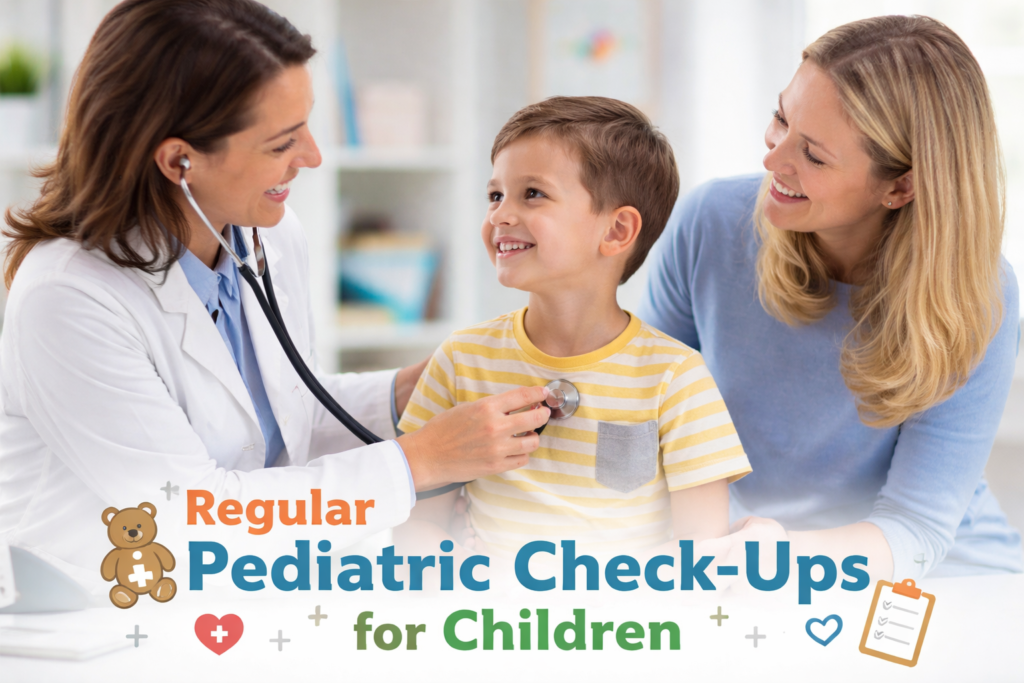
- Routine healthcare
- Family environment
When Should Parents Be Concerned?
Although every child develops differently, consult a healthcare professional if your child:
- Misses major developmental milestones
- Has difficulty speaking or communicating
- Shows delayed physical growth
- Experiences significant learning difficulties
- Has persistent behavioral or social challenges
Early evaluation can help identify developmental concerns and provide appropriate support.
Tips to Support Healthy Growth
Parents can encourage healthy development by:
- Providing nutritious meals
- Encouraging active play
- Reading together every day
- Limiting excessive screen time
- Ensuring adequate sleep
- Scheduling regular health check-ups
- Supporting emotional well-being with love and communication
Conclusion
Understanding growth milestones from birth to adolescence helps parents monitor their child’s overall development with confidence. Every child grows at their own pace, but providing proper nutrition, emotional support, quality education, and regular medical care creates a strong foundation for lifelong health and success. By recognizing developmental milestones and seeking professional guidance when necessary, parents can help children reach their full potential.