


























































Always Feeling Tired? 4 Possible Reasons Explained


Feeling tired even after getting a full night's sleep? Do you struggle to concentrate at work, feel low on energy throughout the day or find everyday activities exhausting? Occasional tiredness is normal, especially after a busy day. However, if you constantly feel tired without an obvious reason, it may be worth paying attention to your daily habits and overall health.
Persistent tiredness can have several causes. Sometimes, it may be related to poor sleep quality, unhealthy eating habits or a lack of physical activity. In other cases, it could be associated with an underlying health condition that needs medical attention.
Understanding why you feel tired is the first step towards improving your energy levels and overall well-being.
Let's explore four possible reasons why you may be feeling tired all the time.
01 Your Sleep May Not Be as Good as You Think
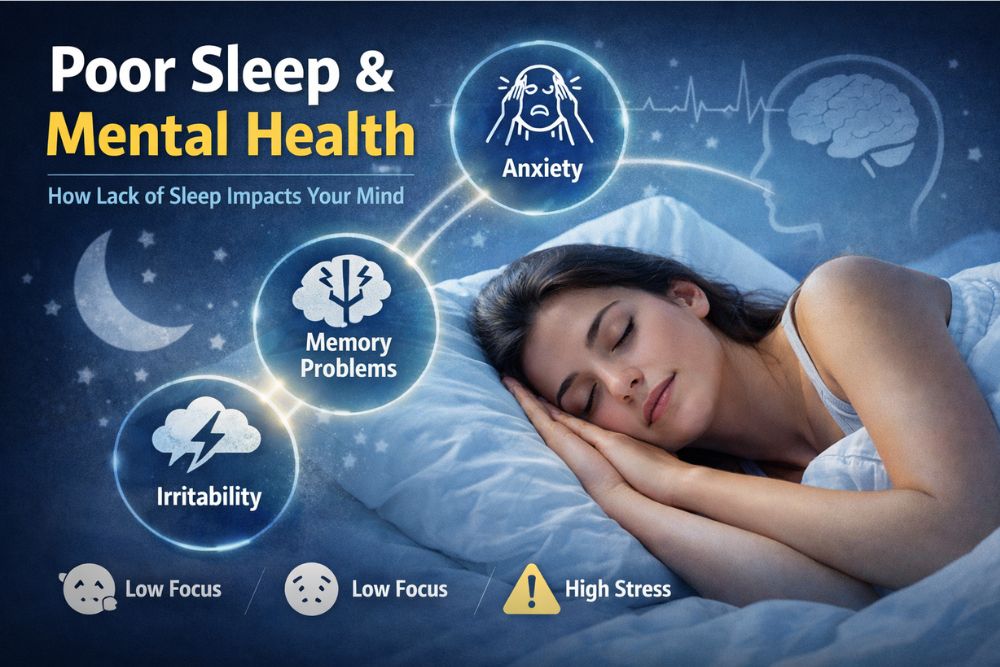
Getting enough sleep is essential for maintaining physical and mental health. However, sleeping for seven or eight hours does not necessarily mean you are getting quality sleep.
For example, you might go to bed at 11 PM but spend another 30 to 40 minutes scrolling through your phone. Alternatively, you may sleep for several hours but wake up frequently during the night.
As a result, you might wake up feeling exhausted rather than refreshed.
What Affects Sleep Quality?
Several everyday habits and environmental factors can interfere with your sleep, including:
- Excessive screen time before bedtime: Using mobile phones, laptops or televisions late at night can interfere with your bedtime routine.
- Irregular sleep schedules: Going to bed and waking up at different times can disrupt your natural sleep pattern.
- Noise and environmental disturbances: Uncomfortable sleeping conditions can interrupt your rest.
- Frequent nighttime waking: Repeated interruptions may prevent you from getting restorative sleep.
How Can You Improve Your Sleep Quality?
Start by creating a consistent bedtime routine. Try going to bed and waking up at the same time every day. Additionally, reduce screen time before bedtime and make your bedroom comfortable, quiet and suitable for restful sleep.
Remember
Good sleep is not just about the number of hours you spend in bed. Sleep quality matters too.
02 Your Eating Habits May Be Affecting Your Energy
What you eat every day plays an important role in maintaining your energy levels. Your body needs a variety of nutrients to support its daily functions. Therefore, irregular eating habits and unbalanced meals may contribute to feelings of tiredness.
Consider a typical morning. You wake up late, skip breakfast because you are getting ready for work and have only a cup of coffee. You continue working until lunchtime, often feeling hungry and low on energy.
Does this sound familiar?
Frequently skipping meals or relying on snacks instead of balanced meals may make it harder to maintain consistent energy throughout the day.
How Can Food Habits Affect Energy Levels?
Some common eating habits that may influence your energy include:
- Skipping meals: Going for long periods without eating may affect how you feel throughout the day.
- Unbalanced meals: Meals that lack variety may not provide all the nutrients your body needs.
- Relying on processed foods: Frequently choosing foods high in added sugar and low in nutritional value may not support a balanced diet.
- Irregular eating patterns: Eating at inconsistent times can make it harder to maintain a regular daily routine.
What Can You Do?
Focus on eating balanced meals that include vegetables, fruits, whole grains, protein sources and healthy fats.
Instead of skipping breakfast or depending on coffee to get through the morning, establish regular eating habits that suit your lifestyle.
Helpful tip
A balanced diet supports overall health and helps your body meet its daily nutritional needs.
03 You May Not Be Moving Enough
It may sound surprising, but spending too much time sitting can also contribute to low energy levels.
Many people assume that tiredness happens only when they perform physically demanding activities. However, a sedentary lifestyle can affect how active and energetic they feel.
Think about someone who works at a computer for eight or nine hours every day. They sit during meetings, travel while sitting and spend their evenings watching television.
Although they may not perform much physical activity, they can still feel tired by the end of the day.
How Does a Sedentary Lifestyle Affect Your Energy?
Spending long hours sitting may contribute to:
- Reduced daily physical activity.
- Poor movement habits.
- Increased feelings of sluggishness.
- Difficulty maintaining an active lifestyle.
Regular physical activity supports cardiovascular health, muscle strength and overall well-being. It can also help improve sleep quality and mood.
Simple Ways to Become More Active
You do not necessarily need an intense workout routine to start becoming more active.
Try these simple changes:
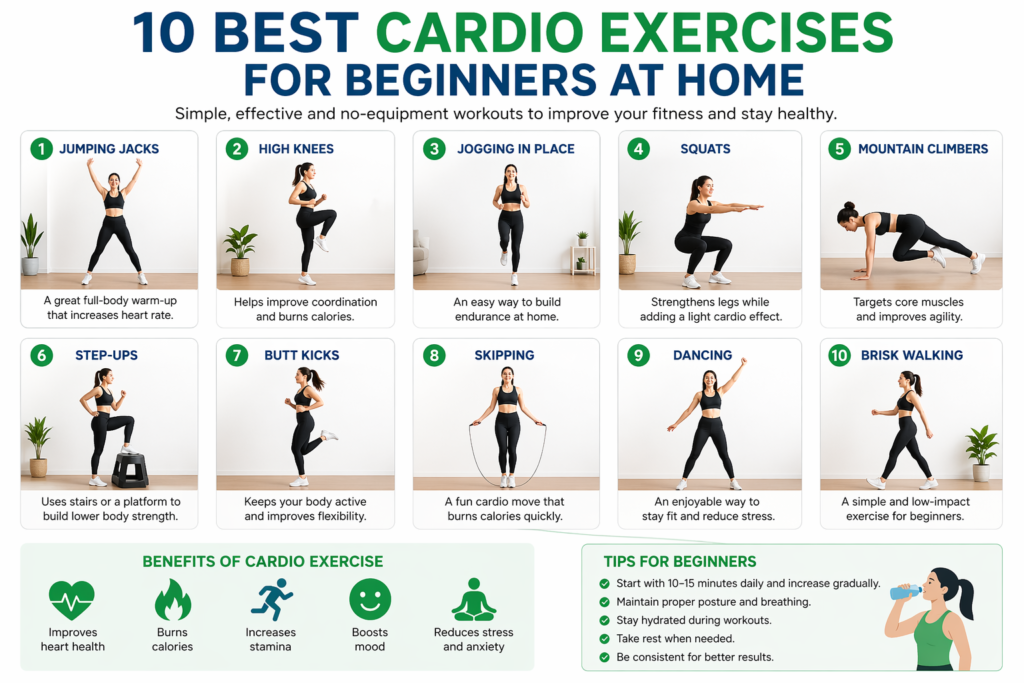
- Take short walking breaks during working hours.
- Choose stairs instead of lifts when appropriate.
- Include a daily walk in your routine.
- Try gentle stretching after sitting for long periods.
- Participate in physical activities that you enjoy.
Build a consistent routine
Consistency matters more than starting with an intense exercise routine. Choose activities that suit your fitness level and gradually build a more active lifestyle.
04 Sometimes, Tiredness Can Be Linked to an Underlying Health Condition
While lifestyle habits can influence energy levels, persistent tiredness should not always be attributed to a busy schedule or lack of sleep.
Sometimes, ongoing fatigue may be associated with an underlying health condition.
For example, you may feel exhausted for several weeks, struggle to concentrate or notice that you become breathless more easily than usual. Even after improving your sleep and eating habits, the tiredness may continue.
In such situations, it is important to understand whether an underlying medical issue could be contributing to your symptoms.
Health Conditions That May Cause Persistent Tiredness
Some health conditions associated with fatigue include:
1. Anaemia
Anaemia occurs when the blood does not have enough healthy red blood cells or haemoglobin to carry oxygen effectively. Depending on its cause and severity, it may lead to tiredness, weakness, dizziness and breathlessness.
2. Thyroid Problems
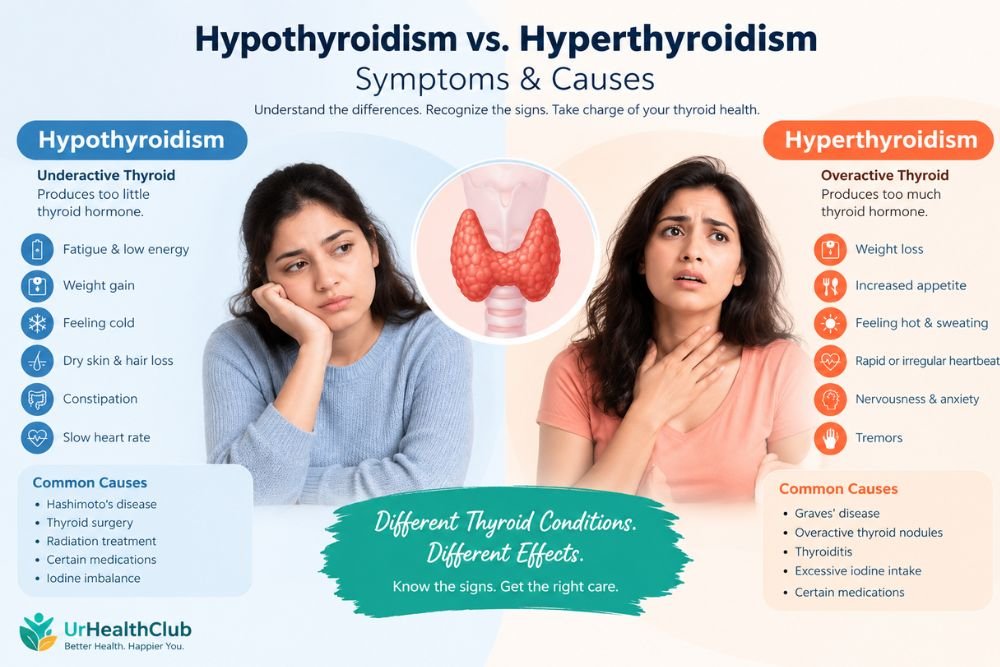
The thyroid gland helps regulate several functions in the body, including metabolism. An underactive thyroid (hypothyroidism) can cause fatigue, increased sensitivity to cold, weight changes and difficulty concentrating.
3. Sleep Disorders
Conditions such as sleep apnoea can interrupt normal sleep patterns. Even if you spend enough hours in bed, poor-quality sleep may leave you feeling tired during the day.
4. Other Medical Conditions
Certain chronic health conditions, infections and other medical problems can also contribute to ongoing fatigue.
When Should You Consult a Healthcare Professional?
Consider seeking medical advice if:
- You feel tired almost every day without a clear reason.
- Your tiredness continues for several weeks.
- You experience fatigue even after getting adequate rest.
- You struggle to concentrate or manage everyday activities.
- You experience additional symptoms such as unexplained weight changes or breathlessness.
A healthcare professional can review your symptoms, medical history and lifestyle and recommend appropriate investigations when necessary.
Do not ignore persistent tiredness
Do not assume that persistent tiredness is simply a result of ageing, work pressure or a busy lifestyle.
Simple Daily Habits That May Help Improve Your Energy Levels
Small changes in your daily routine can support better energy management and overall health.
Here are some practical habits to consider:
- Follow a regular sleep schedule: Maintain consistent sleeping and waking times.
- Reduce screen time before bed: Give yourself time to relax before sleeping.
- Eat balanced meals: Include a variety of nutritious foods in your daily diet.
- Stay physically active: Take regular walking breaks and include suitable exercise.
- Avoid prolonged sitting: Make movement a regular part of your day.
- Pay attention to persistent symptoms: Seek professional advice if tiredness continues or affects your daily life.
Most importantly, avoid depending entirely on coffee or energy drinks to manage ongoing tiredness. Understanding the underlying reason is more important than temporarily masking the symptoms.
Frequently Asked Questions About Constant Tiredness
1. Why am I always tired even after sleeping for eight hours?
Feeling tired after eight hours of sleep may indicate that your sleep quality is poor. Frequent nighttime waking, irregular sleep schedules and sleep disorders can affect how rested you feel. Other factors, including nutritional deficiencies and certain medical conditions, may also contribute to fatigue.
2. Can unhealthy eating habits cause tiredness?
Yes. Skipping meals, following an unbalanced diet and not getting enough essential nutrients may contribute to low energy levels. Eating regular, balanced meals can support your body's nutritional needs.
3. Can sitting for long hours make you feel tired?
Spending most of the day sitting may contribute to a sedentary lifestyle and feelings of sluggishness. Taking regular walking breaks and including physical activity in your routine can help support overall health.
4. What health conditions can cause constant tiredness?
Persistent tiredness can be associated with several health conditions, including anaemia, thyroid disorders and sleep disorders. Other medical conditions may also cause fatigue. A healthcare professional can help identify the possible cause.
5. When should I worry about feeling tired all the time?
If tiredness continues for several weeks, occurs without an obvious reason or interferes with your daily activities, consult a healthcare professional. Seek prompt medical attention if fatigue occurs with concerning symptoms such as chest pain, severe breathlessness or fainting.
Final Thoughts
Feeling tired occasionally is a normal part of life. However, feeling exhausted almost every day is something you should not ignore.
Poor sleep quality, unhealthy eating habits and insufficient physical activity can all influence your energy levels. At the same time, persistent tiredness may sometimes indicate an underlying health condition.
Start by reviewing your daily habits and making small, sustainable changes. If your tiredness continues despite these efforts, consult a healthcare professional to understand the possible cause.
Your body may be giving you important signals. Pay attention to them, take care of your health and make your well-being a priority.
Take a Step Towards Better Health
Stay informed with simple and useful health information. Explore more health and wellness articles from Your Health Club.
Explore MoreThis article is intended for general informational purposes only. It does not replace professional medical advice, diagnosis or treatment. Consult a qualified healthcare professional about persistent tiredness or other symptoms.