


















































Are You Eating Enough Protein? Everyday High-Protein Foods

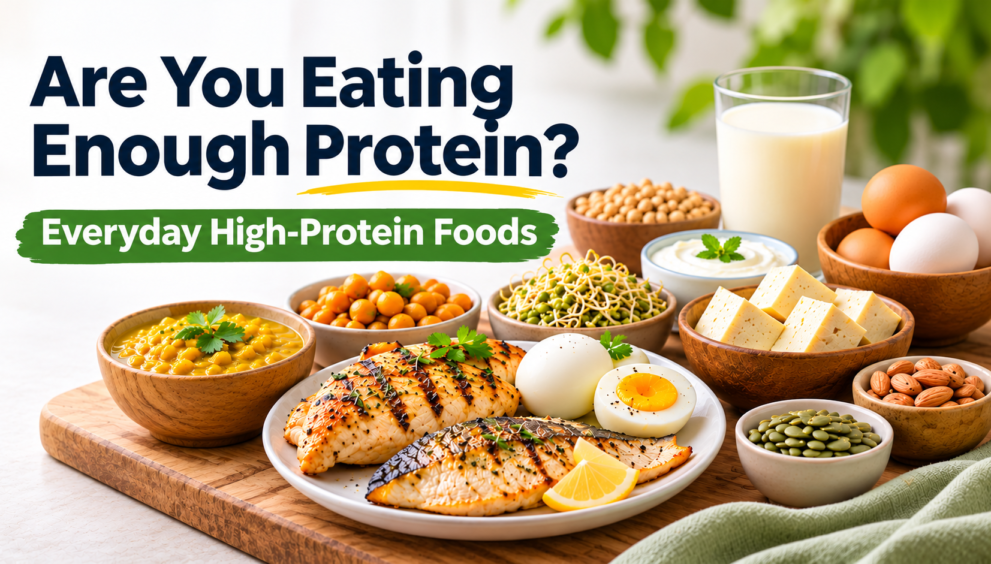
Are You Eating Enough Protein? Everyday High-Protein Foods
Discover why protein matters, how much your body needs, and which everyday foods can help you meet your daily protein requirements.
Protein is one of the most important nutrients your body needs every day. It supports muscle health, helps repair tissues, contributes to immune function and plays a role in several essential body processes.
However, many people focus on carbohydrates and fats while overlooking their daily protein intake. Even if you eat regular meals, you may not always get enough protein from your diet.
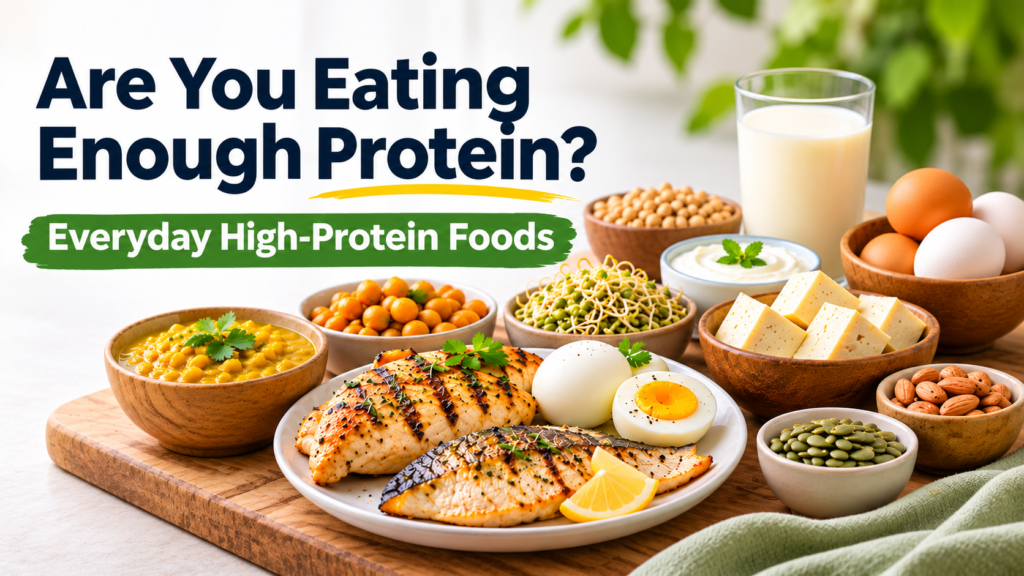
The good news is that you do not need complicated diets or expensive supplements to improve your protein intake. Everyday foods such as eggs, milk, paneer, lentils, chickpeas, nuts and fish can help you include more protein in your meals.
Let's understand how much protein you need and explore practical ways to include protein-rich foods in your everyday diet.
Are You Eating Enough Protein?
01 Why Is Protein Important for Your Body?
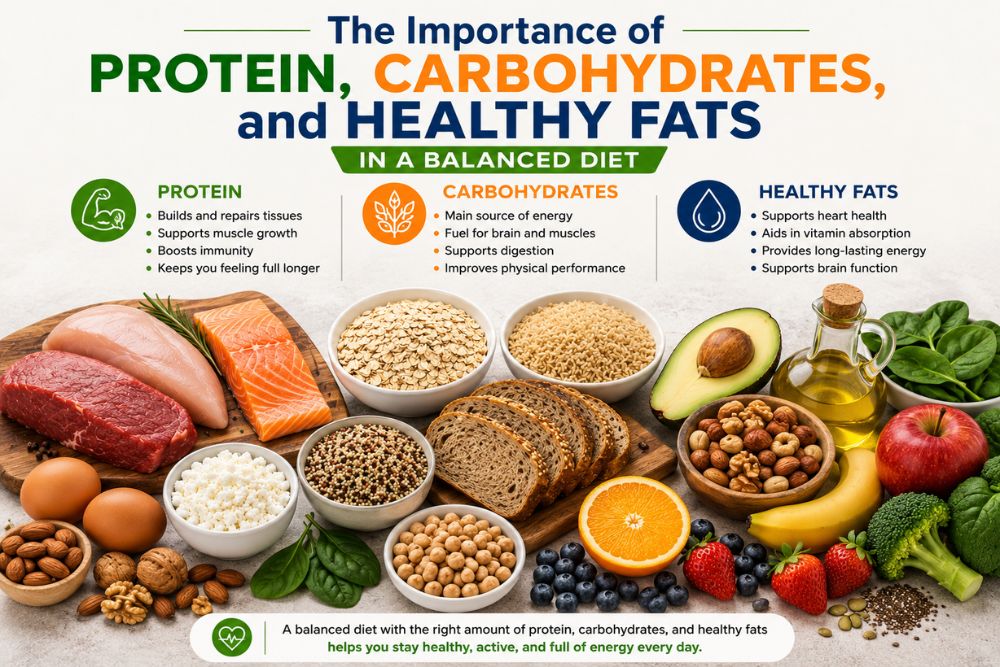
Protein is made up of amino acids, which act as building blocks for muscles, skin, hair, organs and other body tissues. Your body uses protein for growth, repair and several important biological functions.
Here are some important reasons why protein should be part of your daily diet:
- Supports muscle health: Protein helps build and maintain muscle tissue, especially when combined with regular physical activity.
- Repairs body tissues: It supports the repair and maintenance of cells and tissues.
- Supports immunity: Protein is needed to produce antibodies and other components involved in immune function.
- Promotes healthy skin and hair: Proteins such as collagen and keratin contribute to the structure of skin, hair and nails.
- Helps you feel satisfied: Including protein in meals can help you feel fuller for longer.
- Supports essential body functions: Enzymes, hormones and several transport molecules depend on proteins.
Remember: Protein is not only important for people who exercise or visit the gym. It is an essential nutrient for people of all ages.
02 How Much Protein Do You Need Every Day?
Your daily protein requirement depends on factors such as age, body weight, physical activity, health status and individual nutritional needs.
For many healthy adults, a commonly used general reference is approximately 0.8 grams of protein per kilogram of body weight per day. However, people who are physically active, older adults, pregnant or breastfeeding women, and individuals recovering from illness may have different requirements.
For example, a healthy adult weighing 60 kg would need approximately 48 grams of protein daily using the 0.8 g/kg reference.
Example calculation:
Body weight: 60 kg
Reference protein intake: 0.8 g per kg
Estimated daily protein: 60 × 0.8 = 48 grams
This is a general reference, not a personalised dietary prescription. Your individual requirement may differ depending on your health and lifestyle.
03 12 Everyday High-Protein Foods You Can Include in Your Diet
You can get protein from both plant-based and animal-based foods. Including a variety of sources helps you build balanced meals and meet your nutritional needs.
1. Eggs
Eggs are a convenient source of high-quality protein. They also provide nutrients such as vitamin B12, selenium and choline. Boiled eggs, omelettes and egg-based dishes can be included in breakfast or other meals.
2. Milk
Milk provides protein along with calcium and other essential nutrients. It can be consumed on its own or added to porridge, smoothies and other everyday preparations.
3. Paneer
Paneer is a popular vegetarian protein source. It can be added to curries, salads, wraps and vegetable dishes. Choose preparation methods that suit your overall nutritional requirements.
4. Curd and Greek Yogurt
Curd and yogurt provide protein and calcium. Greek yogurt generally contains more protein than regular yogurt, although the amount varies by product. Unsweetened options can be a useful addition to breakfast or snacks.
5. Lentils and Dal
Toor dal, moong dal, masoor dal and other lentils provide plant-based protein. They are also sources of dietary fibre and other nutrients. Dal is an easy way to add protein to everyday Indian meals.
6. Chickpeas
Chickpeas, also known as chana, provide protein and fibre. You can include them in chana masala, salads, sundal or homemade hummus.
7. Soybeans
Soybeans are a protein-rich plant food containing all nine essential amino acids. Tofu, soy chunks and other soy-based foods are useful options for vegetarian diets.
8. Green Peas
Green peas provide plant protein, fibre and several vitamins. Add them to pulao, curries, soups and vegetable preparations.
9. Nuts and Almonds
Almonds, peanuts and other nuts provide some protein along with healthy fats. They make convenient snacks, but portion sizes matter because nuts are energy-dense.
10. Pumpkin Seeds
Pumpkin seeds provide protein, magnesium, zinc and healthy fats. Sprinkle them over salads, oats or yogurt for added nutrition.
11. Chicken
Chicken is a source of complete protein and can be included in a balanced diet. Grilled, boiled or lightly cooked preparations are practical choices.
12. Fish
Fish provides high-quality protein. Some varieties also contain omega-3 fatty acids, which support overall health. Include suitable fish preparations as part of a varied diet.
Simple tip: You do not need to depend on one food to meet your protein requirements. Combine different protein sources throughout the day.
04 Vegetarian vs Non-Vegetarian Protein Sources
Both vegetarian and non-vegetarian diets can provide sufficient protein when planned properly. The key is to include a variety of suitable foods and consume enough protein according to your individual needs.
Vegetarian Protein Sources
- Paneer and milk
- Curd and Greek yogurt
- Lentils and dals
- Chickpeas and kidney beans
- Soybeans, tofu and soy chunks
- Peanuts, almonds and seeds
Non-Vegetarian Protein Sources
- Eggs
- Chicken
- Fish
- Lean meat
- Seafood
Animal-based foods generally provide complete proteins, while many plant-based foods contain different amounts of essential amino acids. Soy is an example of a plant food that provides all nine essential amino acids.
Eating a variety of plant-based protein sources throughout the day can help support a balanced amino acid intake.
05 Signs You May Not Be Getting Enough Protein
Consistently inadequate protein intake can affect several aspects of health. However, these symptoms are not specific to protein deficiency and can have many other causes.
Some possible signs associated with inadequate protein intake include:
- Muscle loss: Insufficient protein over time may contribute to reduced muscle mass, particularly when overall nutrition is inadequate.
- Increased hunger: Meals that contain very little protein may not keep you satisfied for long.
- Hair and skin changes: Poor overall nutrition, including inadequate protein, can affect hair and skin health.
- Slow tissue repair: Protein is needed for normal tissue maintenance and repair.
- Weakness and fatigue: These symptoms may occur with inadequate nutrition but can also indicate other health conditions.
Important: Do not assume that these symptoms mean you have a protein deficiency. Consult a qualified healthcare professional for appropriate evaluation if you experience persistent or unexplained symptoms.
06 Simple Ways to Add More Protein to Your Daily Meals
Improving your protein intake does not require a complete change in your eating habits. Small adjustments to familiar meals can make a difference.
Breakfast
- Include boiled eggs or an omelette.
- Add milk or curd to your breakfast.
- Choose moong dal chilla or besan-based preparations.
- Add nuts and seeds to oats or yogurt.
Lunch
- Include dal or legumes with your regular meal.
- Add paneer, tofu, chicken or fish where suitable.
- Include chickpeas or beans in salads.
Evening Snacks
- Choose roasted chana.
- Have a portion of nuts or seeds.
- Include unsweetened yogurt or milk.
Dinner
- Include dal, paneer, tofu or another suitable protein source.
- Add vegetables and whole grains for a balanced meal.
- Include fish, eggs or chicken if they are part of your diet.
Spreading protein intake across meals can make it easier to meet your daily needs instead of relying on one large protein-rich meal.
07 Common Myths About Protein
Myth 1: Protein Is Only for Gym-Goers
Fact: Everyone needs protein. It supports normal growth, tissue maintenance, muscle health and essential body functions.
Myth 2: Vegetarian Foods Do Not Provide Enough Protein
Fact: Vegetarian foods such as lentils, beans, soy, paneer, milk, nuts and seeds can contribute significantly to daily protein intake.
Myth 3: More Protein Is Always Better
Fact: Your body needs an appropriate amount of protein, not unlimited amounts. Excessive intake is not necessary for everyone, and people with certain medical conditions may need specific dietary guidance.
Myth 4: Protein Supplements Are Necessary
Fact: Many people can meet their protein requirements through regular foods. Supplements may be useful in some situations, but they are not essential for everyone.
Frequently Asked Questions About Protein
1. Which everyday food is highest in protein?
Protein content varies by serving size and preparation. Foods such as soy chunks, chicken, fish, eggs, paneer and certain dairy products can provide substantial amounts of protein.
2. Can I get enough protein from a vegetarian diet?
Yes. Foods such as lentils, chickpeas, beans, soy products, paneer, milk, curd, nuts and seeds can help meet daily protein requirements when included in suitable portions.
3. Is eating eggs every day a good way to get protein?
Eggs are a convenient source of high-quality protein. Whether daily egg consumption is suitable depends on your overall diet, health status and individual dietary needs.
4. Does protein help with weight management?
Protein can help promote fullness and support muscle maintenance. However, healthy weight management also depends on overall calorie intake, physical activity, sleep and other lifestyle factors.
5. Can I eat all my protein in one meal?
Although your body digests and uses protein from a single meal, distributing protein across meals can be a practical way to meet your daily nutritional needs.
6. Do I need protein supplements if I eat a balanced diet?
Not necessarily. Many people can get sufficient protein from everyday foods. Supplements should be considered based on individual requirements and professional advice.
Conclusion: Make Protein a Part of Your Everyday Diet
Protein is essential for muscle health, tissue repair, immunity and several important functions in the body. Yet, meeting your daily protein requirements does not have to be complicated.
Simple foods such as eggs, milk, paneer, dal, chickpeas, soybeans, nuts, chicken and fish can help you improve your daily protein intake.
Instead of focusing on one particular food or supplement, aim for a balanced diet that includes a variety of protein sources. Small and consistent changes to your everyday meals can support better nutritional habits.
If you are unsure about your protein requirements, consult a qualified nutrition professional for personalised dietary guidance.
Want to Learn More About Healthy Eating?
Explore more health and nutrition information, practical wellness tips and educational videos to help you make informed choices about your everyday health.
Visit Our YouTube ChannelDisclaimer: This article is intended for general educational and informational purposes only. It should not replace professional medical or nutritional advice, diagnosis or treatment. Individual protein requirements may vary depending on age, activity level, health conditions and other factors. Consult a qualified healthcare professional or registered dietitian for personalised guidance.